



Antique Bilston Enamel
Antique bilston enamel pieces are delicate pocket-sized containers prized for their vibrant painted surfaces and crisp copper mounts.
Antique Bilston Enamel
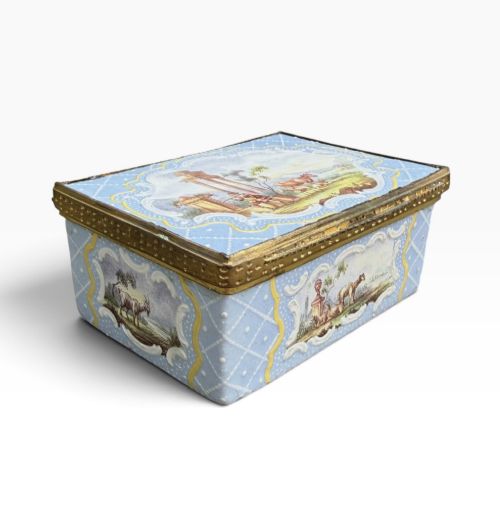
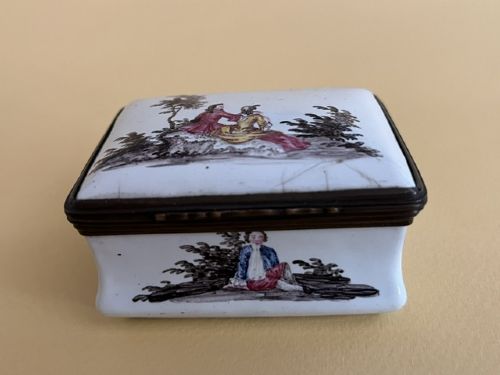
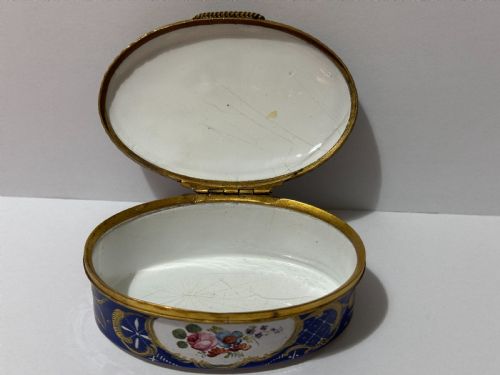
When you search for antique bilston enamel, you encounter small personal containers and wall items originating from the Georgian period. The selection on this page consists chiefly of patch boxes, snuff boxes, and decorative plaques dating from the eighteenth century.
These items served practical functions in daily eighteenth-century life, holding small cosmetic patches or tobacco. Makers shaped them into oval, rectangular, and novelty forms often inscribed with sentimental phrases or painted with pastoral scenes.
Beyond boxes, the material extends to scent bottles and curtain tie backs. These rarer domestic forms share the same characteristic copper and enamel construction as the traditional pocket pieces.
How they were made
Craftsmen built these pieces using a base of hammered copper shaped into the desired box or plaque profile. They then fused opaque white or coloured enamel to the metal through firing.
Artists applied hand-painted miniature scenes and inscriptions directly onto the fired enamel surface before a final low-temperature fix. Mounts, hinges, and bezels fabricated from gilt metal, brass, or copper gilt secured the lids to the bases.
Antique Bilston Enamel Retail Price Guide 2026
Typical asking prices for bilston enamel among the pieces listed under this phrase on Sellingantiques today, from the lower quarter to the upper quarter. They describe what is for sale here now, not the wider market.
Listings span the eighteenth and nineteenth centuries, capturing the Georgian period alongside later nineteenth-century revival pieces.
What varies in quality
The precision and detail of the hand-painted decoration distinguish superior examples from standard production. Finely rendered figures, clear topographical scenes, and legible painted inscriptions elevate a piece.
The preservation of the glass-like enamel surface without extensive cracking or loss determines value. Additionally, the quality and original gilding of the metal mounts contribute to the overall standard of the object.
The Antique Bilston Enamel Glossary
- Bilston enamel
- Enamel painted and fired on copper bases in the Staffordshire town of Bilston. These items form a distinct category of eighteenth-century English enamels.
- Patch box
- A small pocket container fitted with a mirror inside the lid, used to hold small fabric beauty patches. Georgian society used these patches to conceal blemishes.
- Snuff box
- A small hinged container designed to hold powdered tobacco for nasal ingestion. These boxes frequently feature scenic paintings on the exterior lid.
- Bonbonniere
- A small decorative container used to hold sweets or sugar plums. They often took whimsical novelty shapes during the eighteenth century.
- Bezel
- The metal rim or collar that holds a box lid securely to its base. In these pieces, the bezel is typically made of gilt metal or brass.
Antique Bilston Enamel: Frequently Asked Questions
What is an antique bilston enamel?
Antique bilston enamel refers to decorative copper objects coated in fused glass enamel and painted by hand. They were primarily produced in eighteenth-century Staffordshire.
These items encompass small pocket boxes, scent bottles, and plaques created during the Georgian era.
How were patch boxes used?
Patch boxes held small shapes of silk or velvet that fashionable people applied to their faces. The interior lid often contained a tiny mirror for placement.
Over time, these boxes transitioned from functional cosmetic items into sentimental keepsakes inscribed with personal messages.
How do I date these pieces?
Dating relies on stylistic clues, mounting techniques, and painted subject matter from the Georgian period. Eighteenth-century examples feature distinct copper construction and hand-mixed enamel colours.
Later nineteenth-century revivals display different hues and mechanical mounting styles that separate them from Georgian production.
How do I clean enamel boxes?
Cleaning requires a soft, dry cloth to remove dust from the enamel and metal mounts. Moisture can seep into hairline cracks and harm the underlying copper.
Harsh chemical polishes must remain away from the painted surfaces to protect the fragile hand-painted details.