
Antique Bible Desk
An antique bible desk is a solid oak box or stand designed to hold sacred texts, reading steadily through generations of daily use.
Antique Bible Desk
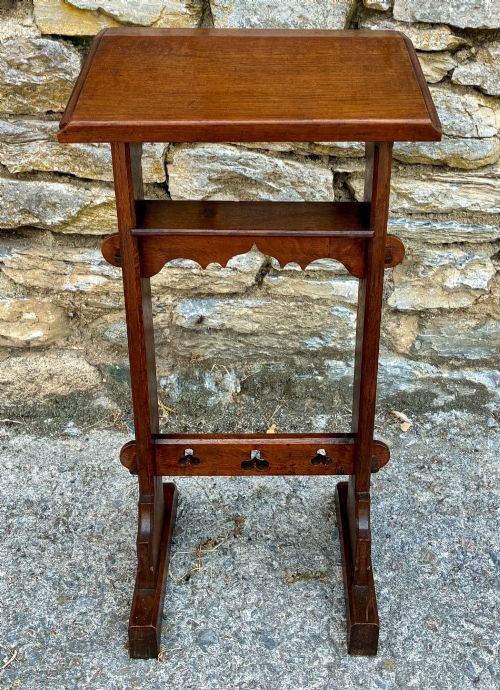
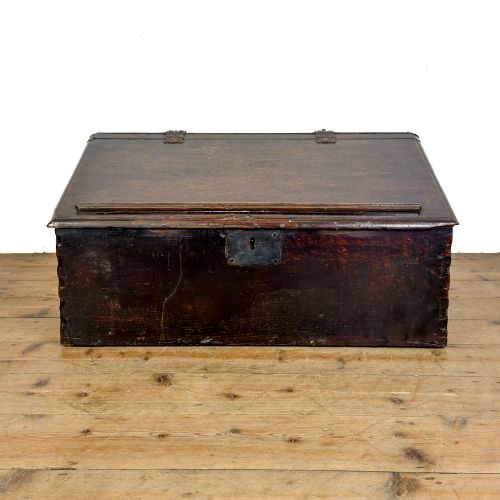
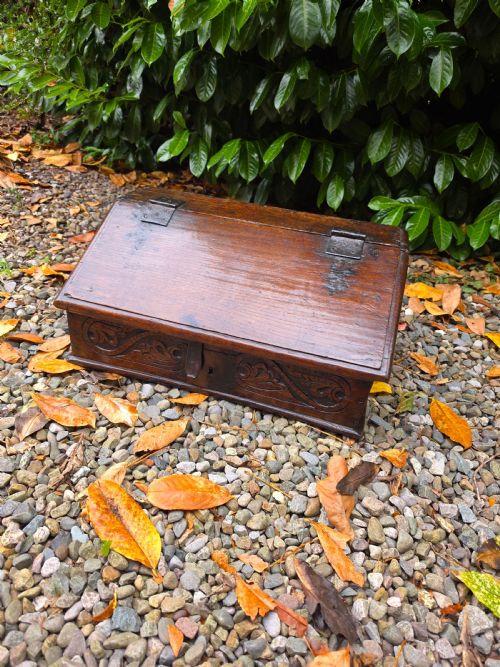
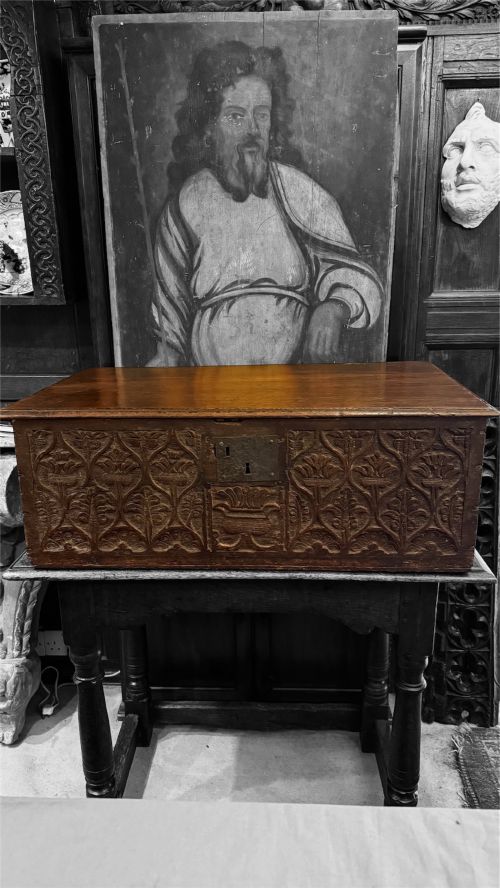
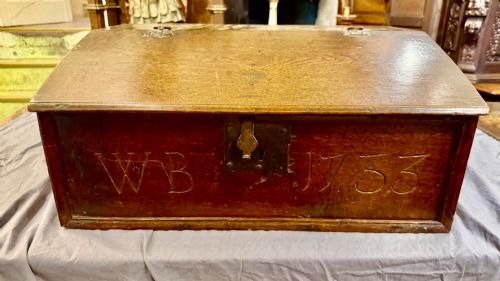
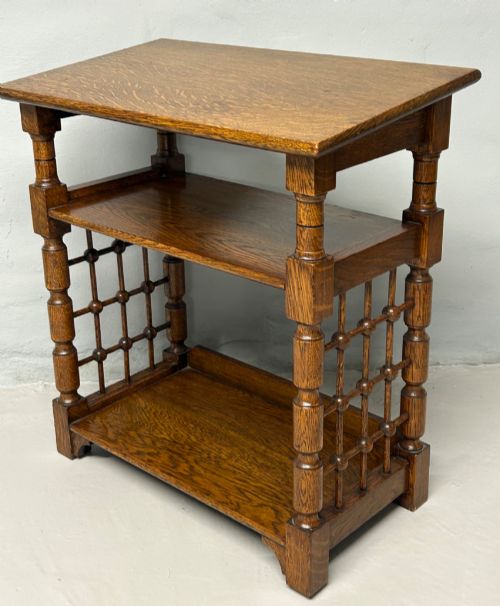
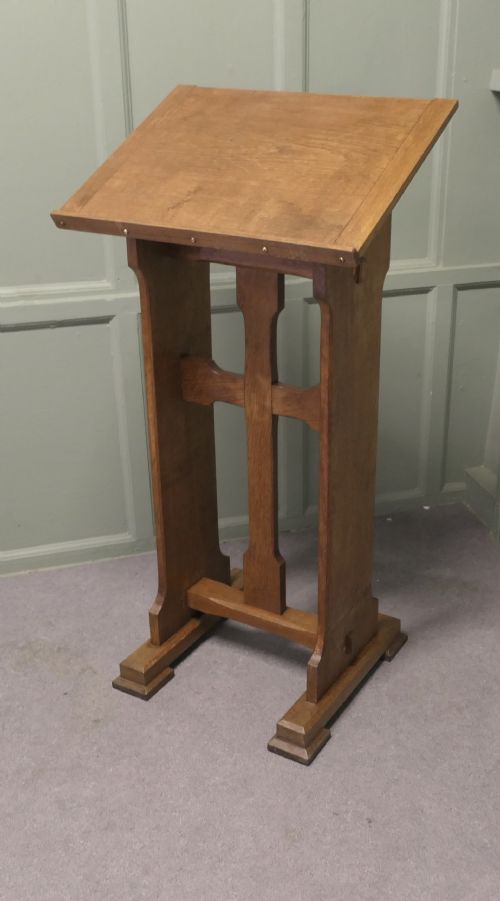
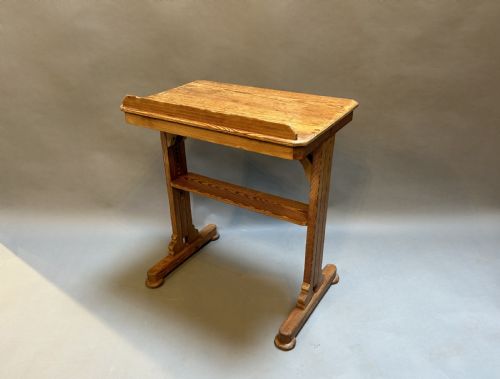
An antique bible desk encompasses sturdy tabletop box forms and upright ecclesiastical lecterns designed for reading and writing. When exploring this selection, buyers encounter seventeenth and eighteenth-century oak desk boxes alongside nineteenth-century Victorian church lecterns and reading stands.
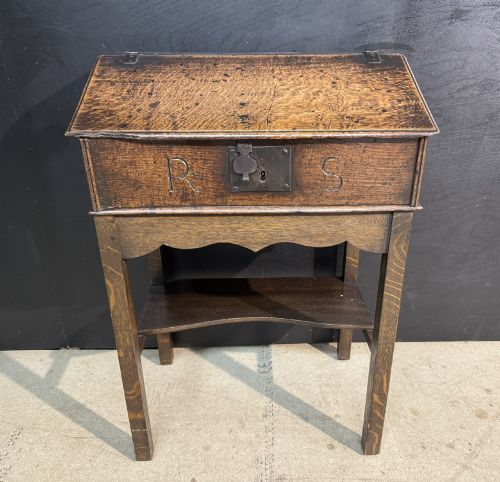
These pieces served practical purposes in homes and churches alike, storing valuable manuscripts or supporting large volumes for public reading. The forms range from plain planked document chests to carved folding pedestals and slant front surfaces.
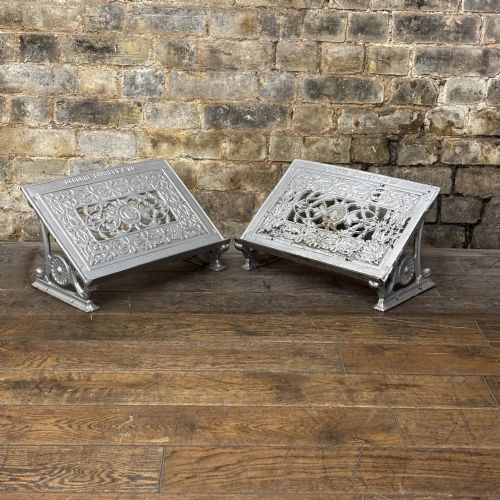
Oak dominates the vernacular tradition, joined by pine, iron, brass, and cast iron in later ecclesiastical examples. Buyers frequently find seventeenth-century English oak bible boxes and Victorian church book rests among the offerings.
How they were made
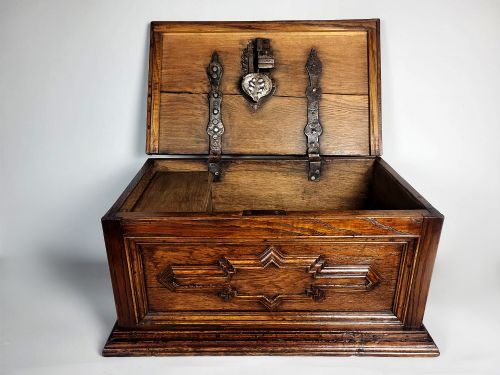
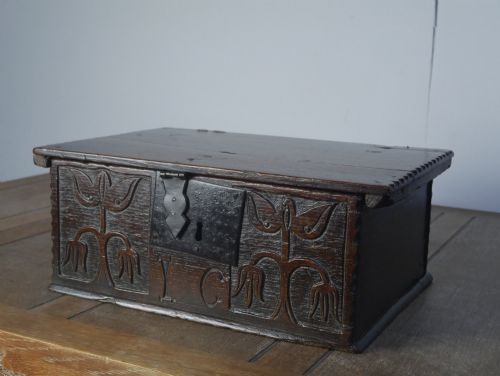
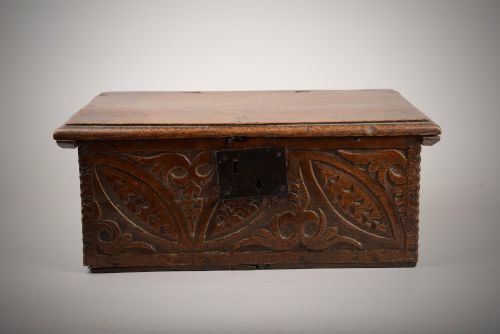
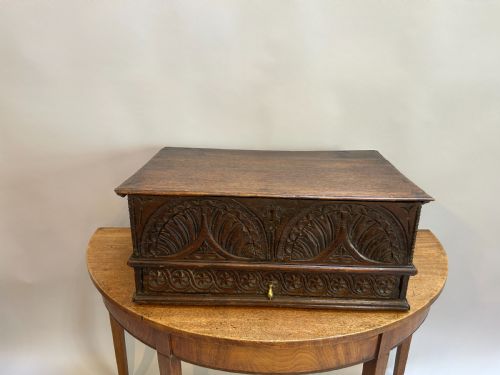
Traditional construction relies on solid oak panels joined with hand-cut joints, often reinforced by original complex steel locks and iron strapwork. Carved ornamentation, holly inlay, and bog oak detailing appear on seventeenth and eighteenth-century examples.
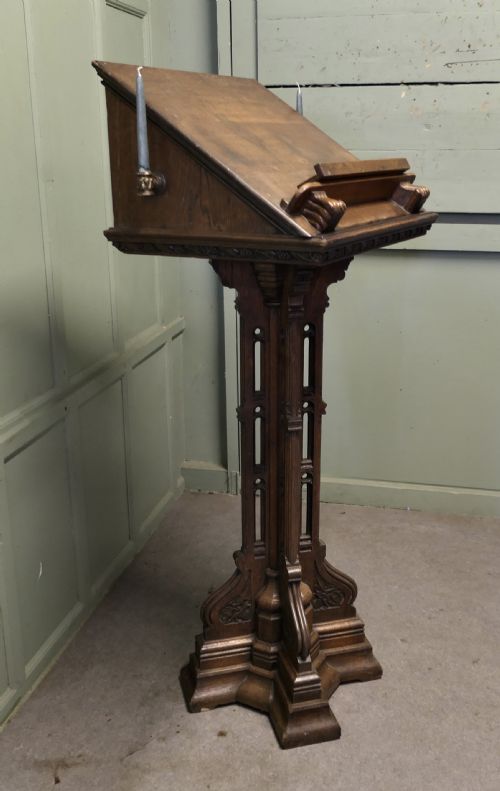
Later nineteenth-century pieces incorporate brass work and cast iron frames, particularly in church lecterns and reading stands. Carpenters shaped these woods using hand tools, resulting in pegged joints and robust panel backs.
Several seventeenth-century boxes preserve original complex steel locks designed to guard family scriptures from curious fingers.
What varies in quality
Quality rests in the integrity of the timber, the depth and crispness of period carving, and the survival of original ironmongery such as locks and hinges. Pieces retaining their fitted internal drawers or original desk stands command greater interest among collectors.
Later alterations, replaced stands, or heavily restored surfaces separate standard vernacular boxes from those possessing untouched seventeenth-century patina and documented provenance.
Osborne Garrett And Co
The Antique Bible Desk Glossary
- Bible Box
- A portable wooden box with a slant lid, built to hold a large family Bible and writing materials.
- Lectern
- An upright stand with a slanted top used to support a book for a reader standing before an audience.
- Slant Front
- A hinged writing flap angled for easier reading and manuscript work.
- Document Box
- A compact storage chest used for securing important papers, deeds, and letters before the widespread use of filing cabinets.
- Gothic Revival
- An architectural and decorative style drawing inspiration from medieval forms, featuring pointed arches and tracery.
Antique Bible Desk: Frequently Asked Questions
How were bible boxes used historically?
These boxes served as portable storage for family Bibles, sermons, and vital legal documents. Their slanted tops doubled as writing surfaces for scribes and scholars.
Placed upon tables or desks, they kept sacred texts elevated and secure when not in active devotional use.
How do I date an antique oak bible box?
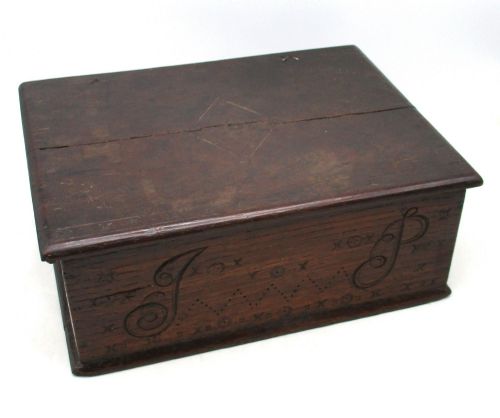
Dating relies upon construction methods, timber selection, and decorative motifs such as Jacobean carvings or initialed panels. Early pieces from the seventeenth century utilise pegged frame-and-panel construction and hand-forged iron hardware.
Later Victorian adaptations introduce cast iron frames, brass mounts, and softer pines alongside traditional hardwoods.
Can I use an antique lectern for reading today?
Church lecterns and reading stands provide sturdy platforms for books, laptops, or sheet music in modern interiors. Their adjustable sloped surfaces accommodate large volumes comfortably.
Placing one in a study or hallway introduces functional ecclesiastical history into a living space.