

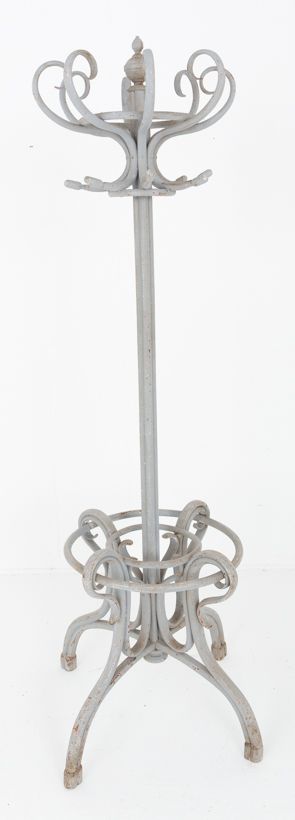
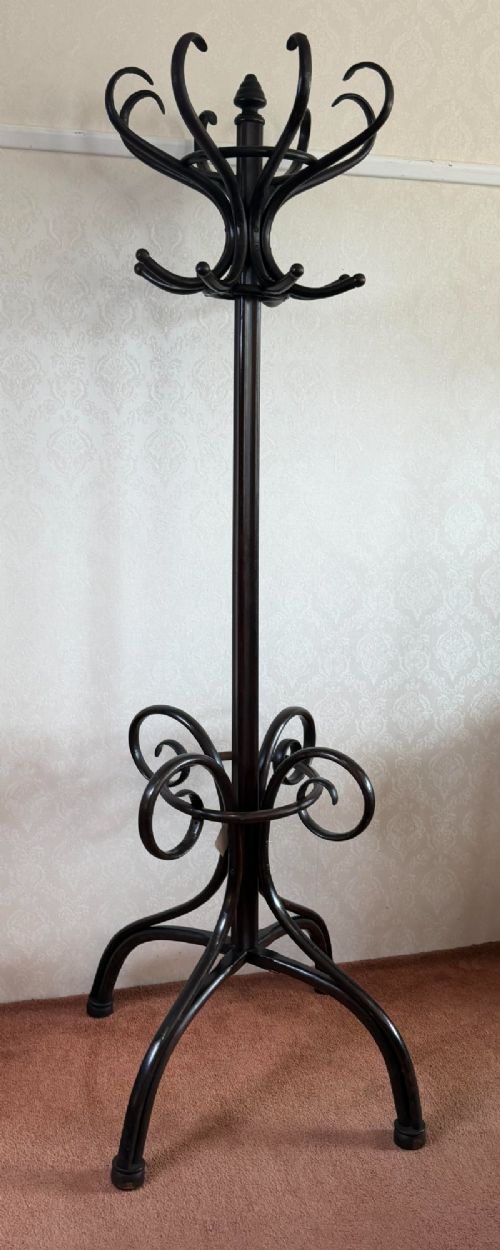
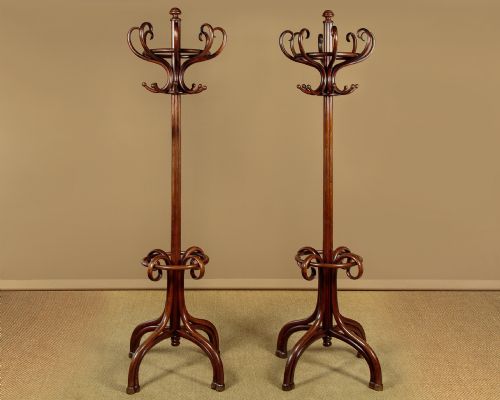
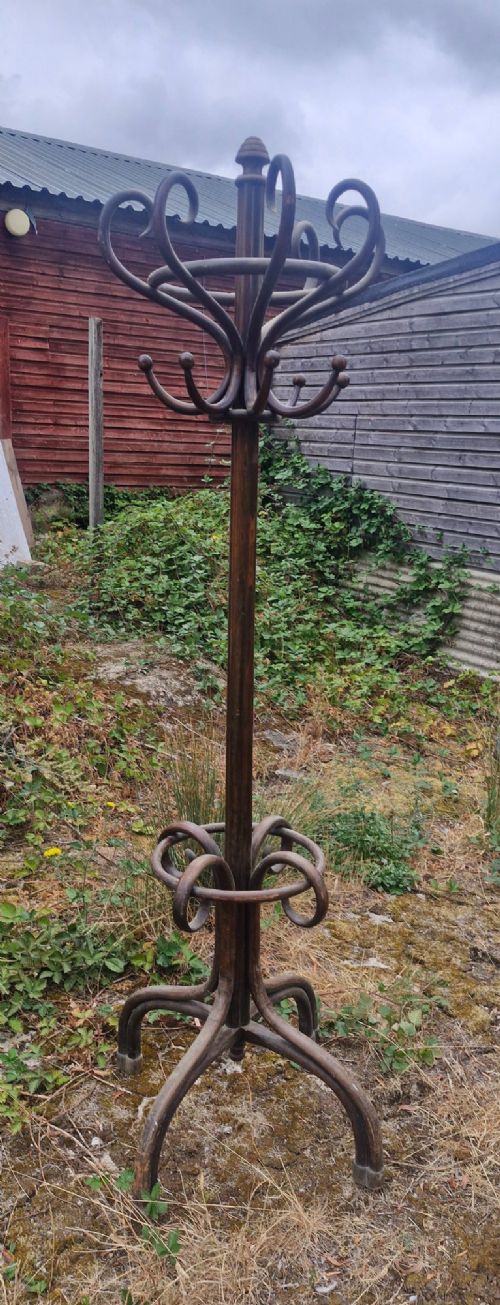
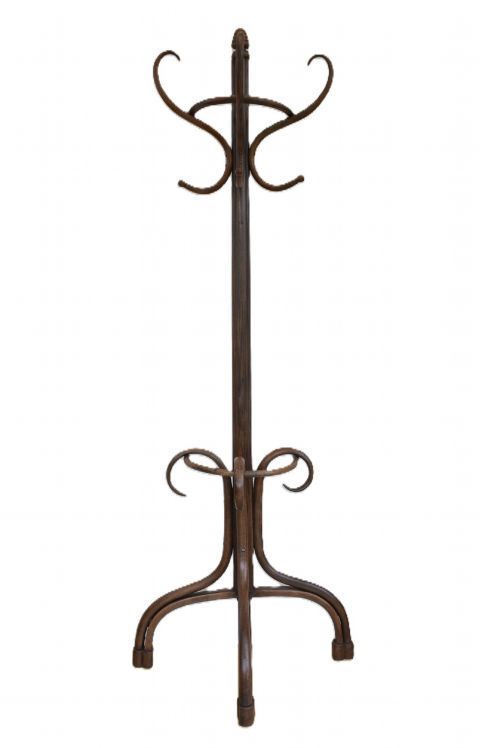
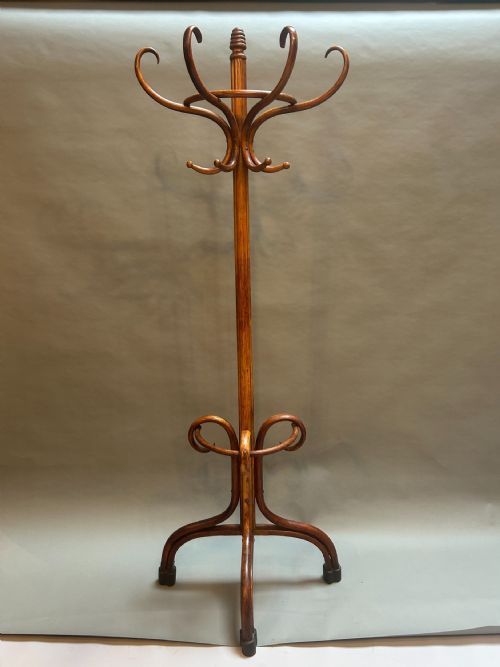
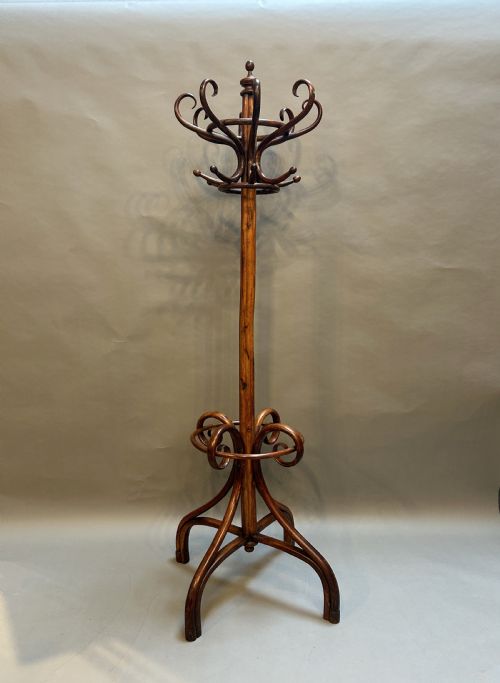
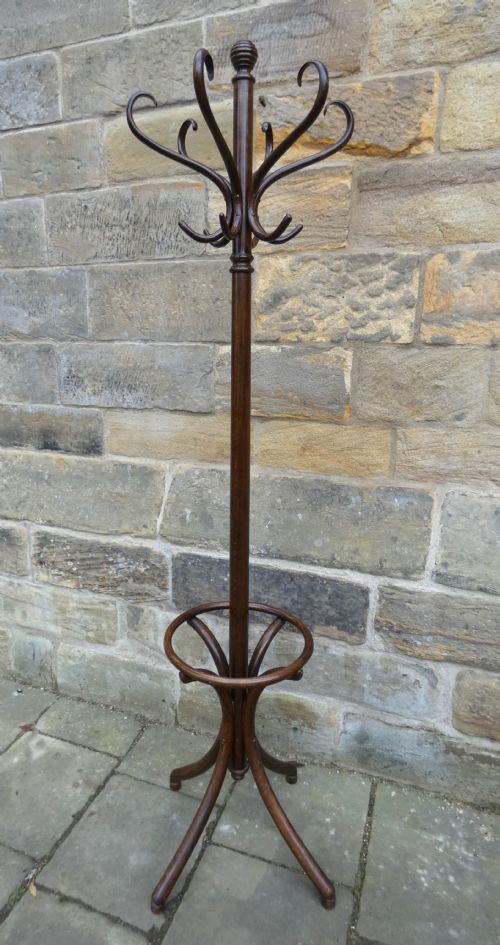
Antique Bentwood Stand
An antique bentwood stand brings slender, steamed-wood curves and practical hall storage into an interior.
Antique Bentwood Stand
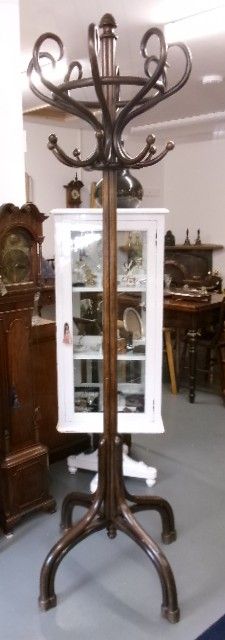
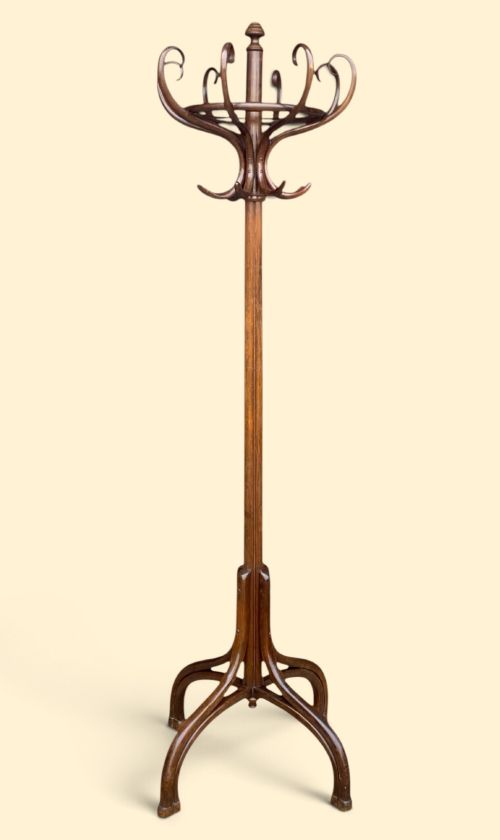
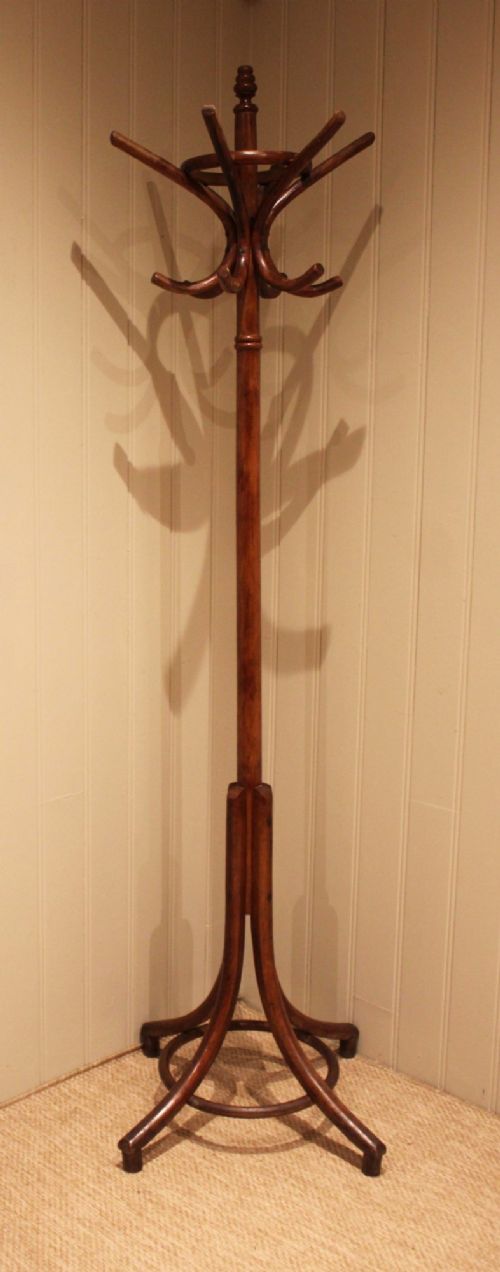
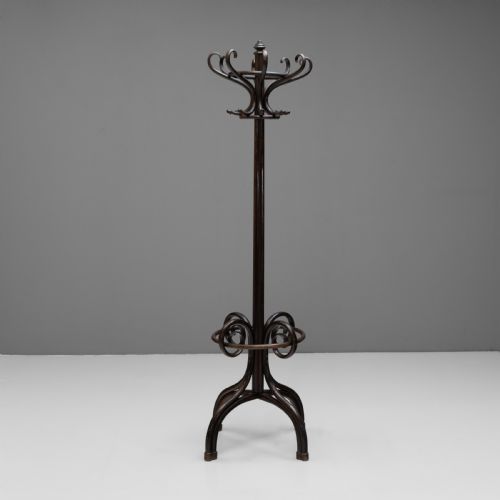
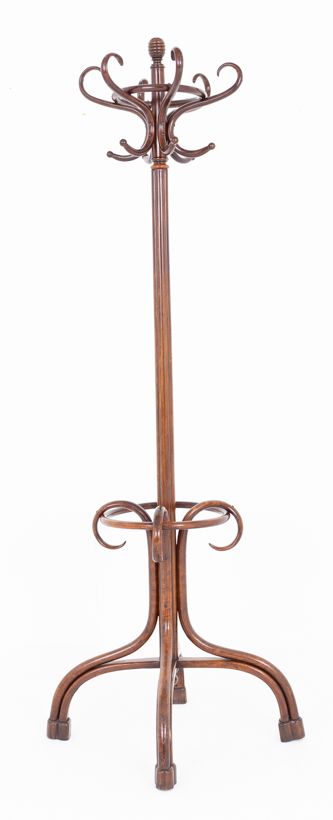
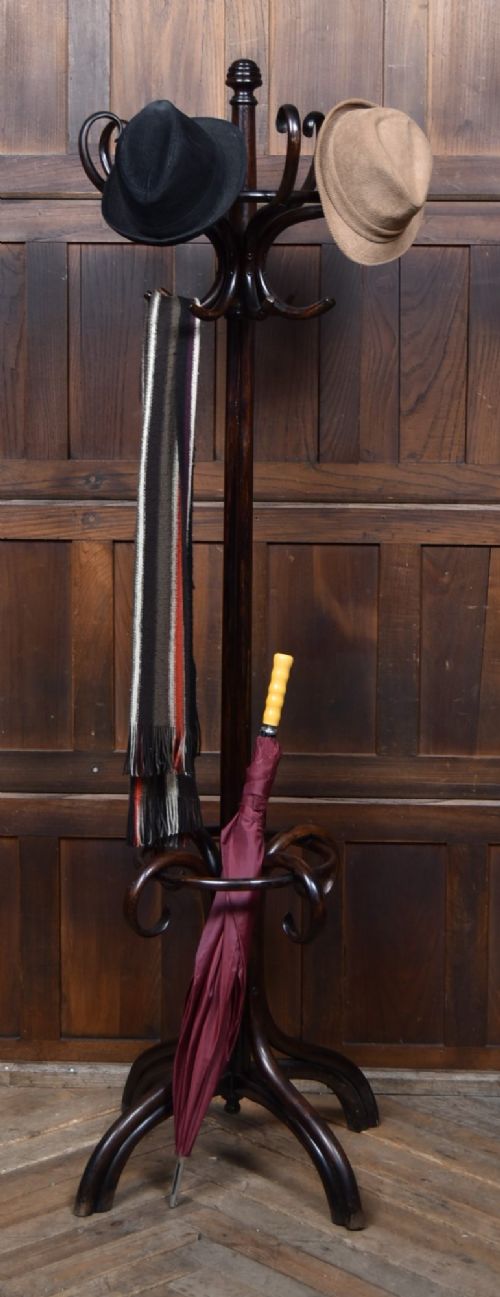
When you search for an antique bentwood stand, you find vertical furniture designed primarily for hanging coats, hats, umbrellas, and sticks in hallways and entrances. The most common examples on this page are tall coat and hat stands, alongside specialised variations like revolving stands, half-round hall stands, and umbrella holders.
These pieces emerge predominantly from the Victorian, Edwardian, and early twentieth-century periods, spanning the nineteenth century up to the 1930s. Makers and designers of this era utilised steam-bending techniques to produce lightweight yet robust domestic furniture with distinctive looping forms.
Distinguishing quality in bentwood furniture
Quality rests in the complexity of the steam-bent framework, the retention of original finish, and the structural integrity of the joints. Finer examples display intricate multi-tiered scrollwork, double top crowns, or revolving mechanisms that operate smoothly without leaning.
Attribution plays a role, with documented works by prominent manufacturers commanding greater interest than unmarked pieces of the same period. The crispness of the curved profiles and the absence of clumsy repairs dictate the standing of an individual hall stand.
Antique Bentwood Stand Retail Price Guide 2026
Typical asking prices for bentwood stand among the pieces listed under this phrase on Sellingantiques today, from the lower quarter to the upper quarter. They describe what is for sale here now, not the wider market.
Some tall stands feature revolving tops, allowing you to spin your collection of hats in a circle.
Thonet·Fischel
The Antique Bentwood Stand Glossary
- Bentwood
- Wood that has been heated with steam and bent into curved shapes. It forms the structural foundation of these nineteenth and twentieth-century hall stands.
- Thonet
- A pioneering furniture maker associated with mass-produced bentwood designs. Their workshops produced many of the coat and hat stands seen in this category.
- Demi-lune
- Half-moon shape in furniture design. This term describes wall-standing hall stands and tables with flat backs and curved fronts.
- Fischel
- An Austrian manufacturer of bentwood furniture contemporary with Thonet. Their pieces frequently feature decorative pressed plywood panels and distinctive model styles.
- Hatstand
- A tall vertical stand furnished with pegs for hats and coats. These items often incorporate lower rings for walking sticks and umbrellas.
Antique Bentwood Stand: Frequently Asked Questions
What is an antique bentwood stand used for?
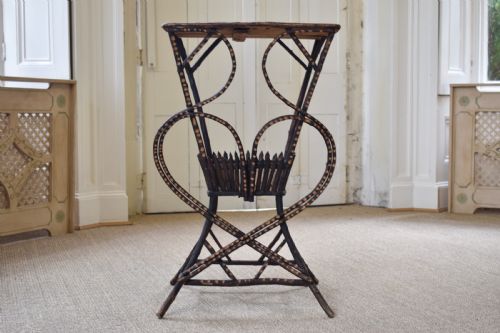
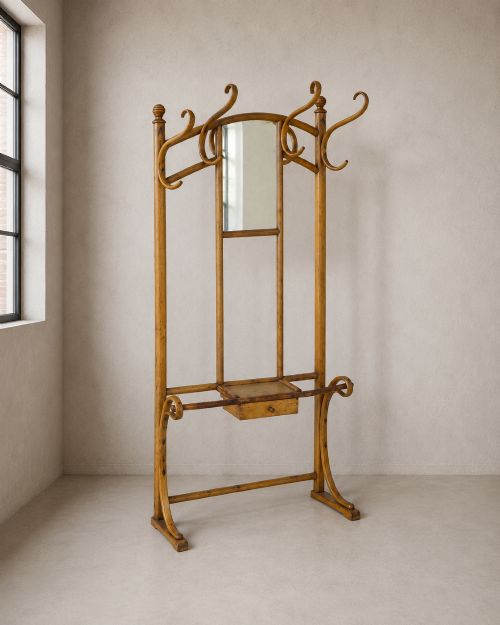
These pieces function primarily as hallway furniture for hanging coats, hats, and scarves while storing umbrellas and walking sticks in upright bases. Some variations include small tables, mirrors, or compartments for accessories.
They offer an open storage solution that keeps entranceways tidy without the visual weight of heavy timber wardrobes or bulky cupboards.
How do I date an antique bentwood stand?
Dating relies on stylistic markers, construction methods, and maker labels associated with periods from the late nineteenth century through to the 1930s. Victorian and Edwardian examples often display heavier turned components or complex Art Nouveau flourishes.
Simpler lines and unadorned frames generally point toward the later decades of the early twentieth century. Examining the joinery and any stamped manufacturer marks underneath provides further chronological context.
Where should I place a bentwood stand in my home?
Entrances, hallways, and boot rooms provide the most authentic context for these vertical stands, accommodating outdoor garments and walking accessories. Their slender profiles also suit narrow corridors where floor space is limited.
Revolving designs work well in corners or open reception spaces where access from multiple angles is beneficial.
Are bentwood stands sturdy enough for daily use?
The steam-bending process creates resilient furniture that distributes weight evenly across curved timber members, making them practical for hanging heavy winter coats. Regular use requires checking that base screws and lower umbrella rings remain firmly secured.
Positioning the stand on an even floor prevents undue stress on individual curved uprights over time.