
Antique Beige Lounge Chairs
These antique beige lounge chairs bring historic seating into modern spaces, offering structured comfort and enduring craftsmanship.
Antique Beige Lounge Chairs
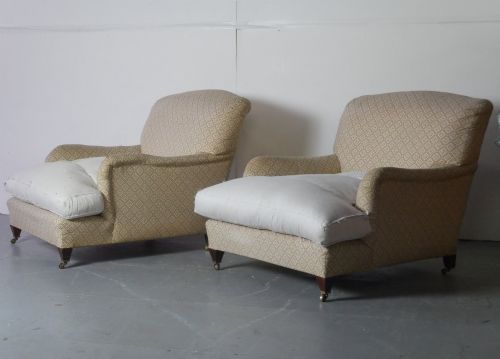
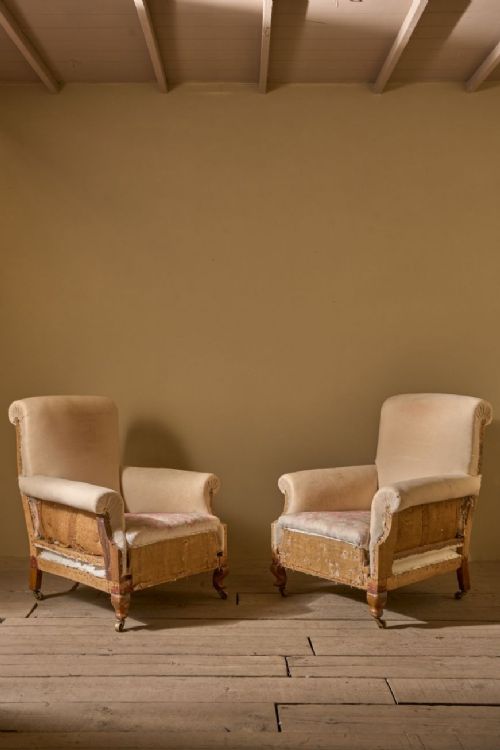
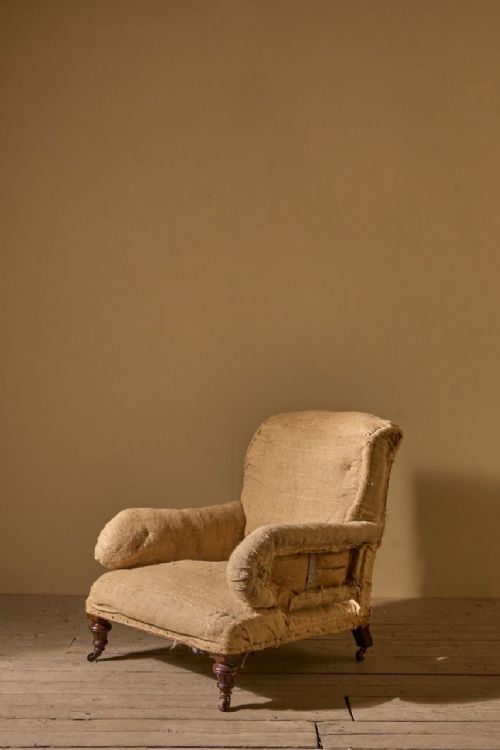
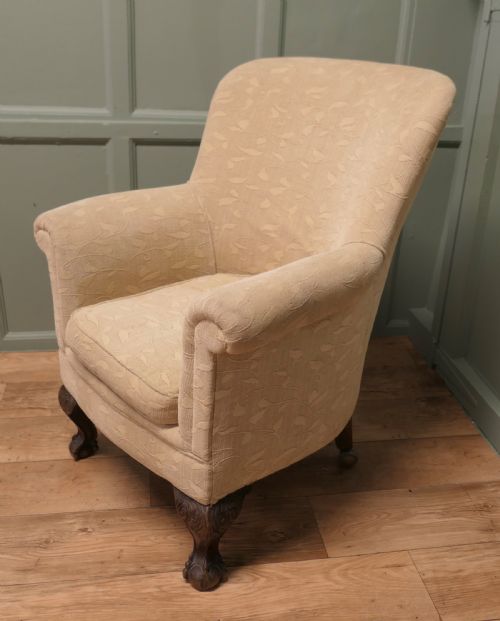
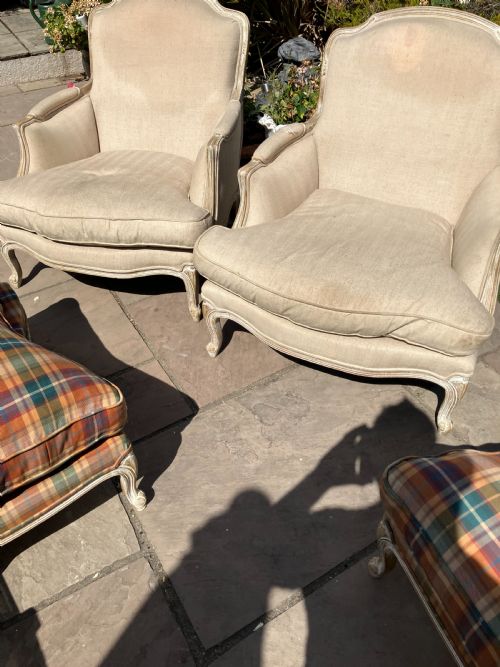
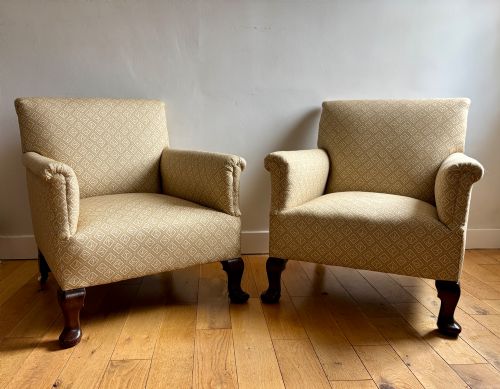
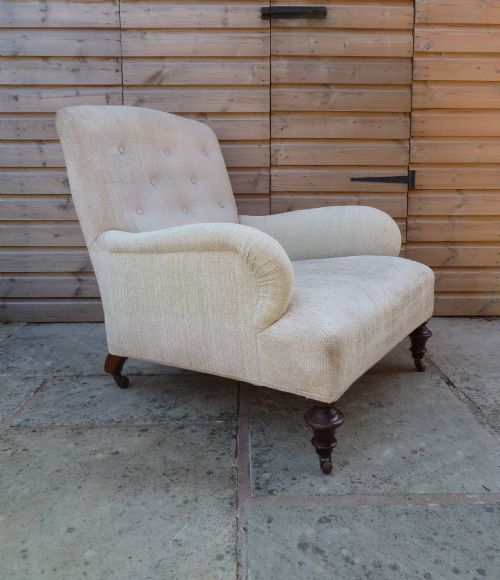
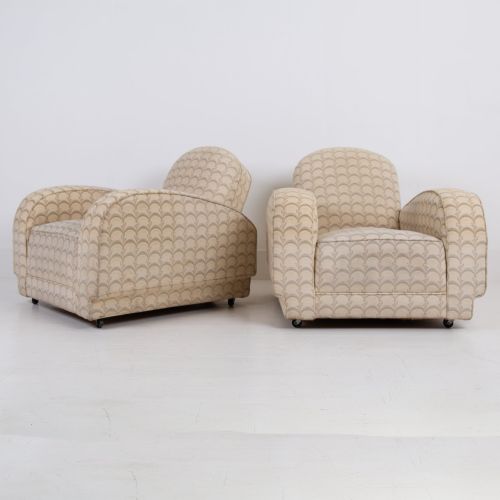
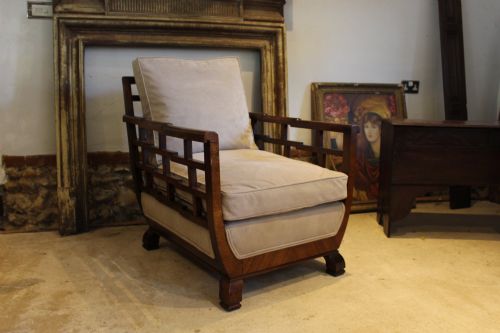
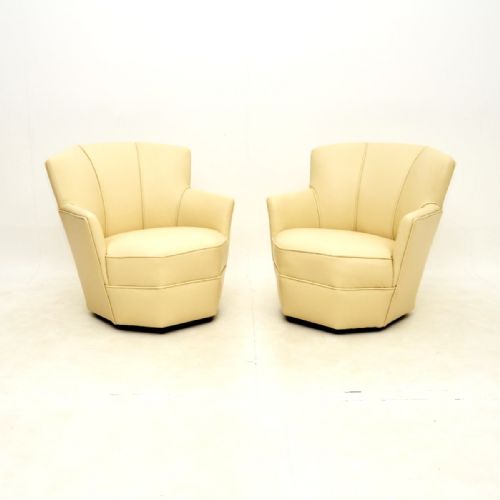
When searching for antique beige lounge chairs, buyers encounter upholstered seating spanning the Victorian, Edwardian, and Art Deco periods, alongside French styles and English country house designs. These pieces encompass armchairs, fireside chairs, library chairs, and occasional chairs that combine textile upholstery with exposed wooden frames.
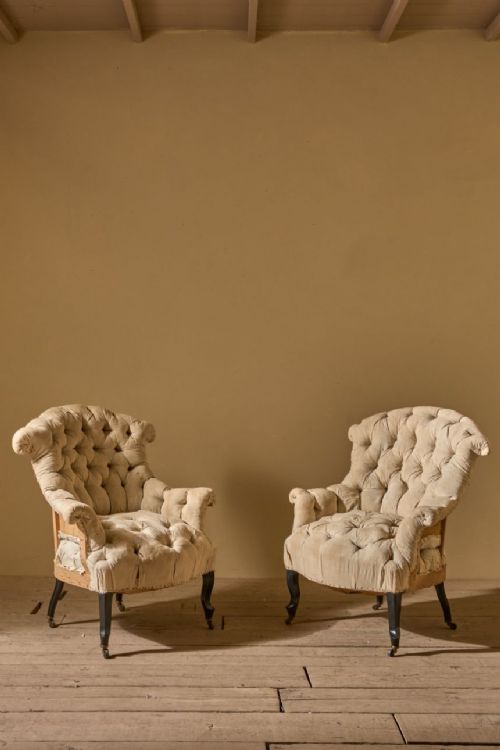
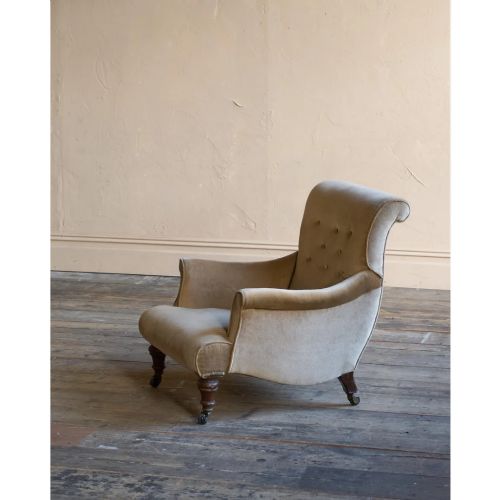
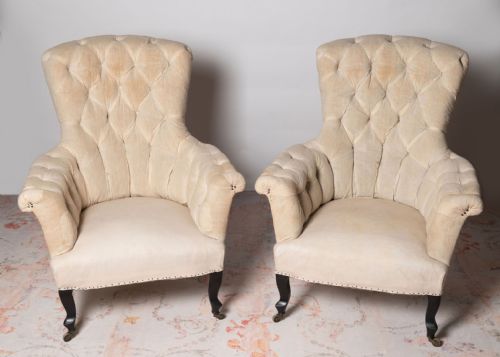
The selection ranges from large proportioned scroll back armchairs and deep seated country house models to buttoned back designs and occasional tub chairs. Mahogany, walnut, and timber frames underpin upholstery in fabrics, velvet, leather, and calf suede, presenting muted and neutral tones suited to traditional and contemporary interiors.
Materials and construction
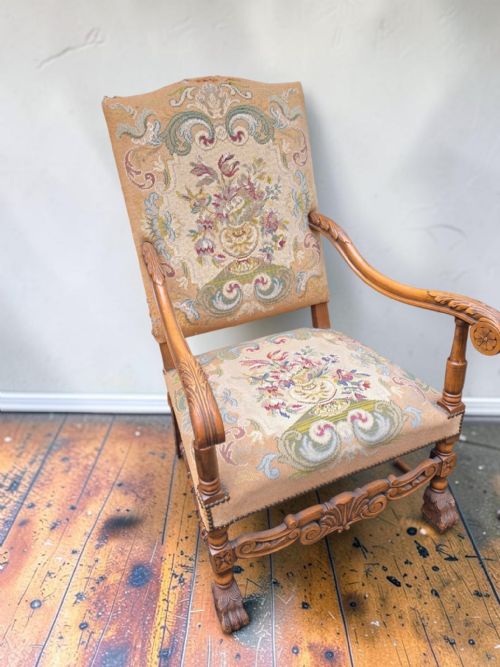
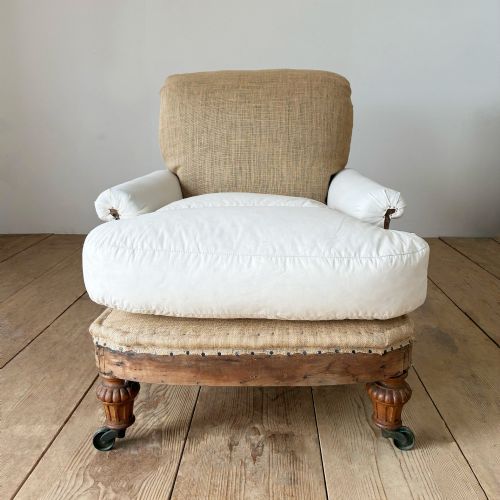
Frames rely on solid hardwoods like mahogany and walnut, occasionally supported by iron internal structures or brass details, ensuring structural integrity beneath the upholstery. Timber components are shaped and turned into scroll backs, cabriole legs, or ball and claw feet.
Upholstery techniques involve deep buttoning, sprung seats, and taut tensioning using fabrics, velvet, leather, tapestry, and calf suede. Hand tacking and precise stitching secure the outer textiles to the internal stuffing and wooden frameworks.
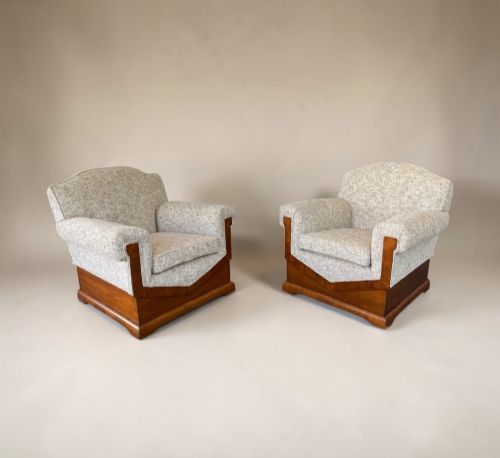
Listings feature walnut, mahogany, and timber frames paired with velvet, leather, and fabric upholstery across Victorian and Art Deco eras.
Assessing craftsmanship and proportion
Superior examples demonstrate balance in their proportions, whether dealing with large country house armchairs or compact fireside seats. The harmony between the exposed woodwork, such as carved walnut or mahogany frames, and the upholstery dictates the visual weight of the piece.
Execution of detail defines the upper tier, visible in the precision of buttoning, the tautness of the fabric or leather, and the integrity of joinery in the underlying timber. Maker attribution, through stamped frames or distinct workshop characteristics, further distinguishes exceptional pieces from standard production.
Whytock and Reid·Howard and Sons·Jas Shoolbred
The Antique Beige Lounge Chairs Glossary
- Scroll back
- A chair back curving backward at the top in a scroll shape. This profile provides ergonomic support and a distinct silhouette.
- Buttoned back
- Upholstery pulled tight and secured with recessed buttons in a grid pattern. This technique creates tufted cushions and holds the internal padding firmly in place.
- Cabriole leg
- A furniture leg featuring a double curve, typically bowing outward at the knee and tapering inward at the ankle. It is characteristic of period seating styles influenced by French design.
- Library chair
- A heavy, comfortable armchair designed for reading rooms and studies. These chairs often feature deep seats and substantial armrests.
- Chaise longue
- An upholstered long chair resembling a sofa combined with a chair for reclining. It allows the user to stretch out fully.
Antique Beige Lounge Chairs: Frequently Asked Questions
How do I clean antique upholstery?
Surface dust should be removed gently using a soft brush attachment on a vacuum, avoiding harsh pressure on delicate historic fabrics or leather.
Professional textile conservation or specialist upholstery cleaning is recommended for deeper stains to protect the original materials.
Are these chairs suitable for daily use?
Many of these sturdy armchairs and lounge chairs were built with robust hardwood frames designed for enduring domestic utility.
Checking the internal webbing and padding helps confirm if a piece requires minor reinforcement before regular sitting.
What defines an English country house style?
This aesthetic combines generous proportions, deep seats, and relaxed upholstery designed for comfort rather than formal display.
Pieces often show signs of comfortable evolution, pairing exposed turned timber legs with soft neutral fabrics.
How do I date a Victorian armchair?
Victorian seating can be dated through stylistic shifts, moving from heavy mahogany frames with elaborate carving in the mid nineteenth century to lighter buttoned forms later on.
Internal construction methods and textile choices also offer clues regarding the specific decade of manufacture.