



Antique Beech Table
An antique beech table brings robust domestic utility and warm grain into a room, offering enduring everyday surfaces from country kitchens to parlours.
Antique Beech Table
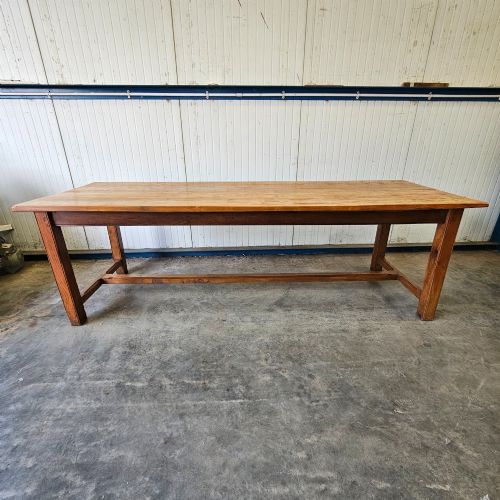
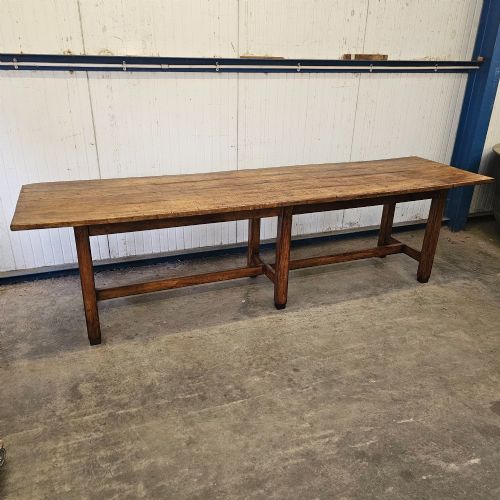
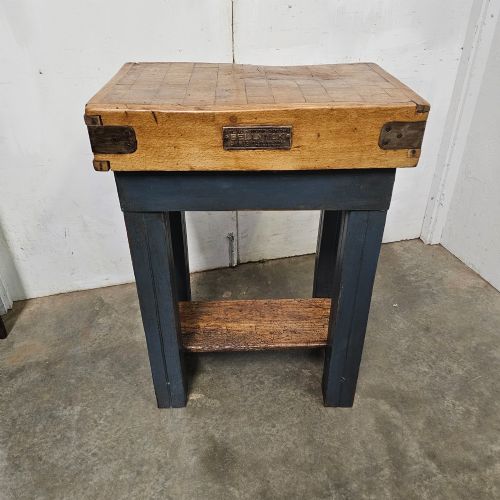
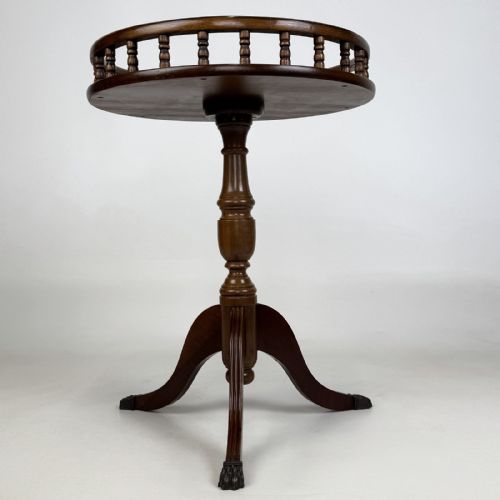
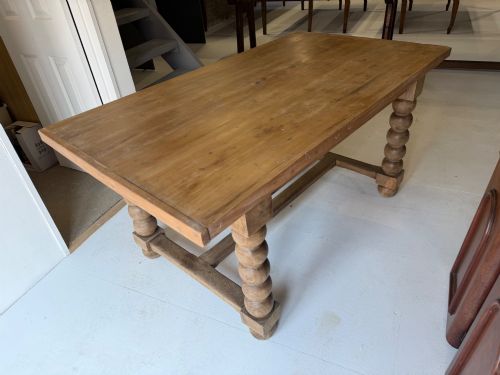
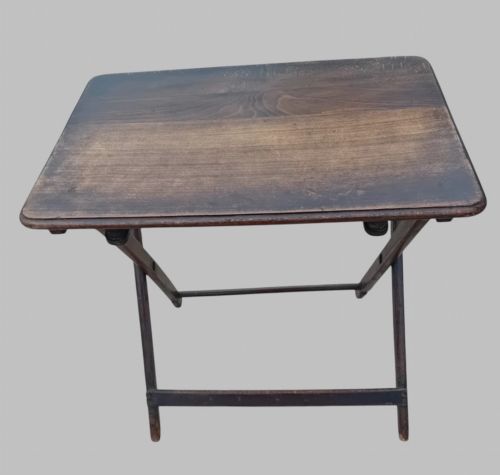
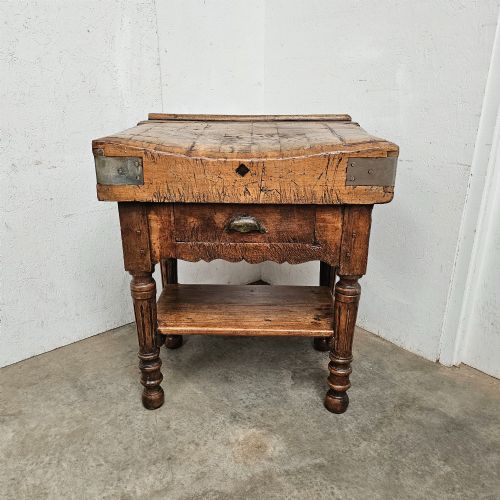
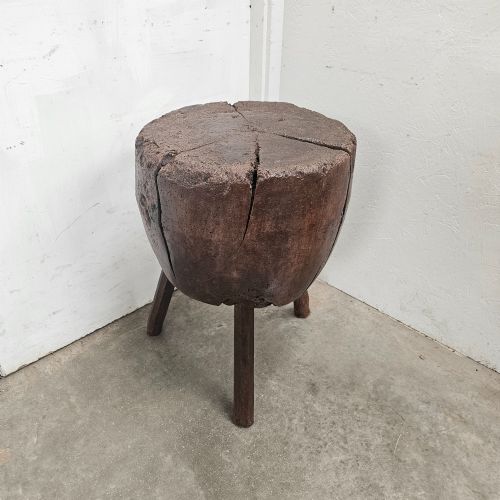
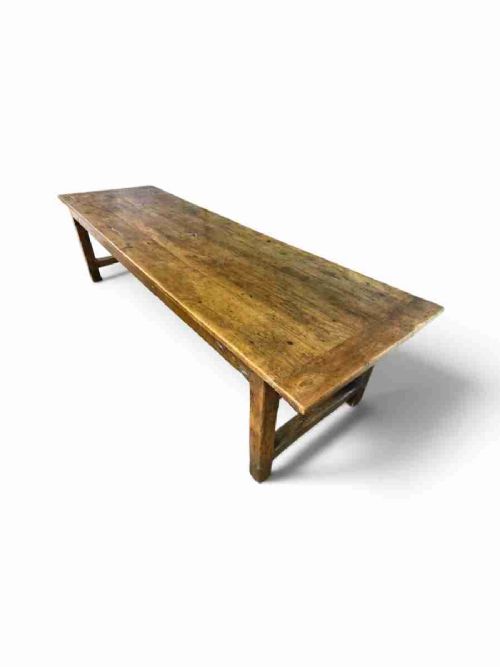
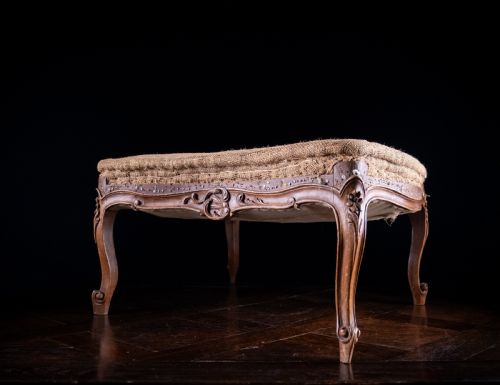
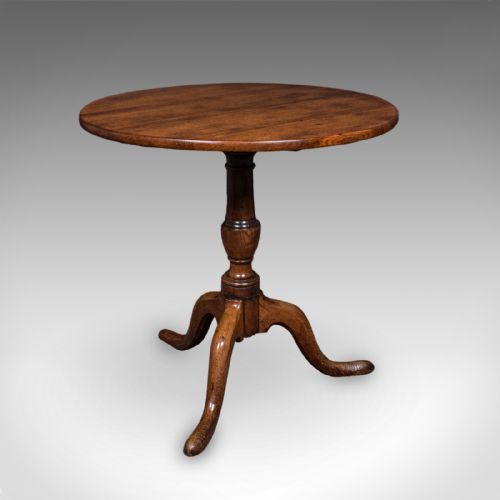
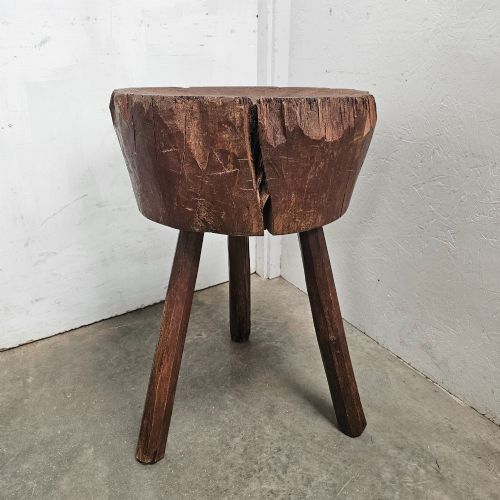
An antique beech table covers a wide domestic spectrum, stretching from heavy utilitarian farmhouses and butchers blocks to lighter occasional and folding campaign pieces. You encounter everything from scrubbed kitchen boards with drawers to decorative tripod side tables and French provincial forms.
The material's natural toughness made it the choice for hardworking surfaces, game blocks, and artisans workbenches, yet its smooth turning qualities also suited bobbin legs and occasional side furniture. These pieces span the eighteenth, nineteenth, and early twentieth centuries, reflecting both English country traditions and continental workshops.
On this page, you are most likely to meet hardworking farmhouse dining tables, compact occasional tables, and utilitarian butcher blocks. They bridge the gap between robust utility and refined provincial style, serving modern interiors with historical character.
How they were made
Joinery relies on solid timber construction, utilising oak alongside beech for structural stability in heavy farmhouse tables and two-plank tops. Folding mechanisms and campaign styles integrate metal and iron hinges for practical portability.
Surfaces show various finishes, from scrubbed natural timber and lime washing to painted schemes, ebonised treatments, and faux bamboo turning. Artisans shaped the dense wood using traditional turning lathes for bobbin and cabriole legs, alongside hand-carving for Louis XV style details.
Antique Beech Table Retail Price Guide 2026
Typical asking prices for beech table among the pieces listed under this phrase on Sellingantiques today, from the lower quarter to the upper quarter. They describe what is for sale here now, not the wider market.
Listings feature pieces spanning the eighteenth century through the 1930s, incorporating beech, oak, iron, and paint.
What varies in quality
Quality rests in the integrity of the timber selection, where dense, well-figured beech heartwood outlasts softer utility grades. The harmony between top planks and underframes dictates whether a piece retains its original stability over centuries of daily use.
Execution of detail separates basic workshop items from finer examples, such as crisp hand-carving on cabriole legs, clean turning on bobbin supports, and the retention of original paint or patinated surfaces.
The Antique Beech Table Glossary
- Campaign style
- Portable furniture designed for travel, featuring folding frames and metal mounts for easy dismantling.
- Bobbin legs
- Turned furniture supports shaped to resemble a string of rounded bobbins or spools, common on nineteenth-century pieces.
- Butchers block
- A thick, solid block of timber used for food preparation, often supported by heavy frames or decorative bases.
- Tripod table
- A small occasional table supported by a central pillar above three splayed legs, sometimes featuring a tilt top.
- Faux bamboo
- Wood turned and painted to imitate the segmented stalks of natural bamboo, popular in the late nineteenth century.
Antique Beech Table: Frequently Asked Questions
What rooms suit an antique beech table?
These tables adapt easily to modern kitchens, dining rooms, and studies where a durable surface is needed. Smaller occasional pieces fit beside armchairs or in hallways.
Their understated timber tones complement both contemporary minimalist spaces and traditional country interiors without dominating the room.
How do I clean an antique beech table?
Dust regularly with a dry cloth and clean occasionally with a slightly damp cloth using mild soap if necessary. Avoid harsh chemical polishes that strip historical wax finishes.
Waxing once or twice a year preserves the moisture and natural sheen of the timber.
Are beech tables durable for daily dining?
Beech is a hard, dense domestic timber traditionally chosen for items requiring strength and impact resistance. Tables built from this wood handle regular family meals and kitchen tasks reliably.
Using heat mats and coasters protects the historic surface from rings and marks.
How can I tell the age of the table?
Examine the construction methods, tool marks beneath the top, and the type of fixings used in the frame. Hand-cut joinery and signs of historical wear often point to eighteenth or early nineteenth-century origins.
Comparing the turning style and secondary woods like oak provides further clues to the period.