




Antique Beech Accent Chair
An antique beech accent chair brings warmth and character to a room, offering practical seating shaped by centuries of craftsmanship.
Antique Beech Accent Chair
Many examples date from the Victorian and Edwardian eras, alongside earlier Georgian and Regency pieces and later Arts and Crafts interpretations. These occasional and fireside seats served diverse domestic functions, from morning room use to hallway placement.
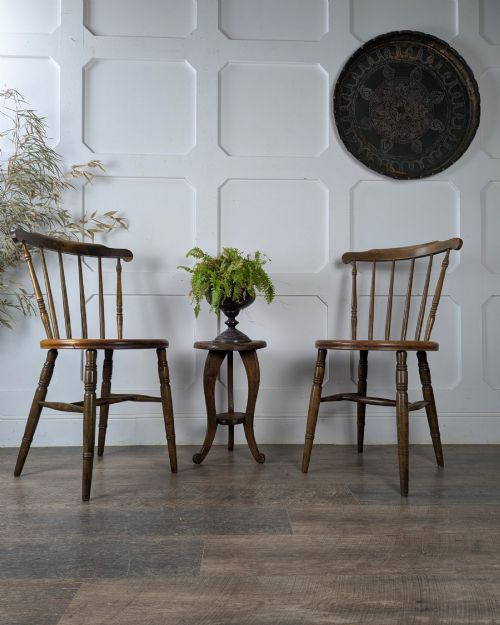
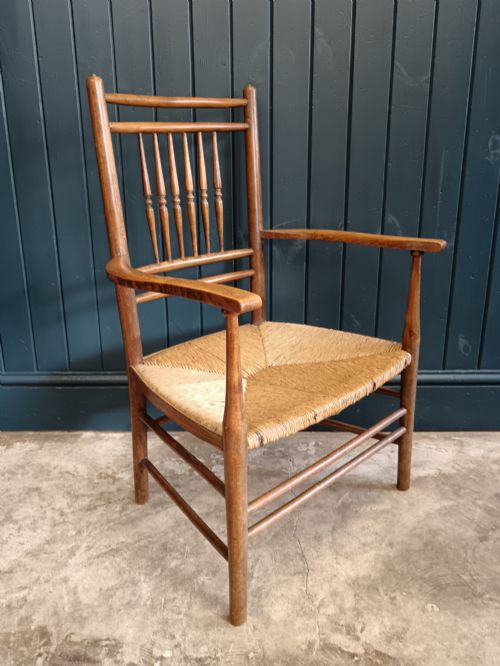
Constructed primarily from solid beech, these chairs frequently incorporate rush, elm, and painted or stained finishes to achieve distinctive decorative effects. Their forms range from simple spindle backs to elaborate carved frames and bentwood profiles.
Materials and construction methods
Makers utilised beech for its strength and fine grain, often combining it with elm for solid seats or rush for woven drop-in panels. Steam-bending techniques allowed craftsmen to shape timber into curved components for rocking chairs and art nouveau frames.
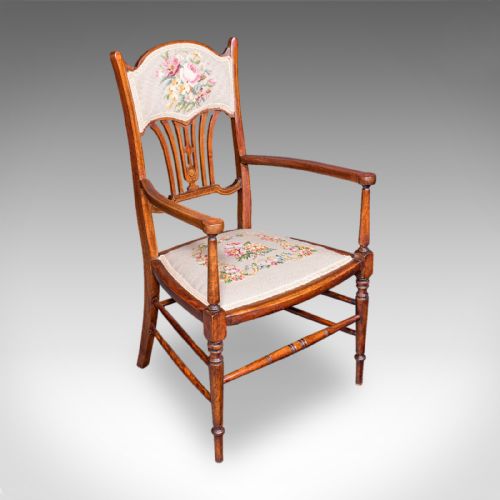
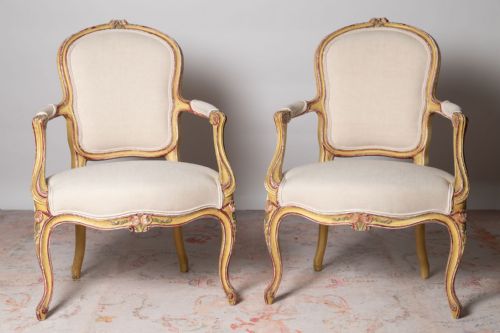
Surface treatments included traditional paint, polychrome decoration, and dark stains designed to mimic more costly hardwoods. Brass accents and floral inlay work occasionally supplemented the timber structure on refined occasional chairs.
Antique Beech Accent Chair Retail Price Guide 2026
Typical asking prices for beech accent chair among the pieces listed under this phrase on Sellingantiques today, from the lower quarter to the upper quarter. They describe what is for sale here now, not the wider market.
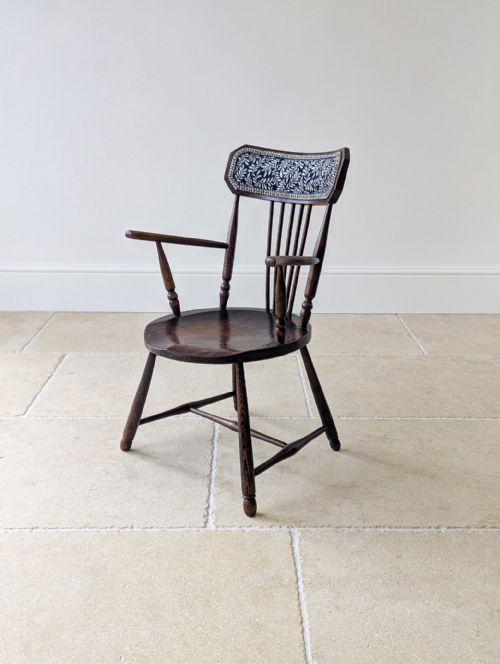
One unusual Orkney chair made of stained beech brings rugged northern vernacular charm straight to the fireside.
Judging quality in beech seating
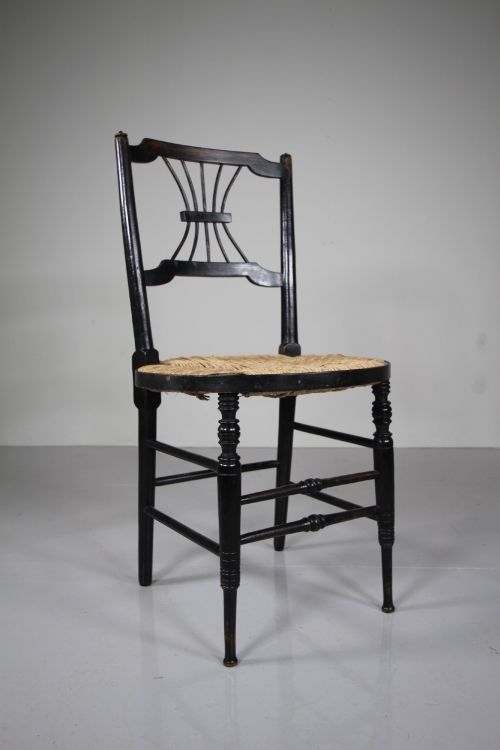
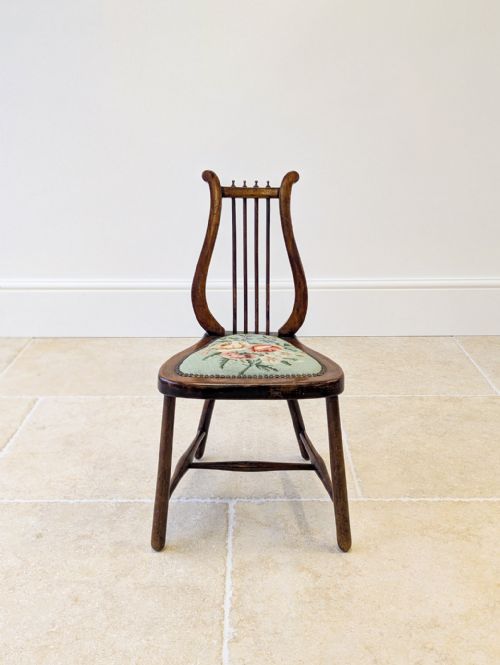
Quality rests in the integrity of the joinery and the crispness of any carved or turned detail, whether on a spindle back or a lyre-back frame. Superior examples retain their original rush or tight woven seating and show careful selection of the timber grain.
The distinction between standard utility furniture and finer pieces lies in the precision of the turning and the harmony of the proportions. Original painted surfaces or well-preserved polychrome decoration elevate the standing of a chair compared to later stripped or refinished examples.
Jacob and Josef Kohn·Liberty of London
The Antique Beech Accent Chair Glossary
- Beech
- A dense, pale hardwood commonly used in European chair-making for its excellent bending and turning properties. It frequently accepts stains and paint readily.
- Rush
- Dried marsh grass twisted into cords and woven to form flexible, durable seat panels on traditional chairs. It appears often on Arts and Crafts and vernacular seating.
- Bentwood
- Wood softened by steam and bent under pressure into curved structural shapes. This technique defines many rocking chairs and continental seating designs.
- Carver
- An armchair, typically larger and with elbow supports, designed to match a set of smaller dining or side chairs. These often stood at the heads of dining tables.
- Occasional chair
- A light, movable chair intended for use in various rooms rather than a permanent fireside or dining position. These often feature decorative backs and inlaid details.
Antique Beech Accent Chair: Frequently Asked Questions
What periods do these beech chairs cover?
The pieces span from the late seventeenth century through the Georgian, Victorian, and Edwardian eras into the early twentieth century.
Victorian and Edwardian examples appear most frequently, alongside Arts and Crafts movements and occasional earlier eighteenth-century designs.
How were these chairs used originally?
These versatile seats served multiple domestic purposes in morning rooms, bedrooms, halls, and fireside settings.
Specific forms like rocking chairs, elbow chairs, and occasional side seats accommodated daily lounging, reading, and entertaining.
What materials accompany beech in these listings?
Beech frequently partners with rush for woven seats, elm for solid timber panels, and brass for subtle structural or decorative hardware.
Some examples also feature painted surfaces, polychrome decoration, floral inlay, or dark stains.
How do I distinguish Arts and Crafts examples?
Arts and Crafts pieces often display honest construction with visible joinery, spindle backs, and natural rush seating.
They frequently draw inspiration from traditional vernacular forms like the Sussex chair or regional Windsor designs.