

Antique Bedside Furniture
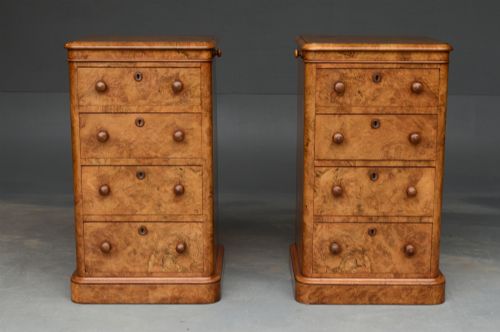
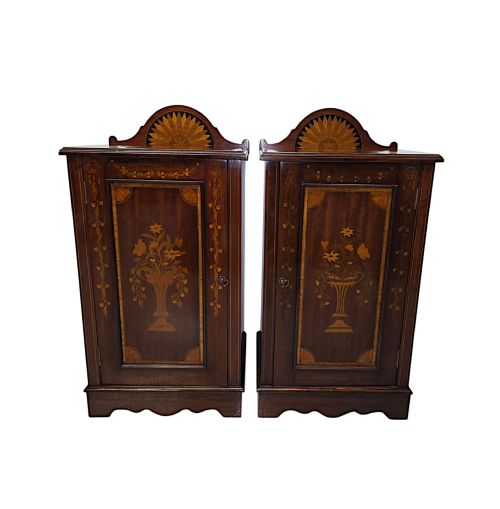
Antique bedside furniture spans compact Victorian burr walnut chests, Edwardian cabinets, and Art Deco designs that elevate any sleeping quarters.
Antique Bedside Furniture
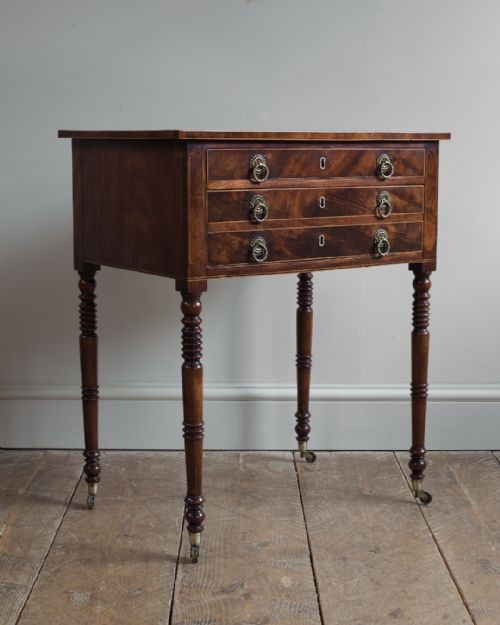
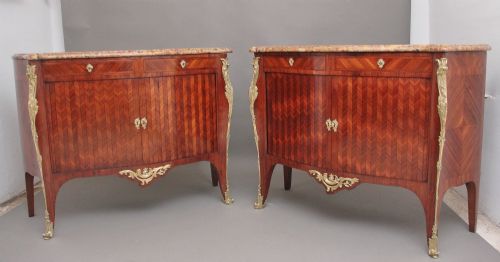
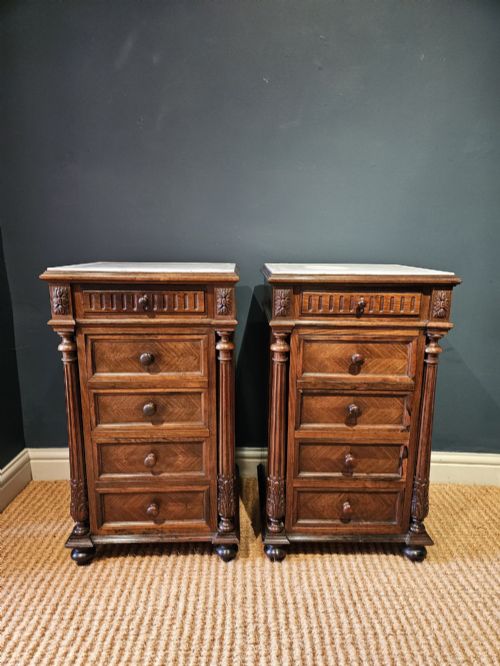
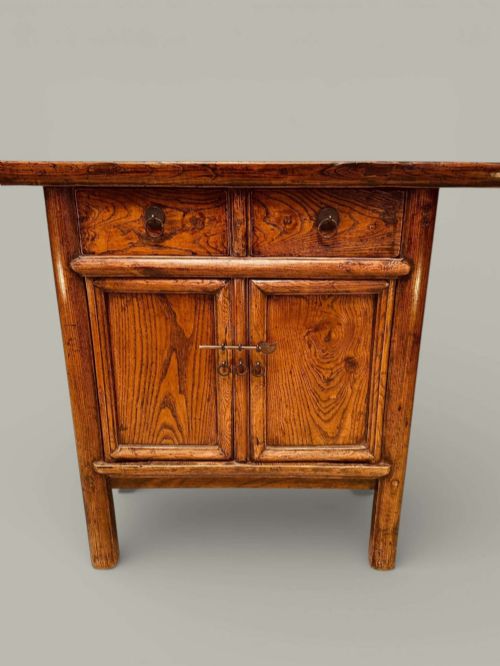
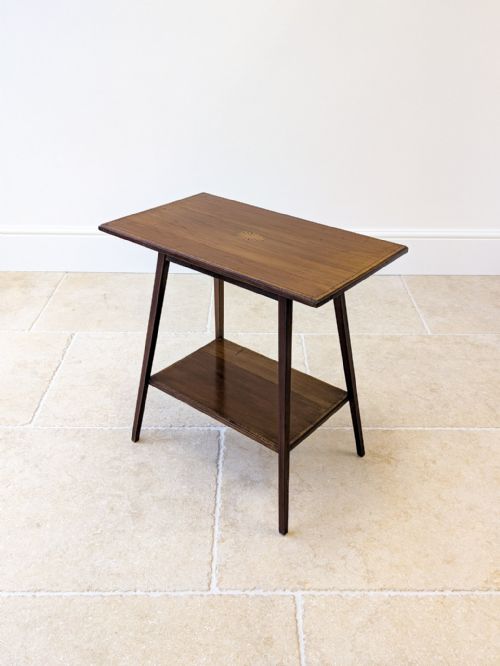
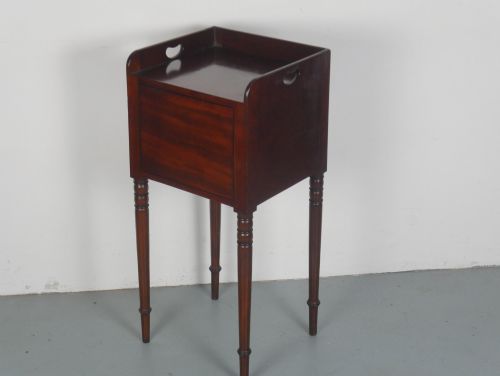
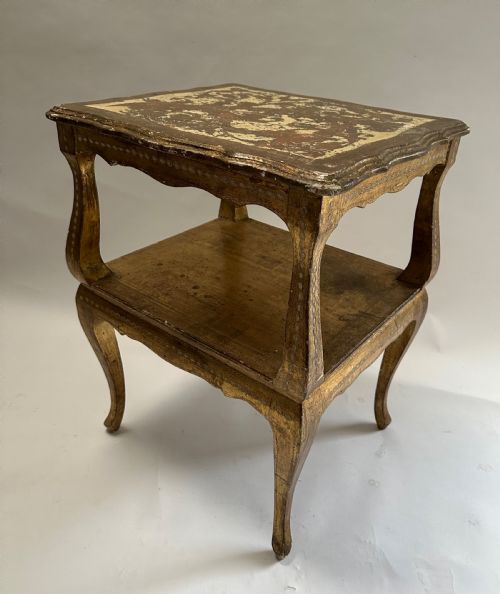
Antique bedside furniture encompasses small tables, cabinets, cupboards, and chests designed specifically for use beside a bed. When you search for antique bedside furniture, you encounter pieces originating from the Georgian period through the 1930s.
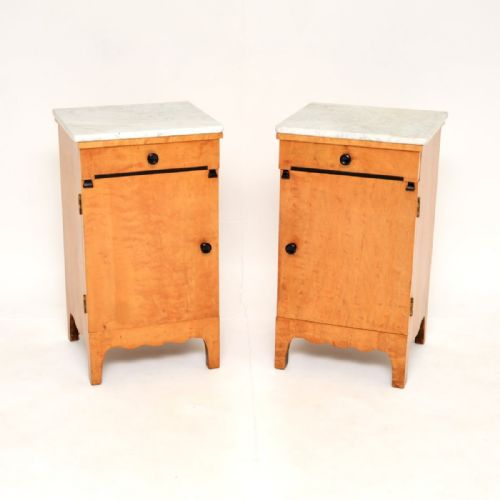
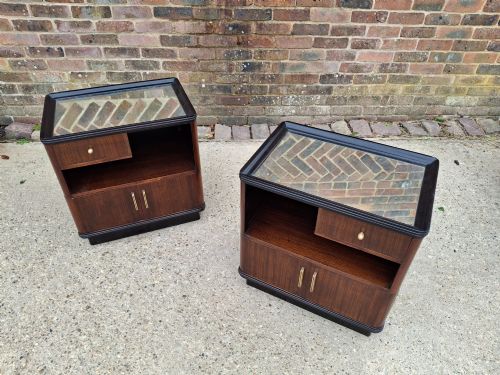
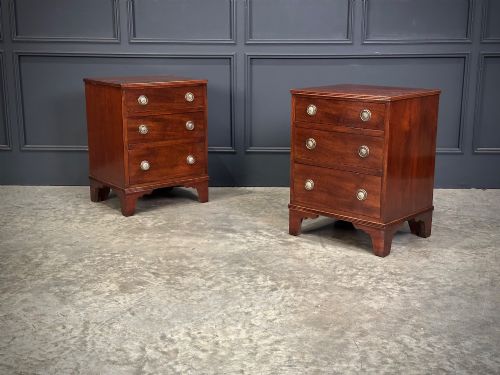
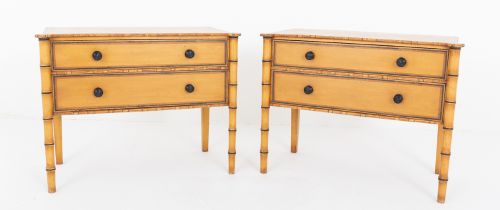
Makers often fashioned these items in matched pairs, though single tables and cabinets also appear frequently. Their compact proportions make them versatile additions to modern bedrooms as lamp tables or small storage units.
How they were made
Cabinet makers utilised dense hardwoods such as mahogany, walnut, and oak as the structural foundation for these pieces. Burr walnut and satinwood veneers frequently provided decorative surface figuring on Victorian and Edwardian doors and drawer fronts.
Many cabinets incorporate inset marble tops for durability, whilst others utilise brass hardware, hand-painted details, or ormolu mounts. Joinery techniques relied on traditional dovetailing for drawers and mortise and tenon joints for frames.
Antique Bedside Furniture Retail Price Guide 2026
Typical asking prices for bedside furniture among the pieces listed under this phrase on Sellingantiques today, from the lower quarter to the upper quarter. They describe what is for sale here now, not the wider market.
Listings feature bedside furniture spanning the 18th century through to 1930, encompassing mahogany, walnut, oak, and painted finishes.
What varies in quality
The choice of timber and veneer selection dictates much of the visual distinction between standard pieces and finer examples. Highly figured burr walnut or carefully matched satinwood indicate superior cabinet making.
Denby & Spinks·Maple & Co·Morant & Co·Warings Liverpool·Waring & Gillows·Holland & Sons
The Antique Bedside Furniture Glossary
- Commode
- A low cabinet or chest of drawers, often featuring enclosed storage or a cupboard door below the main surface. In earlier centuries, many contained receptacles for chamber pots.
- Washstand
- A table or small cabinet designed to hold a wash basin and jug, often converted for modern bedside use. Georgian and Victorian examples frequently include fold-away tops or raised splashbacks.
- Pedestal cupboard
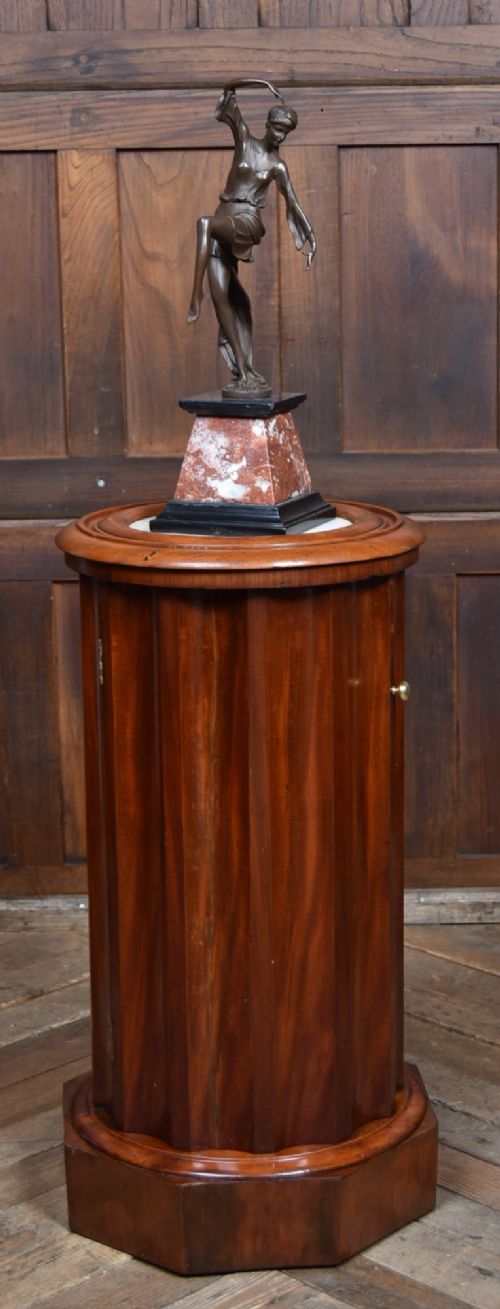
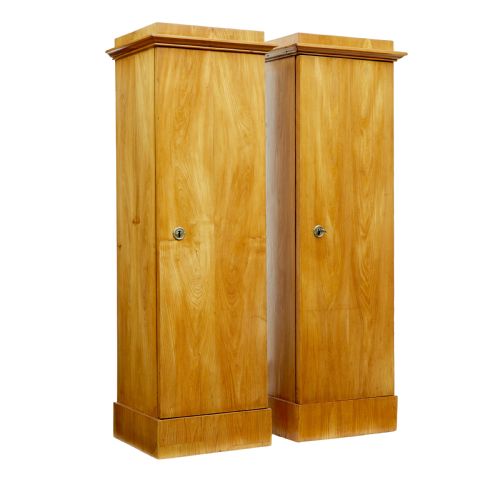
- A single-door cabinet standing on a plinth base, designed to sit neatly beside a bed. These often contain interior shelving for storing night-time essentials.
- Burr walnut
- Timber taken from a walnut tree growth or burl, yielding swirling, highly decorative grain patterns. Cabinet makers utilised it as a veneer on high-end Victorian and Edwardian furniture.
Antique Bedside Furniture: Frequently Asked Questions
Are bedside cabinets usually found in pairs?
Many Victorian and Edwardian bedside cabinets were manufactured as matching pairs to flank a larger bedframe. Single pieces also appear regularly from various periods.
Finding a matched pair often depends on the original bedroom suite commissioning, whilst single tables frequently served as standalone lamp or side surfaces.
How do I distinguish Edwardian pieces from Victorian ones?
Victorian furniture frequently displays heavier proportions, darker mahogany timbers, and richer carved details. Edwardian pieces often exhibit lighter woods such as satinwood, simpler lines, and delicate inlaid decoration.
Examining the internal drawer linings and secondary timbers provides further clues regarding the manufacturing decade.
What maintenance do polished wood surfaces require?
Polished mahogany and walnut surfaces benefit from occasional waxing to nourish the timber and maintain a gentle sheen. Avoid placing damp items directly onto antique wood.
Keeping pieces away from direct heat sources prevents the timber from drying out and protects delicate veneer work.