


Antique Bedroom Fireside Chair
An antique bedroom fireside chair brings low seating and soft upholstery to a quiet corner.
Antique Bedroom Fireside Chair
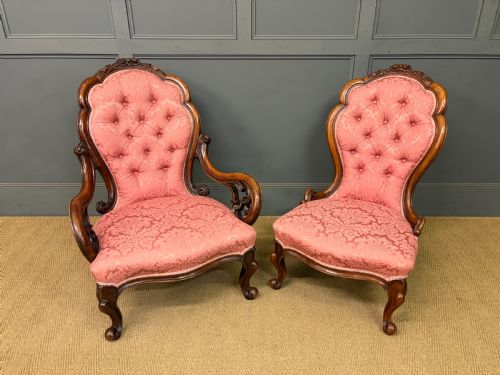
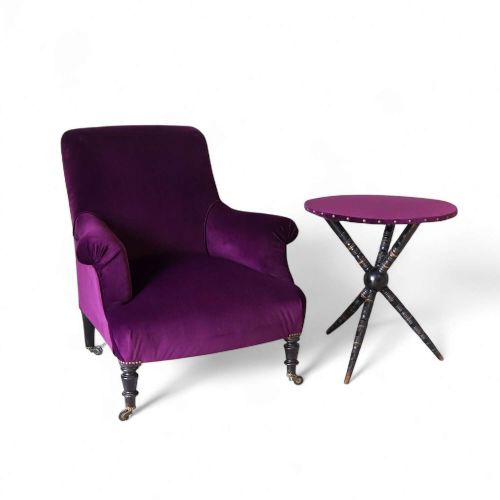
An antique bedroom fireside chair is a low-slung seat designed for private chambers, dressing rooms, and hearths. You will most frequently meet Victorian and Edwardian examples on this page, alongside nineteenth-century French pieces.
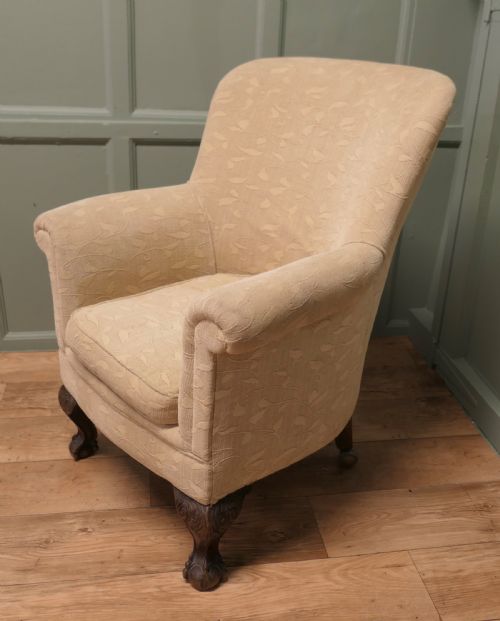
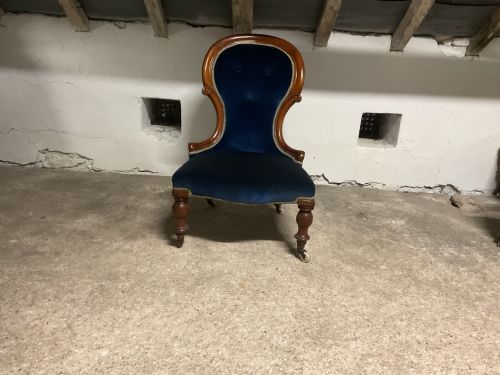
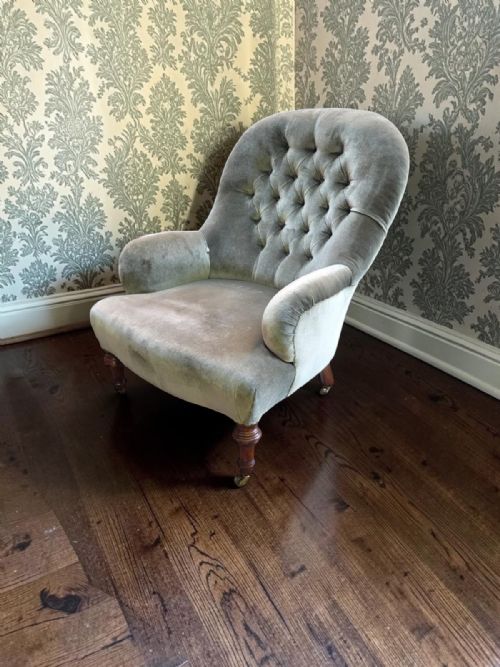
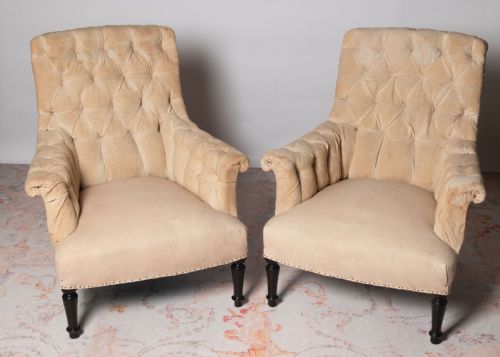
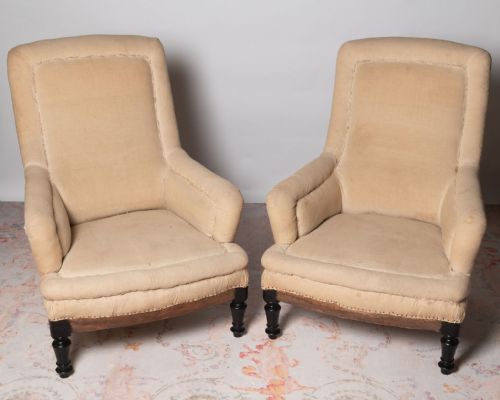
The selection encompasses nursing chairs, slipper chairs, tub chairs, and occasional armchairs. These forms offer supportive backs and compact proportions suited to smaller spaces.
Origins span English workshops and French ateliers, bringing varied regional turns to the basic fireside form. Makers such as Howard and Sons, Wheeler of Arncroach, and Harrods appear among the English pieces.
How they were made
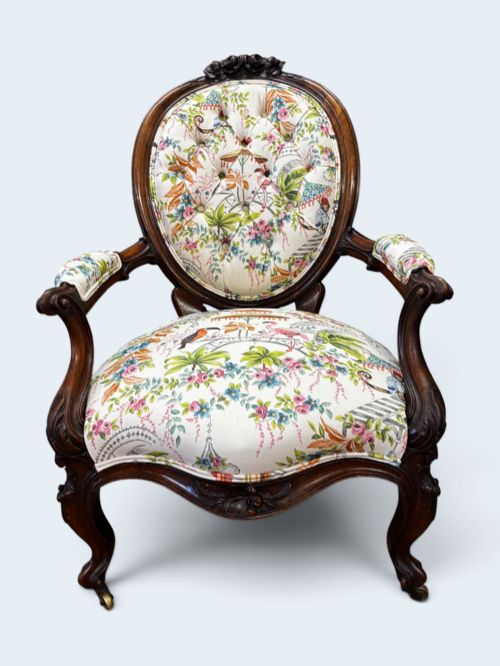
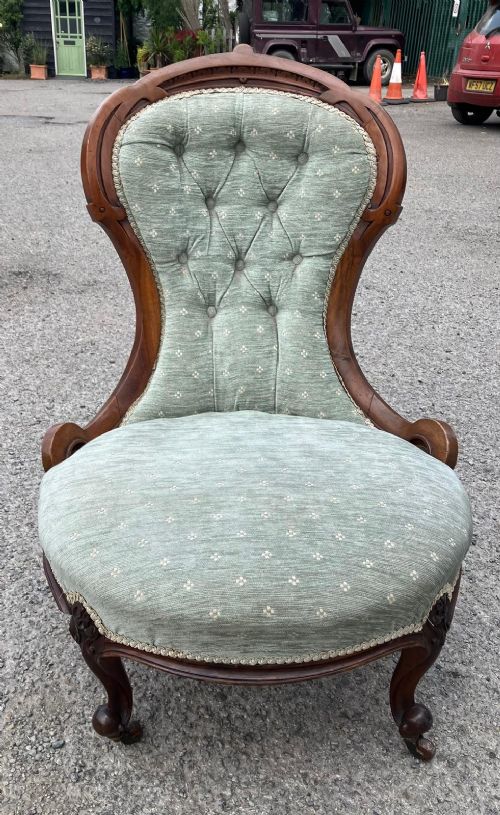
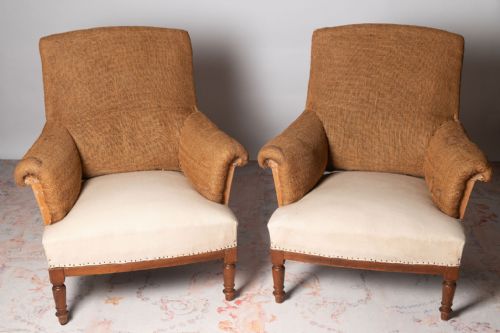
Frames rely on solid timbers including mahogany, walnut, rosewood, and ebonised wood. Carved details, barley twist supports, and bobbin legs shape the wooden structures.
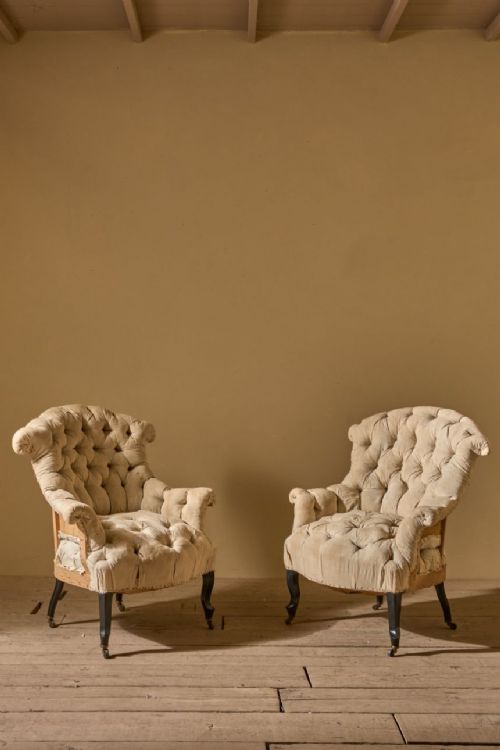
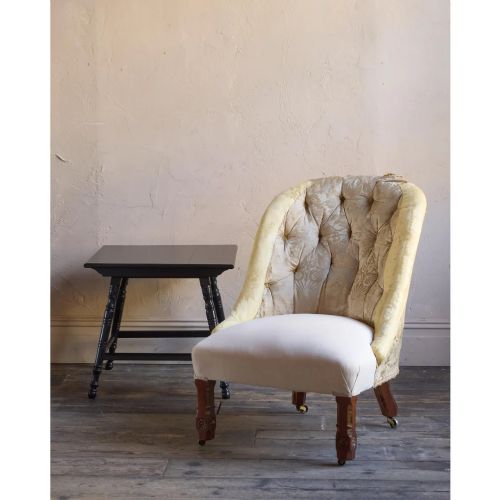
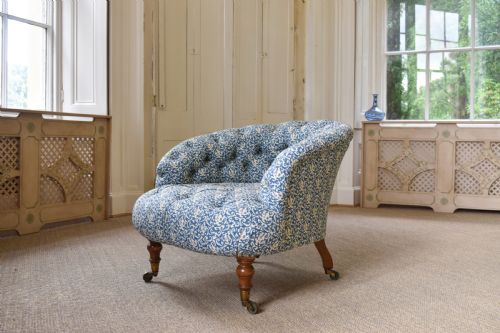
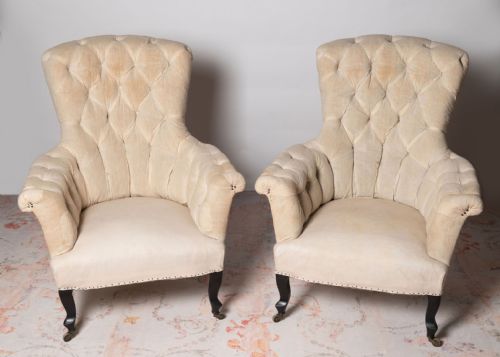
Upholstery employs traditional stuffing covered in fabrics such as velvet, calico, and leather. Button backs and scrolled arms complete the classic upholstered finish.
Listings span the nineteenth and early twentieth centuries, featuring Victorian, Edwardian, and Napoleon III periods alongside French and English origins.
What varies in quality
The standard of the timber framing dictates much of the distinction, from simple turned legs to deeply carved rosewood or walnut structures. Heavier proportions and refined joinery mark out the superior examples.
The upholstery work and frame integrity separate the ordinary from the exceptional. Original maker stamps on the frame or brass castors elevate a piece above standard workshop output.
Howard and Sons·Wheeler Of Arncroach·Harrods London
The Antique Bedroom Fireside Chair Glossary
- Nursing chair
- A low-seated chair traditionally used by women for nursing infants. These pieces typically feature a low profile and an upholstered back.
- Slipper chair
- An upholstered chair with very low legs designed for bedrooms and dressing rooms. The low height made it convenient for putting on shoes.
- Tub chair
- An armchair with a rounded, curved back that wraps around the user. The continuous back and arms form a tub-like shape.
- Barley twist
- A turned wooden furniture leg or support resembling a twisted rope. This technique was popular in Victorian joinery.
- Button back
- An upholstery style where buttons are pulled deep into the padding to create a diamond pattern. This secures the filling and adds texture.
Antique Bedroom Fireside Chair: Frequently Asked Questions
Where should I put an antique fireside chair?
These compact chairs suit bedrooms, dressing rooms, and quiet reading corners. Their low profile prevents them from overwhelming smaller spaces.
They also sit comfortably beside a fireplace where low seating is traditionally welcomed.
How do I identify a Victorian nursing chair?
Victorian nursing chairs typically feature very low seats paired with tall, padded backs. This specific proportion was designed for comfort while tending to infants.
Walnut or mahogany frames with carved details or button-backed upholstery frequently define the style.
What is the difference between a slipper chair and a nursing chair?
Slipper chairs sit low to the ground and traditionally served in bedrooms for changing shoes. They often feature simple, upholstered lines without prominent arms.
Nursing chairs share the low seat height but usually include a supportive back and sometimes arms for holding a child.
Are these chairs comfortable for modern use?
The deep padding and sprung seats of nineteenth-century armchairs offer genuine comfort. Many retain supportive internal webbing and traditional stuffing.
Some pieces require new upholstery or re-webbing to restore their original comfort level for daily sitting.