




Antique Beach Artwork
These antique beach artwork pieces capture the shifting light of coasts, harbours and fishing communities across centuries.
Antique Beach Artwork
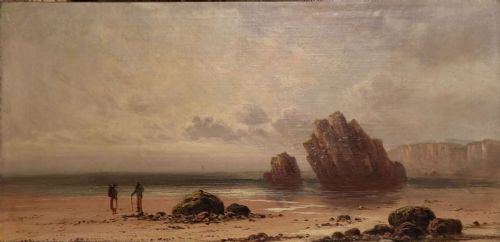
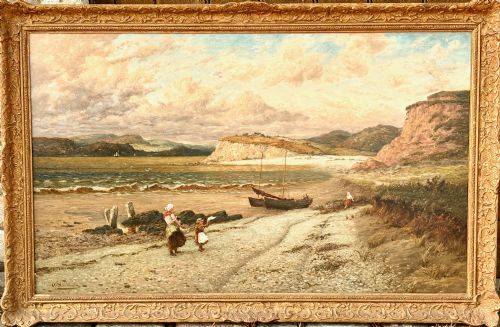
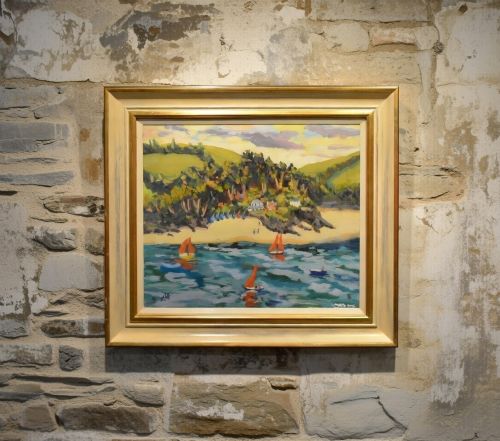
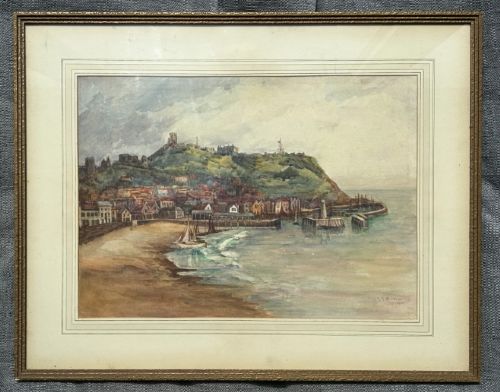
Buyers exploring antique beach artwork encounter a rich record of coastal life, captured through oil paintings, watercolours and wall art spanning the eighteenth century to the mid-twentieth century. The selection ranges widely across British and European shores, depicting rocky beaches, busy harbours and quiet stretches of sand.
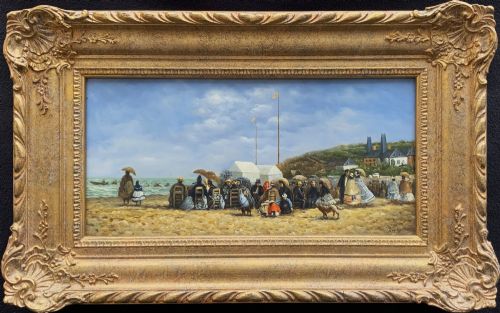
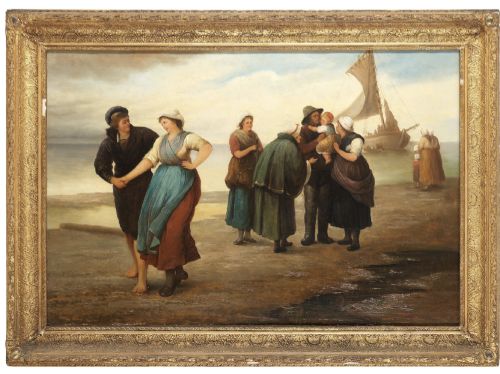
The most common pieces on this page are nineteenth-century and early twentieth-century watercolours and oil paintings. These works frequently document traditional coastal scenes, including fishing boats, seaweed gatherers and figures resting by the shore.
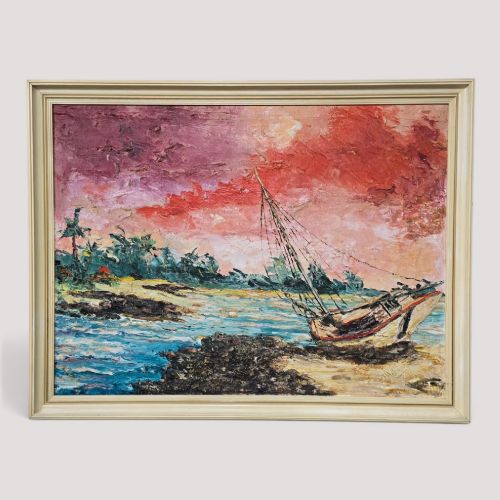
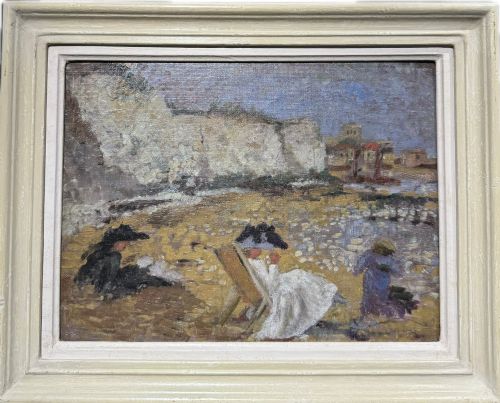
The collection embraces various artistic movements, from Victorian marine painting and British Impressionism to Post-Impressionism and Modern British styles. This diversity reflects how generations of painters turned to the coast to record both the drama of the sea and the daily toil of seaside communities.
Materials and techniques
Painters relied upon traditional supports such as canvas, paper and wood panels to build their coastal compositions. Oil paint and watercolour formed the primary mediums, allowing artists to capture the translucent quality of water and the heavy atmosphere of sea mists.
Many works retain their period framing, utilising giltwood or ebonised timber to complement the palette of the painting. The application ranges from tight, realistic brushwork in Victorian marine pieces to looser, more expressive handling found in later impressionist works.
Listings feature works from the eighteenth, nineteenth and twentieth centuries, utilising oil, watercolour, canvas and paper.
Distinctions in quality
Quality within these coastal works rests upon the artist's ability to render light, atmosphere and movement convincingly. Superior pieces demonstrate a confident command of medium, whether through the fluid transparency of a watercolour wash or the rich impasto of an oil painting.
The strength of the composition and the handling of atmospheric details, such as breaking waves or distant headlands, elevate certain works above standard topographical records. Provenance, legible signatures and the survival of original framing further distinguish the finest examples.
James Orrock·William Banks Fortescue·Robert Leslie Howey·George Hamilton Constantine·James Webb·Sir William Russell Flint·Kate E Booth·Owen Bowen·Robert Macaulay Stevenson·William Edward Webb
The Antique Beach Artwork Glossary
- Watercolour
- A painting method where fine pigment is suspended in a water-based, translucent solution. This medium was widely favoured by British artists for capturing the bright, shifting light of coastal skies.
- Gesso
- A plaster-like mixture applied to wood or canvas as a smooth base for painting or gilding. It frequently forms the foundation of ornate period frames.
- Marine painting
- Artwork that focuses primarily on ships, the sea and coastal views. This genre held immense popularity throughout the Victorian era.
- Post-Impressionism
- An art movement following impressionism that explored emotional and structural responses to subject matter through bold colour and form. Works in this style offer a more abstracted view of the seaside.
- Impressionism
- A style of painting emphasising immediate visual impressions through unblended colour and small, thin brush strokes. Artists applied this technique to capture natural light on sandy shores.
Antique Beach Artwork: Frequently Asked Questions
What periods do these beach paintings cover?
The available works span several centuries, with a strong representation of nineteenth-century Victorian pieces alongside early twentieth-century examples.
Later works extend into the mid-twentieth century, showcasing shifts towards impressionist and modernist interpretations of the coast.
How were these coastal watercolours and oils displayed?
Most pieces were traditionally framed to protect the paper or canvas and to complement domestic interiors of the period.
Original frames often include giltwood or ebonised finishes that reflect the aesthetic tastes of the Victorian and Edwardian eras.
What subjects appear most frequently in these artworks?
Artists focused heavily on working harbours, fishing boats, and everyday coastal activities like gathering seaweed or launching vessels.
Named locations across the British coast, from Yorkshire bays to Cornish harbours, frequently anchor the specific scenes recorded by the painters.
How do I care for antique paper and canvas artwork?
Works on paper, particularly watercolours, require protection from direct sunlight to prevent fading of the pigments over time.
Maintaining stable indoor humidity levels helps preserve both oil canvases and their historical wooden frames.