
Antique Barware
Antique barware brings together centuries of drinking culture through decanters, labels, coasters and cocktail equipment crafted for the home.
Antique Barware
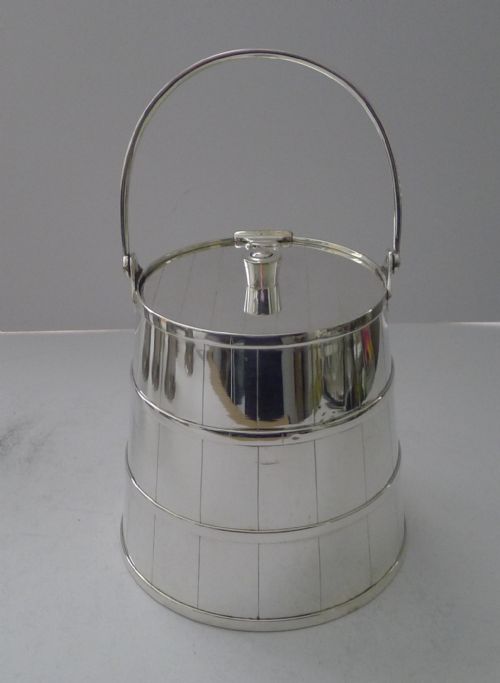
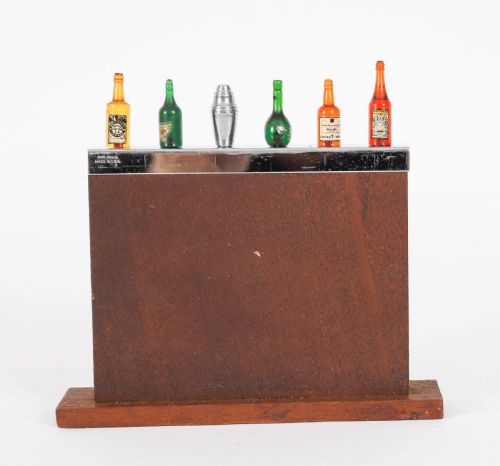
Georgian and Victorian examples often focus on fine cut glass and heavy sterling silver, including spirit barrels and labeled decanters. Later twentieth-century pieces lean heavily into Art Deco designs, featuring cocktail stick sets and streamlined shakers.
Materials and construction
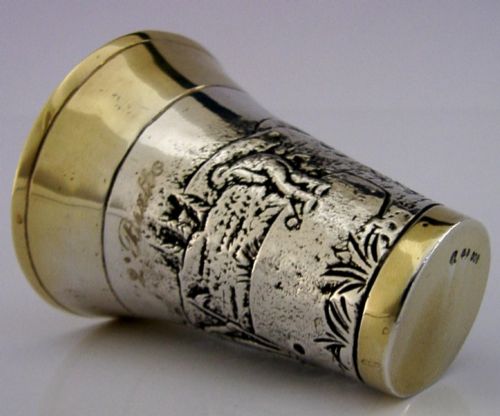
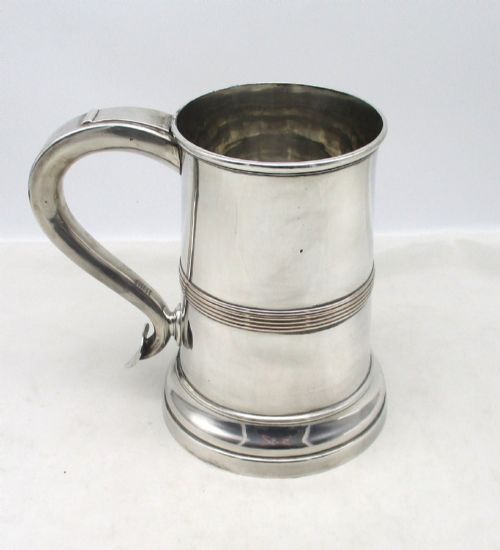
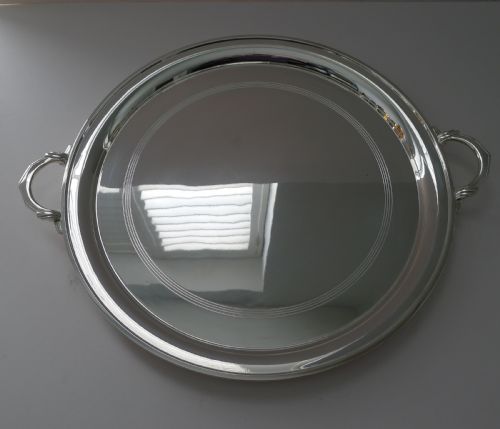
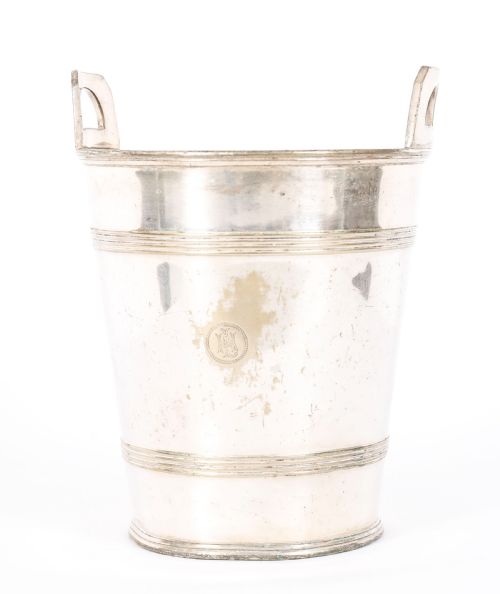
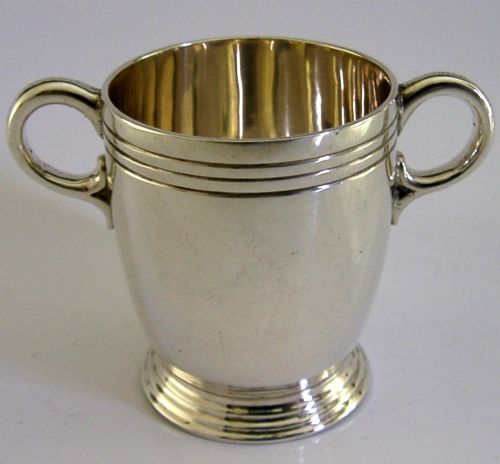
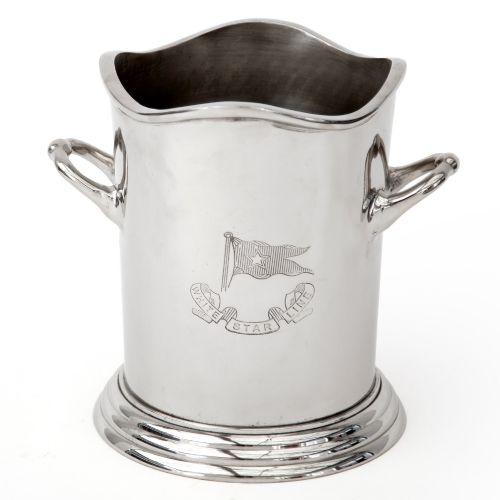
Makers utilised sterling silver and silver plate alongside heavy cut crystal, moulded glass and occasionally wood or lacquer. Metal components were cast, hammered or spun, then polished to a bright finish.
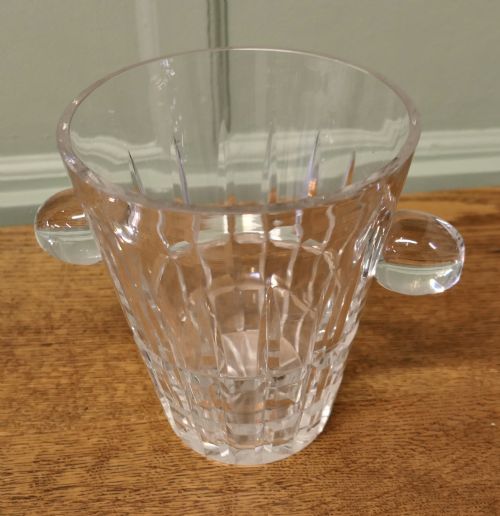
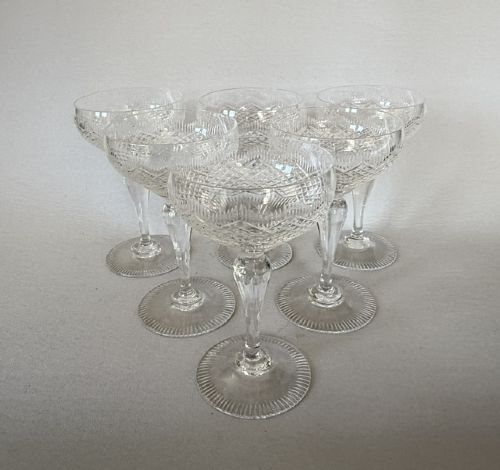
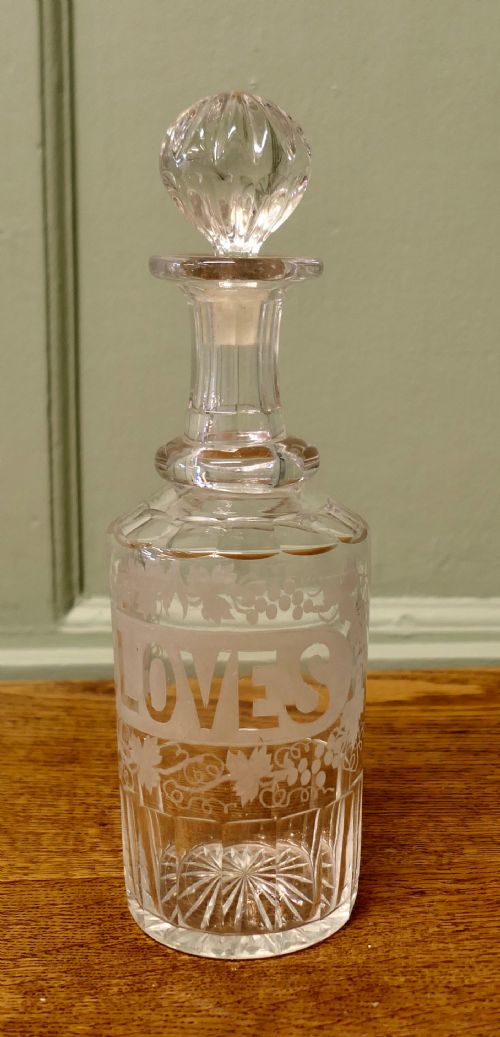
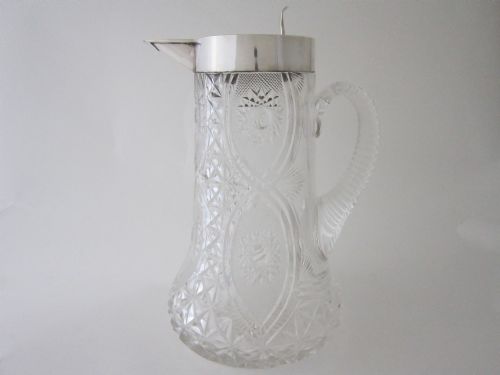
Glass elements show deep wheel-cutting, moulding or etching, often paired with silver mounts, collars or stoppers to create durable vessels for everyday service.
Several cocktail stick sets feature comical figures including golfers with caddies.
Distinctions in quality
Quality rests upon the weight of the metal and the crispness of the glass cutting rather than superficial decoration alone. Heavier gauge sterling silver and deeply faceted crystal indicate superior production.
The precision of maker signatures, balanced proportions and intact original fittings set finer studio and workshop pieces apart from standard commercial production.
Elizabeth Morley·Mappin And Webb·Hutton Sheffield·James Dixon And Sons·Christofle·Walker And Hall
The Antique Barware Glossary
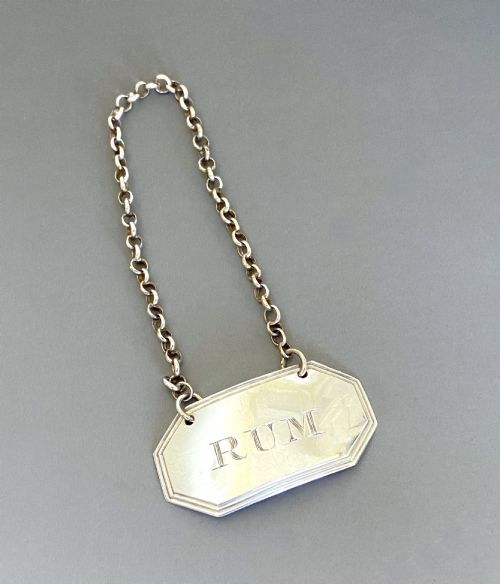
- Decanter label
- A small tag hung by a chain around the neck of a bottle to identify the contents such as rum or madeira. These feature engraved or pierced silver.
- Quaich
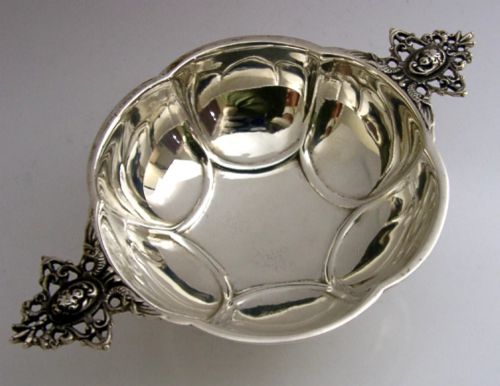
- A traditional shallow two-handled drinking vessel originating in Scotland, often rendered in solid silver for serving spirits.
- Tantalus
- A locking frame holding decanters securely behind a bar while denying access without a key. This Victorian invention kept expensive spirits safe from servants.
- Wine coaster
- A small wheeled or stationary tray designed to hold a bottle and protect the dining table from drips. They frequently feature wooden bases inset with silver or gilt metal.
- Bitters bottle
- A small glass vessel fitted with a dispensing top used for adding aromatic bitters to cocktails. These often feature sterling silver mounts.
Antique Barware: Frequently Asked Questions
How do I date antique decanters?
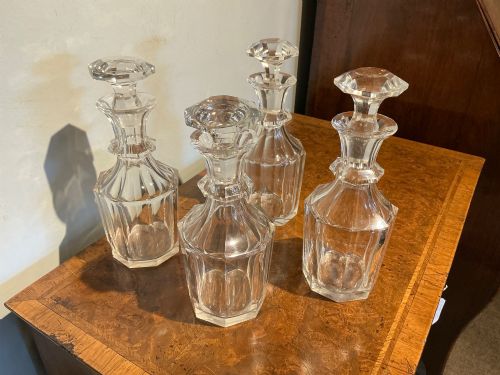
Decanter age is determined by the shape of the body, the cut of the glass rings on the neck, and the pontil mark on the base. Earlier Georgian and Victorian examples often feature hand-blown kick-ups and polished pontils.
Matching the stopper style and any silver hallmarks or decanter labels provides a reliable manufacturing window for the piece.
What is the difference between old Sheffield plate and sterling silver?
Old Sheffield plate involves fusing a thin layer of sterling silver to a copper core before forming the object. This technique was largely superseded by electroplating in the mid-nineteenth century.
Sterling silver is solid silver throughout, meeting specific legal fineness standards and bearing distinct hallmarks for the assay office and maker.
How were wine coasters used?
Wine coasters were passed along the dining table after the meal so guests could pour their own wine. The baize-lined wooden bases protected polished mahogany surfaces from moisture and scratches.
The small wheels fitted to many Regency and Victorian examples allowed the coaster to roll smoothly between diners.
Are silver plated bar accessories durable?
Silver plated items from reputable makers use thick base metals like copper or nickel silver under substantial plating layers. These pieces withstand regular domestic use when cleaned gently.
Avoiding abrasive polishes preserves the remaining silver layer over decades of service on a home bar.