



Antique Barware Shaker
An antique barware shaker is a functional drinking vessel designed for mixing cocktails, blending metal and glass with period style.
Antique Barware Shaker
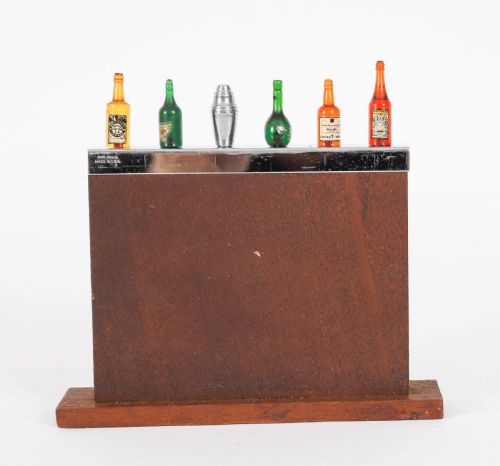
When you search for an antique barware shaker, you encounter vessels produced primarily during the early to mid-twentieth century. The dominant aesthetic on this page follows the geometric lines of the Art Deco period, alongside modernist and Art Nouveau expressions.
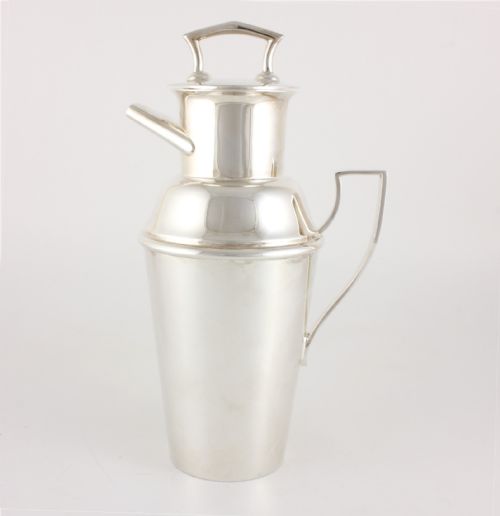
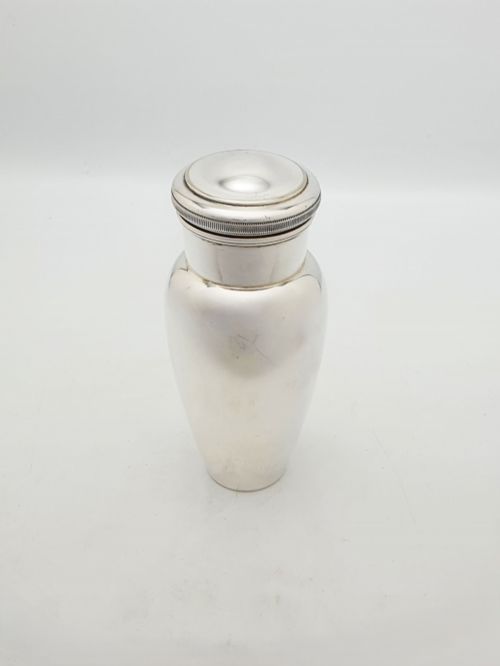
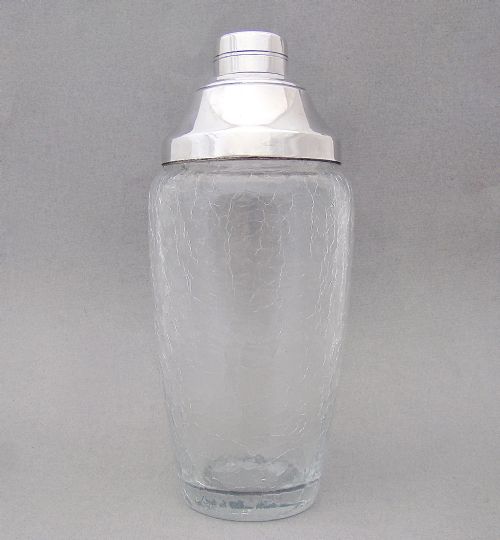
Most examples take the form of silver plated or electroplated nickel silver cylinders, often paired with glass bodies or fitted with internal mechanisms like ice breakers and lemon squeezers.
Originating from English, French, Italian, and American workshops, these pieces range from straightforward bachelor shakers to elaborate novelty designs equipped with rotating recipe cylinders.
Materials and Construction
Makers utilised silver plate, electroplated nickel silver, and sterling silver for the primary body or mounts, frequently combining metal with moulded or crackle glass.
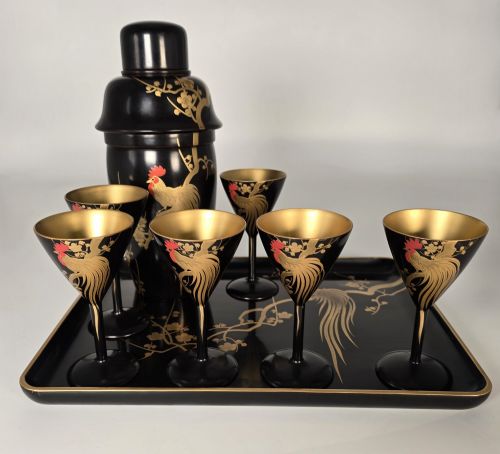
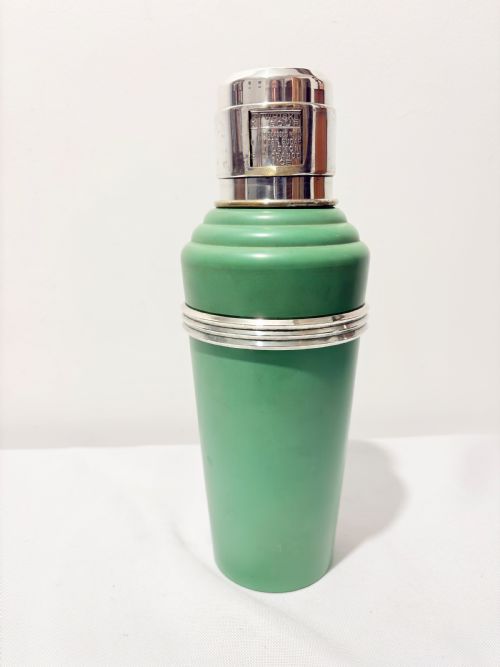
Details such as green Bakelite, cork, and hand-painted lacquer provide contrast, while engine-turned engraving adds texture to plain metal surfaces.
Antique Barware Shaker Retail Price Guide 2026
Typical asking prices for barware shaker among the pieces listed under this phrase on Sellingantiques today, from the lower quarter to the upper quarter. They describe what is for sale here now, not the wider market.
Listings span from the 1900s through the 1960s, with the 1930s representing the most frequent decade of production.
Evaluating Execution and Design
Quality rests in the precision of the mechanics, such as the smooth rotation of built-in recipe rings and the secure fit of integrated lemon squeezers and lids.
Substantial weight in the metal plating and clarity in the glass body distinguish standard production items from masterworks attributed to known silversmiths.
Asprey & Co·Hukin & Heath·James Dixon & Sons·Keith Murray·William Suckling·C S Green & Co·Adie Brothers·Gaskell & Chambers
The Antique Barware Shaker Glossary
- EPNS
- Electroplated Nickel Silver. A common base metal composition for plated barware of the period.
- Bachelor Shaker
- A smaller capacity cocktail shaker designed for single servings rather than group mixing.
- Engine Turned
- A decorative mechanical technique producing intricate geometric patterns etched into metal surfaces.
- Bakelite
- An early synthetic thermosetting plastic utilised for handles, knobs, and decorative accents.
- Milk Churn
- A cylindrical shaker shape inspired by agricultural vessels, popular during the Art Deco era.
Antique Barware Shaker: Frequently Asked Questions
How do I use a recipe shaker?
Rotating the outer casing aligns ingredients with corresponding measurements on the inner cylinder. This mechanical feature allowed hosts to mix drinks according to period formulas.
Most mechanisms operate smoothly when clean, though care should be taken to preserve original plating during washing.
What materials were commonly used?
Silver plate and electroplated nickel silver dominate the metal components, often combined with clear, coloured, or crackle glass bodies. Accents frequently include green Bakelite, cork stoppers, and enamel details.
Sterling silver examples also appear alongside rarer hand-painted lacquer finishes from Japanese export workshops.
How do I identify an Art Deco shaker?
Look for symmetrical geometric patterns, stepped motifs, milk churn shapes, and engine-turned surface engraving. These design elements reflect the modernist tastes of the 1920s and 1930s.
Makers frequently incorporated clean architectural lines that distinguish these pieces from earlier Victorian barware.
Are internal lemon squeezers removable?
Many lemon squeezers and ice breakers form an integral part of the lid assembly rather than separate loose components. They fit snugly inside the neck of the vessel during the shaking process.
Checking the fit of these internal elements reveals the precision of the original manufacturing.