


Antique Barware Ice Pail
These antique barware ice pails combine heavy silver plate and cut crystal to keep drinks cold with unmistakable presence on the table.
Antique Barware Ice Pail
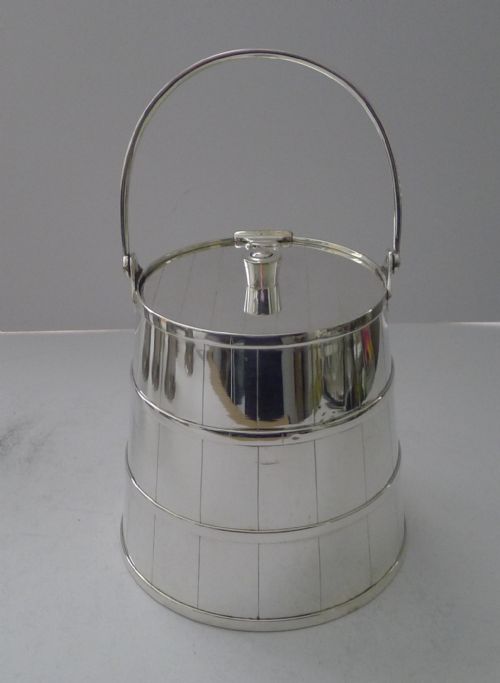
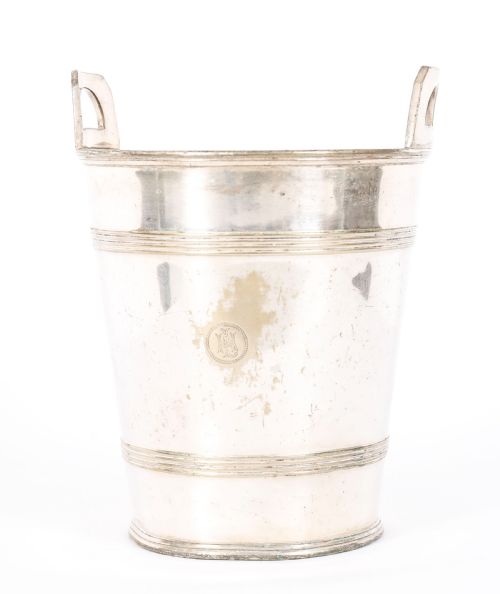
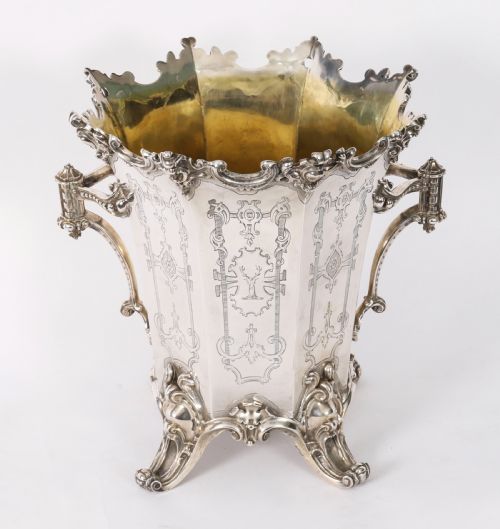
An antique barware ice pail serves to chill wine, champagne or ice at the table, appearing in forms from simple glass vessels to elaborate novelty barrels. When searching for this phrase, buyers encounter ice buckets, wine coolers and biscuit barrels functioning as coolers across Victorian, Edwardian and Art Deco periods.
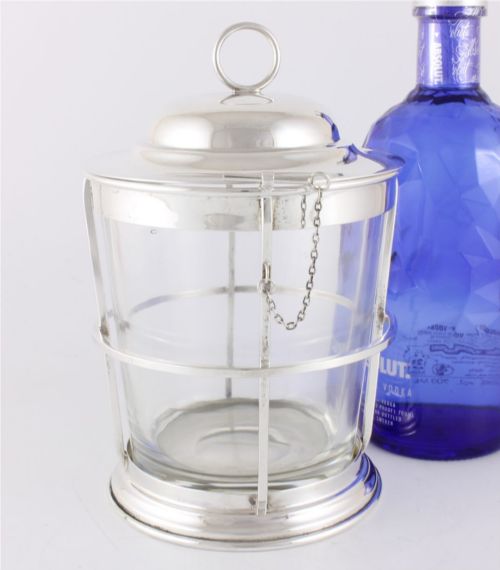
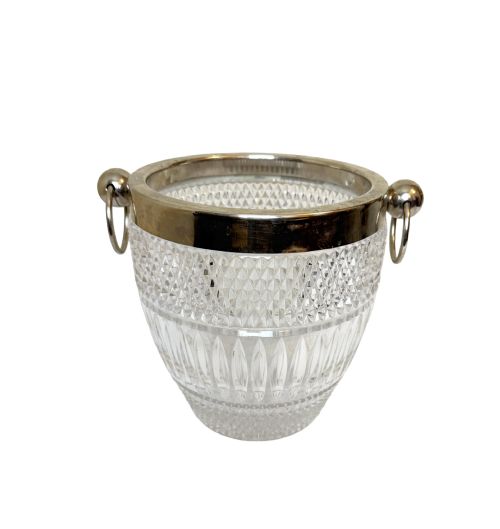
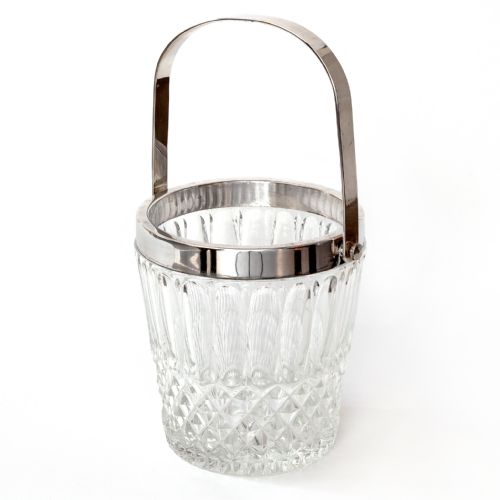
The version most commonly met on this page is the silver-plated bucket featuring a cut glass or crystal liner, often accompanied by matching tongs. These pieces originate primarily from English and French makers spanning the nineteenth and twentieth centuries.
Materials and Construction
Silver plate and electroplated nickel silver form the metal bodies of these vessels, sometimes utilising Old Sheffield plate on earlier Regency pieces. Artisans hammered, cast and embossed the metal to create decorative surfaces like Victorian Rococo scrolls or sleek Art Deco lines.
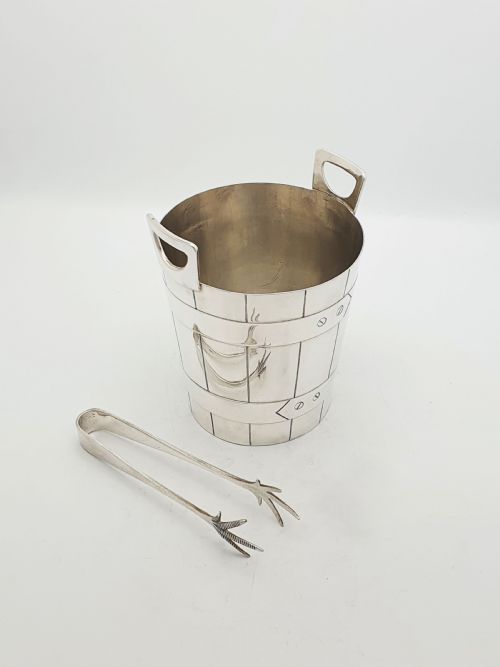
Thick cut glass and lead crystal liners sit inside the metal frames to hold ice securely without leaking. Oak staves bound with silver-plated bands appear in novelty barrel designs, combining cooperage techniques with metalwork.
Some ice pails take the form of miniature wooden beer barrels complete with tiny metal spigots and claw tongs.
Distinctions in Quality
The thickness and clarity of the lead crystal or cut glass liner separate finer vessels from simpler ones. Superior pieces display deep, crisp hand-cutting that refracts light brilliantly.
The weight of the silver plate and the crispness of chased or embossed ornamentation dictate the grade of the metalwork. Substantial mounts, sturdy handles and maker marks from established firms indicate higher workshop standards.
Hutton Sheffield·PH Vogel·Elkington Mason Co·Dawson·Christofle·Matthew Boulton Co·Macabo
The Antique Barware Ice Pail Glossary
- Silver-plate
- A base metal such as copper or nickel silver covered with a thin layer of pure silver through electroplating or fusing. This technique allowed makers to produce luxurious tableware at a fraction of the cost of solid sterling silver.
- Old Sheffield plate
- An early method of fusing a sheet of silver to a copper core before rolling them together into plates. This technique predates modern electroplating and leaves a characteristic subtle seam of copper visible at the edges.
- Lead crystal
- Glass containing metal oxide that increases weight, refractive index and brilliance. It provides the heavy, resonant liners found in better ice pails.
- Biscuit barrel
- A covered ceramic or glass jar with a metal frame, often adapted or repurposed as an ice bucket due to its insulating properties. These cylindrical vessels frequently feature swing handles and matching tongs.
- Electroplated nickel silver
- A strong alloy of copper, nickel and zinc coated with silver, commonly abbreviated as EPNS. It provided durable structural integrity for heavy barware subject to frequent handling.
Antique Barware Ice Pail: Frequently Asked Questions
How do I clean an antique silver plated ice bucket?
Wash the vessel gently in warm soapy water using a soft cloth, avoiding abrasive pads that can wear away the thin silver layer. Dry thoroughly with a lint-free cloth to prevent water spots.
Polish the exterior occasionally with a reputable silver cream designed for plated items. Remove glass or ceramic liners before cleaning the metal frame.
Can I use these ice pails for actual entertaining?
These historical vessels function well for holding ice or chilling bottles during modern gatherings. Take care to lift them by their main bodies rather than straining antique swing handles.
Hand wash the pieces immediately after use and avoid putting them in dishwashers. Protecting the interior liners preserves the integrity of the antique glass and metal.
What is the difference between a wine cooler and an ice bucket?
Wine coolers generally feature deeper bowls designed to accommodate a bottle alongside water and ice. They often lack liners and rely on heavy metal walls to maintain low temperatures.
Ice pails tend to be slightly smaller and frequently incorporate removable glass or ceramic liners with drainage provisions. Both categories overlap significantly in antique barware collections.
How do I identify an Art Deco ice pail?
Art Deco ice pails display geometric motifs, stepped forms and streamlined silhouettes characteristic of the interwar period. They frequently substitute elaborate Victorian embossing with clean planes and polished surfaces.
Materials lean toward heavy chrome, silver plate and thick geometric-cut crystal. Handles and mounts often show stylized, symmetrical curves.