





Antique Bamboo Frame
An antique bamboo frame brings organic texture and refined pattern to a room, offering the distinct charm of nineteenth-century decorative arts.
Antique Bamboo Frame
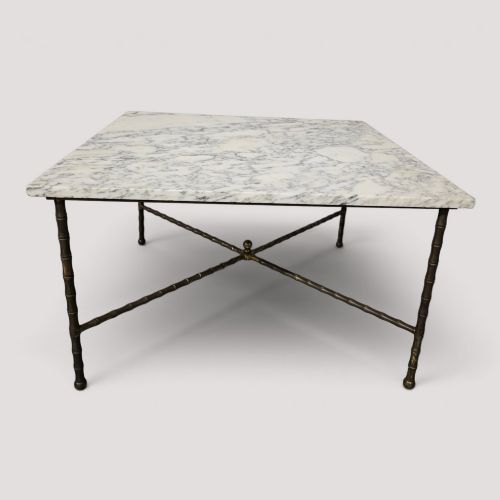
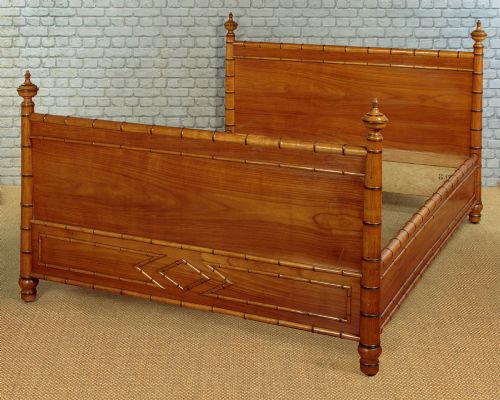
The selection extends to furnishings and art where bamboo or faux bamboo dictates the aesthetic, such as beds, hall benches, and side tables. French and British makers adapted the motif from China Trade and Chinoiserie traditions into domestic interiors.
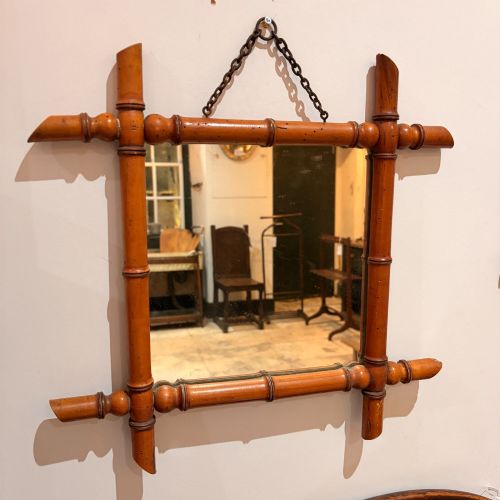
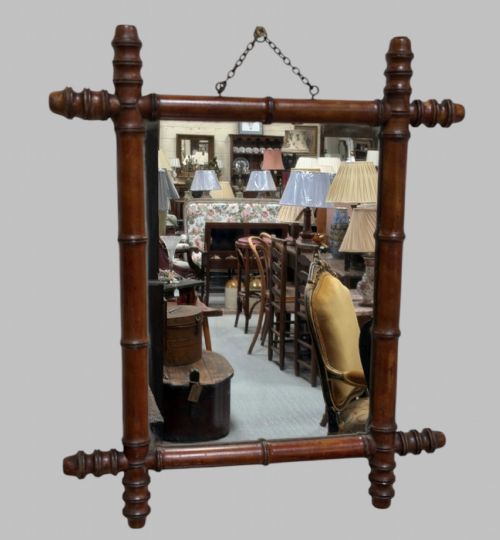
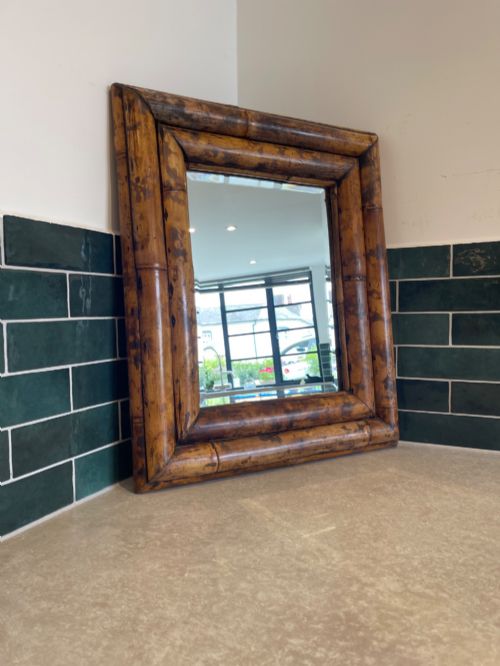
Mirrors form the bulk of the available selection, often originating from French workshops or British domestic production. Buyers encounter substantial vertical wall mirrors alongside smaller boudoir examples.
Materials and construction methods
Makers utilised natural bamboo stems joined with dowels and pins for lightweight structural integrity. Alternatively, turners carved beech and pine to replicate the characteristic nodes and segments of the plant before applying paint or lacquer.
Mirrors were set with original glass, frequently held within rebated wooden mouldings behind the bamboo facade. Surface finishes range from gilded highlights to simulated woodgrains mimicking exotic canes.
Antique Bamboo Frame Retail Price Guide 2026
Typical asking prices for bamboo frame among the pieces listed under this phrase on Sellingantiques today, from the lower quarter to the upper quarter. They describe what is for sale here now, not the wider market.
Materials documented across the collection include natural wood, pine, beech, glass, and mirror plate, reflecting diverse manufacturing origins.
Factors of construction and design
Quality rests in the precision of the turnery on faux bamboo pieces and the tightness of the joints on natural cane items. Superior examples maintain structural rigidity without excessive movement in the frame.
The sophistication of the surface finish separates standard items from finer works, particularly where gilding, japanning, or simulated graining remains crisp and well preserved.
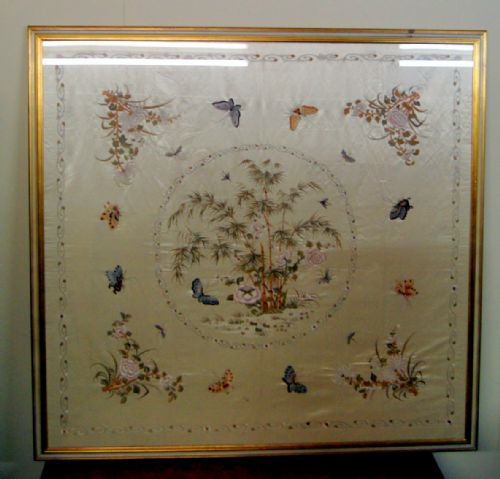
John Taylor Edinburgh·Ah Hee Studio
The Antique Bamboo Frame Glossary
- Faux bamboo
- A decorative technique where wood such as beech or pine is turned and painted to resemble natural bamboo. This method provided greater structural stability for heavy items like mirrors and bedframes.
- Chinoiserie
- European artistic style reflecting Chinese artistic influences, prevalent in furniture and mirrors. It combined asymmetrical motifs with orientalist decorative elements.
- Aesthetic Movement
- Nineteenth-century design movement prioritising visual and decorative qualities over narrative content. Frames and furniture from this period often embraced bamboo and exotic plant motifs.
- China Trade
- Commerce and art produced in China specifically for Western export during the nineteenth and early twentieth centuries. Items often featured traditional local materials adapted to European tastes.
Antique Bamboo Frame: Frequently Asked Questions
How do I date an antique bamboo frame?
Dating relies on examining the backing materials, mirror glass bevelling, and construction methods used in the joinery. Victorian and Edwardian examples show specific turnery styles and fastening techniques characteristic of their decade.
Comparing the decorative finish with known period pieces helps narrow down the year of manufacture. Cabinetmakers often utilised distinct regional techniques in British and French workshops.
Are faux bamboo frames actually wood?
Most faux bamboo frames consist of native hardwoods like beech or pine that have been hand-turned on a lathe to copy the jointed rings of real bamboo. This provided a stronger structural core for hanging heavy glass mirrors.
Natural bamboo was also widely used, but turned wood offered better durability for load-bearing furniture and large wall hangings.
Where should I hang a bamboo mirror?
These mirrors suit hallways, living rooms, and bedrooms where their organic form adds textural contrast to flat walls. They pair well with both traditional period interiors and eclectic modern spaces.
Ensure the wall fixings match the weight of the frame, particularly for larger French wall mirrors featuring substantial wooden backboards.
How do I care for bamboo furniture?
Maintenance involves dusting with a dry microfibre cloth and avoiding harsh chemical polishes that might degrade the original surface finish or lacquer. Keep pieces away from direct sunlight and damp environments to protect the wood and cane.
Natural bamboo benefits from occasional light conditioning to prevent the material from drying out over time.