


Antique Bamboo Carving
These antique bamboo carving pieces bring intricate oriental craftsmanship and natural textures into interior spaces through boxes, brush pots, and walking sticks.
Antique Bamboo Carving
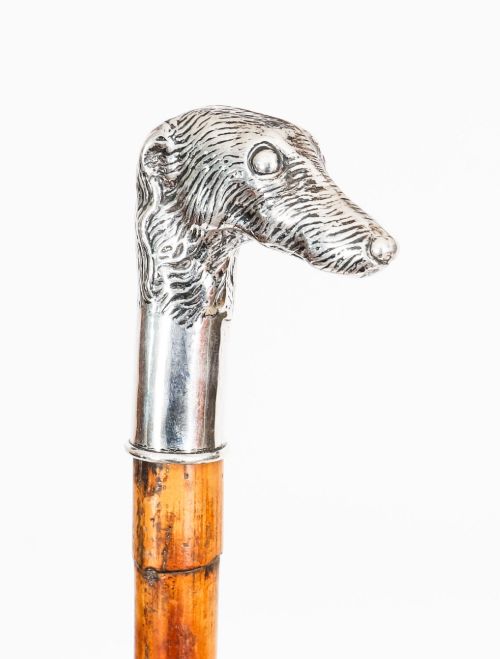
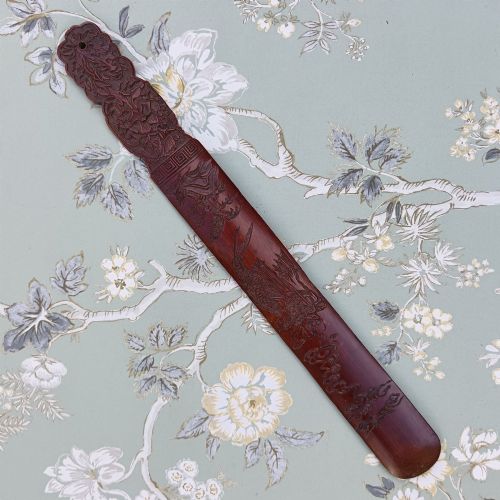
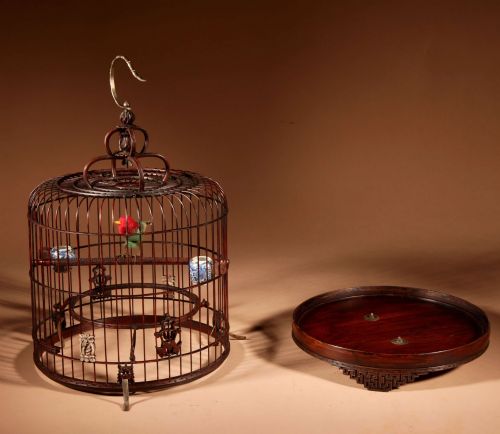
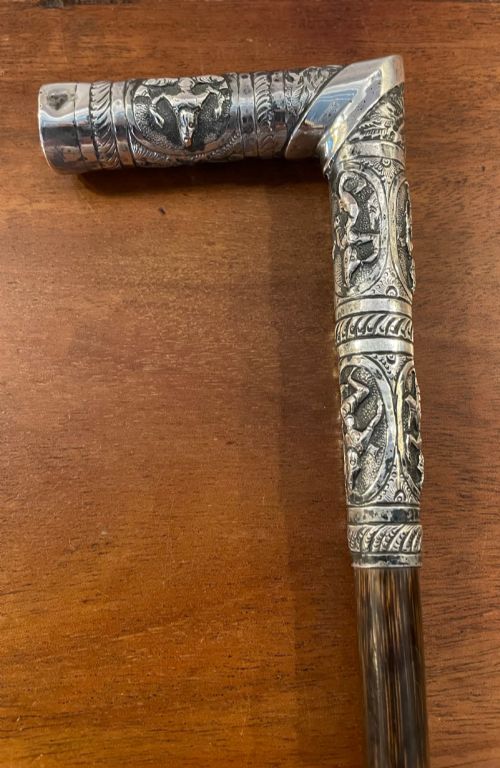
Buyers examining antique bamboo carving will encounter practical items such as brush pots, tea caddies, head rests, and walking sticks alongside decorative pieces. These objects originate predominantly from Chinese workshops and span periods from the nineteenth century into the early twentieth century.
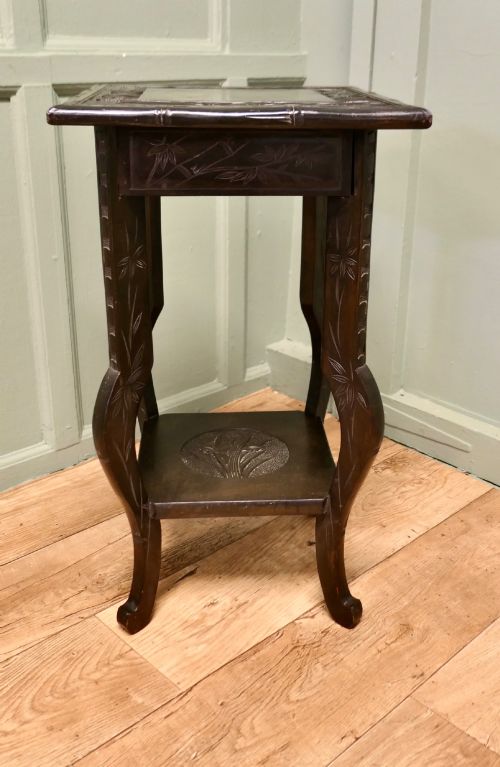
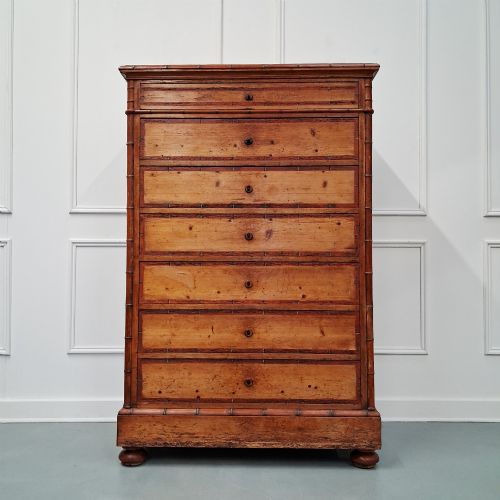
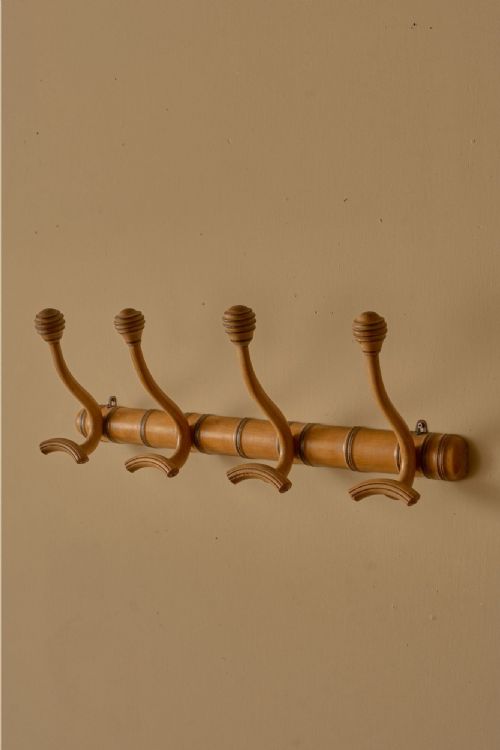
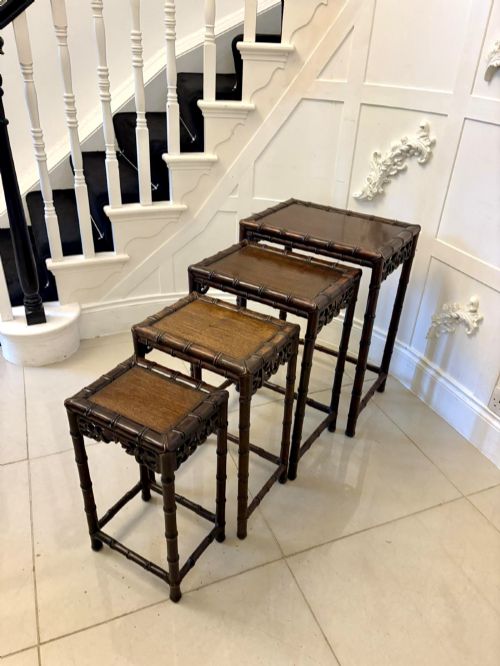
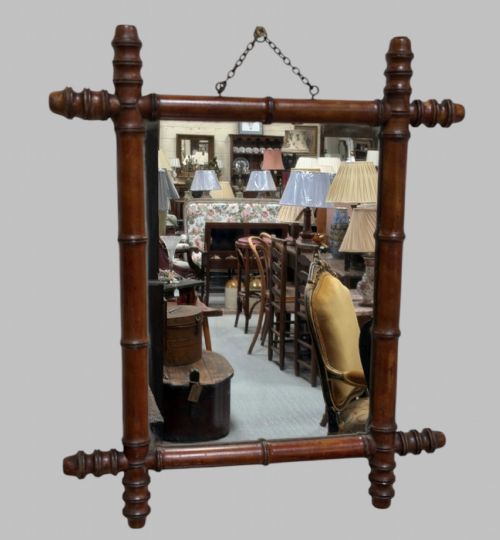
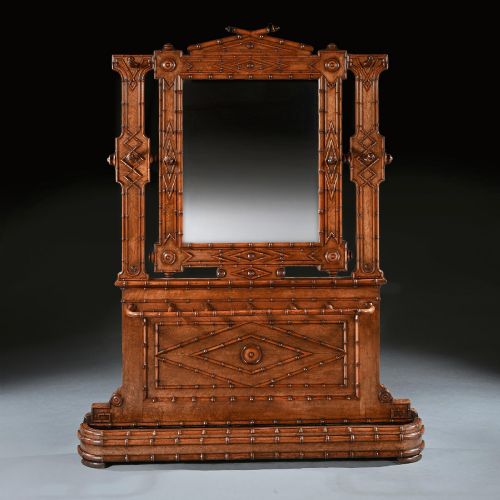
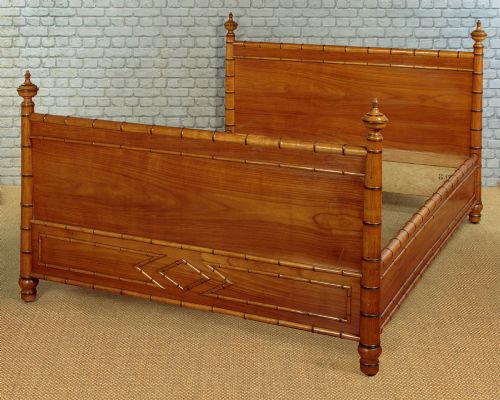
The assortment on this page also includes furniture and architectural elements rendered in simulated or faux bamboo from European makers working in the French provincial and Aesthetic Movement styles. This creates a distinct visual crossover between genuine oriental carved cane and European turned wood made to mimic the plant.
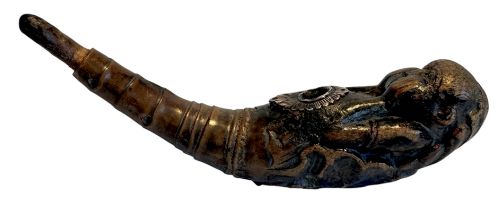
Smaller tabletop items like pipes and miniature okimono represent the more intimate side of the craft, utilising the hollow cylindrical sections of the plant for detailed figural or landscape reliefs.
What varies in quality
Depth and crispness of the carving distinguish finer examples from mass-produced tourist wares, with superior pieces showing undercut foliage and distinct facial expressions on figures. The skill lies in utilising the natural irregularities of the culm without splitting the dry organic material.
For European faux bamboo furniture, quality rests on the precision of the turned joints and the stability of the secondary timbers like birdseye maple or pine beneath the decorative finish.
Antique Bamboo Carving Retail Price Guide 2026
Typical asking prices for bamboo carving among the pieces listed under this phrase on Sellingantiques today, from the lower quarter to the upper quarter. They describe what is for sale here now, not the wider market.
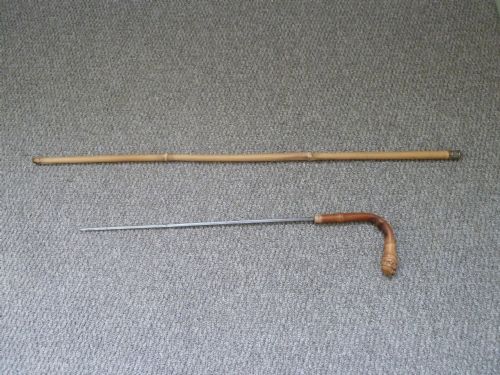
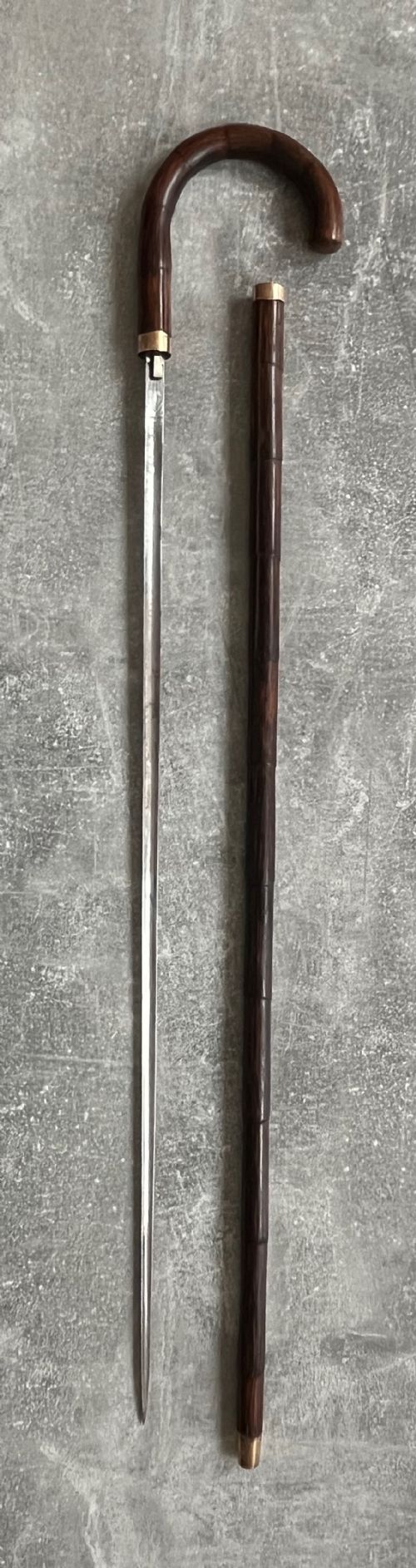
A sword stick disguised as bamboo lets a Victorian stroller quietly prepare for a duel while pretending to admire the garden.
The Antique Bamboo Carving Glossary
- Culm
- The hollow jointed stem of the bamboo plant. Artisans select specific diameters of the culm depending on whether they are carving a slender brush pot or a walking stick.
- Okimono
- A Japanese ornamental carving intended for display on a shelf or in a domestic alcove. These miniature sculptures often depict animals, folklore figures, or daily scenes.
- Faux bamboo
- Timber furniture or architectural fittings turned and painted to imitate the segmented growth rings of natural bamboo. This style gained popularity in nineteenth-century French and Aesthetic Movement interiors.
- Brush pot
- A cylindrical vessel used by scholars for holding ink brushes. These carved containers form a major category of oriental bamboo work.
Antique Bamboo Carving: Frequently Asked Questions
How do I clean antique bamboo items?
Dust surfaces gently with a soft, dry brush to prevent dirt from settling into the carved recesses. Avoid liquid polishes or damp cloths that can cause dry organic material to split or warp over time.
Keep pieces away from direct sunlight and strong heat sources. Stable indoor humidity protects the structural integrity of both natural cane and turned faux bamboo furniture.
Is faux bamboo the same as real bamboo?
Faux bamboo is solid hardwood, such as beech or birch, turned on a lathe to mimic the segmented nodes of the living plant. European makers finished these pieces with paint or stain to replicate the natural colour.
Real bamboo consists of the actual hollow, fibrous cane harvested from the grass family. Items carved from the natural material retain the original wall thickness and grain structure of the plant.
What periods do these pieces date from?
The listings span the nineteenth century through the early twentieth century, including Victorian and Edwardian examples. Chinese export pieces sit alongside European interpretations from the Aesthetic Movement.
Earlier items reflect traditional Qing Dynasty craftsmanship, while later pieces incorporate twentieth-century decorative trends. Exact dating relies on construction methods and stylistic markers recorded in individual descriptions.
How were bamboo brush pots used?
Scholar officials utilised brush pots on their desks to organise calligraphy brushes and ink tools. These cylindrical containers stood within studios as both practical stationery holders and works of art.
Carvers decorated the exterior walls with narrative scenes, landscapes, or poems. The depth of the relief carving indicated the status and intended function of the vessel within the scholar's study.