

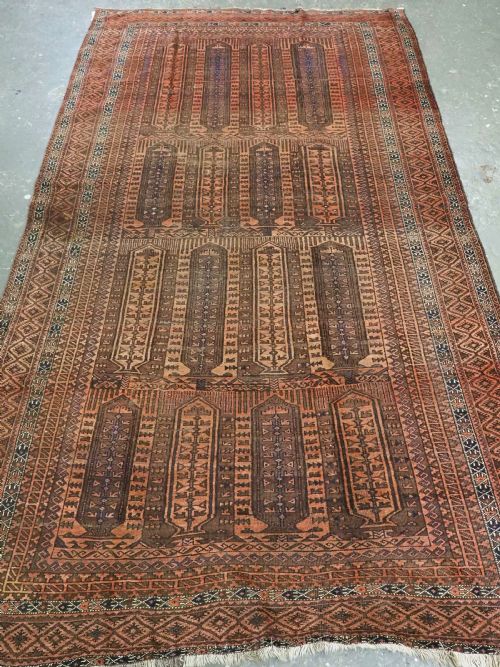
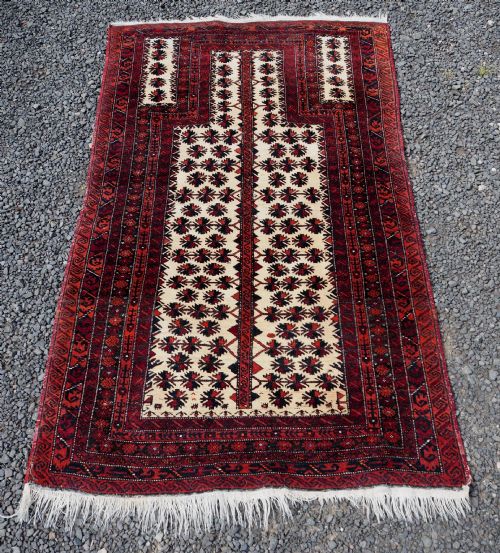


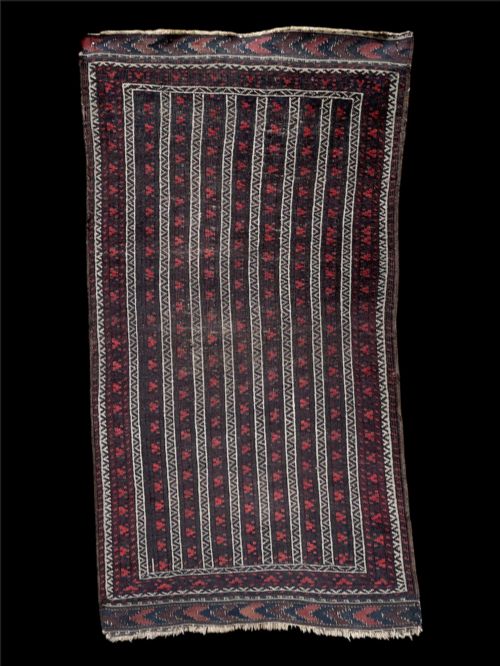


Antique Baluchi Carpet
An antique baluchi carpet brings rich tribal artistry into a room, offering deep wool pile and geometric patterns woven by nomadic hands.
Antique Baluchi Carpet
When a collector searches for an antique baluchi carpet, they encounter tribal weaving from nomadic groups spanning regions such as Afghanistan, Persia, and Khorassan. These pieces manifest primarily as rugs and carpets, alongside specialist forms like prayer rugs and sofhrah eating cloths.
The versions most commonly met on this page date from the late nineteenth century through to the early decades of the twentieth century. They showcase traditional tribal styles including Baluch Tribal, Afghan Tribal, and Persian Tribal aesthetics.
These floor coverings and flatweave rugs reflect the practical domestic culture of their makers. Each piece demonstrates specific regional motifs and traditional weaving techniques passed down through generations of nomadic groups.
Materials and construction
An antique baluchi carpet is built using hand-woven wool, providing a sturdy and resilient foundation suited to nomadic life. The organic nature of the fleece gives each piece a tactile warmth and enduring structural integrity.
Makers utilised natural dyes to colour the wool, producing deep, shifting tones that age with distinct character. The combination of hand-spinning, natural colouring, and traditional hand-weaving defines the physical integrity of these tribal artefacts.
Antique Baluchi Carpet Retail Price Guide 2026
Typical asking prices for baluchi carpet among the pieces listed under this phrase on Sellingantiques today, from the lower quarter to the upper quarter. They describe what is for sale here now, not the wider market.
Listings span production dates from the 1880s through to the 1930s, executed exclusively in wool using natural dyes.
Assessing quality and character
Quality in an antique baluchi carpet resides in the precision of the weave and the depth of the natural dyes. Finer knots and carefully balanced tribal designs separate the masterwork from standard domestic output.
The handling of unusual colour palettes and scarce design variations also distinguishes the upper tier of these pieces. Artistry in the border execution and the retention of original wool pile elevate specific examples above others.
The Antique Baluchi Carpet Glossary
- Baluchi
- A descriptor for carpets and rugs woven by Baluch nomads and related tribal groups across the borders of Iran, Afghanistan, and Pakistan. These pieces are recognised for dark colour palettes and geometric motifs.
- Sofreh
- A flatweave cloth traditionally used for serving food or kneading bread within nomadic households. These functional textiles double as striking geometric floor or wall art.
- Prayer rug
- A small rug featuring a mihrab or arch design used by Muslims to kneel upon during daily prayers. These portable carpets often hold distinct symbolic layouts.
- Natural dyes
- Colourants derived from plants, insects, and minerals rather than synthetic chemicals. They age gracefully and develop a rich patina over decades of light exposure.
- Flatweave
- A textile constructed by interlacing warp and weft threads without creating a raised pile. This technique produces a thin, durable fabric often utilised for bags and spreading cloths.
Antique Baluchi Carpet: Frequently Asked Questions
How do I clean an antique baluchi carpet?
Gentle surface brushing and professional specialist cleaning are required to preserve the natural wool and organic dyes.
Water saturation and harsh chemical detergents must be avoided to prevent fibre degradation and colour bleed.
Can I use these rugs on high traffic floors?
These durable wool carpets withstand regular walking when protected by a suitable underlay that prevents slipping and friction.
Placement in moderate traffic areas ensures the antique pile remains intact for decades to come.
How do I date an antique baluchi carpet?
Dating relies on assessing the natural dye palette, the wool quality, and structural characteristics typical of late nineteenth and early twentieth-century weaving.
Stylistic markers and regional design variations also provide reliable clues for placing a piece within a specific decade.
What is the difference between a main carpet and a rug?
Main carpets are larger floor coverings woven to occupy the primary space within a nomadic tent or dwelling.
Rugs and prayer mats are smaller formats created for specific personal or functional domestic uses.