



Antique Balouch Carpet
An antique balouch carpet brings rich tribal artistry into a room, offering deep geometric patterns and durable wool construction that anchors a floor with character.
Antique Balouch Carpet
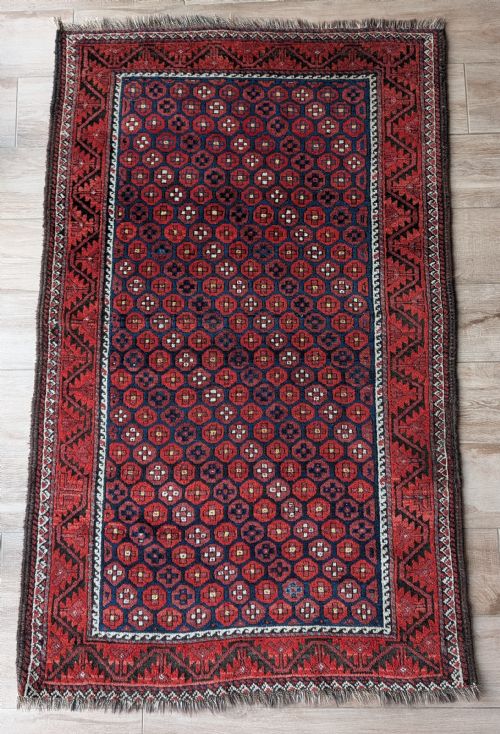
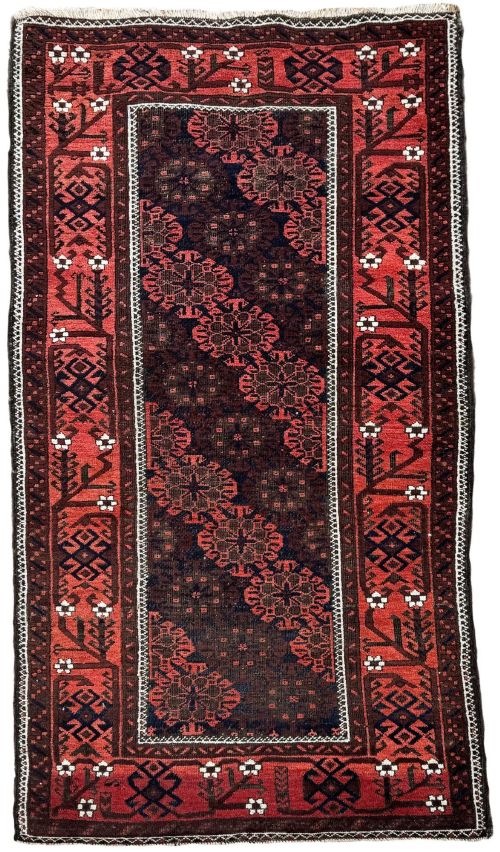
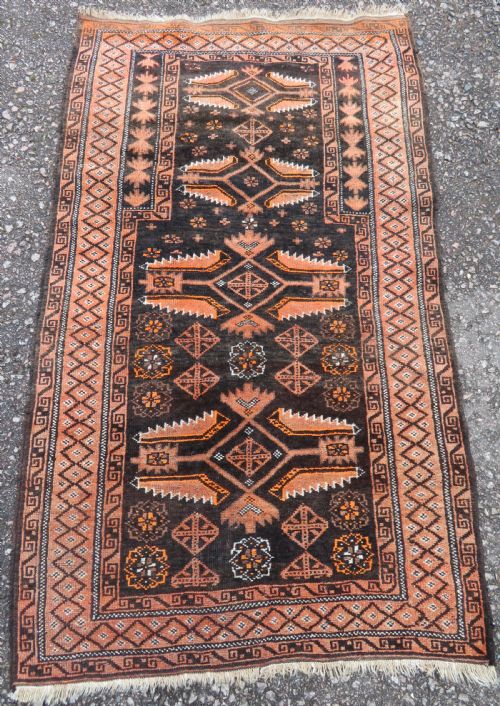
When you search for an antique balouch carpet, you are looking at nomadic and village weavework from the borderlands of Persia, Afghanistan, and Baluchistan. These pieces include smaller rugs, prayer rugs, hallway runners, and tribal formats designed for floor use in nomadic camps or village homes.
The versions you are most likely to meet on this page span the late nineteenth century up to the early twentieth century, specifically from the 1880s through to 1930. They typically display tribal, Baluch tribal, Persian tribal, and Afghan tribal styles passed down through generations of weavers.
Makers utilised traditional formats such as individual rugs and longer runners, often incorporating specific motifs like large guls, the Herati pattern, or Mina Khani variant designs. Each piece reflects the distinct heritage of nomadic groups working within specific regional traditions.
How they were made
Weavers constructed these carpets using hand-spun wool for the pile and foundation, sometimes pairing it with cotton for structural stability. This combination provided the resilience needed for nomadic daily life while allowing dense knotting.
Natural dye traditions governed the palette, producing the deep colours seen across nineteenth-century and early twentieth-century examples. The resulting textiles combined warmth with tight structural integrity suited to heavy foot traffic.
Antique Balouch Carpet Retail Price Guide 2026
Typical asking prices for balouch carpet among the pieces listed under this phrase on Sellingantiques today, from the lower quarter to the upper quarter. They describe what is for sale here now, not the wider market.
Nomadic weavers often wove these carpets from memory on portable ground looms, occasionally incorporating tiny intentional irregularities to ward off the evil eye.
What varies in quality
The distinction between ordinary and exceptional examples rests upon the precision of the weave and the depth of the dye work. Tighter knotting and more intricate design execution, such as well-rendered guls or floral variants, elevate certain pieces.
Visual impact also depends on the richness of the palette and the clarity of the tribal motifs. Superior examples maintain structural soundness alongside vibrant, balanced colour distribution across the field.
The Antique Balouch Carpet Glossary
- Gul
- A medallion motif repeated across tribal carpets. These octagonal or polygonal shapes often identify the specific weaving group.
- Herati pattern
- A classic recurring floral design featuring a central rosette framed by lancet leaves. It remains a staple motif in Persian and related tribal weaving.
- Mina Khani
- A repeating pattern of daisy-like flowers linked by delicate lattice vines. This design frequently appears in Khorasan and related regional pieces.
- Prayer rug
- A small format rug featuring a mihrab or niche design at one end. Nomadic weavers traditionally used these for daily devotional placement.
- Runner
- A long, narrow carpet format designed for hallways or corridors. These pieces accommodate linear spaces while displaying continuous tribal designs.
Antique Balouch Carpet: Frequently Asked Questions
How do I clean an antique balouch carpet?
Gentle surface brushing and professional specialist cleaning preserve the wool fibres and natural dyes. Avoid harsh chemical treatments and excessive water immersion.
Regular light vacuuming without a rotating power brush helps prevent dust accumulation within the pile.
Where were these carpets originally made?
Nomadic and village weavers produced these textiles across regions spanning modern-day Afghanistan, Persia, and Baluchistan. Communities travelled and traded across these borders, sharing design influences.
Local tribal groups adapted motifs to suit their specific weaving traditions and materials.
Are these rugs durable enough for hallways?
Dense wool construction makes many of these runners and rugs suitable for moderate hallway traffic. Using a quality underlay prevents slipping and cushions the weave.
Heavily travelled corridors require careful placement to distribute wear evenly over time.
How do I date an antique balouch carpet?
Examining the wool consistency, dye palette, and structural characteristics helps determine the period of origin. Pieces from the nineteenth century often display distinct natural colour variations compared to later works.
Design motifs and structural evidence provide clues to whether a piece originates from the 1880s or the early twentieth century.