

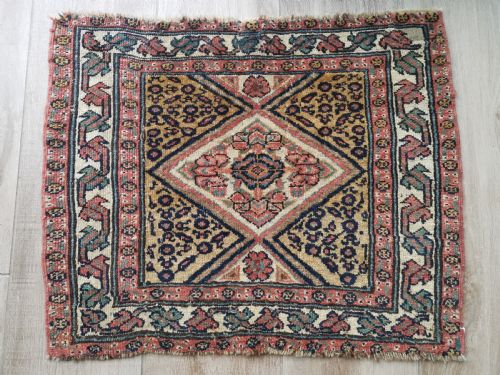
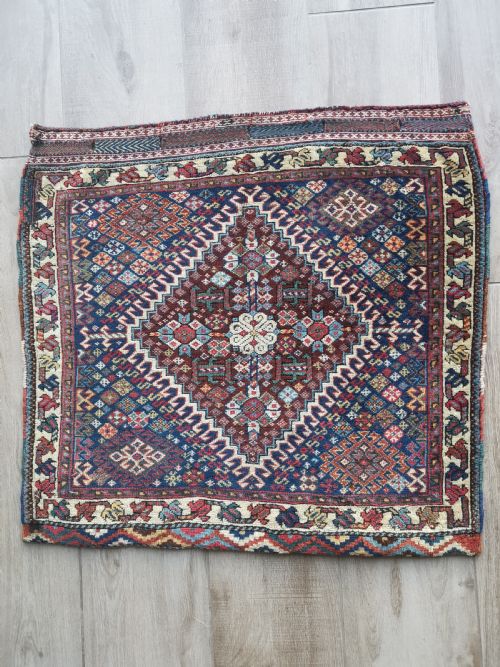
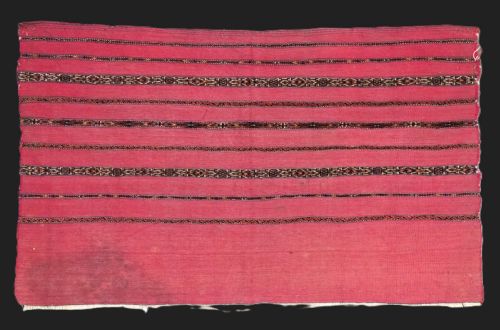
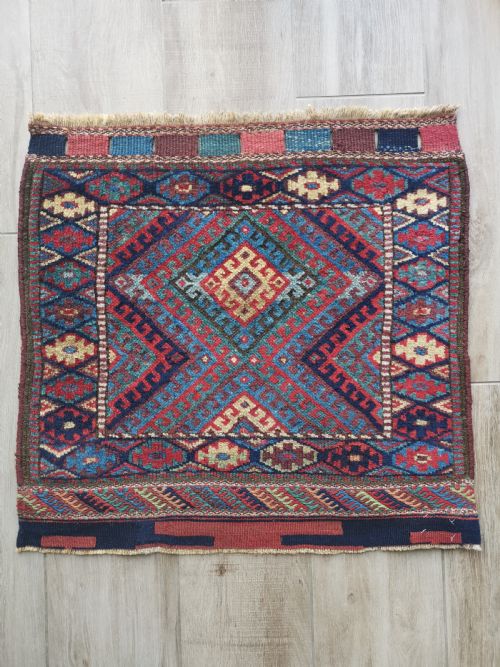
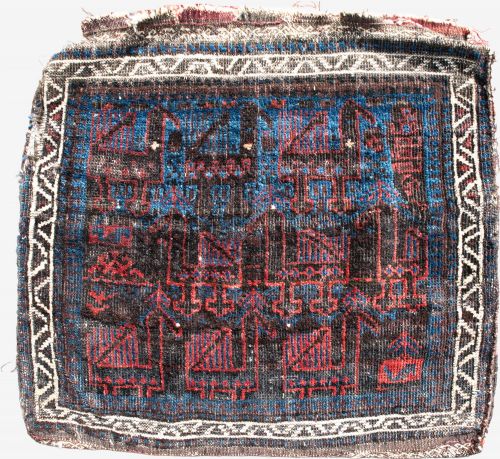


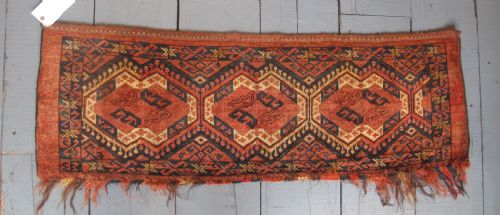


Antique Bagface Rug
An antique bagface rug offers a glimpse into nomadic life, preserving utilitarian tribal weaving as bold decorative art for modern interiors.
Antique Bagface Rug
The selections available here showcase tribal and nomadic artistry from regions spanning Persia, Turkmenistan, and the Caucasus. Pieces frequently represent specific groups such as the Turkmen, Baluch, Qashqai, Jaf Kurd, and Shahsevan. Formats range from squarish chuval and torba faces to elongated storage bagfaces and specialised bird bags.
Dating across these examples stretches from the mid-nineteenth century through to the early decades of the twentieth century. Buyers encounter smaller dowry pieces alongside larger storage formats intended for communal tents. Each surface tells a distinct story of regional design vocabulary and tribal identity.
Materials and Construction
Weavers relied on hand-spun wool for the primary pile and foundation, often incorporating cotton for structural strength and goat hair along durable selvedges. The heavy reliance on natural dyes produces rich, saturated tones of madder red, indigo blue, and earthy yellows that mellow gracefully over decades. Hand-spinning creates subtle irregularities in thickness, giving the wool a tactile, organic handle.
Nomadic workshops utilised warp-faced and symmetrical knotting techniques suited to portable upright and horizontal looms. Artisans integrated flatweave plain-back sections and specialised structural details to ensure the heavy containers withstood daily loading and camp movement. The density of the weave varies according to the specific tribal tradition, with certain Turkmen and Persian pieces displaying exceptionally fine knot counts.
Antique Bagface Rug Retail Price Guide 2026
Typical asking prices for bagface rug among the pieces listed under this phrase on Sellingantiques today, from the lower quarter to the upper quarter. They describe what is for sale here now, not the wider market.
The listings span the nineteenth and early twentieth centuries, featuring wool, cotton, goat hair, and natural dyes across Turkmen, Persian, and Baluch traditions.
Assessing Quality and Merit
Quality rests upon the crispness of the tribal design drawing and the integrity of the natural palette. Superior examples demonstrate confident proportions within medallion layouts like guls or specialised motifs such as bird designs and ikat patterns. The vibrancy and depth of natural dyes elevate an example far above pieces dyed with harsher chemical agents.
Structural tightness and the preservation of original borders or kilim skirts dictate the desirability of a textile. Fineness of weave, particularly in dowry pieces and torba faces, reflects the weaver's skill and the cultural importance of the commission. The harmony between pile preservation and age-commensurate patina ultimately determines the standing of an antique bagface.
The Antique Bagface Rug Glossary
- Bagface
- The decorated front panel of a nomadic storage sack, preserved as an independent textile after the utility of the original container ceased.
- Chuval
- A large Turkmen tent storage bag traditionally used for bedding and household goods, usually featuring multiple rows of guls.
- Torba
- A medium-sized Turkmen storage bag wider than it is tall, often displayed on tent walls or used during tribal migrations.
- Gul
- A primary octagonal medallion motif repeated across Turkmen and Central Asian tribal weavings to signify clan identity.
- Ikat
- A dyeing technique where yarn bundles are tie-dyed before weaving to create characteristic feathered pattern edges.
- Tubreh
- A Persian term for a tribal bag or saddlebag, encompassing smaller utilitarian carrier formats.
Antique Bagface Rug: Frequently Asked Questions
What is an antique bagface rug?
An antique bagface rug is the decorative front panel removed from a nomadic storage sack or saddlebag. These utilitarian items were made by tribal weavers for everyday camp life.
Over time, collectors separated the worn utility backs from the decorative pile faces to preserve the intricate tribal patterns. They now function as small decorative floor rugs or wall hangings.
How were these bags originally used?
Nomadic tribes utilised these heavy woven containers inside tents and on pack animals for storing grain, clothing, and bedding. Their sturdy construction protected contents from dust and moisture during seasonal migrations.
Specific formats like torbas and chuvals held distinct household goods within the tribal encampment. Their designs often indicated the specific clan or dowry status of the maker.
How do I clean and care for one?
Gentle surface brushing and careful low-suction vacuuming without a rotating beater bar help remove embedded dust from the wool pile. Professional textile conservators should handle deep washing to protect natural dye stability.
Keep these wool textiles out of direct, harsh sunlight to prevent fading. Using a breathable rug underlay prevents slipping and cushions the foundation fibres.
How can I tell tribal styles apart?
Turkmen pieces frequently feature orderly rows of octagonal guls in deep madder reds and browns. Persian tribal weavings by groups like the Qashqai or Baluch display more eccentric animal motifs, asymmetrical medallions, and rich blue tones.
Examining the selvedge finishes, wool quality, and knotting structure provides further clues to regional origins. Each tribal group maintained distinct palettes and geometric symbol systems passed down through generations.