


Antique Automata Clock
An antique automata clock brings mechanical movement into horology, combining timekeeping with dynamic figures or scenes.
Antique Automata Clock
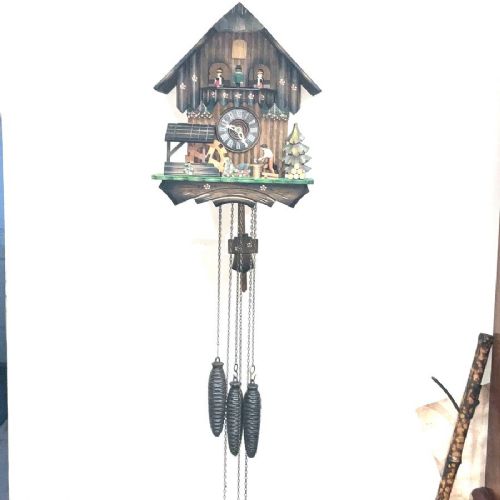
When you search for an antique automata clock, you encounter mechanical timepieces that integrate moving elements such as rocking ships, moving engines, or animated figures. These works span periods from the eighteenth century through the Victorian era and into the mid-twentieth century.
The selections available here range from tall longcase clocks and picture clocks to mantel and wall clocks. Many originate from British makers working during the Georgian and Victorian periods, alongside continental European examples.
How they were made
Clockmakers constructed these mechanisms using brass for gear trains and steel for pivots and springs. Cases relied on cabinet timbers such as mahogany, walnut, and lacquered wood, providing robust housings for both the timekeeping and animated movements.
Visual detail relied on hand-painted iron dials, glass glazing, and applied ormolu ornamentation. Slate and painted surfaces further enhanced the architectural presentation of industrial and mantel designs.
Listings feature timber cases in mahogany, walnut, and lacquered wood alongside brass, glass, and painted iron components.
What varies in quality
Quality rests upon the complexity and integration of the mechanical animation with the timekeeping train. Master makers ensured the movement of ships, figures, or engines operated smoothly without straining the primary escapement.
Cabinetwork and dial execution distinguish finer examples from standard production. Richly figured mahogany or walnut cases, combined with finely detailed painted iron or ormolu mounts, elevate the standing of the piece.
Richard Biggs Romsey·John Thompson London·Garman Meonstoke·Andre Guilmet·John Sly of Weymouth·Vurley of Wisbech
The Antique Automata Clock Glossary
- Automaton
- A self-operating machine or mechanism designed to automatically follow a predetermined sequence of operations, or produce a specified movement. In horology, this refers to the animated figures or scenes driven by the clockwork.
- Longcase clock
- A tall, weight-driven pendulum clock enclosed in a wooden case with a base, trunk, and hood. These floor-standing pieces often housed complex rocking ship mechanisms.
- Ormolu
- Gilded bronze or brass applied to clock cases and decorative mounts. This technique provides a bright metallic finish that complements timber and enamel dials.
- Picture clock
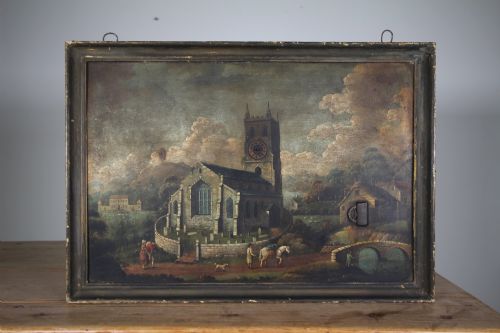
- A timepiece integrated into a framed painting or canvas. The moving elements often animate portions of the depicted landscape or marine scene.
Antique Automata Clock: Frequently Asked Questions
How do automata clocks work?
These clocks use an additional gear train linked to the main movement to drive mechanical figures or scenes. As the clock runs, cams and linkages translate rotational energy into repeating physical motion.
This integration requires careful calibration so the animation does not disrupt the accuracy of the timekeeping mechanism. Many examples tie the movement to the striking train or run continuously alongside the pendulum.
Where were these clocks made?
Production centres spanned Britain and continental Europe, with notable longcase pieces originating from English provincial towns and London workshops. Continental makers produced industrial and figurative mantel variations.
Regional styles often reflect the local cabinetmaking traditions and the specific mechanical specialties of the horologist.
How do I care for the movement?
Regular maintenance by a qualified horologist ensures both the timekeeping and animation trains remain lubricated and aligned. Environmental stability regarding temperature and humidity protects the timber case and delicate internal linkages.
Gentle handling when winding and setting the time prevents strain on the driving weights or springs.
What periods do these pieces span?
The pieces available range from eighteenth-century Georgian longcase clocks to Victorian and later twentieth-century wall and desk pieces. Each era brought distinct aesthetic preferences, from classical mahogany cases to industrial brass machinery.
Design styles shifted from Rococo ornamentation toward industrial engineering representations as manufacturing techniques evolved.