
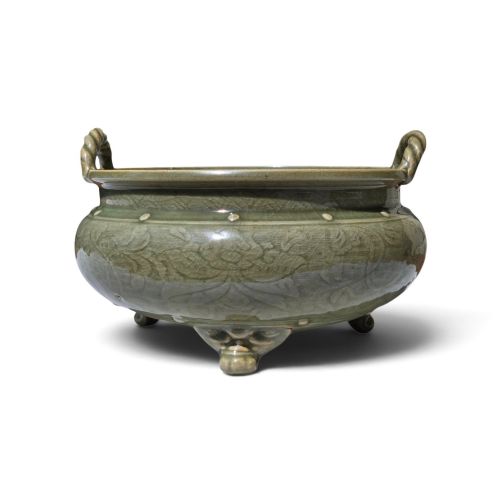
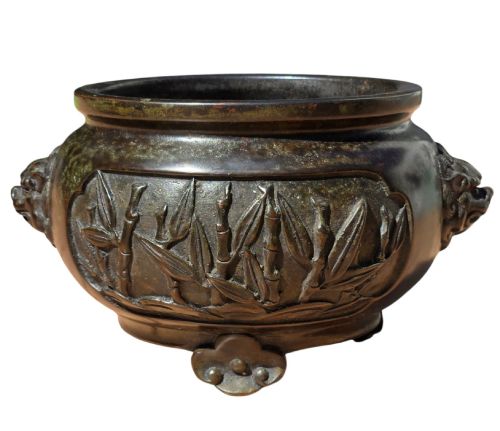
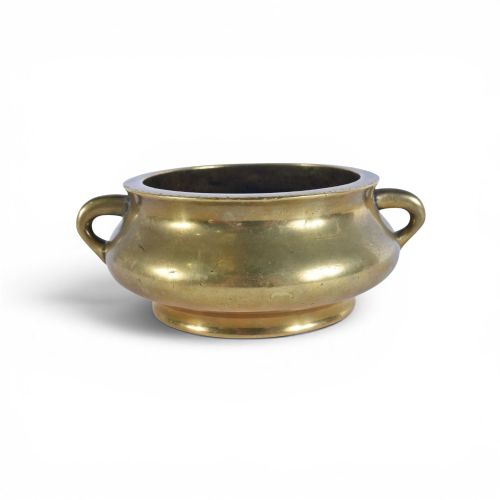
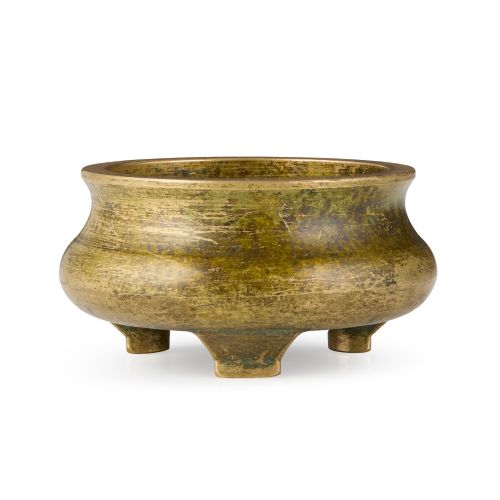
Antique Asian Incense Burner
An antique asian incense burner brings centuries of ritual craft into a room, offering sculptural form and refined metalwork or porcelain.
Antique Asian Incense Burner
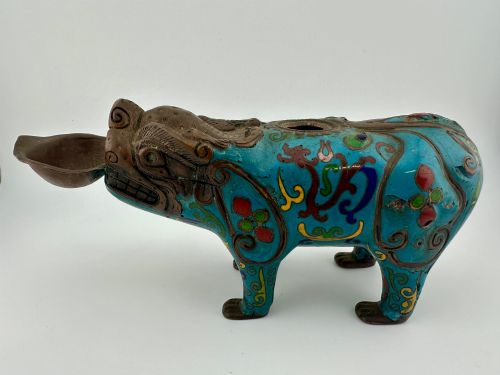
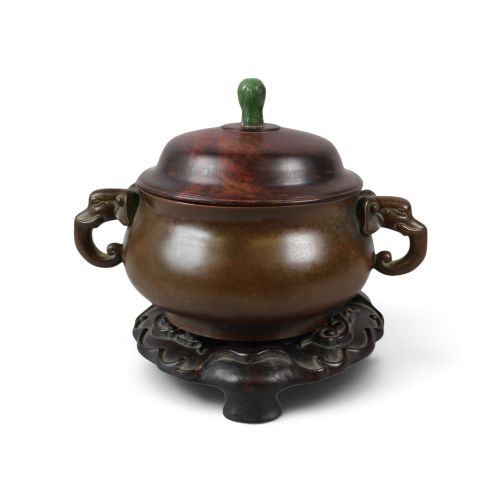
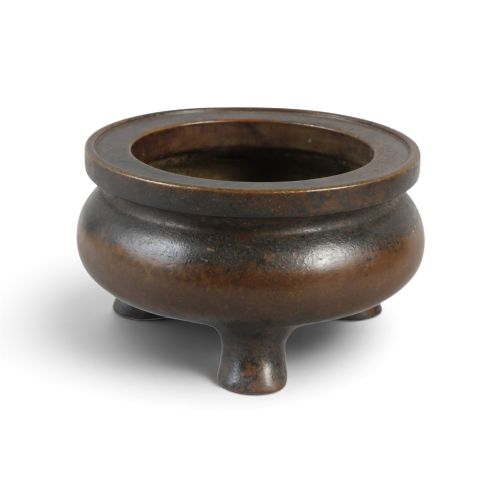
The inventory on this page spans several centuries, reaching from the Ming and Qing dynasties in China through to the Meiji period in Japan. Bronze tripod vessels with handles and pierced lids appear frequently among these listings alongside porcelain and cloisonné examples.
Scholar's vessels and ritual objects dominate the selection, often bearing apocryphal marks or specific studio inscriptions. These pieces reflect distinct utilitarian and decorative traditions developed for domestic display and ceremonial use.
How they were made
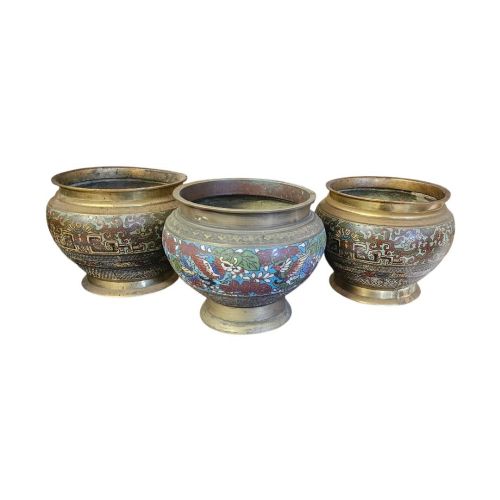
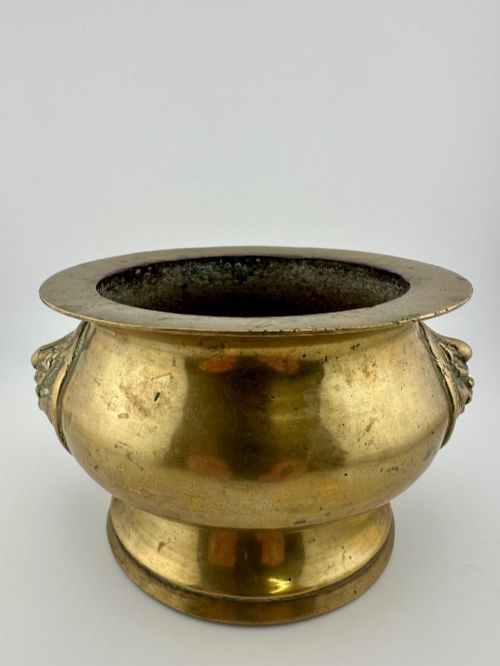
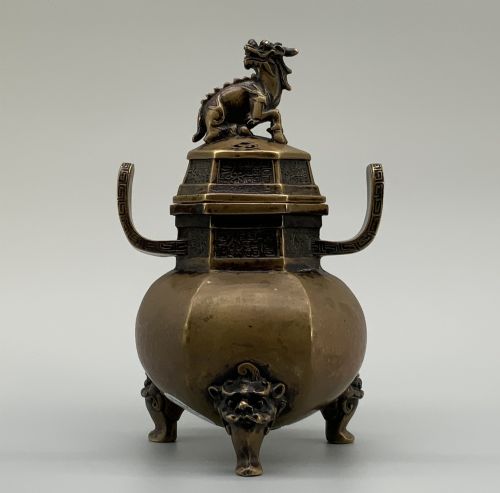
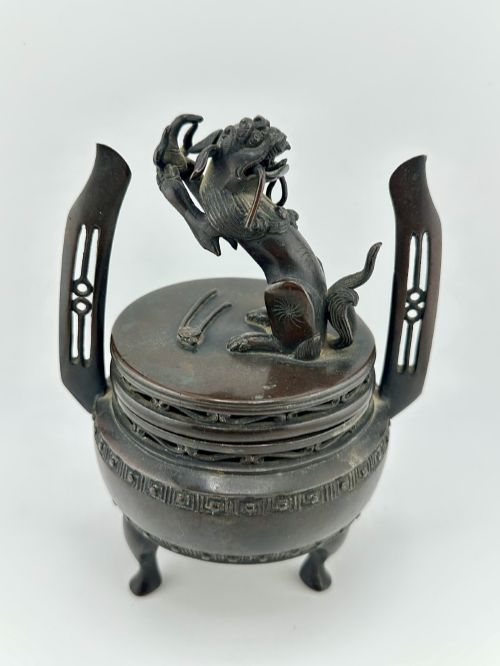
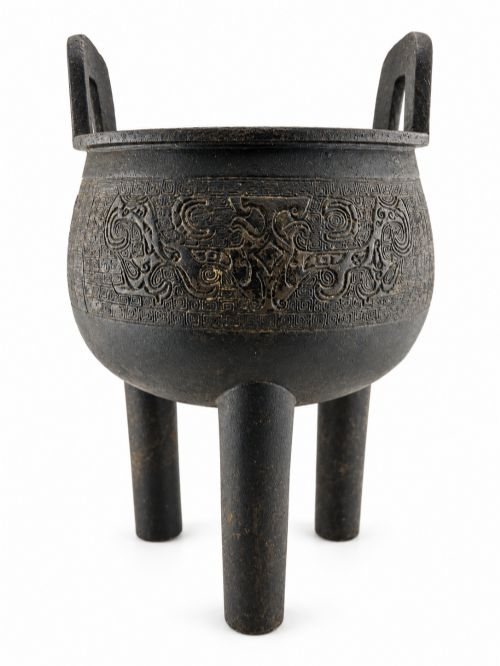
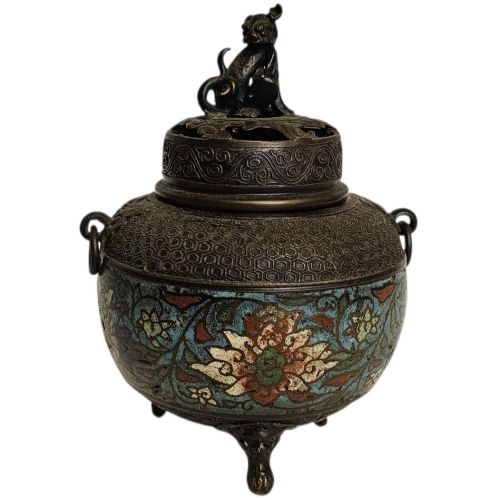
Metal vessels rely on lost-wax or heavy sand-casting techniques using bronze and brass, sometimes finished with champlevé or cloisonné enamel work. Artisans incorporated cast elements such as lion mask handles, qilin finials, and taotie relief decoration directly into the bodies.
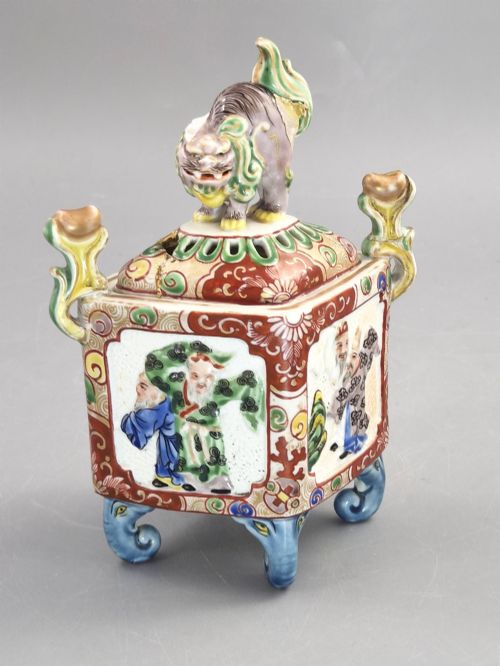
Ceramic examples utilise high-fired porcelain, earthenware, or celadon glazes shaped into tripod forms and detailed with reticulated panels. Japanese pieces incorporate hand-painted Satsuma enamels and intricate sculpted figures like dragons and lions upon the lids.
Several bronze censers feature surprisingly athletic goat or qilin finials perched atop their lids to supervise the smoke.
What varies in quality
Casting weight and wall thickness separate everyday vessels from superior examples, with heavier bronzes demonstrating denser metal composition and resonant bell-like tones. Precision in chasing and the crispness of relief panels indicate the skill level of the original workshop.
Surface patination and the preservation of original gilding or enamelling dictate visual appeal. Finer pieces maintain intricate surface detailing without obscuring the underlying metalwork or ceramic body.
Xuande Mark·Wu Bangzuo Mark·Kotobuki do·Kizan·Shizan
The Antique Asian Incense Burner Glossary
- Censer
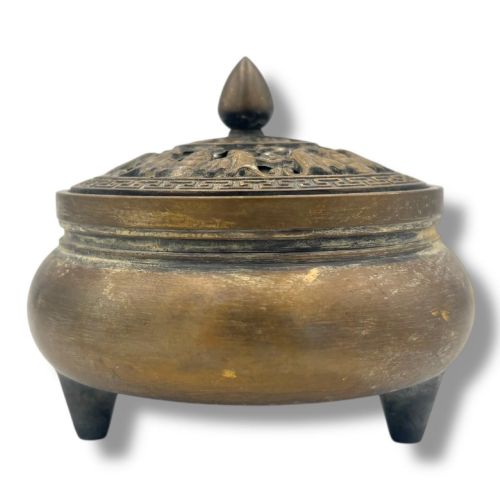
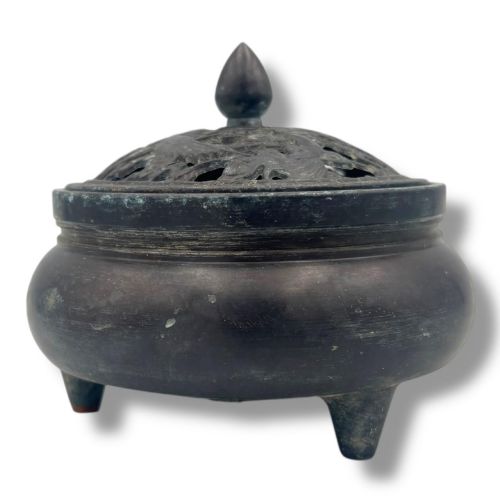
- A vessel designed specifically for burning incense. These items often feature pierced covers to allow smoke to disperse evenly.
- Tripod
- A vessel supported by three feet. This configuration provides stability on traditional surfaces and elevates the body of the container.
- Cloisonne
- A decorative metalwork technique where compartments are created using soldered wires and filled with enamel paste before firing. This method produces vibrant surface patterns and colourful motifs.
- Celadon
- A type of ceramic glaze originating in China known for its jade-green colour and crackle effect. It is typically applied to heavy stoneware and porcelain bodies.
Antique Asian Incense Burner: Frequently Asked Questions
What is an antique asian incense burner used for?
These vessels served to burn aromatic resins, woods, and powders during personal meditation, scholarly contemplation, and formal rituals. The pierced covers allowed fragrant smoke to fill domestic and temple spaces gradually.
Today, collectors appreciate them primarily as decorative sculptural objects or display pieces. Many retain their original covers and stands, making them focal points in interior settings.
How do I tell Chinese bronzes from Japanese bronzes?
Chinese bronze vessels frequently reference archaic ritual forms such as ding tripods and incorporate taotie masks or dragon motifs derived from early dynasties. Their surface treatments often emphasise deep patination, scholarly marks, or inlaid champlevé enamel.
Japanese bronzes from periods like the Meiji era tend to exhibit naturalistic animal finials, such as goats or monkeys, alongside intricate mixed-metal applications. They often reflect a sculptural focus on flora and fauna combined with high-relief casting.
What does a Xuande mark mean on a censer?
A Xuande mark refers to the Xuande emperor of the Ming dynasty, during which exceptional bronze casting flourished. Most marks encountered on later vessels are honorific tributes rather than literal evidence of fifteenth-century manufacture.
Craftsmen in later Qing centuries routinely added these seals to acknowledge high standards of metallurgical skill. Evaluating the piece requires looking at the quality of the bronze casting and patination alongside the mark itself.
How should I clean a bronze incense burner?
Bronze vessels benefit from gentle dusting with a soft, dry brush to preserve their accumulated historical patina. Aggressive polishing or chemical cleaners remove the stable surface oxidation that accumulates over centuries.
Keeping the metal away from excessive moisture and direct sunlight prevents further surface degradation. Proper environmental conditions protect both the bronze body and any delicate enamel inlays.