
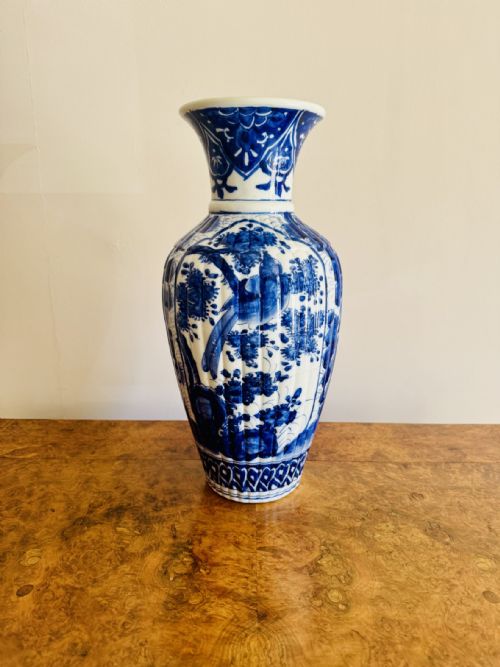
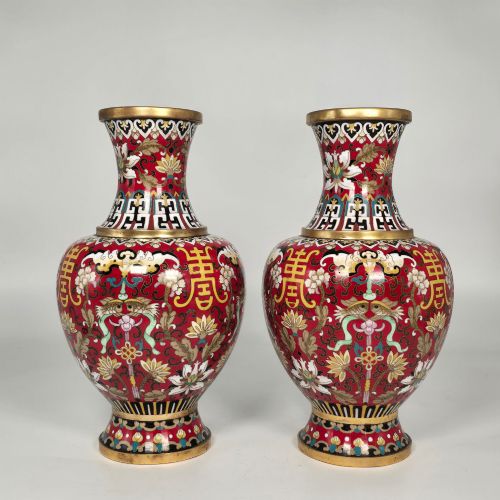
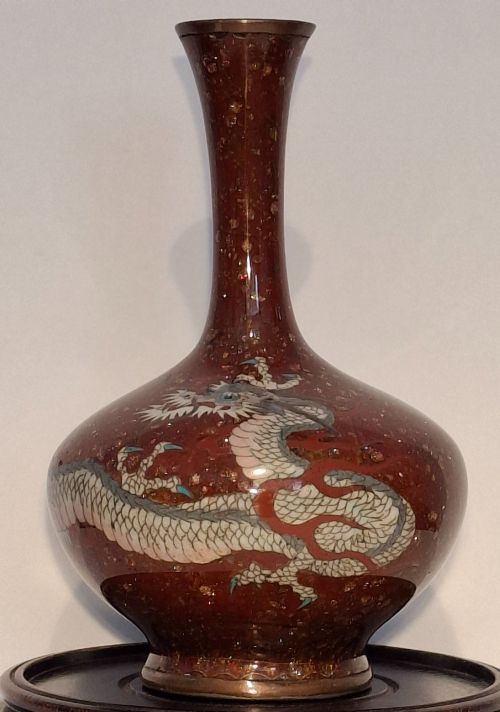
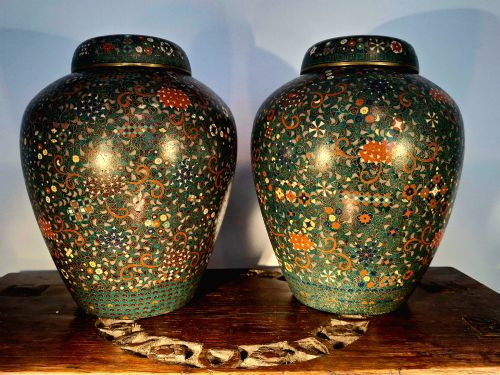
Antique Asian Decorative Vessel
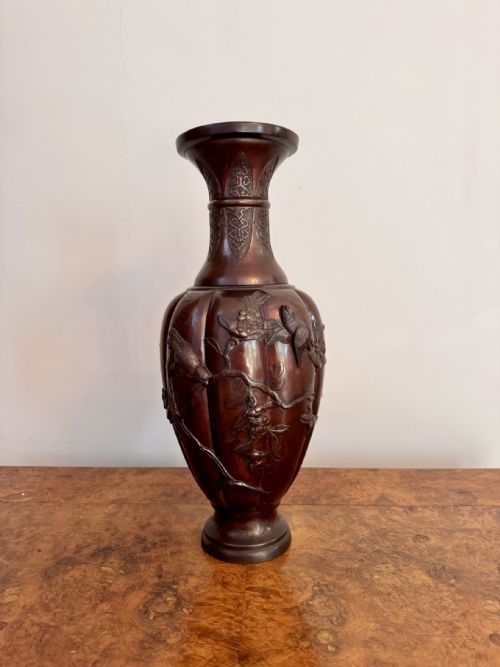
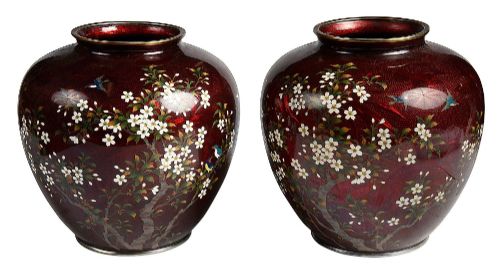
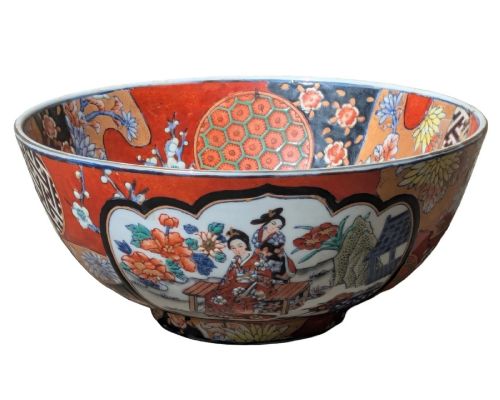
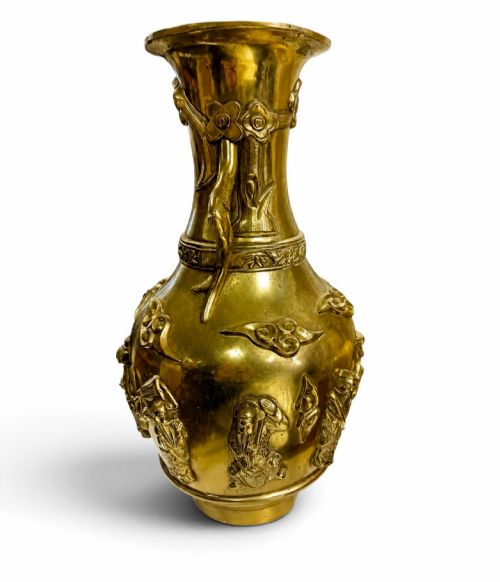
An antique asian decorative vessel brings sculptural form and intricate detail into a room, spanning bronze, porcelain, and cloisonné enamel.
Antique Asian Decorative Vessel
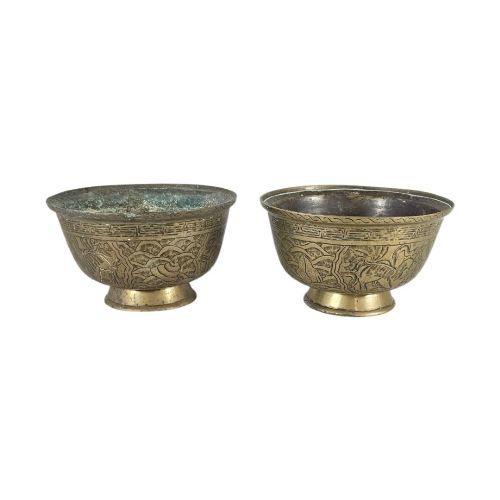
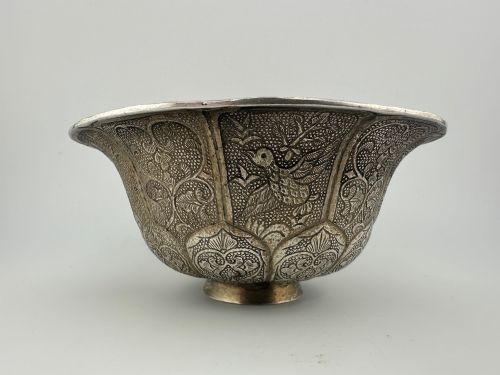
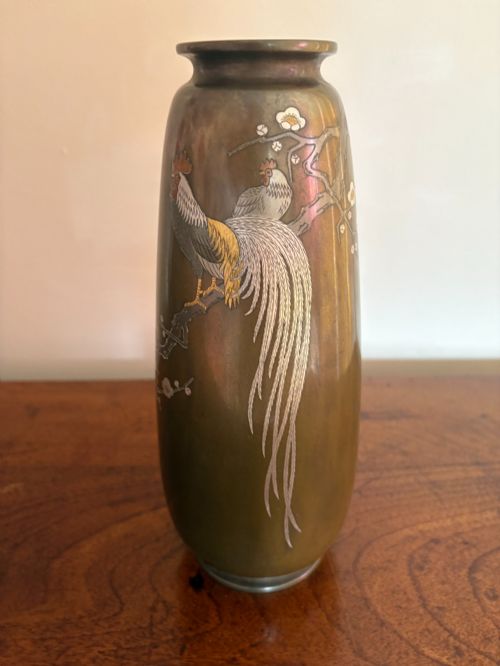
An antique asian decorative vessel encompasses a diverse range of objects created across the nineteenth and early twentieth centuries. Buyers frequently encounter vases, decorative bowls, and ginger jars originating from China and Japan.
Utilitarian items transformed into display pieces also appear, such as flower-arranging baskets and ashtrays. These vessels reflect both traditional domestic use and export production aimed at international collectors.
How they were made
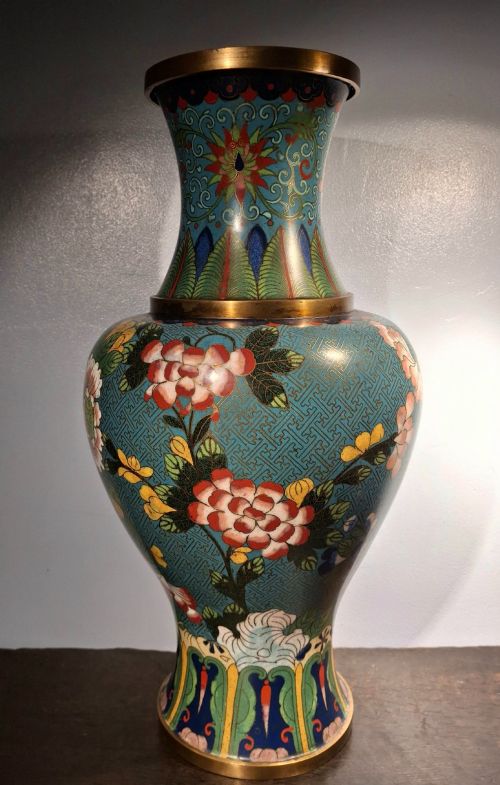
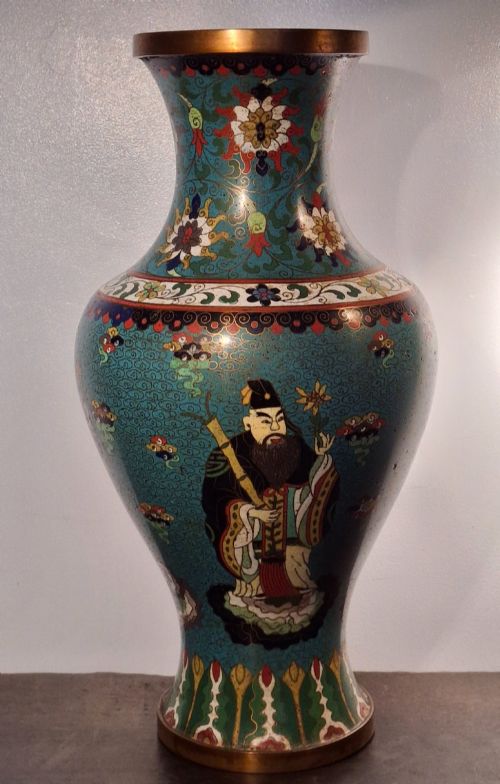
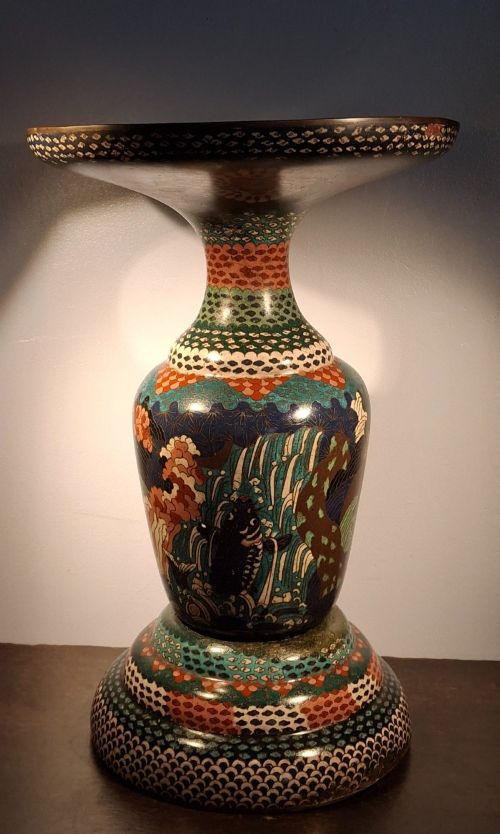
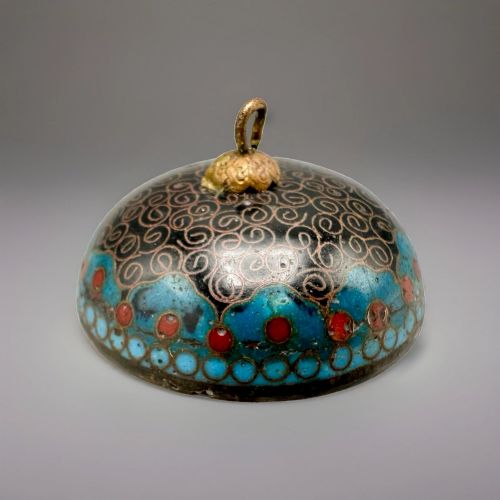
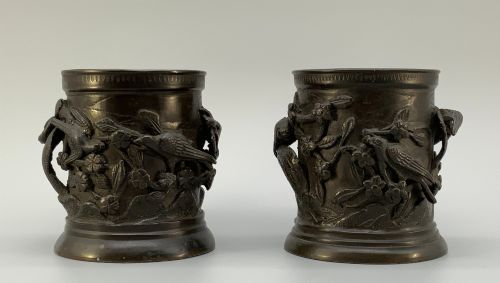
Metalsmithing techniques define many of the pieces, utilising bronze, brass, and copper alloy cast with high-relief motifs or inlaid details. Cloisonné enamel involves soldering delicate metal wires to a metal base to form cells, which are then filled with coloured enamel paste and fired.
Ceramic vessels employ earthenware, stoneware, and porcelain bodies finished with glazes, blue and white pigments, or painted enamel-on-copper. Artisans also utilised carved red cinnabar lacquer built up in numerous layers over a core.
A few antique vessels started life as heavy-duty spice storage before settling down as polite porcelain ornaments.
What varies in quality
The precision of the workmanship dictates the distinction between standard production and exceptional examples. Crisp wirework in cloisonné, deeply articulated high-relief casting in bronze, and finely controlled brushwork on porcelain signal superior execution.
Artistic attribution and signatures from recognised makers elevate individual pieces. The complexity of the composition, such as multi-layered figurative scenes or integrated dragon handles, further separates ambitious works from simpler domestic wares.
Tsukamoto Hikokichi·KANASAWA·Makuzu Kozan II·Kozan·Chosei·Kizan
The Antique Asian Decorative Vessel Glossary
- Cloisonné enamel
- A metalworking technique where thin flat wires form raised barriers on a surface to contain coloured vitreous pastes. These compartments are fired and polished smooth.
- Imari
- A style of Japanese porcelain featuring a distinct palette of underglaze blue and iron red, often supplemented with gold. Production centred on the town of Arita for both domestic use and export.
- Satsuma
- A type of Japanese earthenware characterised by a pale, ivory-colored cracked glaze decorated with detailed enamels and gilding. Pieces frequently bear artist signatures on the underside.
- Baluster
- A vase form with a rounded body that tapers toward the base and flares slightly at the neck, resembling a traditional architectural baluster.
- Cinnabar lacquer
- A decorative surface treatment created by applying dozens of layers of red lacquer onto a wooden or metal base before carving intricate patterns into the hardened material.
Antique Asian Decorative Vessel: Frequently Asked Questions
How do I care for antique enamel vessels?
Keep metal and enamel pieces away from direct sunlight and high humidity to protect the delicate surface layers.
Dust gently with a dry, soft cloth and avoid chemical cleaning agents or liquid polishes entirely.
What is the difference between bronze and brass vessels?
Bronze is an alloy primarily composed of copper and tin, whereas brass combines copper with zinc. Bronze typically exhibits a deeper, richer patina over time.
Both materials were cast and chased by skilled artisans to create detailed decorative vessels.
Where were ginger jars originally used?
Ginger jars initially served as storage containers for spices, salt, and oils in traditional households.
By the nineteenth century, Western export markets adopted them purely as decorative interior display items.
How do I identify a Meiji period piece?
The Meiji period spans from 1868 to 1912, a time when Japanese craftsmanship expanded rapidly for international export. Pieces from this era often display exceptional technical mastery in metalwork and Satsuma ceramics.
Look for refined surface details, maker signatures, and stylistic motifs influenced by both traditional culture and Western demand.