
Antique Ash Furniture
Antique ash furniture brings the robust character of English country houses into modern rooms through sturdy chairs, tables, and chests.

Antique Ash Furniture
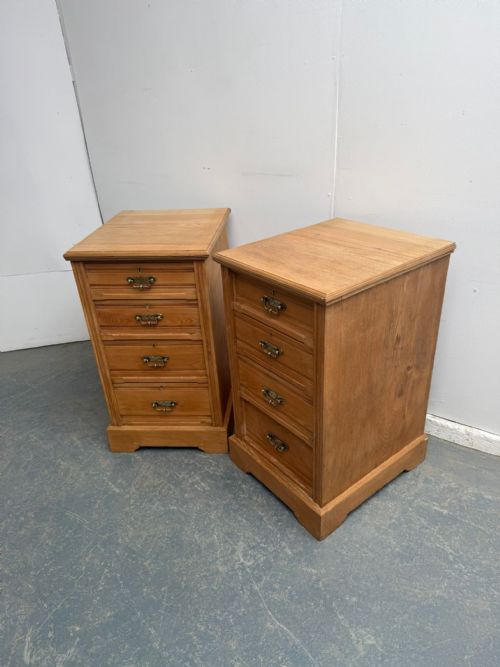
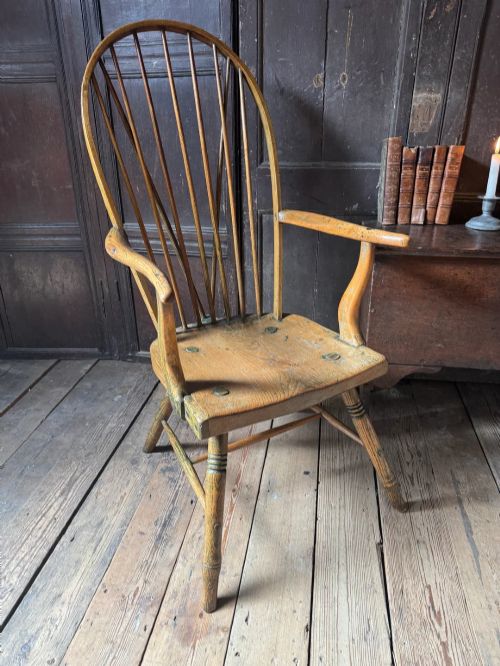
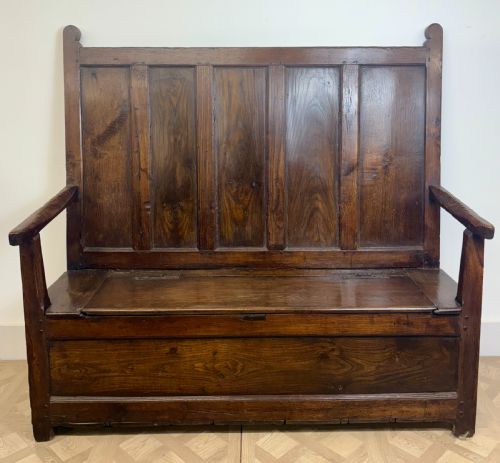
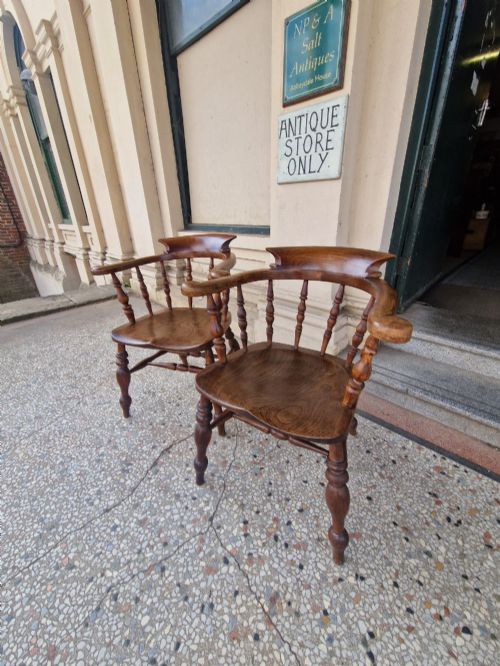
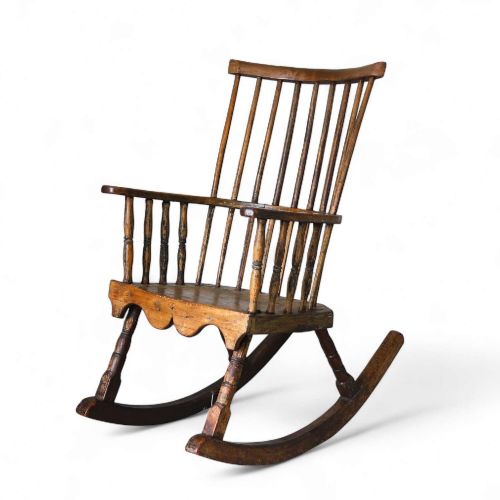
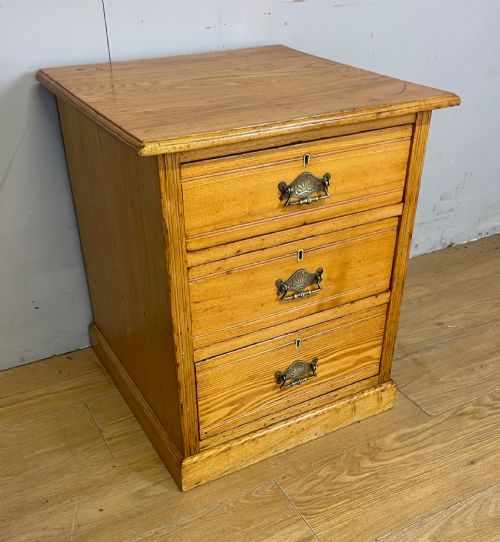
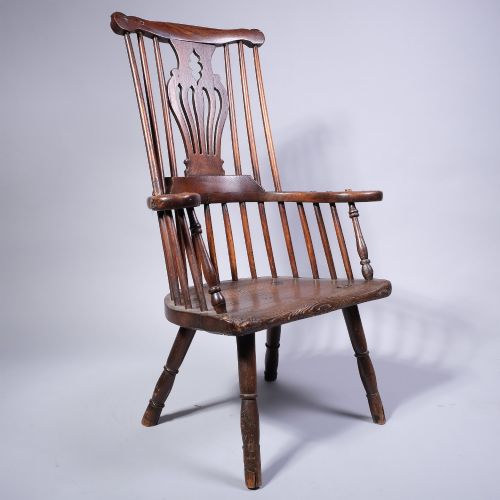
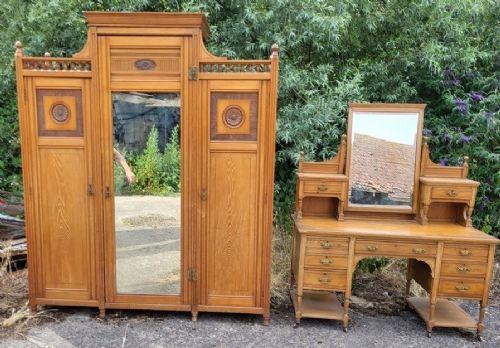
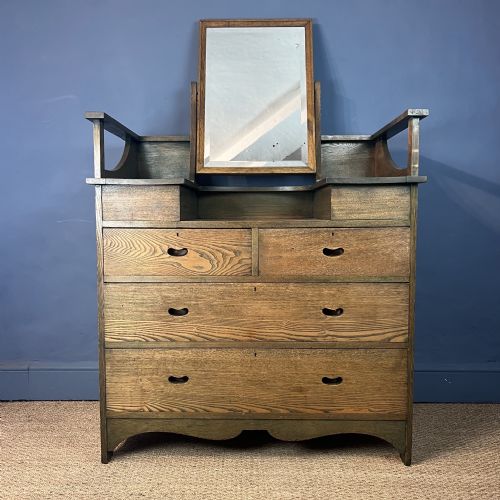
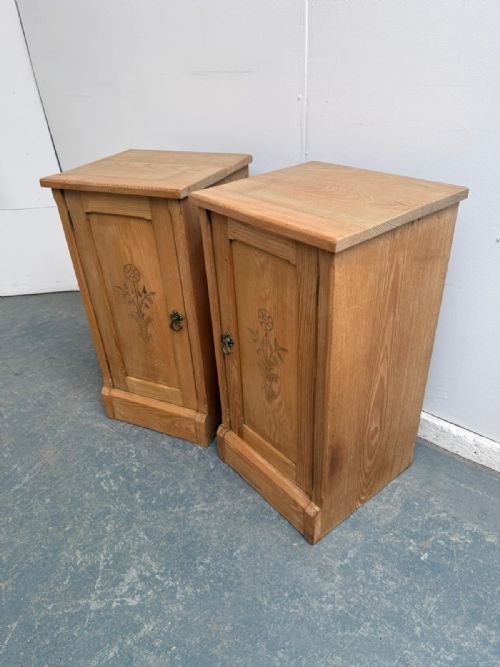
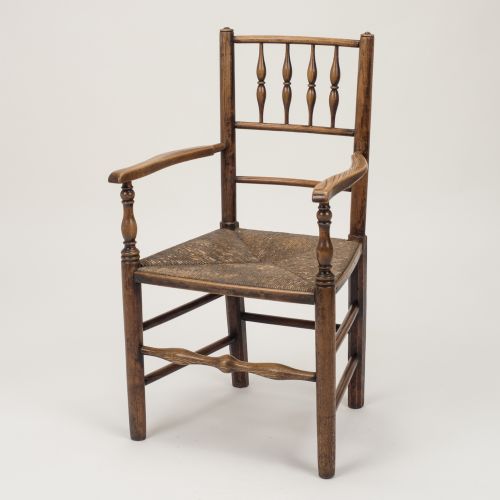
Antique ash furniture encompasses a rugged category of domestic utilitarian objects made from dense hardwood, spanning the Georgian, Victorian, and Edwardian eras. Buyers searching for antique ash furniture frequently encounter regional seating, particularly Windsor armchairs, alongside utilitarian storage pieces such as chests of drawers and bedside cabinets.
The surviving inventory bridges formal urban cabinet-making and vernacular country craftsmanship, crossing styles from Georgian vernacular to Arts and Crafts. Pieces often combine ash with complementary native timbers like elm, oak, and fruitwood to balance structural strength with grain variation.
How these pieces were made
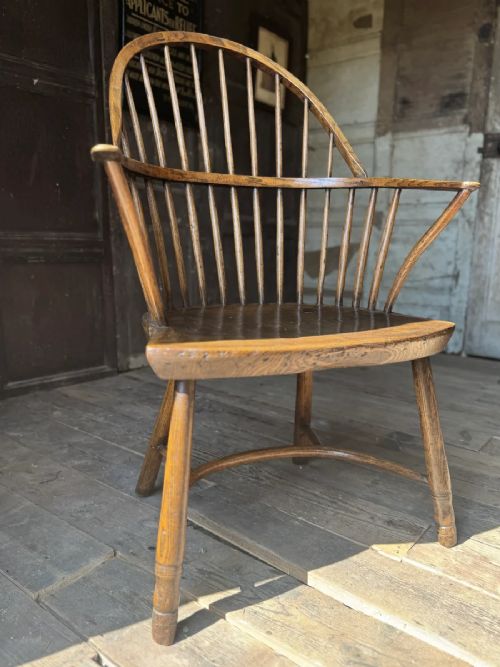
Craftsmen utilised ash for its combination of high elasticity and impact resistance, frequently pairing it with elm seats in Windsor chairs and seating constructs. Turning lathes shaped spindles and legs, while hand planes and drawknives formed solid board surfaces for tables, chests, and box settles.
Joinery methods relied on traditional pegged mortise and tenon joints, Windsor tenons wedged through seats, and box construction for case goods. Wax polishes and oils protected the timber while enhancing the natural pale tone and figuring of the wood.
Antique Ash Furniture Retail Price Guide 2026
Typical asking prices for ash furniture among the pieces listed under this phrase on Sellingantiques today, from the lower quarter to the upper quarter. They describe what is for sale here now, not the wider market.
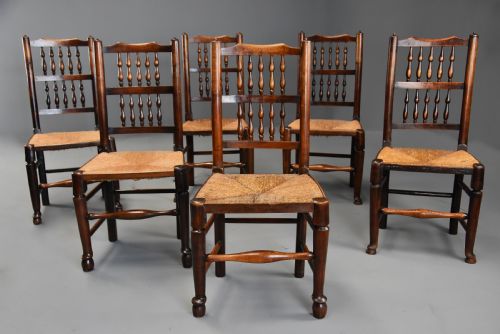
Several chairs feature humble rush, plaited straw, or solid wood carved low specifically for lace makers and nursing children.
What varies in quality
Quality diverges between utilitarian provincial items and ambitious architect-designed pieces produced during the Arts and Crafts movement. The finesse of turning work on chair spindles, the balance of timber selection in multi-wood combinations, and the retention of an original waxed surface dictate the standing of individual items.
Structural integrity depends on the preservation of original wedged joints and minimal replacement components in regional seating. Greater sculptural fluency in comb-back and hoop-back Windsor forms elevates certain examples far above standard farmhouse output.
Shapland & Petter·George Walton·Harris Lebus
The Antique Ash Furniture Glossary
- Windsor chair
- A wooden chair built with a solid saddle-shaped seat into which the legs and back spindles are separately inserted. This form typically combines ash frames with elm seats for optimal strength.
- Comb-back
- A Windsor chair design variation where the top rail resembles a traditional hair comb, featuring vertical spindles rising through a horizontal headpiece. These frames often incorporate ash and sycamore.
- Crinoline stretcher
- An arched hoop stretcher connecting the legs of a chair to provide rigidity and foot support. It is commonly found on 18th-century West Country Windsor armchairs.
- Cricket table
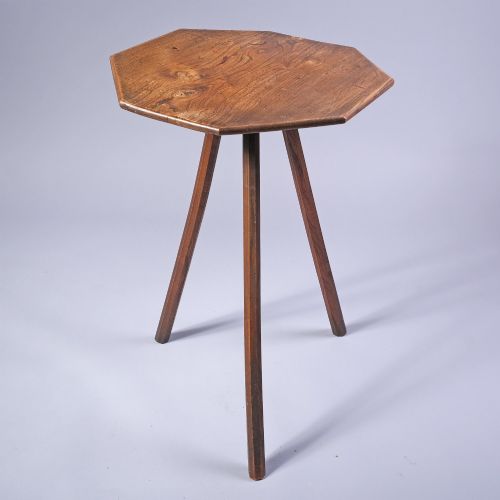
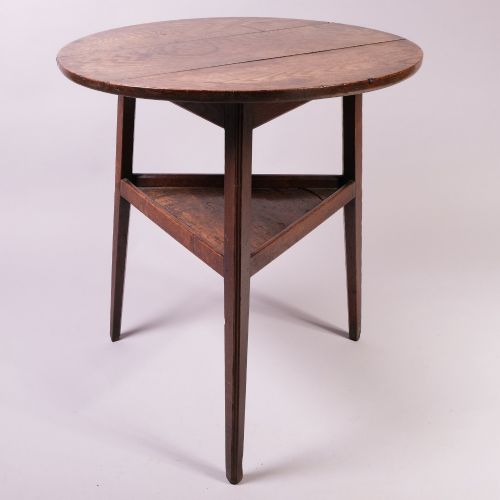
- A small, lightweight three-legged occasional table designed for stability on uneven stone floors. They are frequently constructed entirely from ash and oak.
- Súgán
- An Irish term for a twisted straw or hay rope used for weaving seat bases. These seats appear on regional chairs alongside rush and solid wood.
Antique Ash Furniture: Frequently Asked Questions
What is a Windsor chair?
A Windsor chair is a distinct seating form constructed by inserting turned spindles and legs directly into a solid, heavily sculpted wooden seat.
Craftsmen built these chairs using flexible timbers like ash for the upper framework and dense woods like elm for the saddle seat to ensure durability.
How do I identify vernacular furniture?
Vernacular furniture is identified by its regional construction methods, practical utility, and reliance on local unpretentious hardwoods rather than imported veneers.
These domestic items reflect the specific tool traditions and timber availability of rural districts like the West Country or Yorkshire.
Why is ash combined with elm?
Ash and elm were paired because each timber suited different structural demands within the same piece of furniture.
Ash provided exceptional tensile strength and flexibility for bentwood hoops and turned spindles, while interlocking elm grain resisted splitting under the downward pressure of a saddle seat.
How do I care for waxed ash?
Waxed ash requires occasional gentle cleaning and regular applications of traditional beeswax to nourish the dry hardwood and maintain its protective finish.
Keeping pieces away from direct heat sources and fluctuating humidity prevents the solid timber boards from splitting or warping over time.