




Antique Artwork on Metal
These antique artwork on metal pieces span centuries and continents, bringing enduring metallic texture and painted detail into your collection.
Antique Artwork on Metal
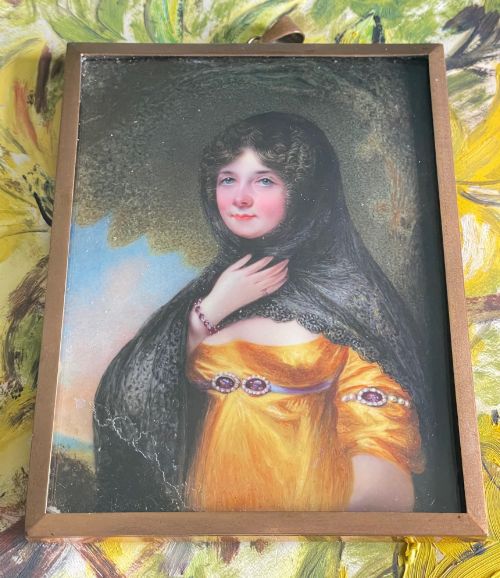
When you search for antique artwork on metal, you encounter a diverse gathering of objects where artists painted, enamelled, or cast imagery directly onto copper, bronze, zinc, tin, iron, and gilt metal. The selection ranges from portrait miniatures and religious icons to large repousse shields, decorative plates, and freestanding sculptures.
You are most likely to meet 19th-century examples alongside works from the 18th century, the Regency period, and the Edwardian era. These pieces often originate from European workshops as well as Asian traditions, notably Meiji period Japanese cloisonne and Qing dynasty decorative plates.
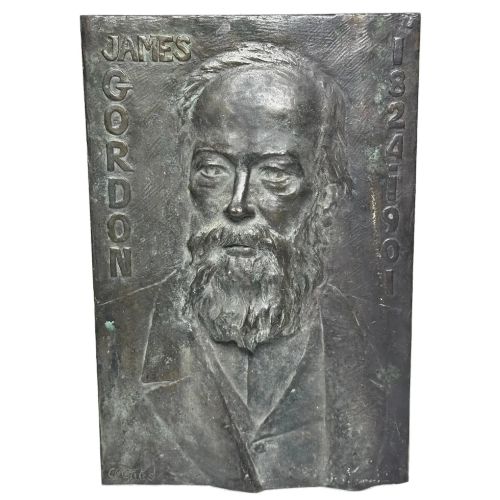
Forms vary from flat panels bearing oil paintings or enamel plaques to three-dimensional bronze figures and cast iron portrait busts. Each object unites metallic durability with fine artistic execution, creating a distinct visual presence that paper or canvas alone does not achieve.
How they were made
Maker utilise base metals such as copper, bronze, zinc, and iron as a rigid ground for paint, enamel, and relief carving. Painters applied oils directly to copper plates or zinc panels, while cloisonne workers fused coloured enamel within delicate metal wires on copper bases.
Sculptural pieces involve casting bronze or iron, sometimes followed by chasing, repousse work, or applying a bronzed surface finish to heighten depth and contrast. Mixed metal techniques combine different alloys to create tonal variation across the surface of vases and plaques.
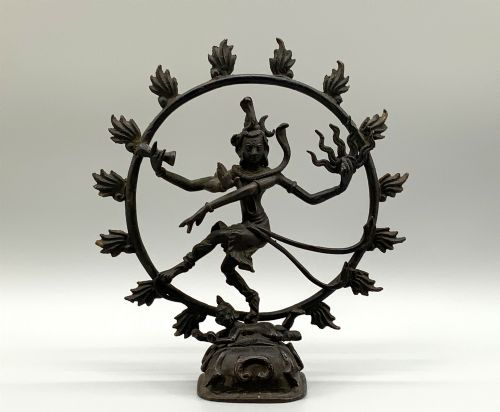
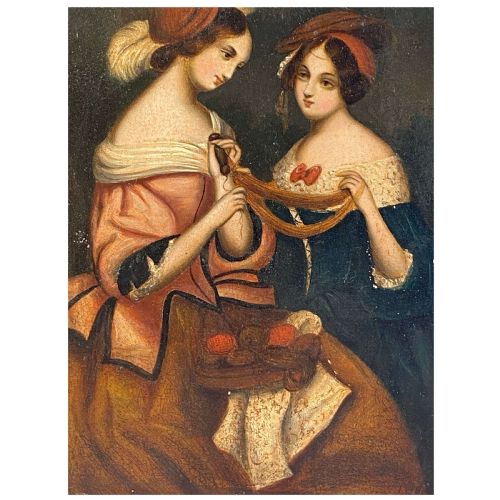
The selection includes European oil paintings on zinc panels alongside Japanese cloisonne plates and Indian bronze figures.
What varies in quality
Quality rests upon the precision of the metalwork and the finesse of the surface painting or enamel application. Superior pieces demonstrate crisp definition in cast relief and meticulous brushwork in portraits or landscapes.
The integration between the metallic support and the artistic medium defines the hierarchy. Works where enamel colours remain vibrant without loss, or where bronze chasing preserves sharp anatomical and decorative details, stand clearly apart from coarser production.
Horace Hone·Justo de Gandarias·Lucien Madrassi·Leonhard Posch
The Antique Artwork on Metal Glossary
- Repousse
- Metalworking technique where the metal is hammered from the reverse side to form a raised design in relief. This method gives decorative plaques and shields their prominent sculptural depth.
- Cloisonne
- Enamelling method using thin metal wires soldered to a metal base to create compartments for coloured paste. Firing produces a smooth, patterned surface seen frequently on Asian plates and vases.
- Portrait Miniature
- Small-scale painting executed with great detail on materials such as enamel, copper, or paper. These intimate works capture likenesses with remarkable precision.
- Gilt Metal
- Metal base coated with a thin layer of gold or gold-coloured wash. It provides a bright, reflective finish often utilised for frames and decorative objects.
- Icon
- Panel painting of a religious subject, traditionally executed on wood or metal surfaces within Eastern Christian contexts. They carry significant devotional and cultural history.
Antique Artwork on Metal: Frequently Asked Questions
What metals were commonly used for these artworks?
Makers utilised copper, bronze, zinc, tin, iron, and gilt metal as durable grounds for painting and relief work.
Copper and bronze appear most frequently, supporting everything from delicate oil portraits to large sculptural figures and repousse panels.
How do I care for antique metal paintings?
Keep metal artworks in stable environmental conditions away from excessive moisture and direct sunlight to protect painted or enamelled surfaces.
Dust gently with a dry, soft cloth and avoid abrasive cleaning agents that might damage the metallic finish or the pigments above.
Are these pieces purely decorative?
Many objects served both aesthetic and functional roles within historic interiors, acting as wall art, wearable art, or tabletop display pieces.
Items such as decorative plates, painted fan leaves, and bronze sculptures were designed to showcase wealth, taste, and fine craftsmanship.
How can I distinguish 18th-century from 19th-century metalwork?
Stylistic markers, such as Georgian or Regency framing and painting conventions, often point towards the 18th century or early 1900s.
Examining the metal preparation, mounting techniques, and signatures helps date the piece more precisely alongside known periods like the Meiji era or Victorian times.