
Antique Armoire Storage Cabinet
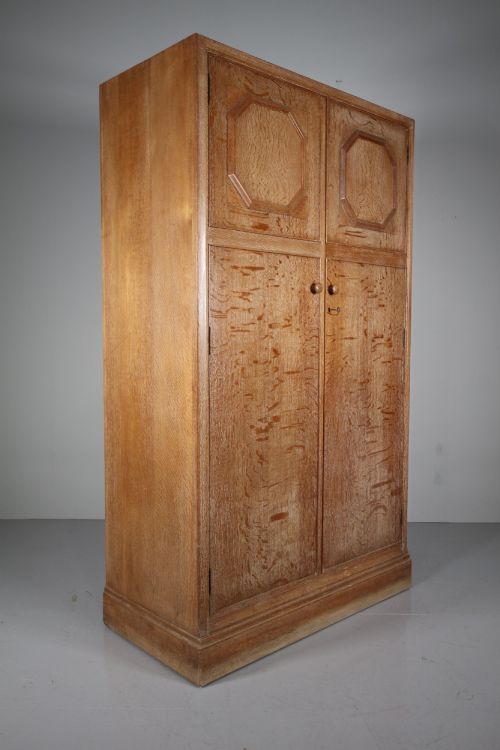
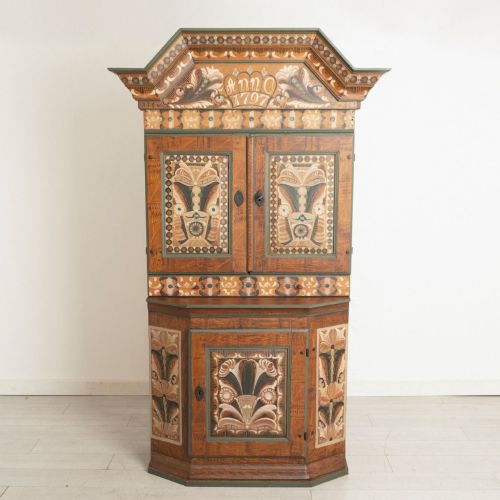
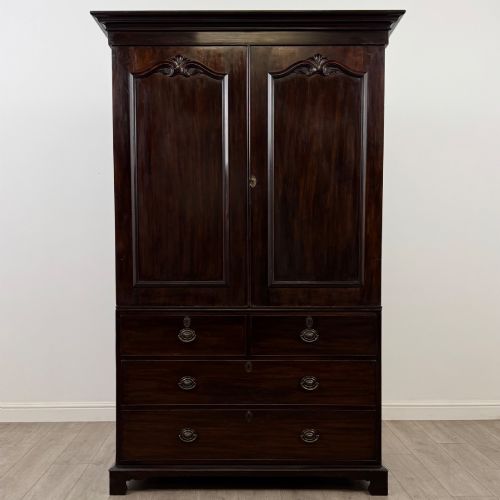
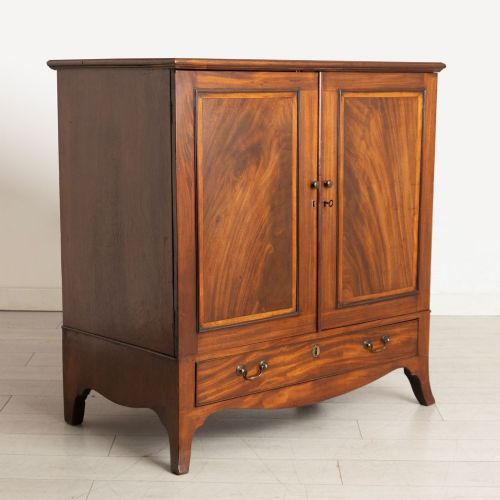
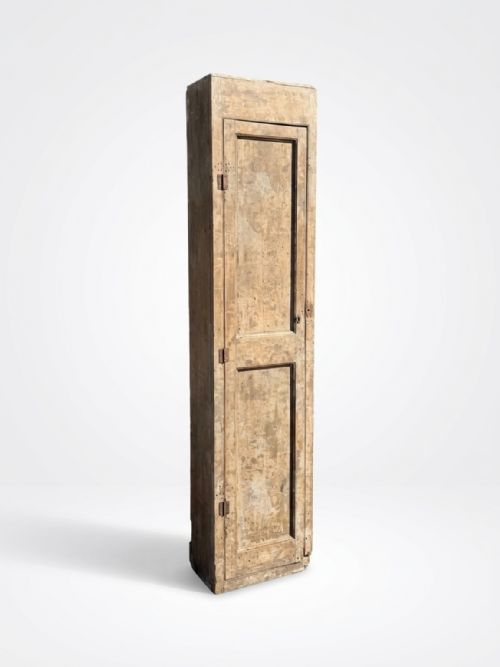
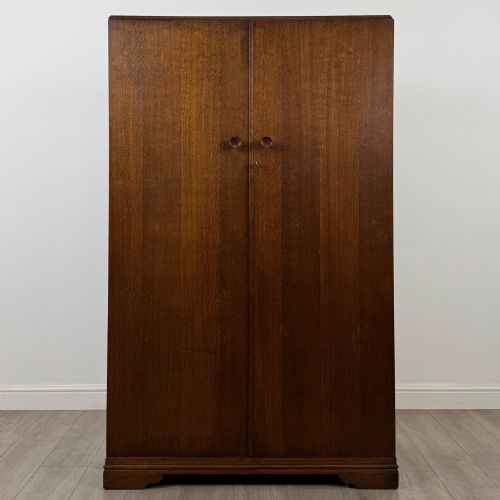
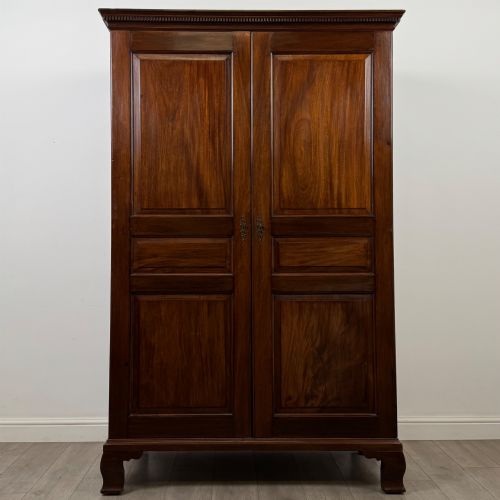
An antique armoire storage cabinet provides generous architectural presence and deep storage, spanning grand mahogany presses and rustic painted pine wardrobes.
Antique Armoire Storage Cabinet
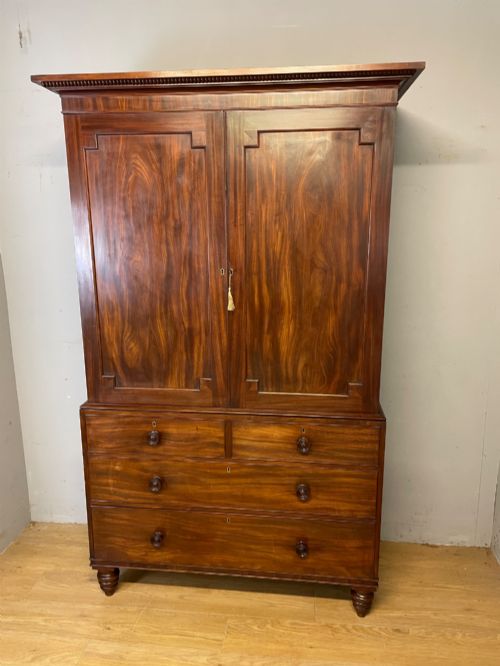
When you search for an antique armoire storage cabinet, you encounter substantial furniture designed to hold garments, linen, and household goods. These pieces range from formal Georgian and Regency mahogany presses to robust Victorian pine wardrobes and French provincial oak armoires.
The version you meet most often on this page is the 19th-century pine or mahogany wardrobe and linen press. These domestic storage items combine hanging space with internal shelving and drawers, utilising substantial timber construction.
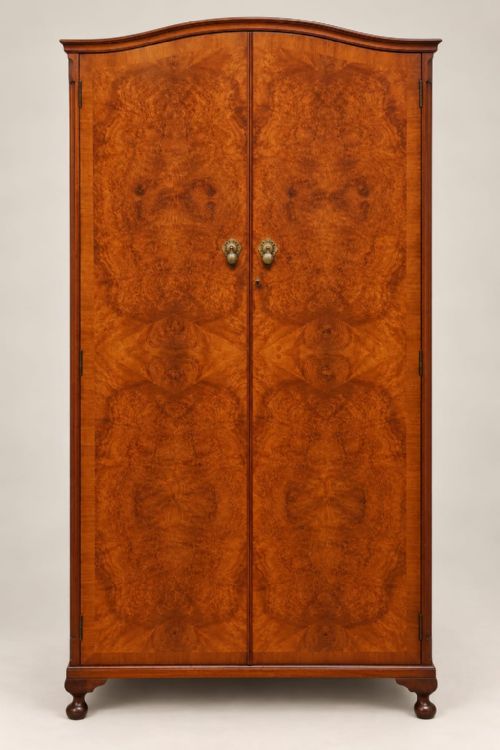
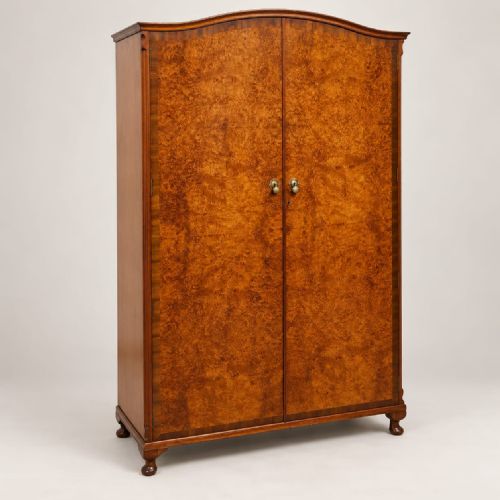
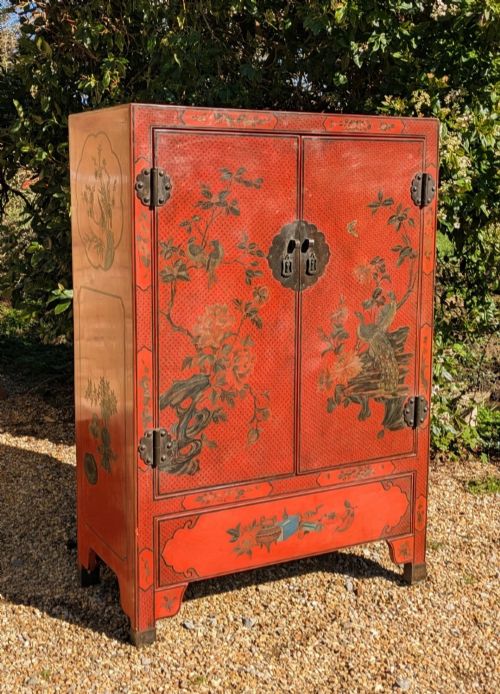
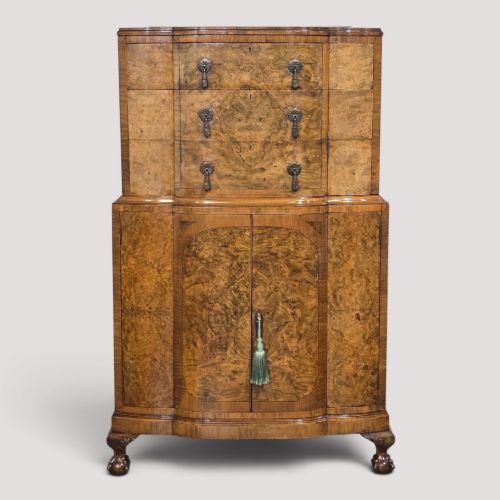
Makers and workshops from various periods adapted these storage forms to domestic needs, producing everything from triple burr walnut wardrobes to simple kitchen cupboards. The selection spans diverse regional traditions, including English, French, and Chinese cabinet-making.
How they were made
Cabinet-makers constructed these cabinets using dense hardwoods such as mahogany, walnut, and oak, alongside utilitarian softwoods like pine. Carpenters joined panels with traditional techniques, accommodating seasonal timber movement in large wardrobe doors and side panels.
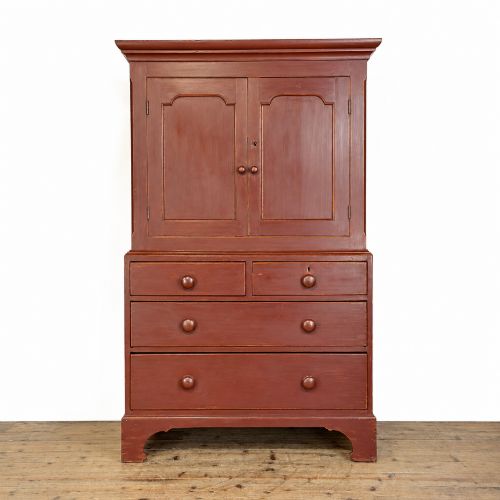
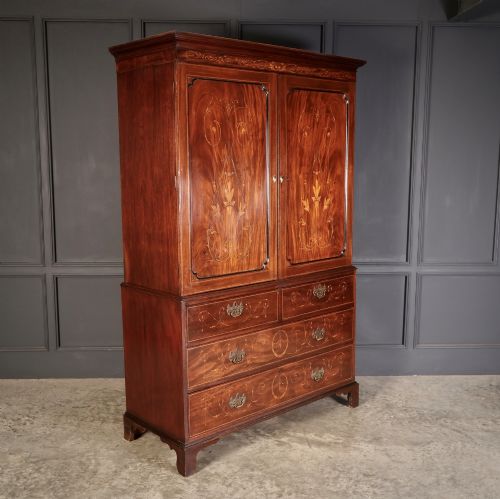
Surface treatments define these pieces, ranging from polished mahogany and burr walnut veneers to hand-applied paint, red lacquer, and marquetry inlay. Brass hardware, including hinges, escutcheons, and locks, secures the heavy timber doors and drawer fronts.
Listings feature periods spanning from the late seventeenth century through the Art Deco era, utilising oak, pine, mahogany, and burr walnut.
What varies in quality
The grade of timber and veneer selection dictates the visual impact of an antique armoire storage cabinet. Master craftsmen selected highly figured burr walnut, flame mahogany, or dense oak, while utilitarian pieces utilised plain pine or fruitwood.
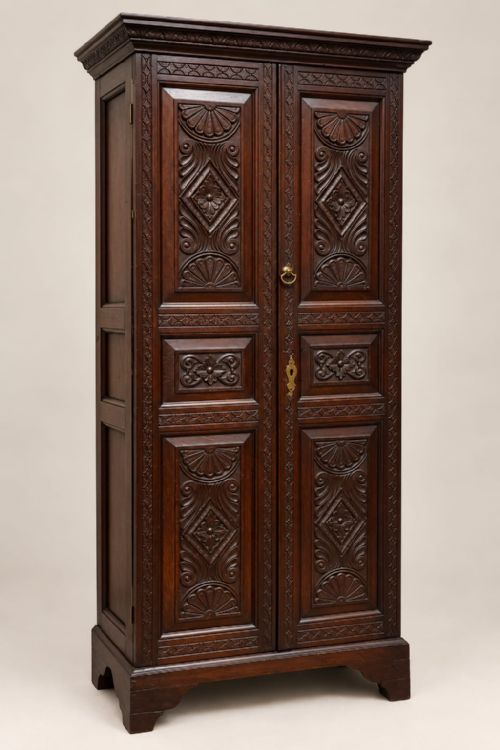
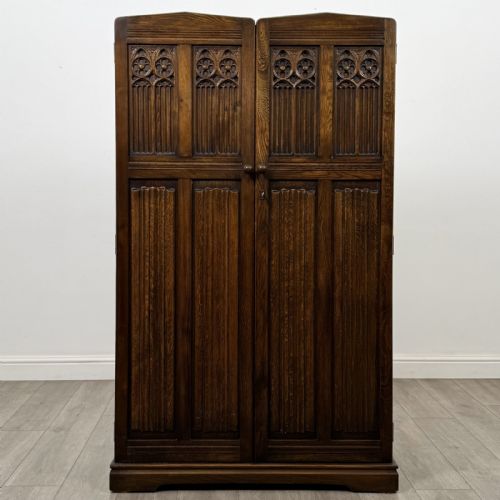
Construction depth and internal configuration separate standard cupboards from superior wardrobe presses. Superior examples integrate finely dovetailed internal drawers, crisply carved blind fretwork cornices, and original brass fittings that operate smoothly within heavy frames.
maples & co
The Antique Armoire Storage Cabinet Glossary
- Linen Press
- A tall piece of furniture featuring upper cupboard doors enclosing sliding trays, placed above a chest of base drawers. Originally utilised for storing household linen flat.
- Armoire
- A large wardrobe or cupboard, traditionally of French origin, enclosed by doors. These units provide substantial hanging and shelving capacity for garments.
- Marquetry
- The art of applying decorative veneer pieces in wood, metal, or shell to a structure to form intricate patterns. Frequently found on high-status cabinets.
- Blind Fretwork
- Carved ornamentation applied to a solid background so that the design appears pierced without perforating the underlying timber. Often seen along cornices.
- Housekeeper Cupboard
- A large storage cabinet designed for domestic utility, holding provisions, household linen, or tableware. These pieces typically feature solid panelled doors.
Antique Armoire Storage Cabinet: Frequently Asked Questions
What is an antique armoire storage cabinet?
An antique armoire storage cabinet is a large freestanding wardrobe or press designed for hanging garments and storing household goods. These pieces originate across the seventeenth through twentieth centuries in various regional styles.
Cabinet-makers built these units from woods like mahogany, oak, walnut, and pine, often incorporating internal drawers and shelving. They serve as functional architectural storage within modern bedrooms and living spaces.
How do I date an antique wardrobe?
Dating relies on observing timber choices, construction methods, and decorative styles. Earlier pieces from the seventeenth and eighteenth centuries often feature solid oak or walnut with hand-cut joins, while nineteenth-century examples frequently utilise mahogany or pine.
Hardware styles, dovetail construction, and veneer thicknesses also indicate specific periods such as Georgian, Victorian, or Edwardian. Comparing the construction details against documented regional practices confirms the age.
How do I maintain wood finishes?
Maintenance involves keeping timber cabinets away from direct heat sources and fluctuating humidity. Applying traditional wax polish periodically nourishes the wood and preserves the historical surface.
Avoid chemical cleaning sprays that strip aged patination. Gentle dusting with a dry cloth keeps the surface clean without harming the original polish.
Are these wardrobes easy to dismantle?
Many nineteenth-century wardrobes and presses utilise knockdown construction with pegged or bolted joints. This design allowed large furniture pieces to move easily between rooms and floors.
Checking the internal assembly reveals whether a piece disassembles for transport. Professional installation ensures the heavy frames remain square and doors hang correctly.