


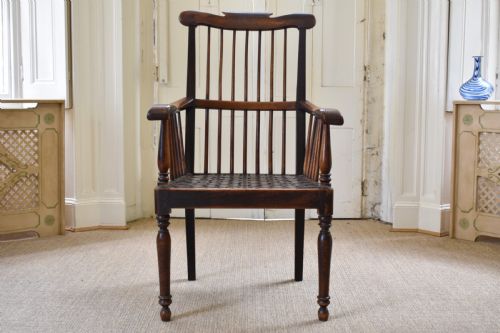
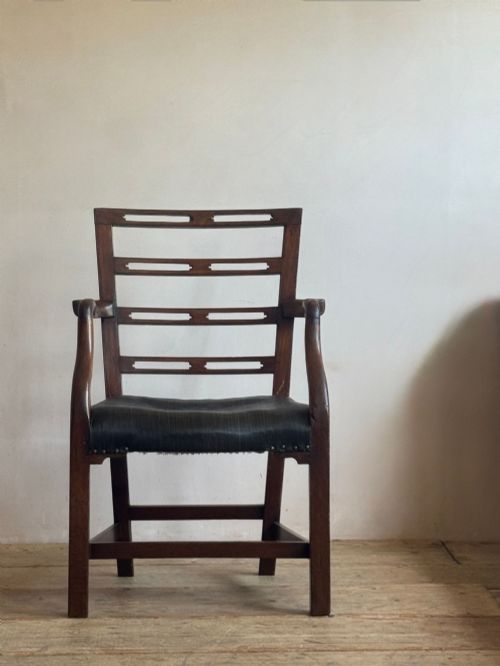
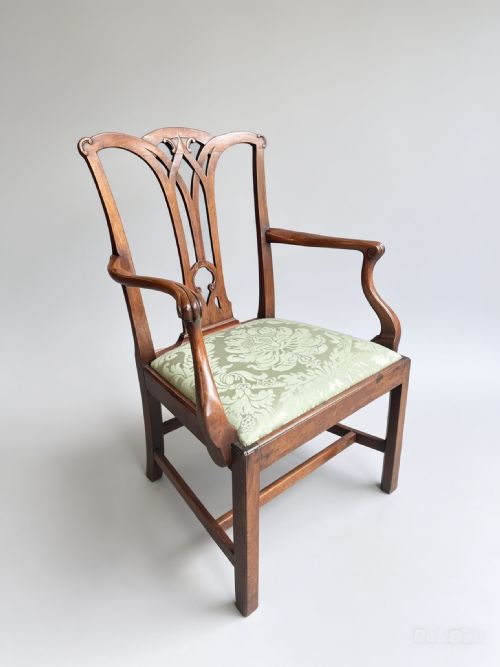
Antique Arm Dining Chairs
When you search for antique arm dining chairs, you step into a world of solid timber frames and seating designed to anchor a proper dining room.
Antique Arm Dining Chairs
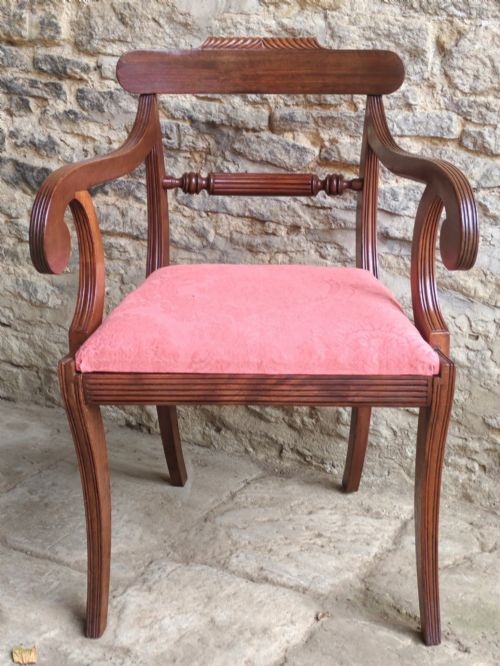
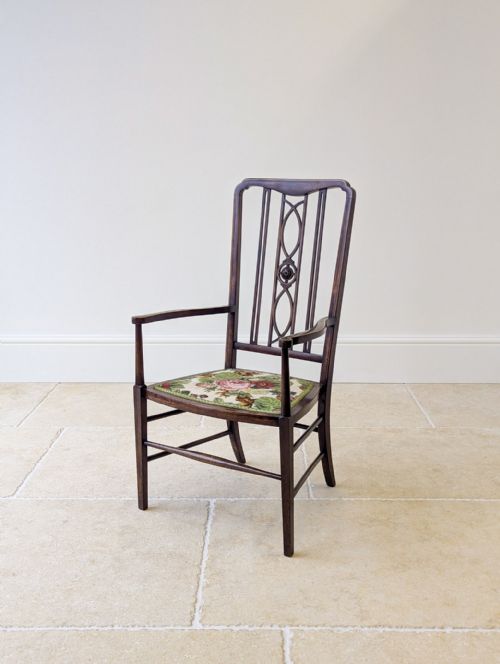
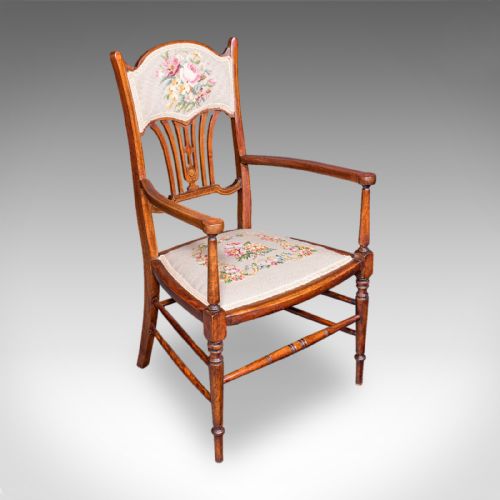
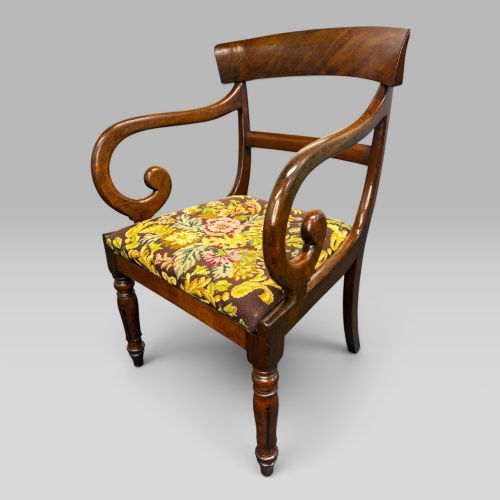
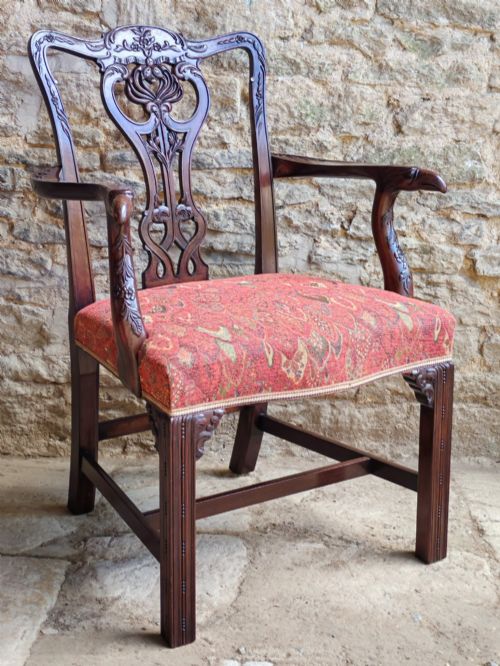
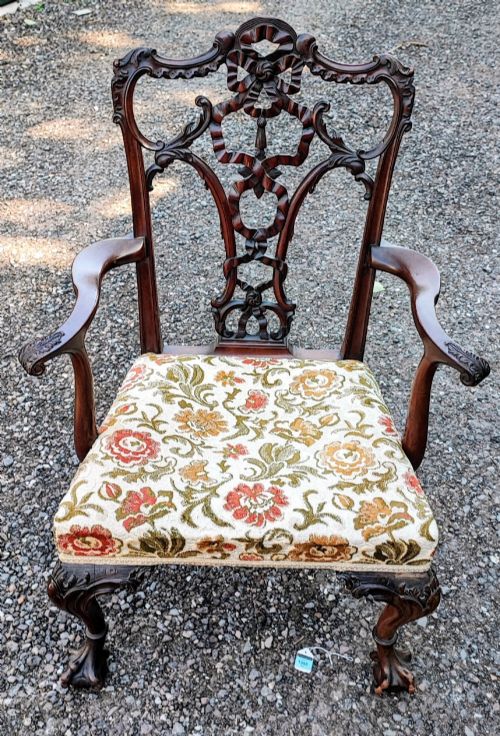
When you search for antique arm dining chairs, you are looking at seating designed to sit at the heads of a dining table or to pair with matching side chairs. The pieces on this page span several centuries, with particular strength in Georgian, Regency, and Victorian formal and country designs.
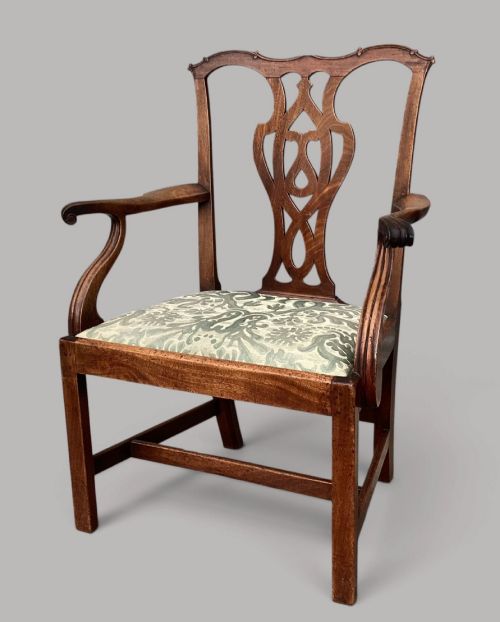
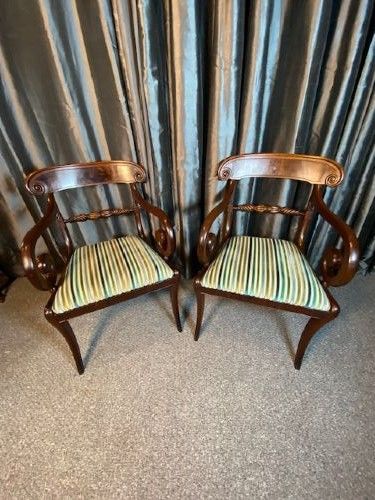
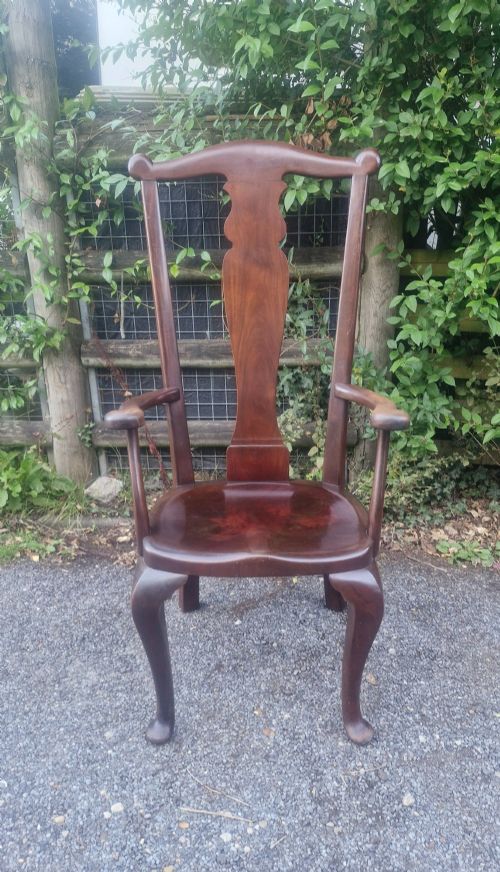
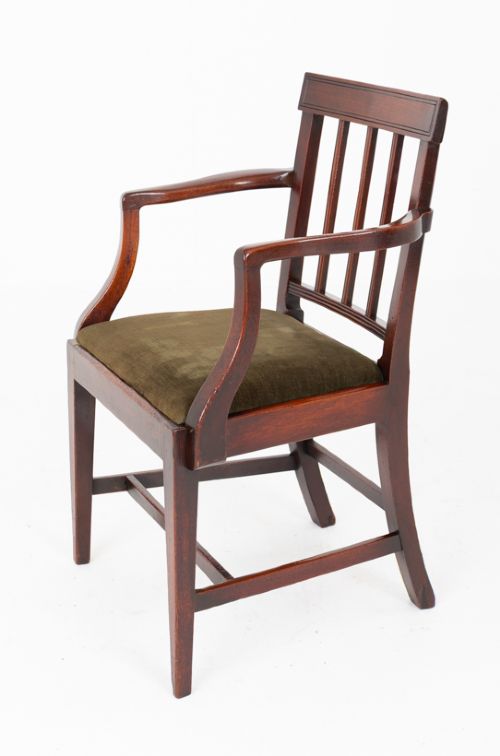
You will encounter mahogany carvers with scroll arms, sturdy ash and elm country armchairs, and Edwardian or revival pieces intended for domestic dining rooms. Forms range from high-back desk armchairs to open-arm carvers and Windsor workshop creations.
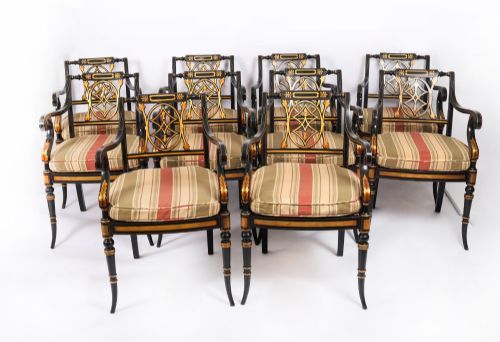
The selection includes both single pieces and matched sets featuring armchairs alongside side chairs. Whether formal mahogany with brass inlay or rush-seated country elm, these chairs bring period character directly to the dining table.
Materials and construction
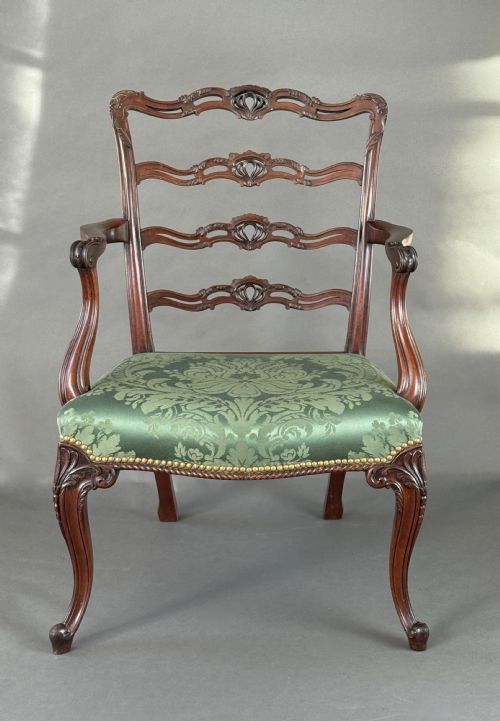
Cabinetmakers relied heavily on dense hardwoods like mahogany, walnut, and rosewood for formal dining armchairs, often incorporating carved details, brass inlays, or scroll arms. Regional makers utilised local timber such as elm, ash, beech, and yew for country Windsor and ladder-back chairs.
Joinery techniques define the stability of these pieces, utilising traditional mortise and tenon joints alongside steam-bent components for curved elements like hoop backs and rails. Upholstery methods evolved from simple rush or cane seats to horsehair and fabric padding secured over webbing.
Antique Arm Dining Chairs Retail Price Guide 2026
Typical asking prices for arm dining chairs among the pieces listed under this phrase on Sellingantiques today, from the lower quarter to the upper quarter. They describe what is for sale here now, not the wider market.
Listings feature periods from the 18th century through the Edwardian era, highlighting mahogany, elm, ash, and various upholstery fabrics.
The spectrum of quality
The distinction between standard dining armchairs and the finest examples lies in the crispness of the timber carving and the selection of figured wood veneers. Superior pieces display thoughtful proportions, seamless joinery, and well-balanced scroll arms or splats that reflect the prevailing style.
Timber selection dictates much of the character, with straight-grained mahogany or well-figured yew setting higher standards than utility fruitwoods or later replacements. Original components, minimal structural alterations, and retained finish elevate a chair from a basic workshop product to a collector's piece.
The Antique Arm Dining Chairs Glossary
- Carver
- An armchair, usually designed to match a set of dining side chairs and intended for the head of the table.
- Elbow chair
- An alternative term for an armchair, frequently used to describe dining or desk seats with low arm supports.
- Windsor
- A traditional wooden chair constructed with a solid sculpted seat into which the legs, back spindles, and bow are separately tenoned.
- Scroll arm
- An armrest curved outward in a decorative scroll profile, common on Regency and Victorian mahogany dining chairs.
- Splat
- The central vertical strip of wood in an open chair back, often shaped or pierced in styles like Chippendale or Hepplewhite.
Antique Arm Dining Chairs: Frequently Asked Questions
How do I match carvers with side chairs?
Matching armchairs to existing side chairs relies on aligning the primary timber, such as mahogany or oak, and observing the distinct style of the back splat or top rail. Minor variations in leg profiles or upholstery fabric are common when bringing together a set.
Many period dining sets were originally sold with two armchairs and several matching side chairs intended for the table sides. Look for consistent proportions and matching period details to create a cohesive arrangement.
Were armchairs always used at the dining table?
Armchairs historically served multiple domestic functions, operating as desk seats, parlour seating, or specific carvers positioned at the heads of large dining tables. Their placement at the table indicated status or provided extra comfort during long meals.
Dining armchairs often featured slightly shorter arms to fit neatly beneath the dining table apron when pushed in. This practical design differentiates them from larger reading or library armchairs.
How do I date a wooden armchair?
Dating relies on examining the timber species, construction tool marks, and stylistic motifs associated with known periods like the Georgian or Regency eras. Secondary woods used in the frame undersides often help confirm the manufacturing region and timeframe.
Changes in stretcher arrangements, turning styles on legs, and upholstery buildup methods provide further clues for distinguishing 18th-century pieces from later revival items.
What is the difference between a country chair and a formal chair?
Country chairs generally utilised locally available timbers like ash, elm, and beech, featuring pegged joints and rush or solid wood seats rather than upholstered padding. They were produced by regional chair bodgers and local workshops rather than urban cabinetmakers.
Formal chairs utilised imported tropical hardwoods like mahogany and featured sophisticated carving, fine veneers, and upholstered drop-in seats suited for refined dining rooms.