




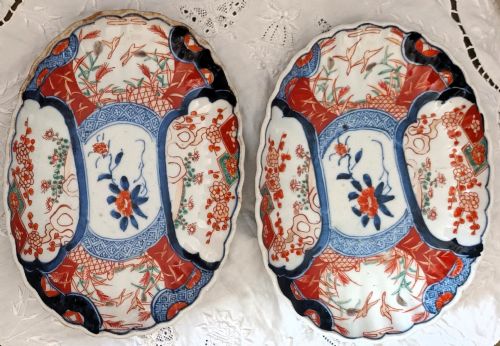
Antique Arita Dish
An antique arita dish brings the historic ceramic artistry of Japan into your home through hand-painted porcelain forms.
Antique Arita Dish
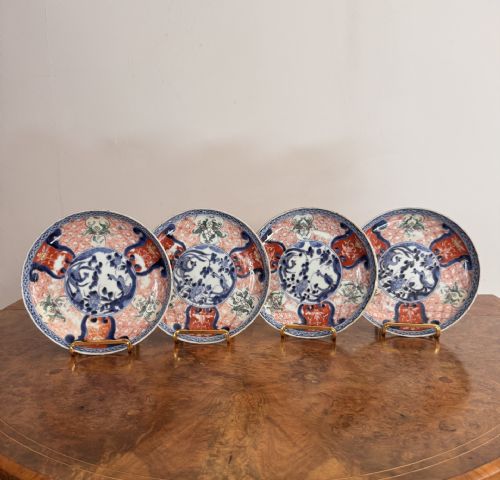
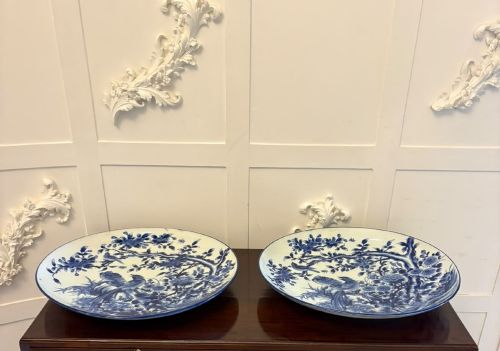
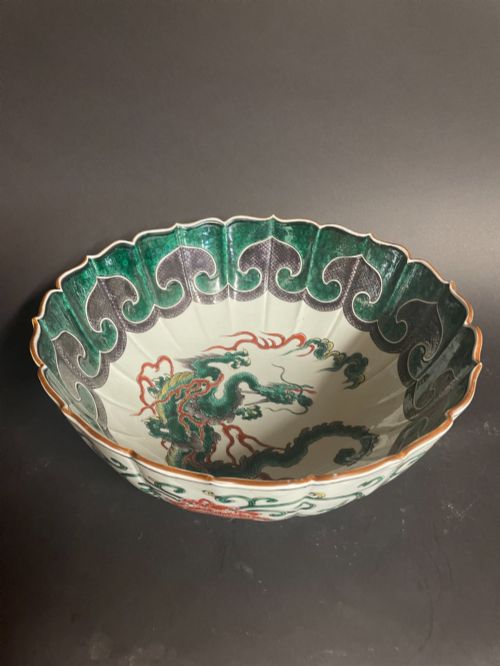
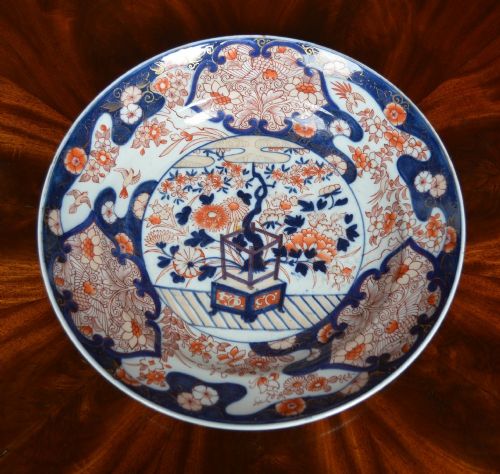
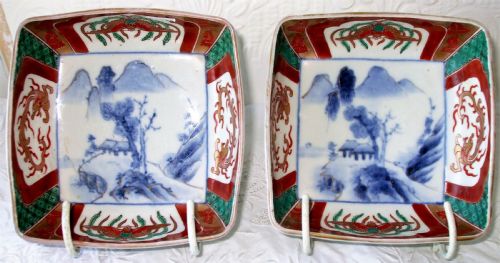
When you search for an antique arita dish, you encounter decorative plates, bowls, chargers, and platters originating from Japan. These ceramics date across the seventeenth, eighteenth, nineteenth, and twentieth centuries, spanning the Edo and Meiji periods.
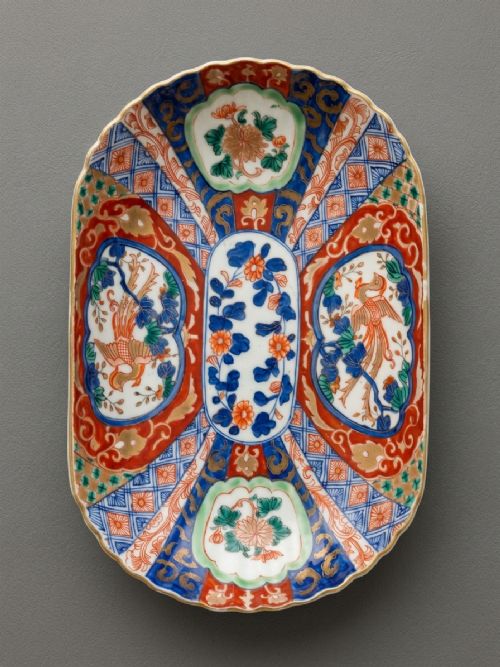
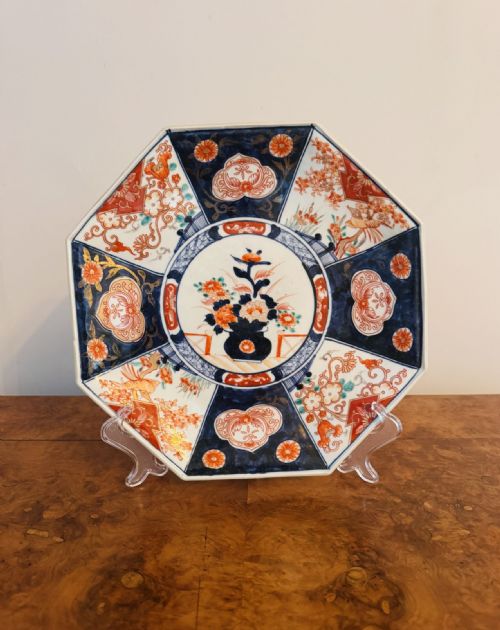
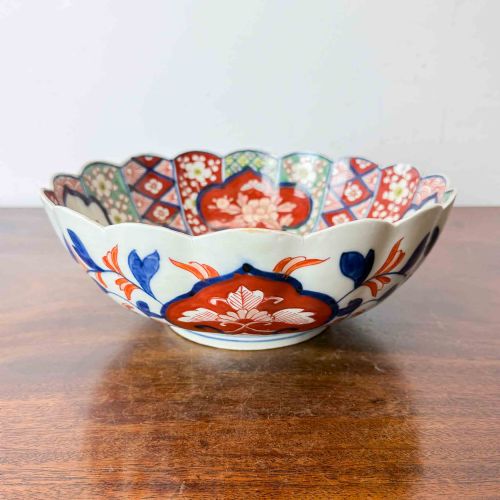
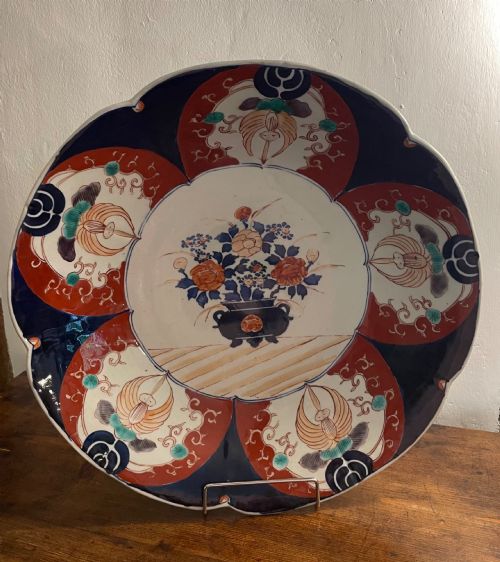
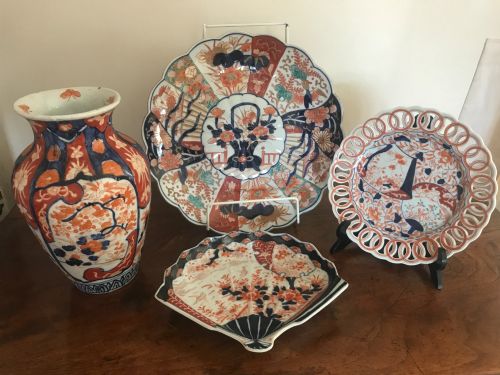
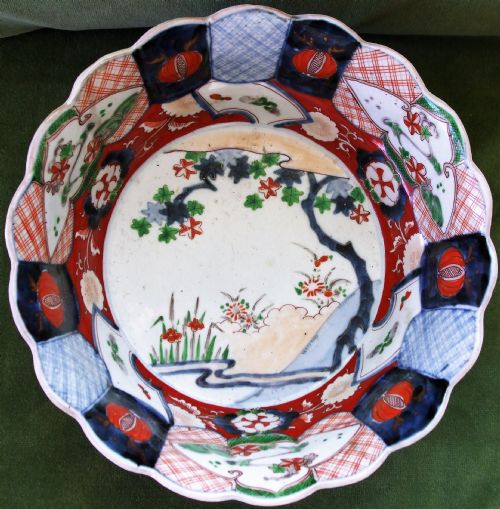
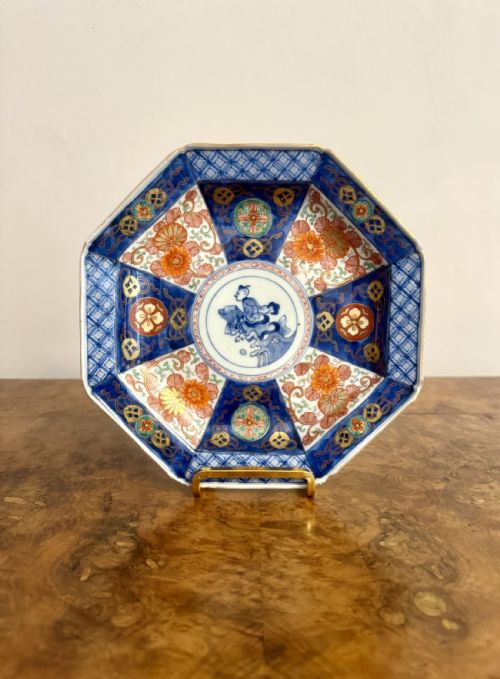
The most common versions on this page are Japanese Imari pieces featuring traditional patterns such as floral and bird designs. Forms vary from standard circular plates to hexagonal plates, scallop edge bowls, oval dishes, and clam shell shapes.
Materials and technique
These items are constructed from porcelain and ceramic materials shaped into various decorative dishes and chargers. Makers applied hand-painted cobalt blue and iron red pigments beneath and over the glaze.
Many examples incorporate enamel, gold leaf, gilding, and gold gilt to accentuate the intricate surface patterns. Potters utilised high-firing techniques to achieve durable porcelain bodies suitable for daily use or display.
Antique Arita Dish Retail Price Guide 2026
Typical asking prices for arita dish among the pieces listed under this phrase on Sellingantiques today, from the lower quarter to the upper quarter. They describe what is for sale here now, not the wider market.
Several plates feature hand-painted exotic birds that appear to supervise your afternoon tea with stern avian disapproval.
Evaluating craftsmanship
The distinction between standard examples and superior pieces rests in the execution of the hand-painted details. Finer items exhibit precise brushwork depicting exotic birds, floral motifs, and cranes with clear definition.
Unusual shapes, such as hexagonal plates, ribbon plates, and clam shell dishes, demonstrate advanced ceramic moulding techniques. The application of gold leaf and enamel also marks the difference between basic production wares and exceptional decorative items.
The Antique Arita Dish Glossary
- Arita
- A Japanese town famous for being the birth place of Japanese porcelain production. Kilns in this region produced wares for domestic use and export.
- Imari
- A style of Japanese export porcelain decorated in underglaze blue, iron red, and gold. This palette defines many of the plates and bowls found on this page.
- Meiji Period
- The era in Japanese history spanning from 1868 to 1912. Many decorative chargers and dishes from this time feature detailed hand-painted designs.
- Edo Period
- The period in Japanese history lasting from 1603 to 1867. Early porcelain dishes from this timeframe represent significant historical craftsmanship.
- Charger
- A large decorative plate utilised historically for presentation or serving. These substantial pieces often form the centrepiece of a ceramic collection.
Antique Arita Dish: Frequently Asked Questions
How do I care for antique porcelain?
Wash porcelain pieces gently by hand using mild soap and warm water. Avoid placing them in dishwashers or using abrasive scrubbers that might damage the glaze.
Display chargers and decorative plates on sturdy stands or wall mounts designed for heavy ceramics. Keep them away from areas subject to sudden temperature fluctuations or direct sunlight.
What is the difference between Arita and Imari?
Arita refers to the Japanese town and production region where the porcelain clay was sourced and fired. Imari is the specific decorative style and export name associated with these wares.
Most Imari porcelain was manufactured in the Arita kilns and shipped through the port of Imari. Therefore, pieces described as Arita Imari share the same regional origin.
How are these dishes dated?
Dating relies on stylistic elements, reign periods such as the Meiji or Edo eras, and manufacturing techniques. Cobalt blue tones and enamel application methods provide clues to the century of production.
Examining the foot ring and unglazed porcelain body also helps determine the age of the ceramic. Earlier pieces often display distinct potting characteristics compared to later items.
Were these pieces meant for daily use?
Export porcelains were primarily created for decorative display in European and domestic households. Bowls and chargers served as ornamental objects in grand rooms.
Smaller dishes and plates were occasionally utilised for dining, but their surviving condition often reflects careful preservation. Many examples remained protected as decorative works of art.