



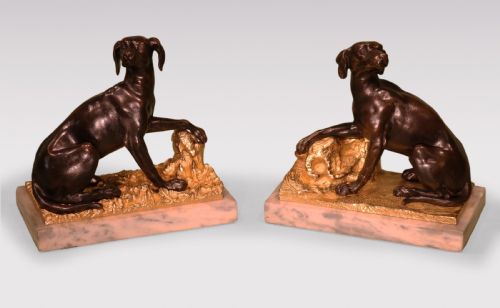

Antique Animalier Bronze Pair
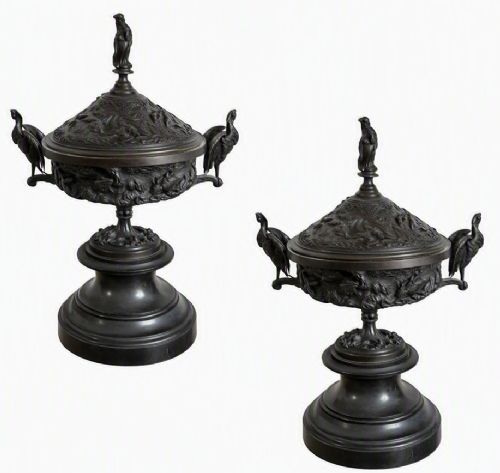
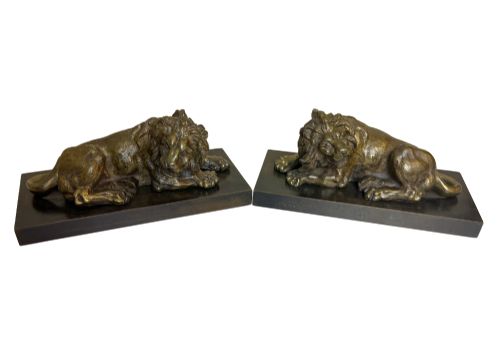
These antique animalier bronze pair groups capture the muscle and movement of animals, cast to sit together on your mantel or desk.
Antique Animalier Bronze Pair
An antique animalier bronze pair consists of matching sculptural works focusing on naturalistic animals, commonly found as lions, birds, dogs, and elephants across nineteenth and early twentieth-century periods. These figures often double as practical items like bookends or decorative urns, as well as pure sculpture meant for display.
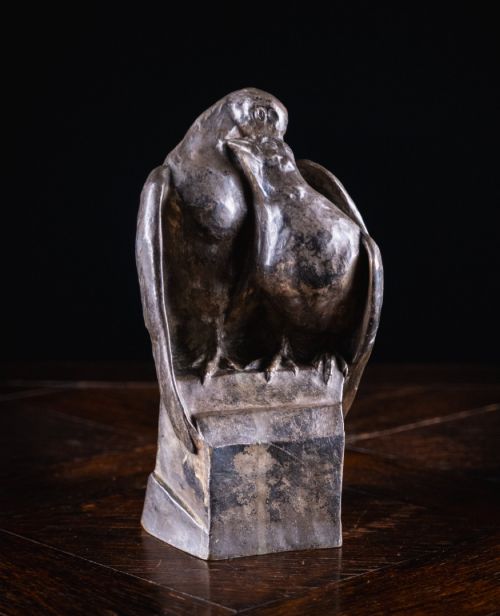
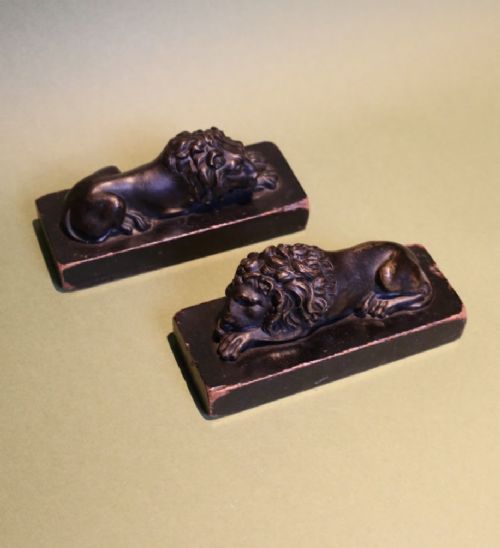
French and Austrian workshops dominate this selection, ranging from nineteenth-century neoclassical interpretations to Art Deco designs. Buyers meet works portraying resting lions, embracing pigeons, and hunting hounds, each pair cast to complement one another in pose and form.
What Varies in Quality
The quality of the patina and the preservation of original cold-painted colours dictate the desirability of a pair. Wear that obscures the underlying bronze work or clumsy repainting diminishes the visual impact of the animals.
Look closely at the bronze poodles and greyhounds; nineteenth-century sculptors had a particular fondness for capturing the haughty expressions of pampered hounds.
Jules Moigniez·Frederique Cederlund-Ozanne·Bergman·C Omin·Louis Riche·P J Mene·Karl Hagenaur
The Antique Animalier Bronze Pair Glossary
- Animalier
- A nineteenth-century artistic movement dedicated to the realistic portrayal of animals, particularly in sculpture. Practitioners studied anatomy closely at menageries and slaughterhouses to achieve lifelike movement.
- Patinated Bronze
- Bronze metal treated with chemical solutions to produce a specific surface colour, most commonly brown, black, or green. This layer protects the metal and defines the shadows in the sculptural relief.
- Cold Painted Bronze
- A technique where oil paint is applied to unheated bronze and allowed to dry naturally, a method favored by Austrian foundries. It produces vibrant, matte colours on small bird and animal figures.
- Ormolu
- Finely ground high-carat gold mercury-gilded onto a bronze base, creating a bright golden finish. It adds decorative contrast when paired with darker patinated bronze elements.
- Spelter
- A zinc alloy used as a cheaper, lighter substitute for bronze in decorative figures. It is softer and wears down more easily than genuine bronze.
Antique Animalier Bronze Pair: Frequently Asked Questions
What is an animalier bronze pair?
An animalier bronze pair consists of two matching metal sculptures depicting animals, created primarily during the nineteenth and early twentieth centuries. These matching pieces were cast to display together, balancing each other through mirrored poses or matching subjects.
Foundries produced these pairs in various sizes, ranging from small cabinet bronzes to functional bookends and garniture urns. They reflect the period fascination with natural history and animal behaviour.
How were cold painted bronzes made?
Makers cast the bronze figures and then applied layers of oil paint directly to the cold metal surface without firing. This technique allowed for intricate multicolour detailing, particularly on birds and small wildlife.
Because the paint sits on the unheated metal rather than fusing with it, surviving pairs often show areas of natural paint loss from handling and age.
Are bookends and sculptures different?
Bookends are sculptural figures weighted or shaped specifically to support rows of books on a shelf, while standalone sculptures are created purely for visual display. Both categories utilise the same animalier casting techniques and materials.
Many bookends feature reinforced bases or integrated brackets to handle the weight load of holding books upright.
How do I date a bronze pair?
Dating relies on stylistic clues, foundry marks, and the specific materials used, such as the shift from nineteenth-century realism to Art Deco styling in the nineteen-thirties. The presence of marble bases and particular patination types also indicate specific production eras.
Examining the underside of the casting and any artist signatures provides further context for the period of manufacture.