


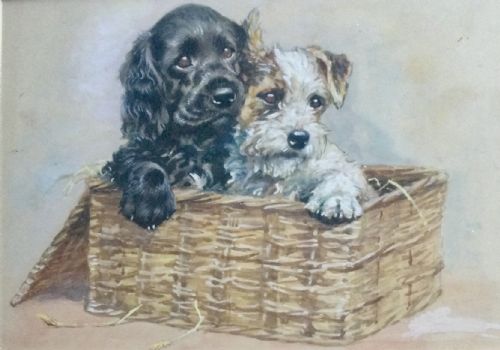


Antique Animal Watercolour
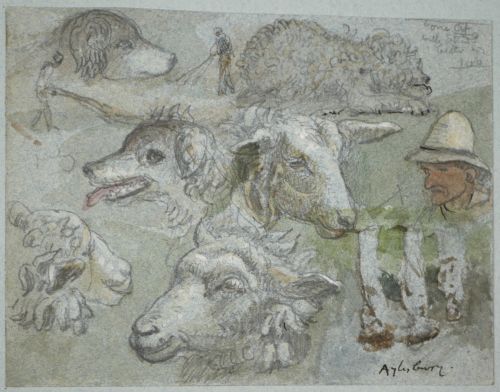
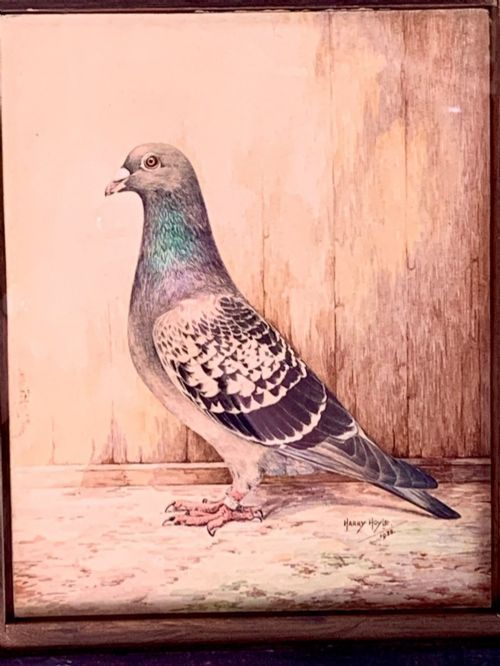
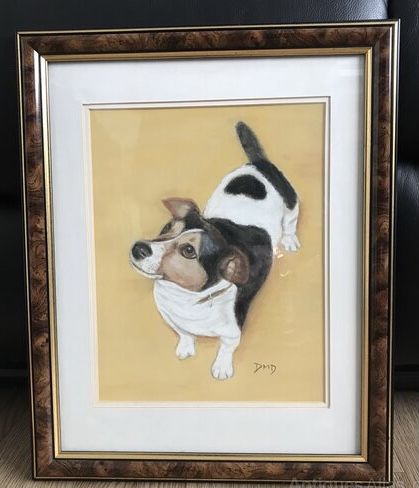
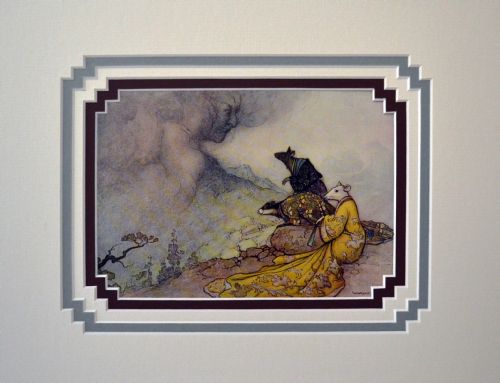
These antique animal watercolour works capture domestic pets, farm livestock and wild creatures on paper through the centuries.
Antique Animal Watercolour
An antique animal watercolour brings nineteenth and early twentieth-century fauna into domestic spaces through delicate pigment application on paper. These paintings range from pastoral scenes featuring cattle and sheep to individual portraits of dogs, horses and exotic beasts.
The selections available here span the Victorian and Edwardian eras alongside pieces from the nineteen-thirties, reflecting diverse British and continental art movements. Buyers encounter framed watercolours executed by named artists as well as accomplished works in the manner of established painters.
Subjects stretch from working farm animals and hunting packs to pedigree dogs and mythical illustrations, demonstrating the broad appeal of animal subjects to past patrons. Each piece offers a direct connection to the aesthetic priorities of its specific period.
Materials and technique
Artists relied primarily on watercolour pigment applied to paper or card, often combining graphite underdrawing to establish form and proportion. Selected pieces incorporate gouache to build opaque highlights, particularly in depicting the sheen of animal coats or stable interiors.
Protection and presentation typically involved wooden framing beneath glass, which preserved the fugitive pigments from light and atmospheric degradation over generations. Gold leaf frequently appears on period frames, enhancing the visual weight of these intimate paper works.
Current listings feature pieces dated across the nineteenth century, nineteen-hundred, nineteen-ten, nineteen-thirty, and the Edwardian and Victorian eras.
Factors of quality
Quality rests upon the artist's command of anatomy, posture and expression, separating competent decorative records from masterly observations of animal behaviour. The handling of watercolour pigment requires precise control to suggest texture, whether rendering the soft fur of a spaniel or the hide of a longhorn bull.
The integrity of the paper support and the survival of vibrant pigment without excessive fading dictate the desirability of a surviving sheet. Original period framing also contributes to the historical completeness of the piece.
James Smetham·Warwick Goble·Arthur Wardle·Helena Maguire·Basil Bradley·Mabel Gear·Aster Richard Chilton Corbould·Cuthbert Edmund Swan
The Antique Animal Watercolour Glossary
- Watercolour
- A painting method in which the paints are made of pigments suspended in a water-based solution. The paper support remains visible through translucent washes.
- Gouache
- An opaque water-based paint that includes a white pigment filler, producing a heavier finish than standard watercolour. Artists utilise it to add solid highlights.
- Graphite
- A form of carbon used for initial sketching beneath watercolour pigment. Traces often remain visible under close inspection.
- Animalier
- A nineteenth-century artistic genre dedicated to the realistic representation of animals. Practitioners focused heavily on accurate anatomical study.
- Card
- A heavy, stiff paper stock utilised as a drawing support in various period works. It provides greater rigidity than standard watercolour paper.
Antique Animal Watercolour: Frequently Asked Questions
How do I care for an antique watercolour?
Keep the framed painting away from direct sunlight to prevent the watercolour pigments from fading over time. Maintain stable humidity levels to protect both the fragile paper and the wooden frame.
Ensure that the glass remains intact and properly sealed to block dust and moisture. Professional framing using conservation materials safeguards the sheet for future decades.
What subjects are most common?
Domestic pets such as dogs, spaniels and pugs frequently appear in nineteenth-century portfolios. Farm animals including cattle, sheep and horses also dominate pastoral compositions.
Wild creatures like leopards and game birds emerge in specific artist portfolios from the early twentieth century. Each subject reflects the prevailing tastes of Victorian and Edwardian patrons.
How do I date these paintings?
Examine the framing style, mount card and any inscriptions or signatures recorded on the reverse of the sheet. Stylistic markers often align with Victorian, Edwardian or nineteen-thirties realism.
Artist biographical dates provide a secure window for creation when the creator is known. Costume details and domestic accessories within the background offer additional chronological clues.
Were these originally framed?
Most surviving watercolours received contemporary wooden frames shortly after completion to protect the delicate paper surface. These original housings often feature gilt details typical of their respective periods.
Some sheets retain historical framing that adds context to their survival. Replacement frames occasionally occur when older mountings deteriorated beyond repair.