


Antique Animal Study
When you search for an antique animal study, you are looking at sculpted bronzes, carved woods and painted works that capture creatures with observation and skill.
Antique Animal Study
An antique animal study is a rendered depiction of a creature, captured through sculpture, painting or drawing. These pieces range from observational sketches on paper to fully realised bronze figures and carved wooden ornaments.
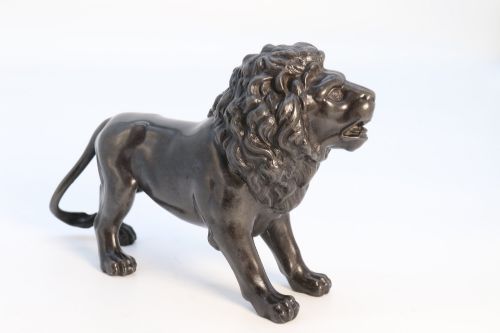
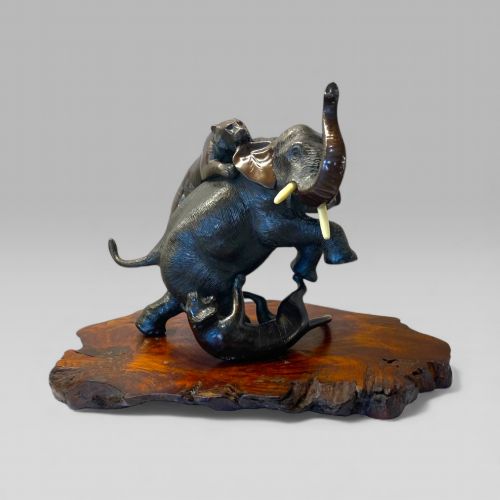
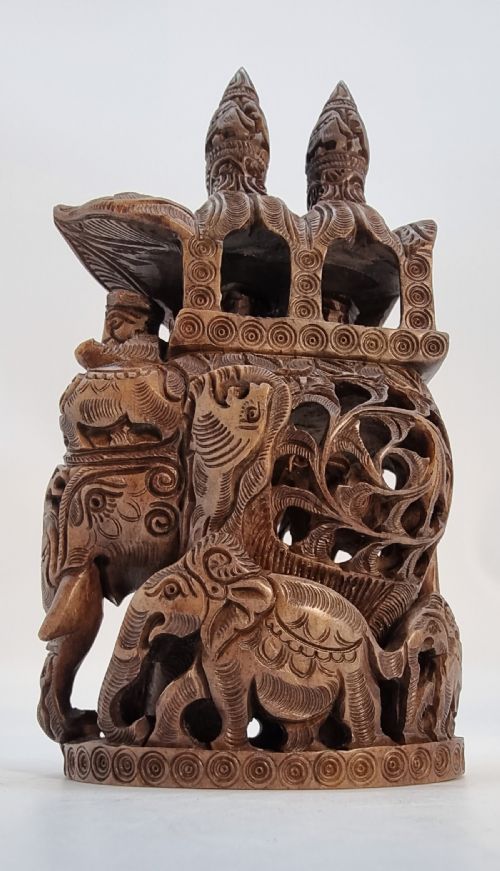
On this page, you are most likely to meet nineteenth-century and early twentieth-century examples. These cover diverse forms including French Animalier bronzes, Black Forest carvings, Indian hardwood elephants and framed oil paintings.
Makers and artists approached these subjects with varying intents, from naturalistic sporting art to folk portraits and decorative desk ornaments. The materials span traditional metals, stones, woods and works on paper.
How They Were Made
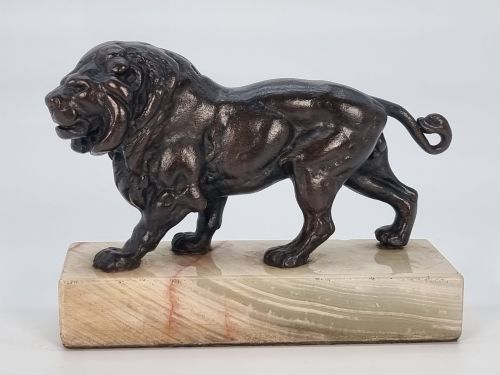
Metal sculptures on this page utilise casting techniques such as lost-wax bronze work, often finished with patination, cold painting or silvering, and mounted on marble or onyx bases. Some pieces incorporate pewter or iron alongside cast bronze.
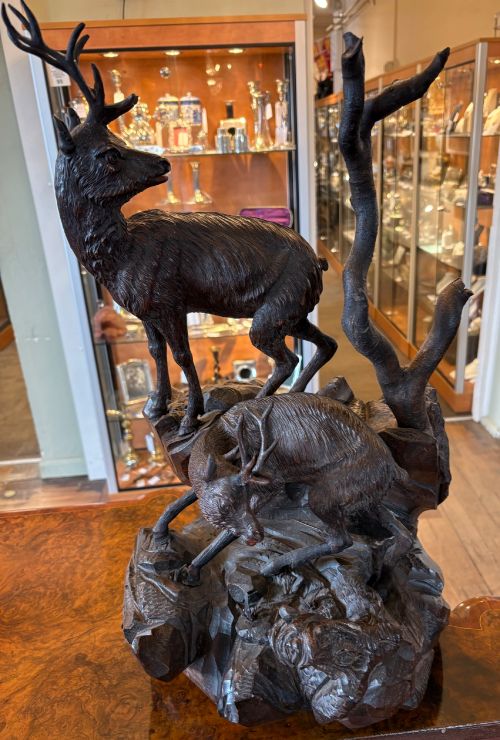
Carvings rely on hand-working timbers, soapstone, ebony and bone, where artisans shape complex forms like fighting tigers or ceremonial elephants using traditional gouges and chisels.
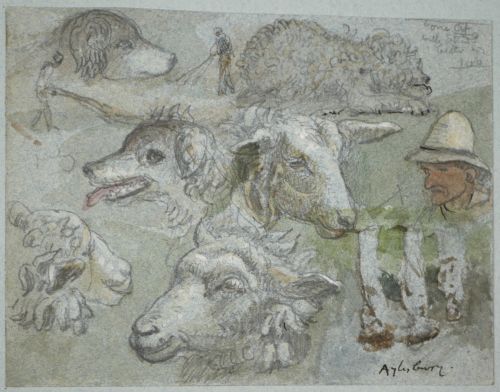
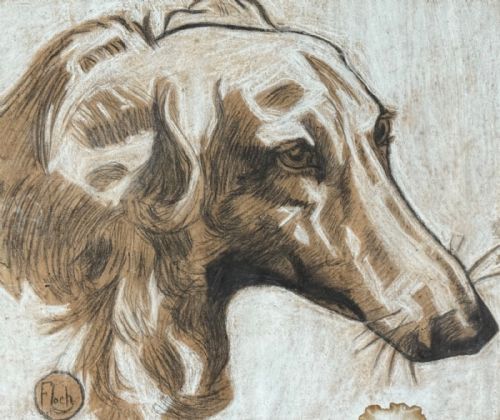
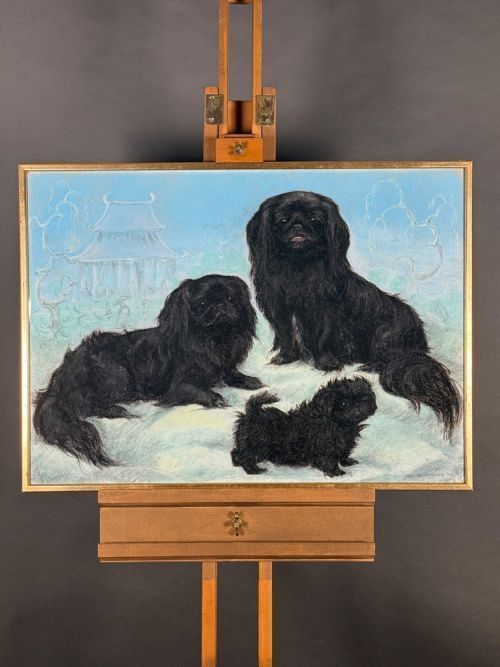
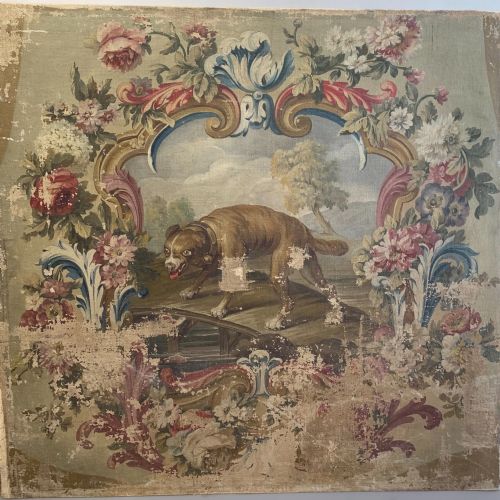
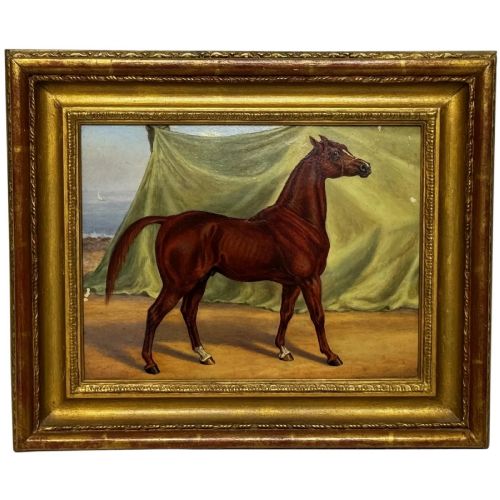
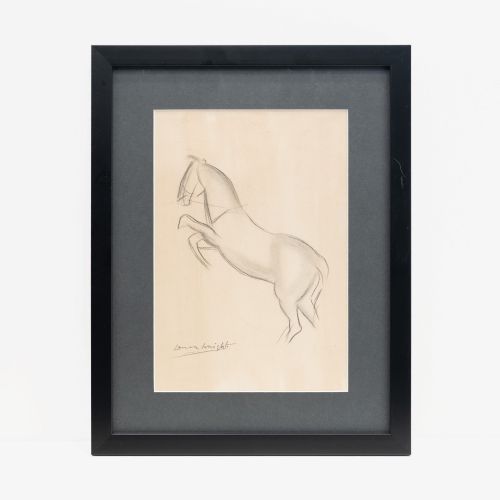
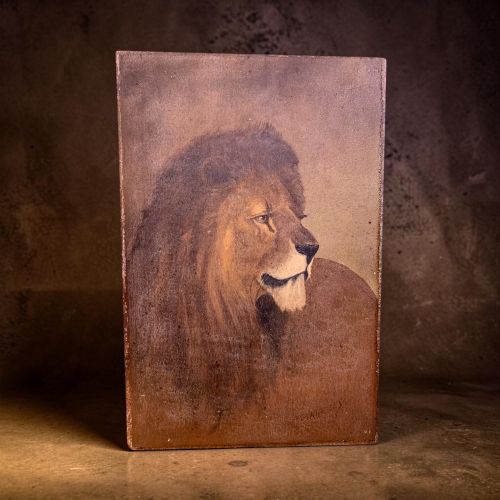
Painted and drawn works employ oil, pastel, charcoal, gouache and watercolour applied to canvas, buff paper or card, frequently framed in gilt wood.
Listings feature works spanning the nineteenth century through the mid twentieth century, utilising bronze, wood, oil paint, paper, bone and stone.
What Varies in Quality
The anatomical accuracy and vitality of the depiction separate standard commercial items from superior works. A master sculptor or painter captures muscle tension, bone structure and posture with acute fidelity rather than static stiffness.
The quality of the casting, chasing and surface finish dictates the tier of a metal study. Fine chiselling reveals individual fur texture and facial expression, while inferior casts lose definition in the secondary details.
In painted works, the handling of light, brushwork fluidity and paper or canvas preservation determine the distinction between a routine decorative picture and a fine art study.
James Smetham·Alfred Dubucand·A L Barye·Louis Riche·John Macallan Swan·Cuthbert Edmund Swan
The Antique Animal Study Glossary
- Animalier
- A nineteenth-century artistic movement focused on the realistic depiction of animals, particularly predators and domestic beasts. Practitioners often worked in bronze.
- Cold painted bronze
- A method where bronze figures are painted with oil-based colours after casting, rather than subjected to high-temperature firing. This technique was widely utilised by Viennese foundries.
- Black Forest carving
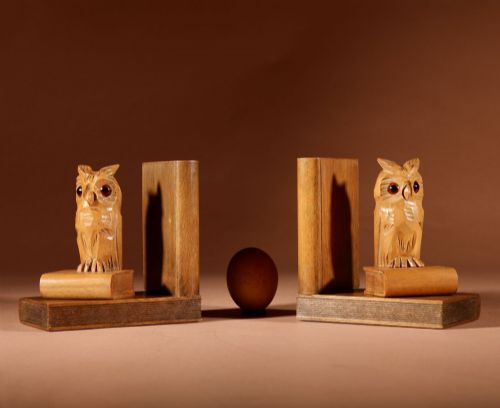
- Woodcarving originating from the mountainous region of Germany, typically featuring forest animals such as bears, deer and owls. These are often rendered as bookends, clocks or decorative ornaments.
- Patination
- The natural or chemical surface coloration developed on bronze, metal or wood over time. A desirable patina enhances the depth and texture of the material.
Antique Animal Study: Frequently Asked Questions
What is an animal study?
An animal study is a focused artistic rendering of a creature, created to capture its form, movement and anatomy from life.
These works can take the form of quick preparatory sketches, finished oil paintings, detailed bronzes or intricate woodcarvings.
How do I date a bronze animal figure?
Dating bronze figures involves examining the style, the casting technique, the foundry marks and the base materials. Nineteenth-century pieces often feature hand-chased surface details and heavy natural stone mounts.
Later twentieth-century reproductions frequently show simplified casting marks and lighter bases without the crisp definition of earlier works.
Where were Black Forest carvings made?
Black Forest carvings originated in the rural woodlands of Central Europe, specifically the German mountain region known for its dense timber. Local artisans utilised native linden and walnut woods to carve forest animals.
These pieces were produced as decorative sculptures, functional bookends and architectural furniture elements for the export market.
How should I care for an antique bronze?
Antique bronzes require minimal intervention to preserve their historic surface and original patination. Dusting with a soft, dry brush is generally sufficient to keep the surface clear.
Avoid using metal polishes or liquid cleaners, as these abrasive agents strip away the aged patinated skin that collectors value.