




Antique Animal Inkstand
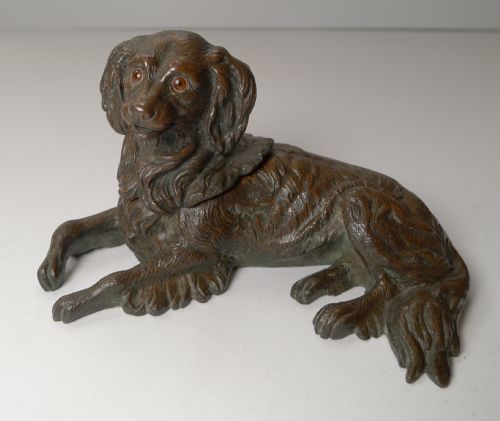
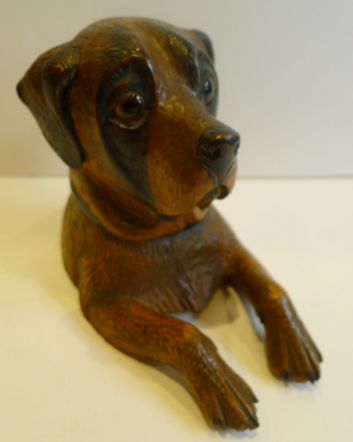
An antique animal inkstand brings together desk utility and sculptural charm, offering a clever place to dip a pen inside cast bronze, carved wood or earthenware beasts.
Antique Animal Inkstand
An antique animal inkstand combines a practical desk accessory with figurative sculpture, depicting creatures ranging from owls and bears to dogs, stags and rhinoceroses. These pieces date across the Victorian, Edwardian and Art Deco periods, spanning from the eighteen-sixties into the nineteen-twenties.
The version most commonly encountered on this page is the figural novelty inkwell, often carved in the Black Forest style from linden wood or cast in brass and bronze. Many examples feature opening heads or hinged compartments that conceal glass ink inserts beneath glass eyes.
Makers utilised various regional traditions, producing Staffordshire pottery hounds, Austrian cold-painted bronze rhinoceroses and English brass or gilded bronze dogs. Each piece serves both as a functional writing desk centrepiece and as a decorative animal figure.
How they were made
Foundries employed bronze casting techniques, including cold-painting applied to metal surfaces for realistic animal tones on rhinoceroses and stags. Gilding was also added to cast bronze figures paired with cut crystal inkwells.
Potters moulded earthenware and applied coloured glazes to produce Victorian Staffordshire greyhounds and novelty inkwells. Glass blowers and cutters manufactured the internal ink inserts and fitted glass eyes into metal or wooden heads.
Antique Animal Inkstand Retail Price Guide 2026
Typical asking prices for animal inkstand among the pieces listed under this phrase on Sellingantiques today, from the lower quarter to the upper quarter. They describe what is for sale here now, not the wider market.
Listings for an antique animal inkstand span wood, bronze, brass, earthenware and cut crystal materials across Victorian, Edwardian and Art Deco periods.
What varies in quality
The articulation and depth of the carving in wooden Black Forest pieces set the finer examples apart from simpler work, distinguishing smooth fur texture and realistic facial expressions. Metalwork quality rests on the precision of the casting and the preservation of cold-painted or gilded surfaces.
The inclusion of original glass eyes and matching glass ink inserts influences the integrity of the piece, as replacements alter the intended appearance. Scale also dictates tier, with large mammoth or triple inkstands demonstrating greater ambition in design than standard single-well models.
The Antique Animal Inkstand Glossary
- Black Forest
- A style of wood carving originating from the wooded mountain region in central Europe, famous for realistic depictions of bears, owls and dogs. Carvers typically utilised linden wood for these detailed sculptures.
- Cold-painted bronze
- A technique where bronze figures received non-fired paint finishes, popular in Austrian workshops for depicting realistic wildlife colours. The paint sits directly on the metal surface without kiln firing.
- Novelty inkwell
- A functional desk accessory designed in a playful or unexpected shape, such as an animal, bird or domestic pet. These pieces conceal the ink reservoir within the sculpted form.
- Staffordshire
- Pottery produced in the English county of Staffordshire, known for earthenware figures and animals created during the nineteenth century. Potters moulded these pieces and finished them with hand-applied glazes.
- Gilded bronze
- Metalwork coated with a thin layer of gold leaf or gold powder to enhance the surface appearance. This finish appears on decorative figural desk pieces paired with cut crystal.
Antique Animal Inkstand: Frequently Asked Questions
Are the glass eyes original?
Many Victorian and Edwardian novelty inkstands feature glass eyes that give life to owls, dogs and stags. Close inspection around the socket reveals whether the glass matches the age and construction of the surrounding metal or wood.
Replacements do occur during repairs over the decades, though surviving original eyes remain a notable feature for collectors.
Where were these inkstands placed?
These pieces sat upon writing desks, library tables and bureau plat surfaces in nineteenth and early twentieth-century homes and offices. They provided both a functional ink reservoir for correspondence and a decorative ornament.
Larger triple inkstands served executive desks where multiple writers shared supplies or different coloured inks were required.
How do I tell a Black Forest inkwell apart from English brass?
Black Forest pieces are characterised by hand-carved linden wood depicting naturalistic animals like bears with logs or cats in boots. English brass and bronze examples feature cast metal construction, often with heavier weight and distinct patination.
Material choice defines the origin and sculptural technique used by the maker.