




Antique Animal Doorstops
Antique animal doorstops bring heavy metal character to everyday halls, holding open doors with the weight of Victorian iron and brass.
Antique Animal Doorstops
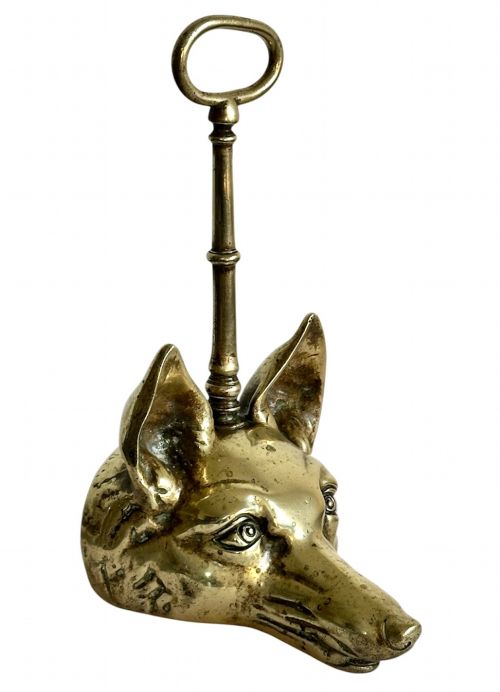
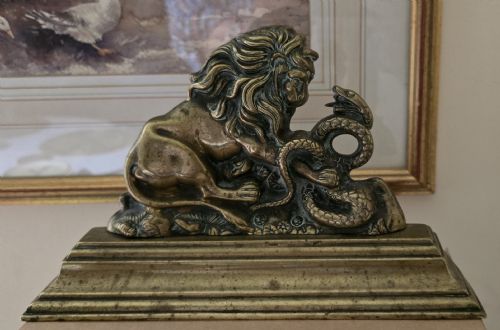
When you search for antique animal doorstops, you encounter heavy functional sculptures designed to keep heavy interior doors from swinging shut in draughty hallways and country houses. These practical objects take the form of lions, foxes, horses, and dogs, serving as both utility hardware and decorative ornaments.
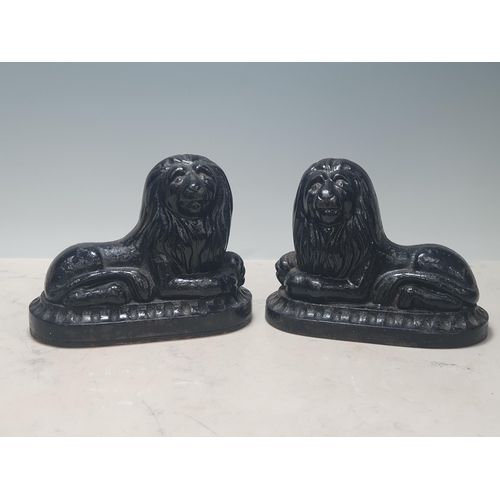
The versions you are most likely to meet on this page hail primarily from the nineteenth century, including the Victorian and Edwardian eras. They appear as individual figures or matched pairs, shaped from durable metals or moulded plaster to withstand daily household service.
Makers of the period cast these pieces in various poses, from recumbent beasts to alert animal heads mounted on weighted bases. They reflect a nineteenth-century taste for bringing domestic and sporting wildlife into the interior of the home.
How they were made
Foundries produced these pieces primarily using cast iron and cast brass, pouring molten metal into sand moulds to achieve solid, weighty forms that could resist shifting under heavy doors. Some examples combine both metals, pairing a brass handle or front with a heavy iron base.
Makers finished many of the iron pieces with black or coloured paint to highlight anatomical details like manes and harness straps. Plaster alternatives appeared in the Edwardian period, relying on density and moulded surface detail rather than metal casting.
Antique Animal Doorstops Retail Price Guide 2026
Typical asking prices for animal doorstops among the pieces listed under this phrase on Sellingantiques today, from the lower quarter to the upper quarter. They describe what is for sale here now, not the wider market.
Materials recorded across the current selection include cast iron, brass, paint, and plaster.
What varies in quality
Original surface finishes and paint retention elevate an example above those that have suffered crude modern repainting. The integrity of the metalwork, free from heavy corrosion or clumsy repairs, dictates the standing of the piece.
The Antique Animal Doorstops Glossary
- Door porter
- An alternative term for a heavy doorstop featuring an upright handle or grip at the top, allowing the piece to be lifted easily. These often take the form of lions or dogs.
- Boot scraper
- A utilitarian doorstep fixture designed for cleaning mud from footwear, sometimes sharing the heavy iron construction and animal forms of standard stops. Lions frequently appear in this format.
- Recumbent
- Describes an animal modelled in a lying or resting position rather than standing upright. This pose provides a lower, more stable centre of gravity for holding heavy doors.
- Figurative
- A descriptor for metalwork cast into recognisable human or animal shapes rather than abstract geometric patterns. This style dominated nineteenth-century hearth and hallway accessories.
Antique Animal Doorstops: Frequently Asked Questions
What are antique animal doorstops?
They are heavy nineteenth-century metal and plaster objects shaped like creatures to keep doors open.
Foundries made them to combine domestic utility with decorative animal sculpture.
How were door stops used historically?
Households placed them in draughty hallways and reception rooms to prevent heavy timber doors from slamming.
Their substantial weight kept them firmly in position against strong air currents.
How do I date a cast iron animal doorstop?
Look to the nineteenth-century Victorian and Edwardian periods for stylistic cues and manufacturing methods.
Surface paint wear and sand-cast textures often point to mid-nineteenth-century origins.
Are brass and iron doorstops cleaned?
Owners generally preserve the aged patina rather than polishing the metal down to a bright shine.
Gentle dusting maintains the historic surface without removing traces of original paint.