

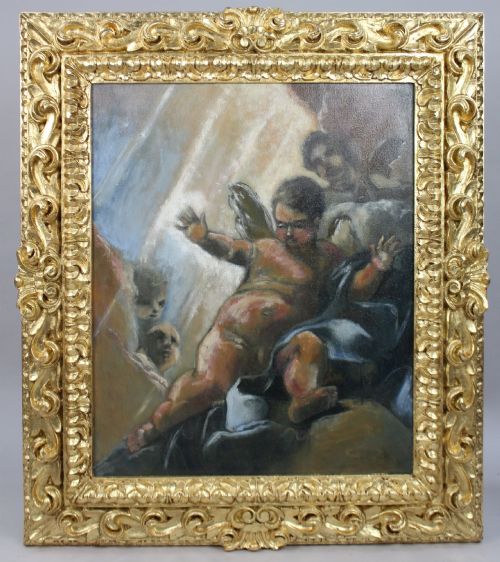
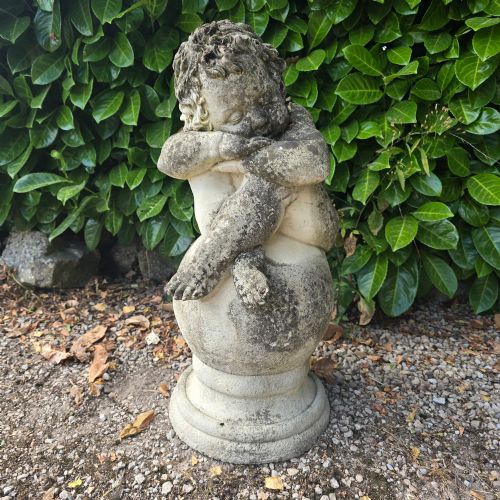


Antique Angel Figure
An antique angel figure brings sculptural devotion and classical mythology into a room, spanning centuries of hand-carved wood and cast bronze.
Antique Angel Figure
An antique angel figure encompasses carved wooden putti, architectural stone fragments, and cast bronze sculptures spanning from the seventeenth century through the Victorian era. Buyers searching this phrase encounter ecclesiastical figures, garden statues, and table lamps reflecting diverse stylistic movements.
The selections on this page most frequently present nineteenth-century craftsmanship, including Italian polychrome carvings and French bronze sculptures. Alongside these, earlier seventeenth-century oak figures and eighteenth-century polychrome pieces appear in pairs and single forms.
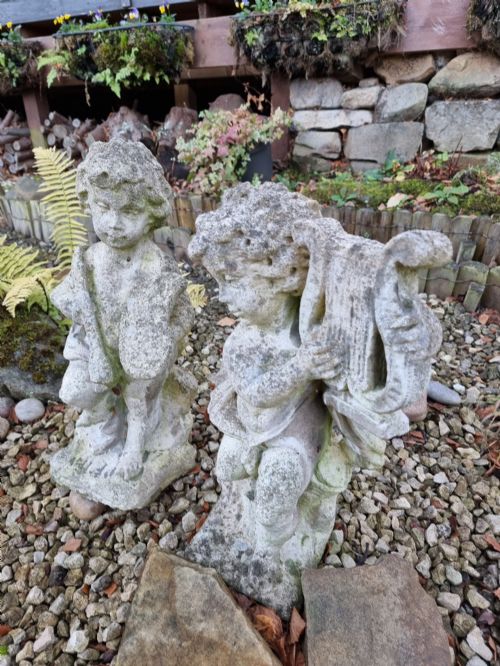
Forms range from wall sculptures and architectural salvage to freestanding statues and guardian figures. Materials vary from carved wood with gold leaf to marble, brass, and terracotta.
Materials and construction
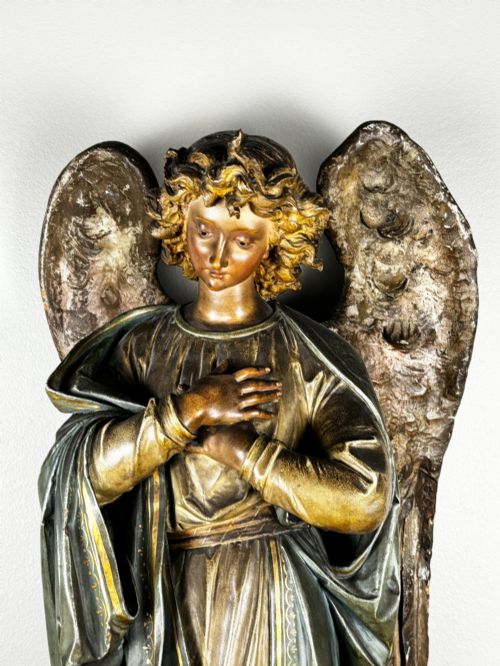
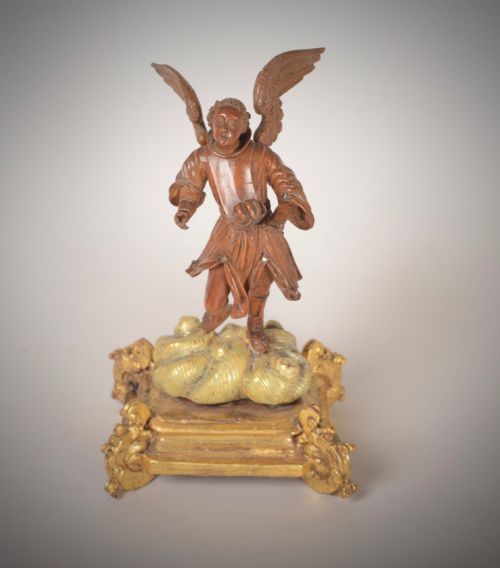
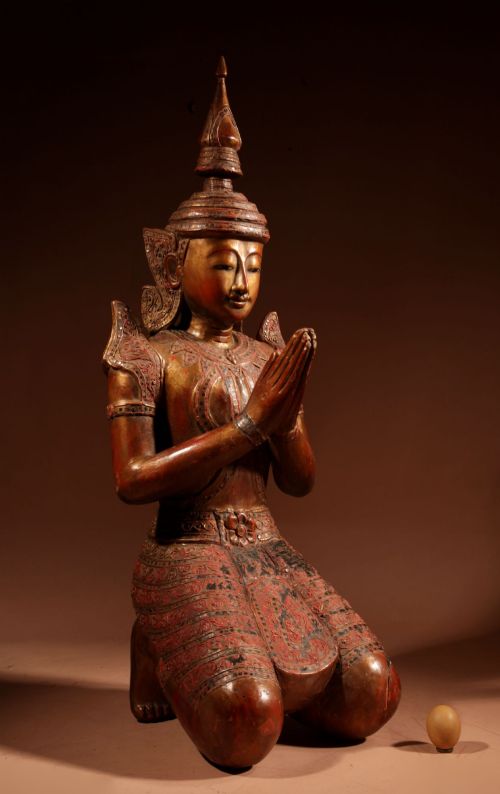
Carved wood provides the foundation for many pieces, frequently finished with gesso, gold leaf, and polychrome paint to add colour and texture. Oak and general timber serve both structural and decorative roles in ecclesiastical fragments and freestanding figures.
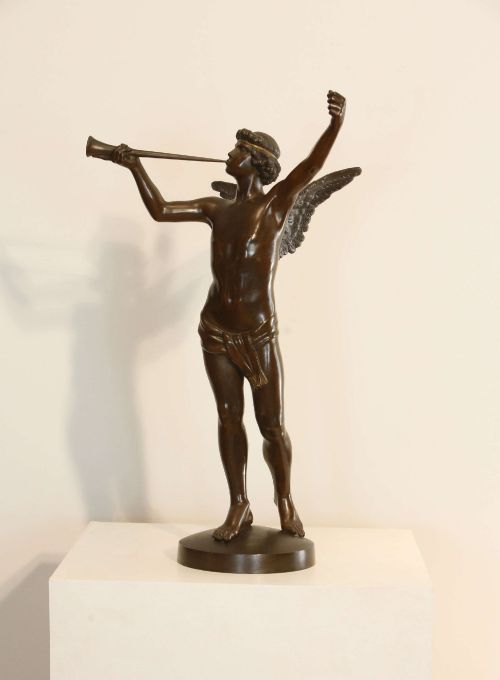
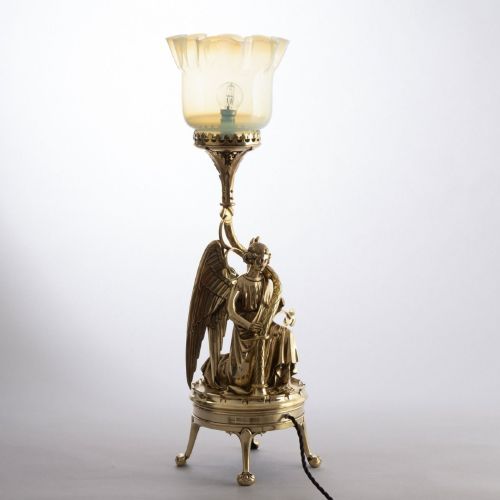
Foundry casting creates the bronze sculptures and brass lamp bases recorded in the listings. Stonework and marble appear in architectural salvage and garden statues, shaped through manual cutting and finishing.
Antique Angel Figure Retail Price Guide 2026
Typical asking prices for angel figure among the pieces listed under this phrase on Sellingantiques today, from the lower quarter to the upper quarter. They describe what is for sale here now, not the wider market.
Listings feature pieces spanning from the sixteenth century to the mid-twentieth century, utilising carved wood, bronze, marble, and brass.
The markers of finer work
The definition in the carving or casting separates simpler decorative objects from masterworks. Sensitivity in facial expressions and the fluid movement of drapery indicate the hand of a skilled sculptor.
The preservation of original surface treatments, such as polychrome paint, silvering, and gilding, influences the character of older pieces. The integrity of the material, whether aged bronze patination or weathered stone, demonstrates authenticity over time.
P. Ipsens Enke, Copenhagen·Louis Auguste Moreau
The Antique Angel Figure Glossary
- Putti
- Depictions of plump, winged infant figures originating in classical art and revived during the Renaissance and Baroque periods. They frequently appear in pairs on carved wooden clouds.
- Polychrome
- Painted in several colours, often applied over gesso on carved wood figures to simulate lifelike skin tones and garments. This technique defines many Italian and continental church sculptures.
- Gesso
- A plaster-like mixture applied to wood surfaces to provide a smooth base for gilding and painting. It allows intricate relief details to be modelled before finishing.
- Ecclesiastical
- Relates to the Christian church and architecture, describing items sourced from religious buildings. These pieces often include choir stalls, altarpieces, and architectural stone fragments.
- Grand Tour
- A cultural journey undertaken by European elites in the eighteenth and nineteenth centuries, collecting antiquities and art. Marble busts and statues often date from this tradition.
Antique Angel Figure: Frequently Asked Questions
How were these figures used originally?
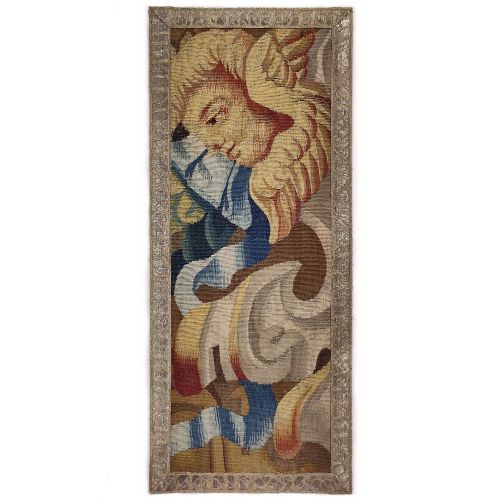
Historically, these figures served devotional functions in churches, adorning altarpieces, holy water stoups, and tapestry borders. They were integrated into sacred architecture to inspire reverence and frame religious scenes.
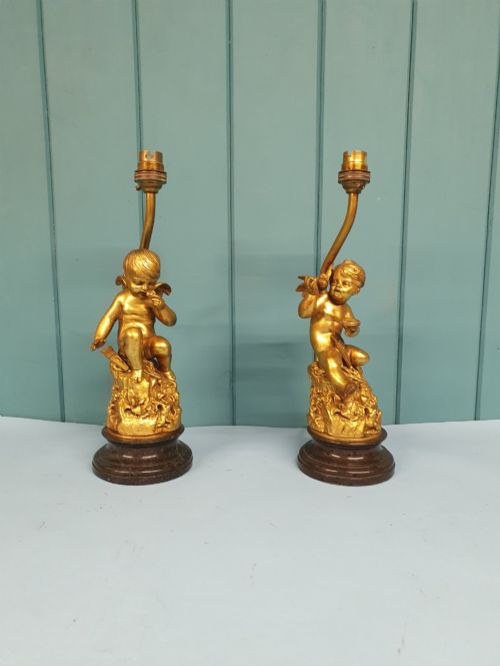
Over time, secular applications emerged, including garden ornaments, grand tour souvenirs, and domestic lighting fixtures. Cherubs and putti adorned domestic spaces to impart classical elegance and symbolic protection.
How should I live with one?
Displaying an antique angel figure requires consideration of its material, whether fragile polychrome wood, heavy bronze, or weathered stone. Placing them on sturdy mantels, consoles, or pedestals allows their sculptural forms to anchor a room.
Protecting wooden and painted pieces from direct sunlight and extreme humidity preserves their historical surfaces. Garden statues benefit from seasonal placement or shelter during harsher weather to maintain their condition.
How do I tell periods apart?
Distinguishing periods involves examining the stylistic traits, carving depth, and material composition of the piece. Seventeenth-century and earlier works often feature heavier oak and distinct Gothic or early Renaissance motifs.
Nineteenth-century pieces frequently display Neoclassical or Rococo Revival influences, utilising machine assistance alongside hand-carving or refined foundry casting. Signatures, patination, and the wear patterns on gesso and paint further aid in dating an object.