


Antique Altar Carving
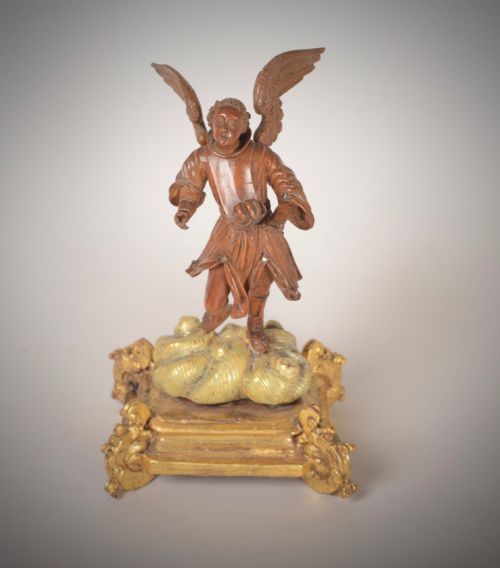
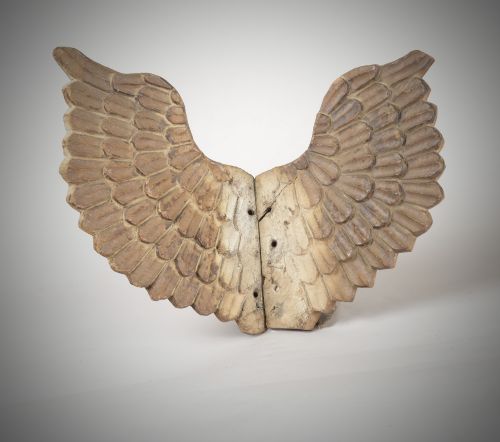
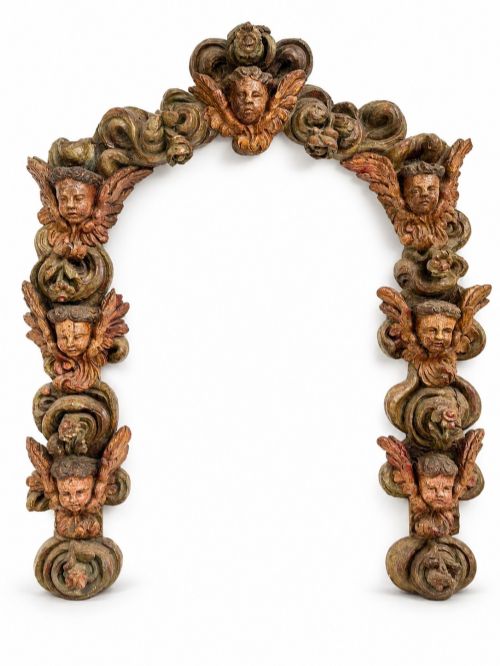
These pieces of antique altar carving draw the eye with rich gilding and heavy timbers, bringing historic devotion and formal craft into domestic spaces.
Antique Altar Carving
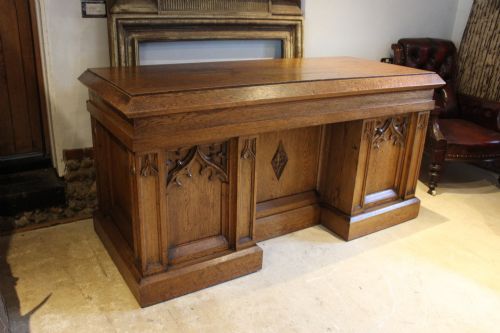
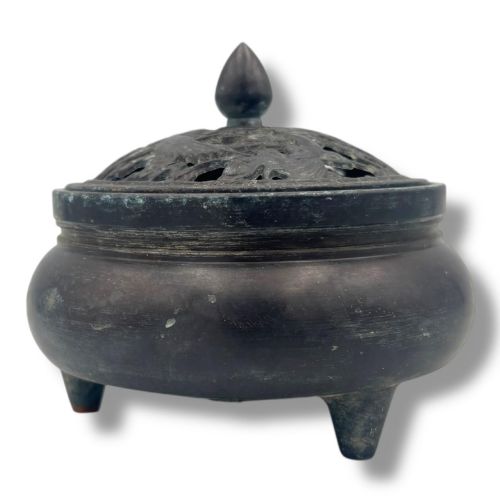
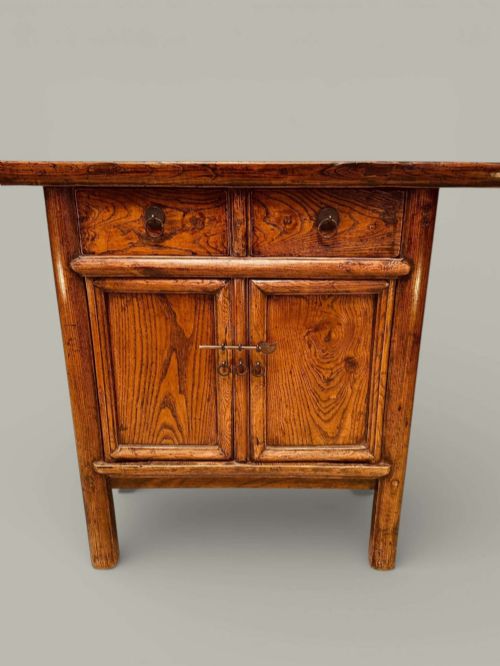
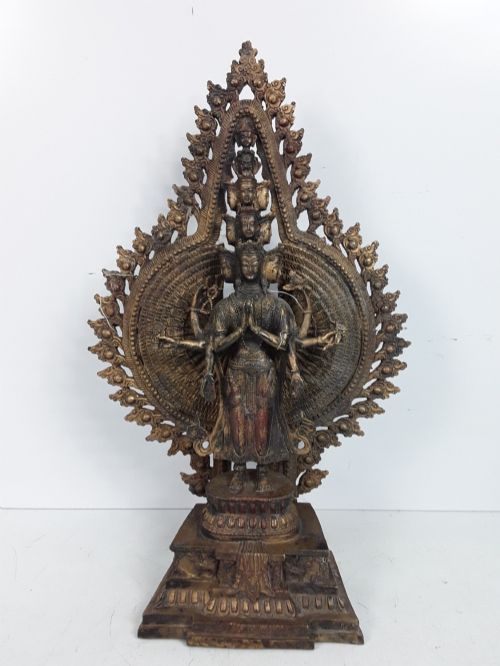
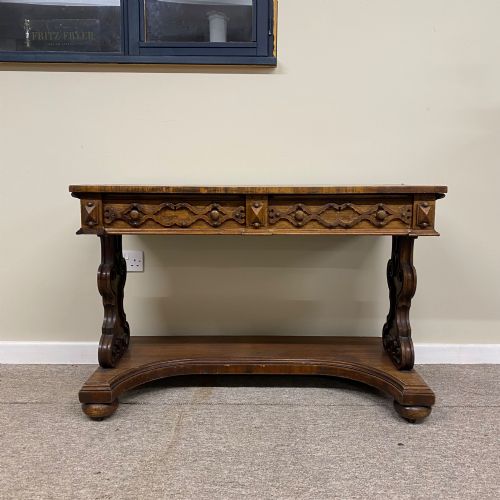
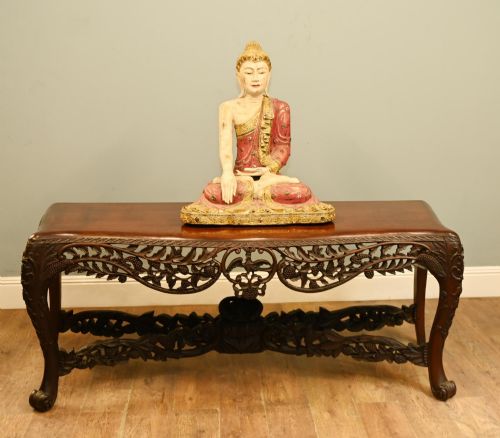
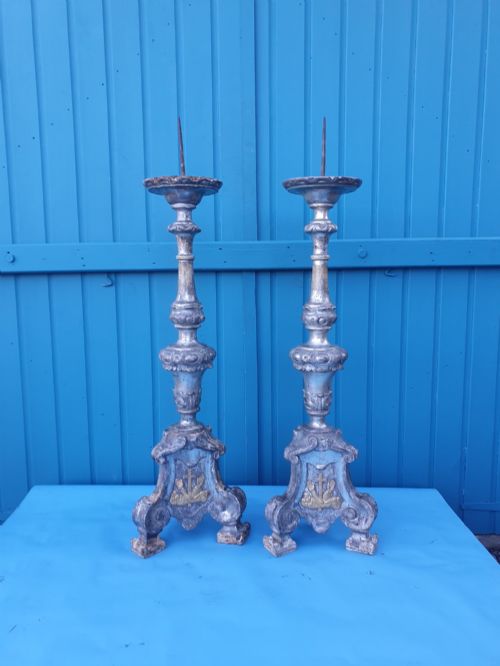
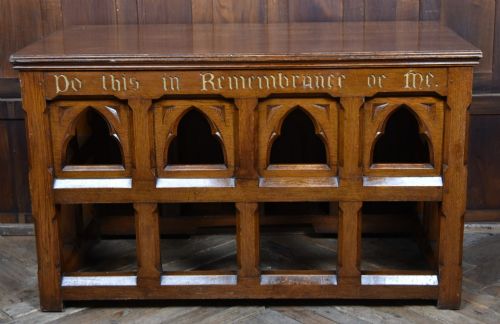
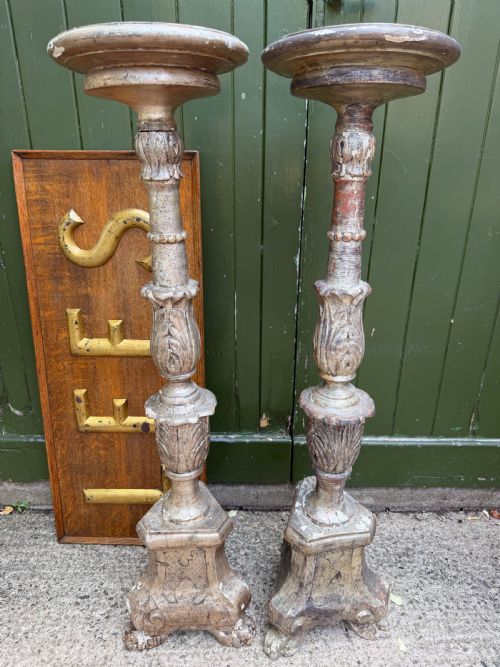
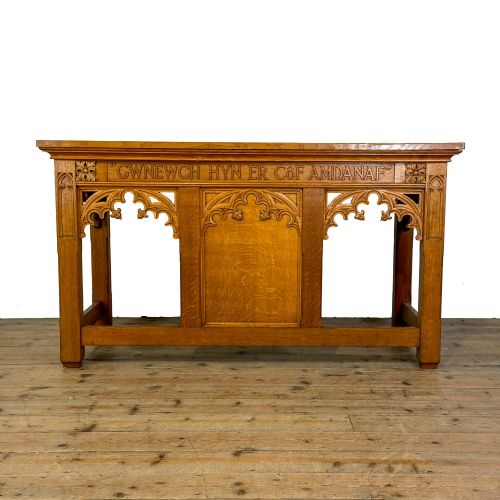
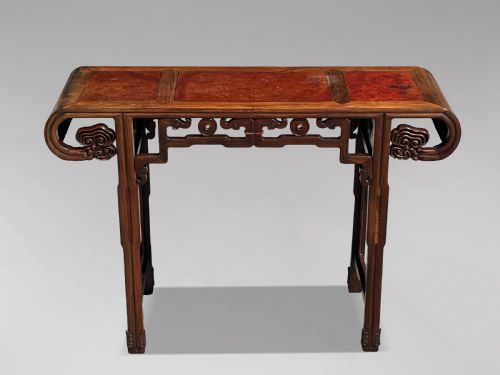
When you search for antique altar carving, you encounter a distinct mix of ecclesiastical furnishings and ritual Chinese tables. The selection ranges from towering Italian candlesticks and oak church altars to hardwood console tables and elm benches originating from the Qing Dynasty.
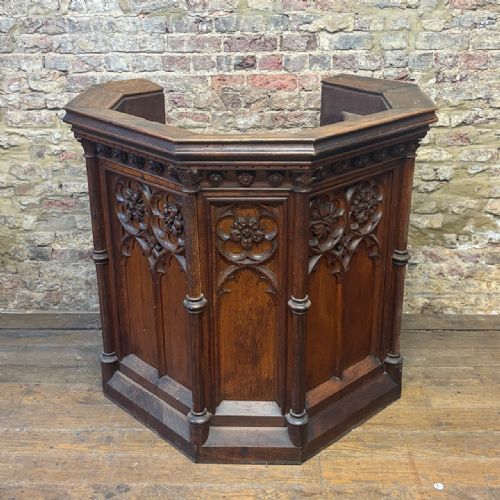
European examples lean heavily into religious and chapel contexts, featuring giltwood, silvered finishes, and Gothic Revival oak. Chinese pieces, by contrast, focus on domestic ritual forms such as altar tables and rosewood benches constructed with traditional joinery.
How they were made
The construction relies heavily on solid hardwoods like elm, rosewood, and oak, alongside softwoods shaped by traditional hand tools. Carvers applied layers of gesso and gold leaf or silvering to wooden surfaces, creating rich reflective finishes that endure on Italian and French liturgical items.
Chinese pieces utilise dense tropical hardwoods joined without excessive metal fixings, allowing tables and benches to support heavy ritual objects. European ecclesiastical furniture employs substantial pegged joints and deep relief carving, particularly within Gothic Revival and Baroque workshop traditions.
Antique Altar Carving Retail Price Guide 2026
Typical asking prices for altar carving among the pieces listed under this phrase on Sellingantiques today, from the lower quarter to the upper quarter. They describe what is for sale here now, not the wider market.
Materials recorded across the inventory include carved hardwood, elm, oak, gold leaf, gesso, and iron.
What varies in quality
The distinction between ordinary and exceptional pieces lies in the crispness of the hand-carved detail and the preservation of original surface treatments. Finer examples retain their original gilding, silver leaf, or polychrome paint without heavy modern overpainting.
Structural integrity and timber selection separate standard utility items from top-tier specimens. Dense hardwoods with rich natural patinas and precise joinery command greater attention than softer, heavily repaired alternatives.
The Antique Altar Carving Glossary
- Giltwood
- Wood that has been coated with a thin layer of gold leaf or gold powder over a prepared gesso ground. This technique creates a luminous, reflective surface common on Italian and continental European church furnishings.
- Pricket
- A sharp metal spike set into the centre of a candlestick or altar stand to hold a large candle in place. They appear frequently on 18th-century ecclesiastical lighting.
- Torchere
- A tall stand or candlestick designed to support a light source, often carved from wood and finished with gilt or silver leaf. They originated for ceremonial lighting in large rooms and churches.
- Hardwood
- Dense timber derived from broad-leaved trees, including rosewood, elm, and oak utilised in Chinese tables and European church furniture. These woods allow for deep, stable carving.
- Gesso
- A plaster-like mixture applied to wood surfaces as a smooth base for gilding or painting. It provides the foundation for the reflective metallic finishes seen on baroque candlesticks.
Antique Altar Carving: Frequently Asked Questions
What is an altar table used for?
These tables served primarily for ceremonial offerings, ritual displays, and ancestor worship in Chinese households, or as the central communion table in European churches.
In modern interiors, their long proportions and narrow depths make them practical as console tables, window seats, or sideboards.
How do I identify a church altar?
Church altars are typically constructed from heavy oak or pine, often displaying architectural elements like linenfold panels, pointed arches, or Gothic Revival motifs. Their substantial weight and religious iconography distinguish them from domestic furniture.
Many bear the marks of intensive ecclesiastical use, including candle wax residue and deep patination on the top surfaces.
Are these pieces waterproof?
Most antique altar carvings feature historical finishes such as wax, oil, gold leaf, or gesso, which do not tolerate standing water or harsh modern chemical cleaners. Moisture can cause gesso to lift and timber to warp.
Maintenance should be limited to gentle dusting with a dry cloth and occasional application of appropriate natural wax.
How do I tell Chinese from European pieces?
Chinese examples utilise dense tropical hardwoods like elm and rosewood, employing traditional joinery methods suited to domestic ritual furniture. European pieces are usually made from oak, pine, or walnut, featuring Christian symbols and Baroque or Gothic Revival styling.
The structural framework and surface decoration immediately separate eastern domestic altars from western ecclesiastical furnishings.