



Antique Altar Brassware
Antique altar brassware brings weighty ecclesiastical presence into domestic rooms through centuries of metalwork.
Antique Altar Brassware
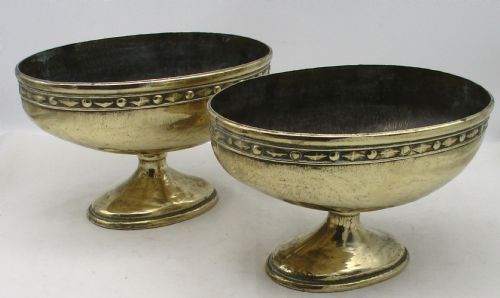
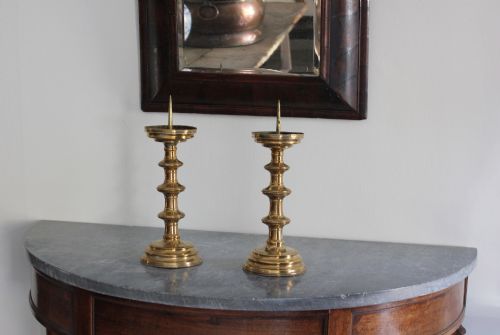
When you search for antique altar brassware, you are looking at heavy metal objects made for church services and chapels. These pieces include candlesticks, pricket candle sticks, altar garniture, pedestal bowls, and crucifixes.
The versions you are most likely to meet on this page date from the nineteenth century, often reflecting Victorian Gothic or Arts and Crafts tastes. Earlier examples from the sixteenth and seventeenth centuries also appear, bringing Flemish Baroque and Southern Netherlands origins.
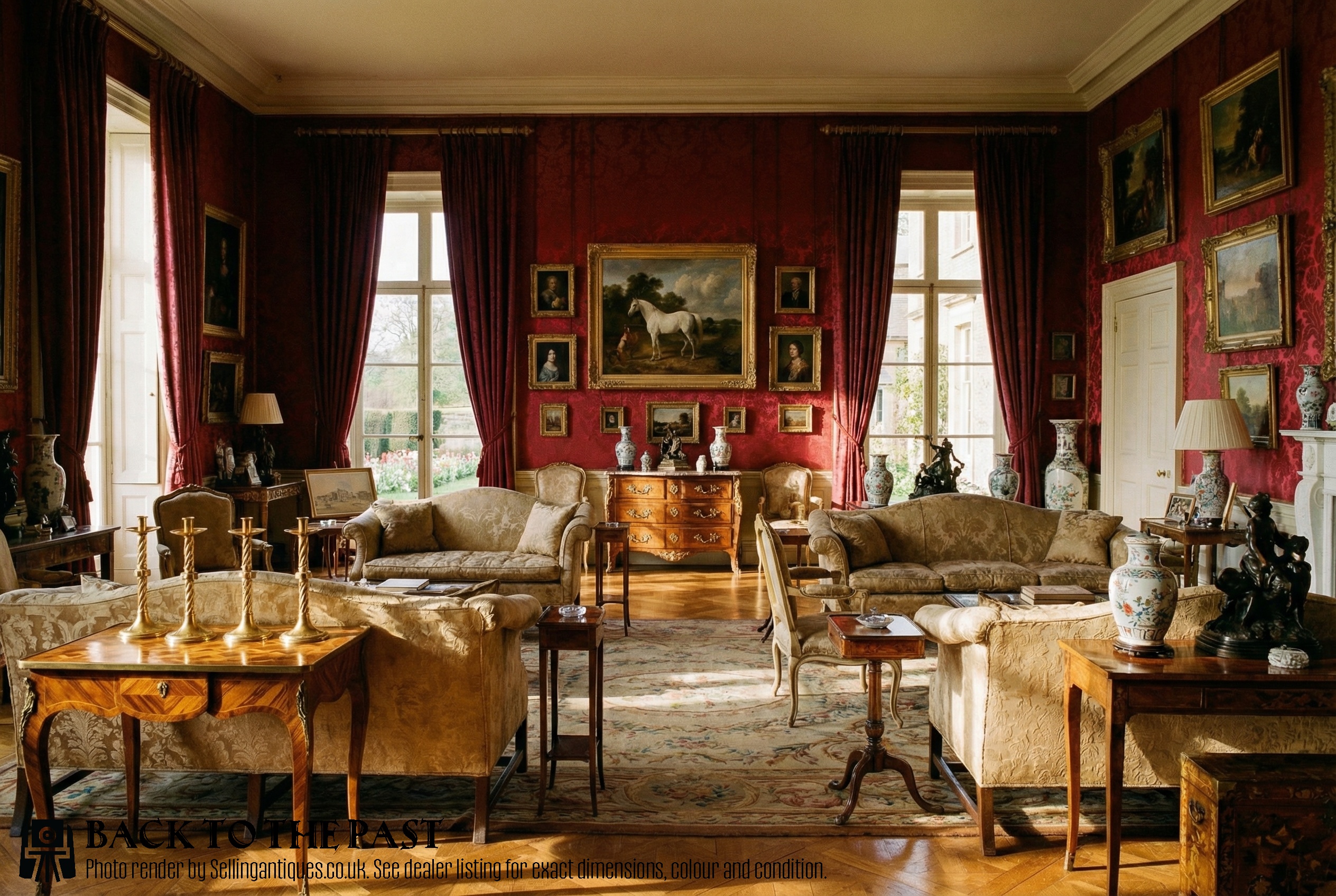
Makers shaped these items for lighting altars and holding liturgical vessels, employing brass and gilt-brass. Over time, collectors repurposed them as focal points for mantelpieces and dining tables.
How they were made
Metalworkers utilised heavy brass and gilt-brass to cast and shape these ecclesiastical items. The weight of the metal provided stability for tall candlesticks and pricket stands holding large candles during services.
Surface decoration frequently incorporated enamel details to add colour and contrast to the yellow metal. Construction techniques relied on joining separate cast components to form tall stems, wide bases, and supporting bowls.
A heavy church candlestick makes a formidable doorstop if you tire of staring at it.
What varies in quality
The distinction between standard ecclesiastical production and superior work rests on the crispness of the cast detailing. Sharp relief work on Gothic ornamentation and balanced proportions elevate certain pairs above simpler utilitarian items.
Gilt preservation and the integrity of applied enamel accents differentiate standard brassware from higher grade liturgical furnishings. Weight and substantial gauge metal indicate sturdiness and deliberate craftsmanship.
The Antique Altar Brassware Glossary
- Pricket
- A sharp metal spike on a candlestick designed to skewer and hold a large candle in place. This form appears frequently on older liturgical candlesticks.
- Gilt-brass
- Brass treated with a thin layer of gold or gold-coloured wash to give a rich surface finish. It catches candlelight effectively in ecclesiastical settings.
- Gothic Revival
- An architectural and decorative style reviving medieval forms, prominent in nineteenth-century church metalware. Pointed arches and trefoil motifs are common.
- Altar Garniture
- A matching set of decorative objects, such as vases and candlesticks, arranged on an altar. They create a unified visual display during services.
Antique Altar Brassware: Frequently Asked Questions
How do I date these pieces?
Dating relies on stylistic clues such as Victorian Gothic revival motifs or seventeenth-century Flemish Baroque forms.
Construction methods and material finishes, including early enamel work, also help narrow the period of origin.
Were these used in homes?
These items were originally manufactured strictly for use in churches, chapels, and monastic settings.
Today, collectors place them in domestic rooms for their architectural weight and historic presence.
What styles are most common?
Nineteenth-century Gothic Revival and Victorian designs appear most frequently in surviving metalware.
Earlier centuries are represented by Flemish Baroque and Southern Netherlands forms with simpler, heavier profiles.