





Antique Ale Tankard
An antique ale tankard is a robust vessel built for hearty drink, drawing collectors with tactile heft and centuries of tavern history.
Antique Ale Tankard
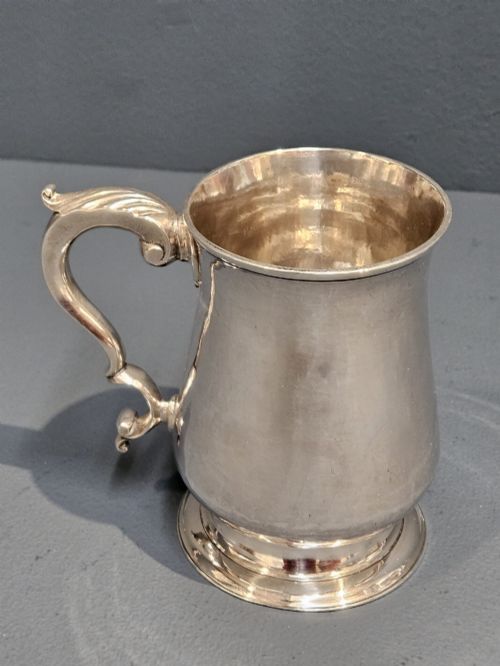
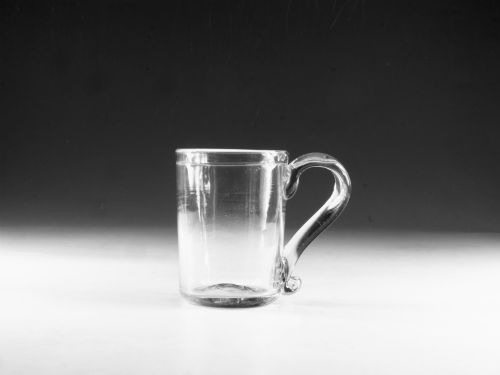
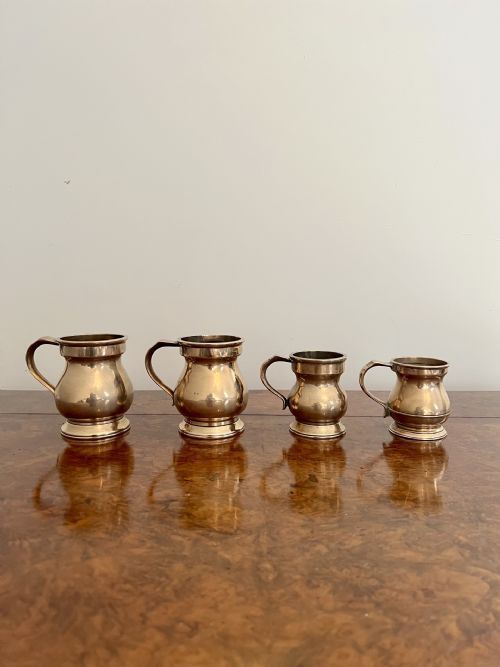
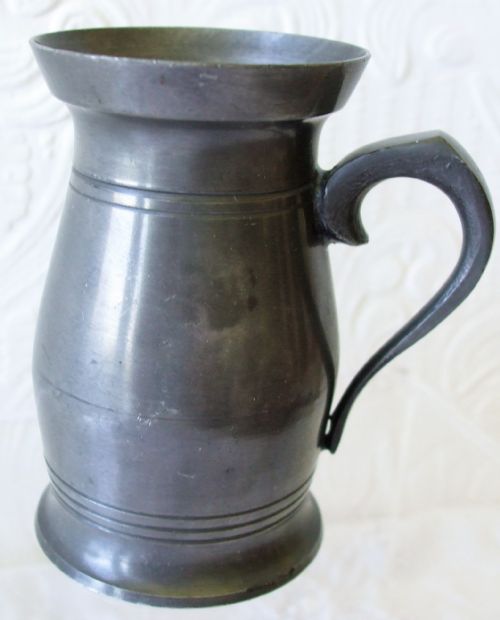
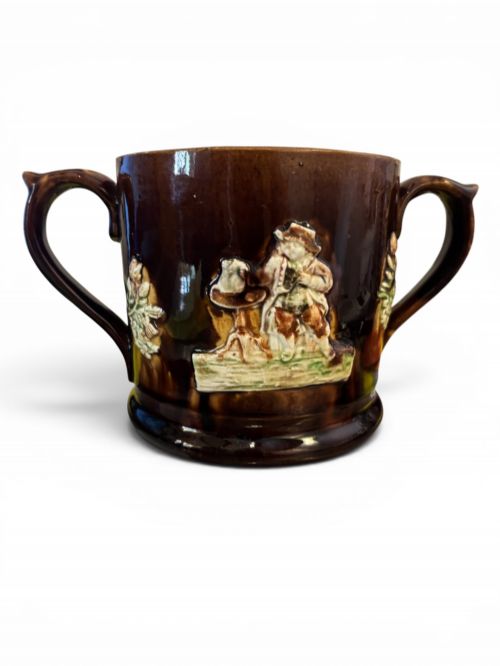
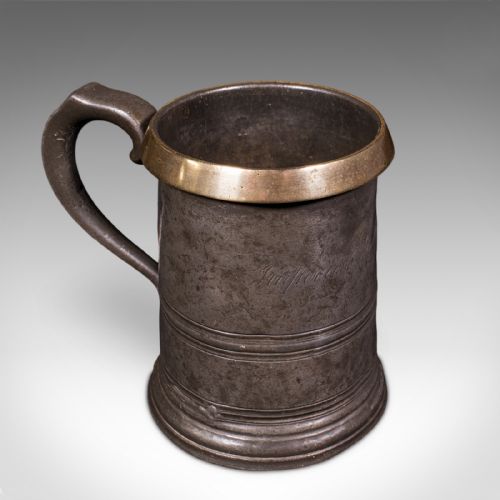
An antique ale tankard encompasses drinking vessels created to serve malt beverages in domestic and public settings. The selection on this page leans heavily toward sturdy metal forms from the Georgian and Victorian eras, alongside ceramic pitchers and glass vessels.
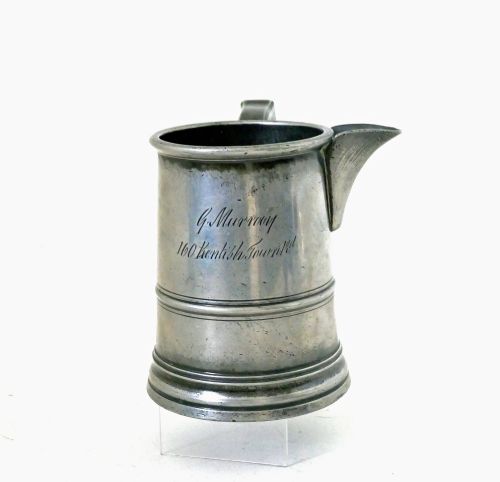
Buyers encounter distinct regional and capacity types, ranging from small gill measures and pint mugs to large quart flagons and tappit hens. These pieces originate across the British Isles and continental Europe, reflecting local drinking customs.
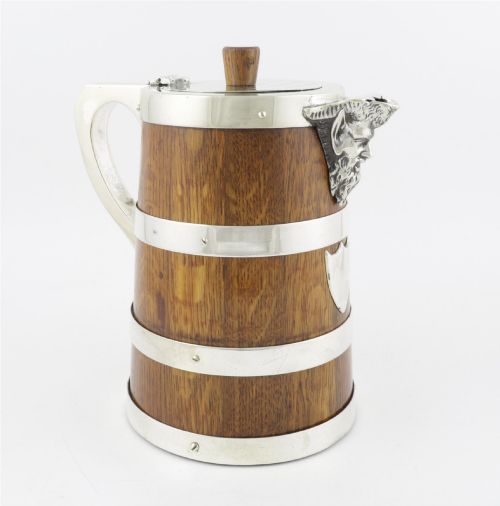
The material vocabulary spans traditional pewter and copper through to glittering Old Sheffield Plate and solid silver. Ceramic examples like stoneware and delft faience also appear, often featuring applied metal lids or rims.
How They Were Made
Makers shaped metal vessels through casting, hammering, and soldering pewter, copper, and silver alloys. Old Sheffield Plate combined a thin sheet of silver fused to a copper base, producing resilient tableware with a rich metallic sheen.
Ceramic jugs and steins relied on local clays thrown on a wheel or moulded, then glazed and fired in kilns before metal mounts were attached. Pewterers utilised lathe-spinning and manual engraving to finish bodies and add personal or tavern inscriptions.
Antique Ale Tankard Retail Price Guide 2026
Typical asking prices for ale tankard among the pieces listed under this phrase on Sellingantiques today, from the lower quarter to the upper quarter. They describe what is for sale here now, not the wider market.
Some nineteenth-century tavern vessels conceal mischievous frog or surprise spitting designs inside the mug to startle thirsty patrons.
What Varies in Quality
The standard of an antique ale tankard rests upon the crispness of its original casting, the structural integrity of handle attachments, and the preservation of maker marks or verification stamps. Heavier gauge metals and thick silver fusion layers indicate superior manufacture.
Proportion and surface wear dictate visual appeal, where pleasing patinas and unblemished heraldic crests elevate a piece. Finer examples retain their original lids, hinges, and thumbpieces intact without heavy distortion from centuries of use.
Richard Morton·Watts and Harton·Doulton Lambeth
The Antique Ale Tankard Glossary
- Old Sheffield Plate
- A composite material made by fusing a thin layer of sterling silver to a copper ingot. This technique preceded modern electroplating and creates a warm, layered appearance where the base metal occasionally peeks through.
- Tappit Hen
- A traditional Scottish drinking vessel with a distinctive lid and a knob on top. These pewter measures held specific volumetric capacities like the Scots pint.
- Gill Measure
- A small standardised drinking container used for dispensing precise volumes of liquid in public houses. They often bear government verification stamps from the Victorian era.
Antique Ale Tankard: Frequently Asked Questions
Were these tankards used for daily drinking?
Many examples served patrons in busy public houses and taverns across Britain throughout the eighteenth and nineteenth centuries. Sturdy metals and thick ceramics were chosen specifically to withstand daily commercial service.
Others remained in domestic dining rooms or country homes for family ale consumption. Government verification stamps on many pieces confirm their commercial use.
How can I date an old metal tankard?
Dating relies on examining the manufacturing style, handle design, touchmarks, and capacity stamps. Georgian pieces often display simpler cylindrical or bell shapes with touchmarks corresponding to known makers.
Victorian items frequently include VR verification stamps and standardised capacity designations. Old Sheffield Plate pieces utilise early fabrication methods that disappeared with the invention of electroplating.
Can I still drink ale from these vessels?
Most antique metal tankards containing lead solder or older alloy compositions are unsuitable for modern consumption. Old Sheffield Plate and pewter can leach metals into acidic beverages over time.
Ceramic and glass vessels with intact glazes present fewer concerns, though display remains the primary purpose for most collectors. Enjoy these historical objects visually rather than practically.