










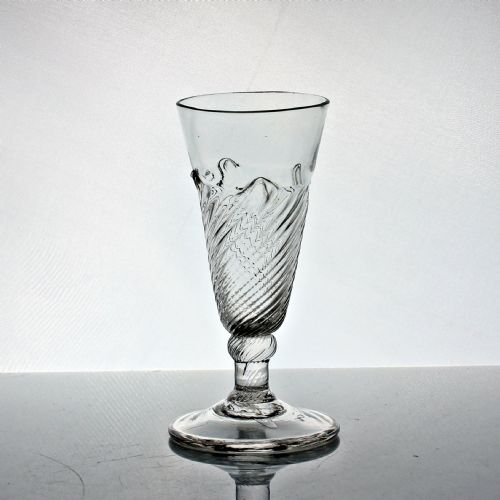

Antique Ale Glasses
These antique ale glasses are eighteenth and nineteenth-century drinking vessels, shaped for beer and cider with slender bowls for holding carbonation.
Antique Ale Glasses
When you search for antique ale glasses, you encounter drinking vessels chiefly from the eighteenth century and the Georgian period. The form frequently appears as a tall, slender stemware piece, designed to maintain the head on a pour of ale.
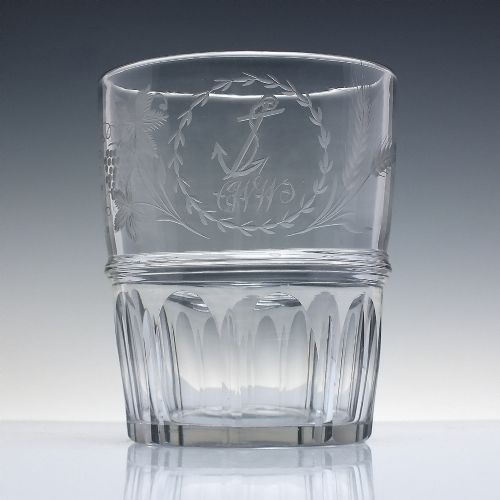
Beyond the standard stemware, the selection includes heavy rummers, facet-cut flutes, and flat-bottomed flip glasses. These heavier pieces date toward the early nineteenth century and offer a robust alternative to fragile stems.
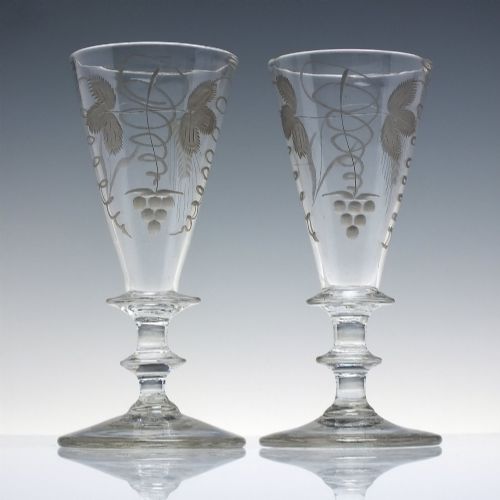
Engraving is a defining characteristic of the form, particularly motifs of hops and barley that signal the contents. Examples stretch from the mid-eighteenth century into Edwardian times and the nineteen-twenties, showing how tavern and home drinking habits evolved.
How they were made
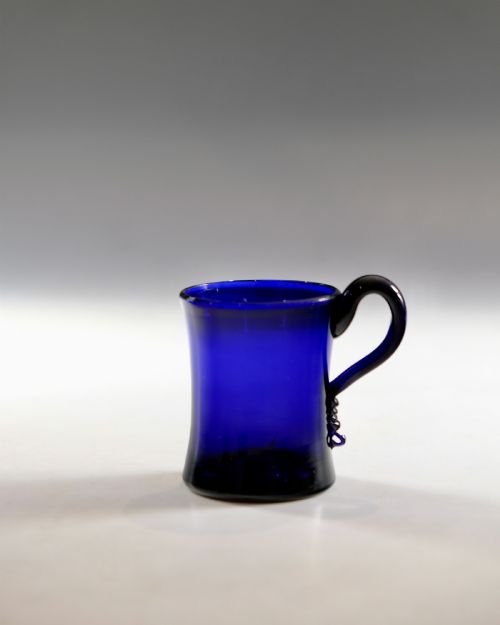
Glassmakers shaped these drinking vessels by hand, utilising lead glass, flint glass, and clear glass formulas that produced a bright ring and substantial weight. Cobalt glass and red colour twist rods introduced striking contrast into the stems.
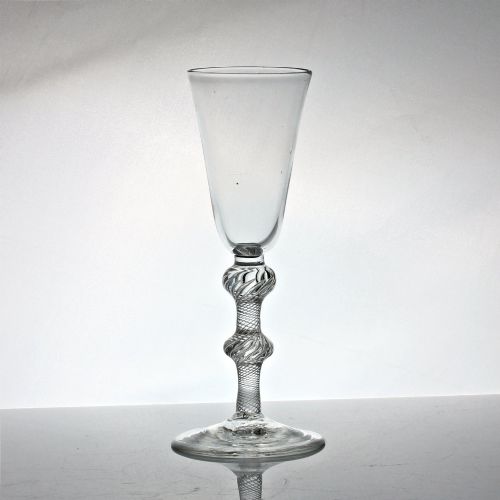
Techniques for the stems included air twists, double series opaque twists, and faceted cutting, requiring considerable skill at the glasshouse furnace. Bowls were often wheel-engraved with botanical details after cooling, while feet were frequently folded over for rim strength.
Antique Ale Glasses Retail Price Guide 2026
Typical asking prices for ale glasses among the pieces listed under this phrase on Sellingantiques today, from the lower quarter to the upper quarter. They describe what is for sale here now, not the wider market.
Some dwarf ale glasses were kept short and stout to prevent over-enthusiastic tavern patrons from knocking them off the table.
What varies in quality
Quality rests upon the crispness of the glass optics and the clarity of the metal, free from excessive cloudiness or heavy bubbles. Superior examples display sharply defined twist threads inside the stem or cleanly faceted cuts.
The finesse of the wheel engraving marks the distinction between standard tavern ware and fine parlour pieces. Deep, detailed cutting on the hops and barley motifs indicates a higher grade of craftsmanship.
The Antique Ale Glasses Glossary
- Air twist
- A stem formation created by drawing out imprisoned air bubbles within the molten glass before it was twisted into a spiral. This technique produces delicate threads of light running through the centre of the stem.
- Opaque twist
- A stem style incorporating white or coloured enamel glass rods twisted into threads within a clear glass casing. Double series examples combine multiple layers of these opaque twists.
- Folded foot
- A base edge turned underneath during manufacture to create a rounded, thickened rim that resists chipping. This feature appears frequently on eighteenth-century drinking vessels.
- Flute
- A tall, narrow glass bowl designed to concentrate aromas and support carbonation in sparkling beverages. In this selection, they often feature facet-cut stems.
- Rummer
- A capacious, short-stemmed drinking glass used for stronger ales, rum, and wine during the Georgian and Regency eras. They typically possess a stout, comfortable weight in the hand.
Antique Ale Glasses: Frequently Asked Questions
How do you use antique ale glasses?
Collectors generally reserve these pieces for special occasions, celebratory toasts, or display rather than daily dining.
Because eighteenth-century glass can be delicate, hand washing in tepid water without soaking is essential for their preservation.
How can I tell an air twist from an opaque twist?
An air twist contains clear, elongated bubbles spiralling through the glass stem, catching the light subtly from within.
An opaque twist relies on solid white or coloured enamel rods embedded in the metal, creating bold, opaque white threads that stand out clearly.
Why do so many ale glasses have hops and barley engraved?
Engravings of hops and barley served as a direct decorative reference to the primary agricultural ingredients used in brewing ale.
This traditional iconography appeared widely across eighteenth-century stemware and rummers to indicate the intended contents of the vessel.