







Antique African Artifact
These antique african artefact examples carry the rich sculptural and cultural heritage of diverse regions across the continent.
Antique African Artifact
When you search for antique african artefact, you encounter a diverse range of objects created for tribal, ceremonial, and daily use. The pieces gathered here span from the nineteenth century through the early twentieth century, reflecting varied regional traditions.
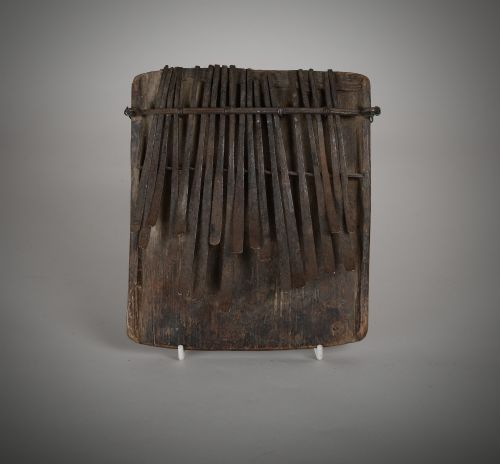
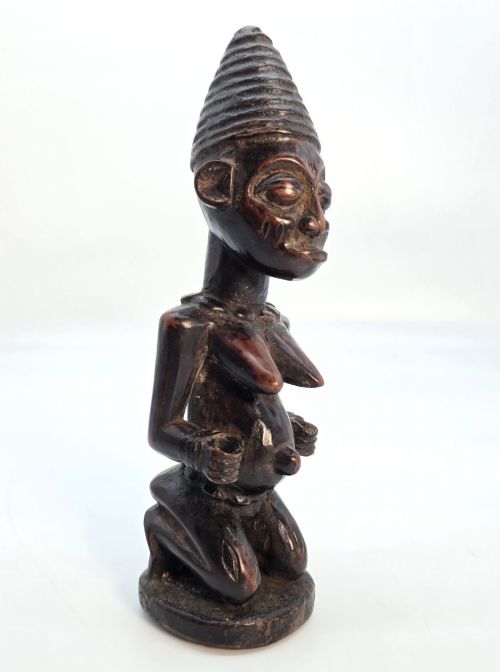
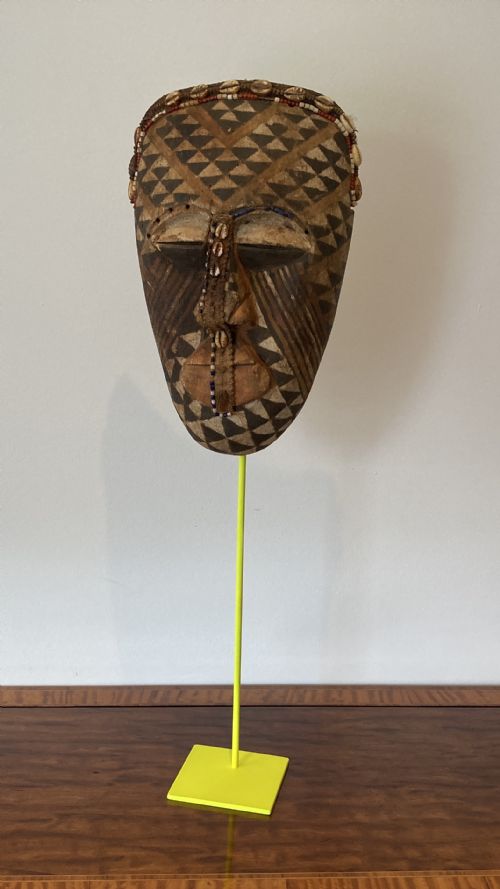
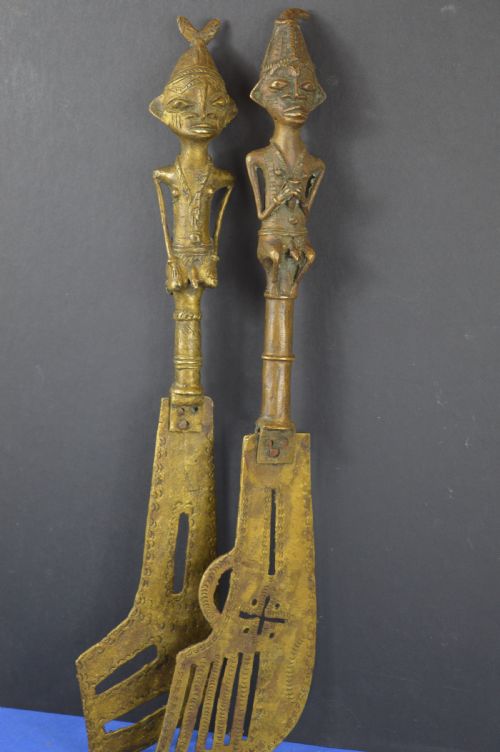
You are most likely to meet wooden figures, metal ceremonial objects, and functional items such as clubs, staffs, and tables. These works originate from groups including the Zulu, Yoruba, Benin Kingdom, and Turkana people.
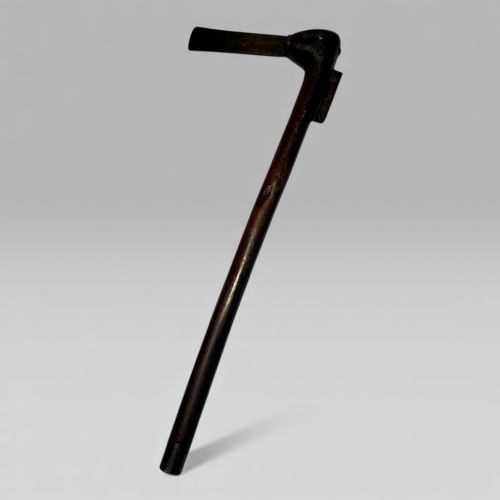
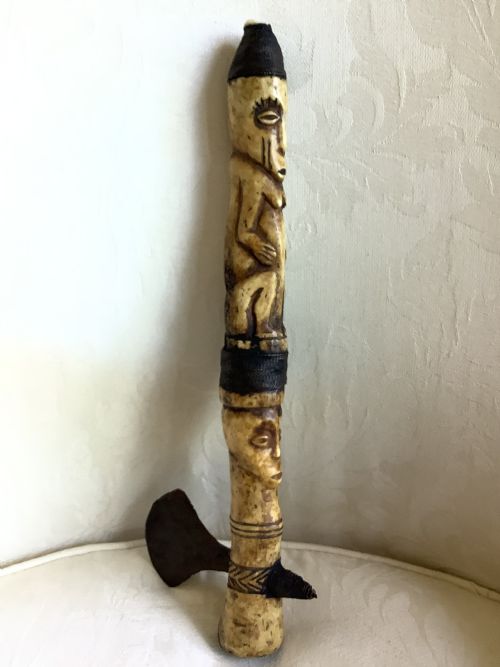
The selection encompasses sculptural figures, ritual axes, and personal adornments that illustrate distinct historical craftsmanship. Each category holds specific cultural significance tied to its region of origin.
Materials and construction
Makers utilised natural materials such as hardwood and timber for carved figures, seating, and implements. Skilled hands shaped these organic mediums using traditional cutting and carving tools.
Metalworking traditions are evident in cast bronze and brass pieces, alongside forged iron elements. Other works incorporate bone, fibre, and leather to complete functional or decorative compositions.
Antique African Artifact Retail Price Guide 2026
Typical asking prices for african artifact among the pieces listed under this phrase on Sellingantiques today, from the lower quarter to the upper quarter. They describe what is for sale here now, not the wider market.
A fighting wrist knife bracelet offers a sharp reminder that personal accessories once doubled as defensive hardware.
Assessing craftsmanship
Quality in these objects rests upon the precision of the carving and the fluidity of the form. Master carvers achieved expressive depth through balanced proportions and confident handling of the material.
The sophistication of the casting process or surface detailing distinguishes finer metalwork. Evidence of traditional usage and age-related patina further separates standard items from pieces of exceptional sculptural merit.
The Antique African Artifact Glossary
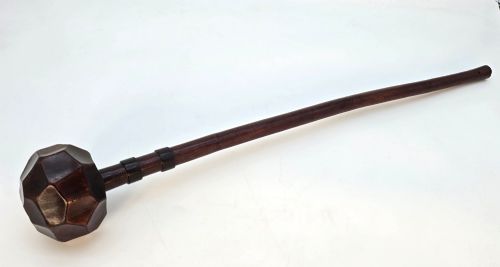
- Knobkerrie
- A traditional southern African club featuring a heavy knob at the end of a wooden shaft. This form served both as a weapon and a status symbol.
- Récade
- A ceremonial axe associated with the royal courts of Dahomey. These objects functioned as insignia of office and messengers of authority.
- Punu Mask
- A distinctive style of wooden face mask originating from Gabon, typically characterised by white kaolin pigment and elaborate hairstyles.
- Patina
- The surface sheen and coloration developed through handling, exposure, and age. This characteristic helps indicate the authenticity and history of an artefact.
Antique African Artifact: Frequently Asked Questions
What defines an antique african artifact?
These items are traditional objects created by indigenous African communities for functional, religious, or ceremonial purposes. They reflect the specific cultural practices and artistic styles of their makers.
Examples on this page include carved figures, weaponry, metal castings, and domestic items dating primarily from the nineteenth and early twentieth centuries.
How do I care for wooden tribal pieces?
Wooden sculptures and objects require stable environmental conditions away from direct sunlight and extreme humidity fluctuations. Maintaining consistent temperature prevents the wood from drying out or splitting.
Avoid applying modern polishes or oils unless specifically recommended for ethnographic wood. Dusting gently with a soft, dry cloth is usually sufficient for routine maintenance.
Were these objects made for daily use or ritual?
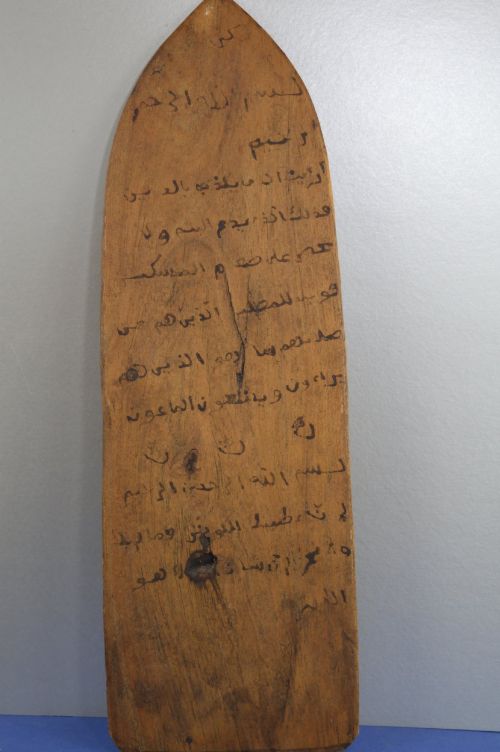
Many items served distinct ceremonial, religious, or royal functions within their societies. This category includes ritual staffs, prayer boards, and memorial figures tied to specific traditions.
At the same time, other pieces fulfilled everyday domestic and defensive roles, such as fighting wrist knives, pipes, and small tables.