






Antique African Artefact
These antique african artefact pieces span tribal sculptures, bronze regalia, and carved implements shaped by skilled makers across the continent.
Antique African Artefact
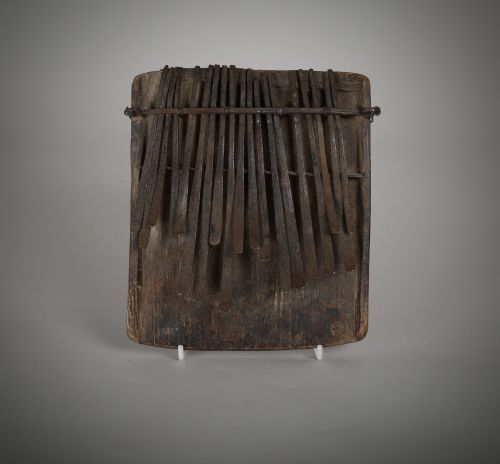
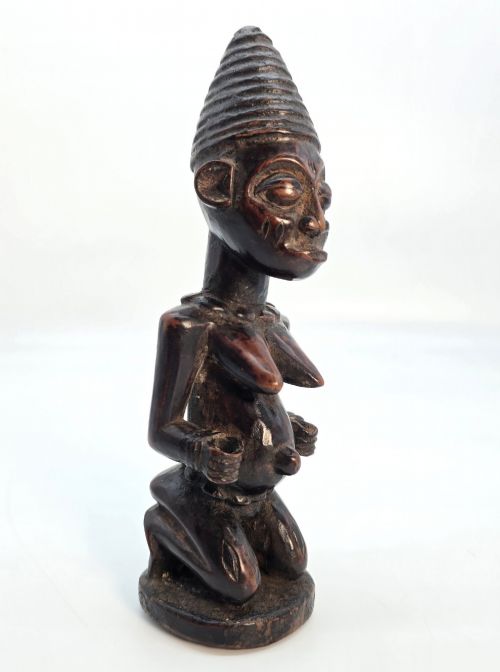
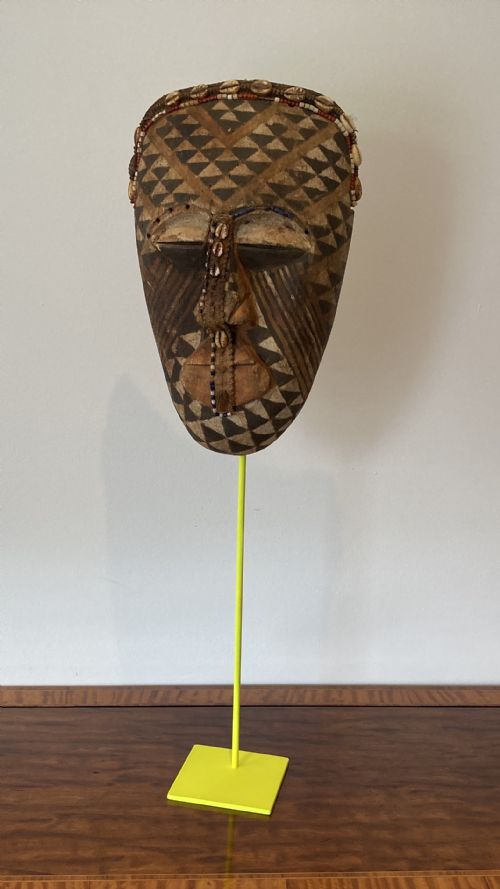
An antique african artefact encompasses a diverse array of traditional items, ranging from carved wooden figures and ritual masks to bronze sculptures and utilitarian weapons. When exploring this selection, buyers encounter distinct forms such as fertility figures, ceremonial staffs, and prayer boards originating from various regions.
The objects represented here trace their origins from the nineteenth century through the early twentieth century. Common stylistic traditions include Zulu, Yoruba, Benin Kingdom, Ashanti, and Punu expressions, each carrying specific cultural and historical significance.
How they were made
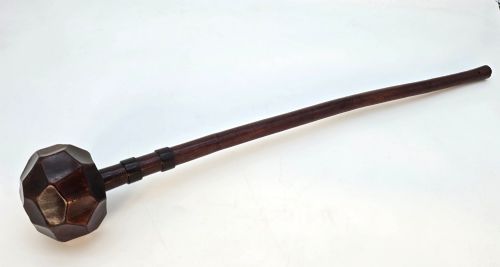
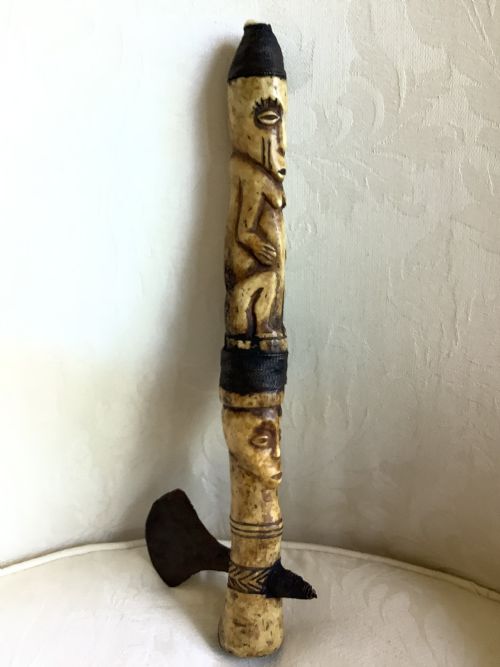
Makers utilised organic materials predominantly, shaping dense hardwoods and general woods into figural sculptures, knobkerrie clubs, tables, and pipes. Bone and fibre often appear alongside wood, sometimes combined with leather or incorporated into intricate carving work.
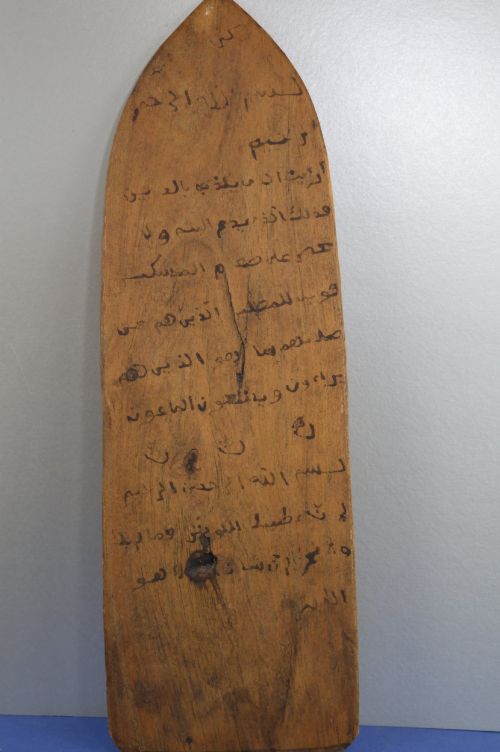
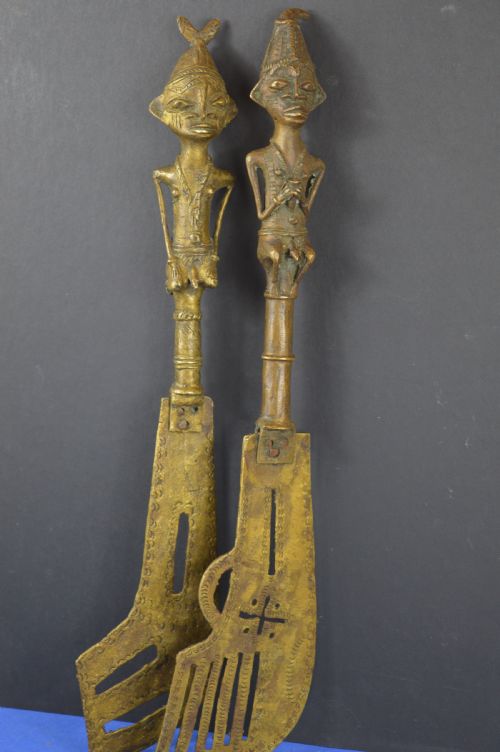
Metalworking techniques produced remarkable cast items, utilising bronze and brass to fashion substantial pots, busts, and tribal staffs. Iron also appears in functional implements, while inscribed surfaces demonstrate specialised script work on wooden prayer boards.
Antique African Artefact Retail Price Guide 2026
Typical asking prices for african artefact among the pieces listed under this phrase on Sellingantiques today, from the lower quarter to the upper quarter. They describe what is for sale here now, not the wider market.
A sturdy wooden carving once served a dual life as a functional side table.
What varies in quality
Quality resides in the precision of the carving, the balance of sculptural forms, and the depth of cultural expression evident in each piece. Works demonstrating confident handling of materials stand apart from simpler or more routine examples.
Age, material integrity, and surface patination heavily influence the character of an artefact. Pieces retaining clear regional stylistic traits and sophisticated metallurgical or woodcarving techniques represent the pinnacle of traditional craftsmanship.
The Antique African Artefact Glossary
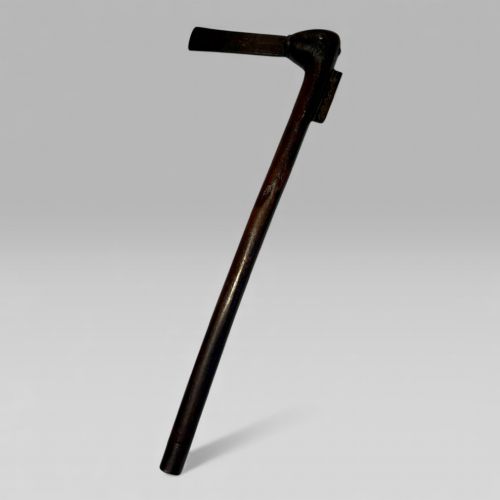
- Knobkerrie
- A traditional African wooden club featuring a heavy knob at one end, used primarily for throwing or striking in hunting and combat.
- Récade
- A ceremonial axe or staff associated with West African royal authority, historically carried by messengers in Dahomey.
- Prayer Board
- A wooden tablet inscribed with Islamic script, utilised in parts of West Africa for scholarly study and spiritual devotion.
- Patina
- The surface sheen and colour acquired by wood, metal, bone, or leather through age, handling, and environmental exposure.
Antique African Artefact: Frequently Asked Questions
What defines an African tribal artefact?
An African tribal artefact is an object created for utilitarian, ceremonial, spiritual, or royal purposes within traditional societies. These pieces reflect the distinct cultural heritage and artistic conventions of specific peoples and regions across the continent.
Items range from everyday weapons and personal accessories to sacred figures, masks, and regalia cast in bronze or carved from hardwood.
How can I date these items?
Dating relies upon stylistic analysis, material composition, and recorded provenance connecting the piece to periods such as the nineteenth century or the early twentieth century. Artisanal methods and regional markers help establish the historical timeframe of creation.
Inspect the natural wear on materials like wood and bronze, which develops over generations of use and exposure.
Where do these pieces originate?
The pieces originate from diverse regions across the African continent, encompassing West, East, and Central African cultures. Specific artistic traditions represented include the Zulu, Yoruba, Benin Kingdom, Ashanti, and Punu.
Each region developed unique forms and techniques, from the bronze casting of the Benin Kingdom to the intricate woodcarving of Gabon.
How should I care for wooden artefacts?
Wooden artefacts require stable environmental conditions protected from extreme fluctuations in temperature and humidity. Keep pieces away from direct sunlight to preserve the natural wood and surface patination.
Dust gently with a soft, dry cloth and avoid applying modern polishes or oils that might alter the historic surface.