





Antique Afghanistan Rug
An antique afghanistan rug brings deep tribal patterns and rich hand-spun wool into a room with grounded authority.
Antique Afghanistan Rug
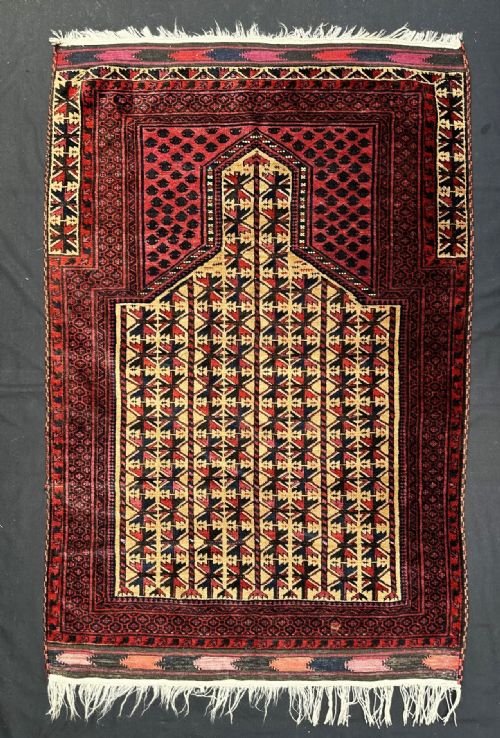
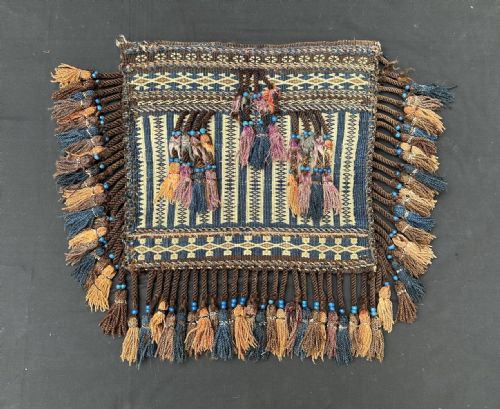
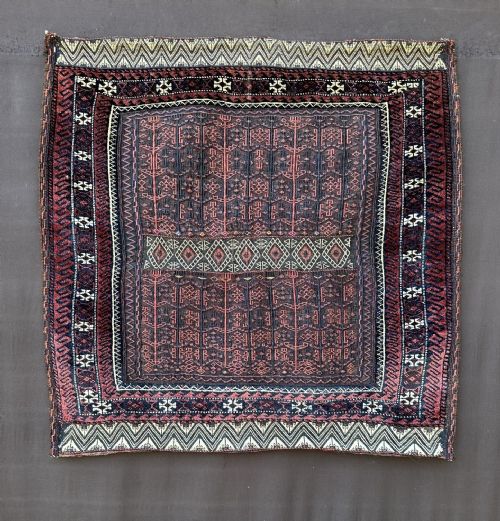
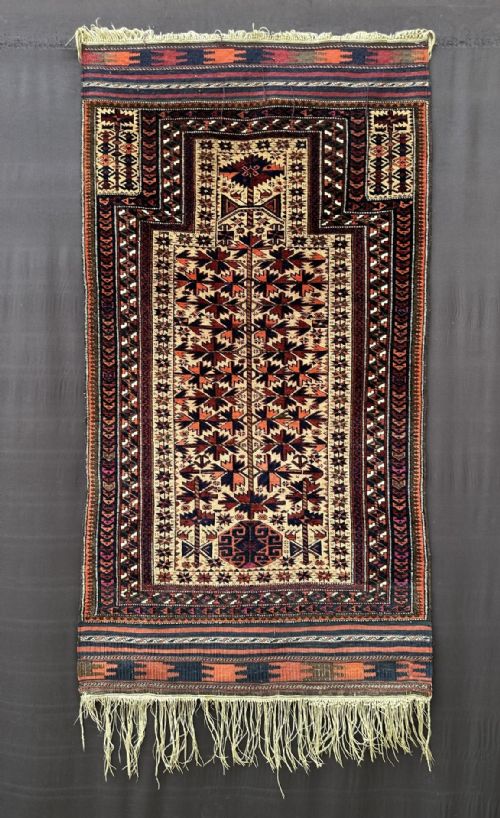
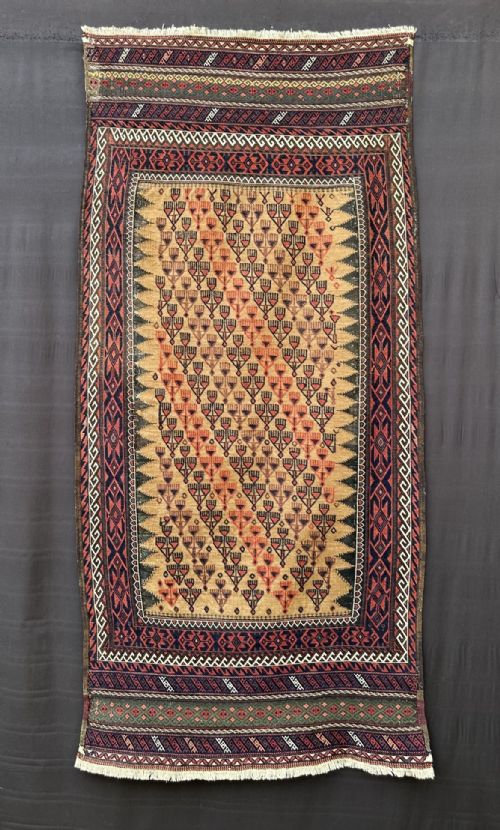
When you search for an antique afghanistan rug, you examine tribal textiles and utilitarian bags woven across the borderlands and regions of Afghanistan.
The pieces on this page span from the late nineteenth century into the early twentieth century, showing strong connections to Timuri, Baluch, and Turkmen weaving traditions.
You will encounter various formats here, ranging from prayer rugs and dining sofreh to main carpets, storage bags, and camel or horse headdresses.
Materials and construction
Weavers utilised hand-spun wool and cotton to build durable piles and foundational structures that withstand generations of use.
Nomadic workshops integrated goat hair for sturdy selvedges and occasionally incorporated glass beads into specific trappings.
Antique Afghanistan Rug Retail Price Guide 2026
Typical asking prices for afghanistan rug among the pieces listed under this phrase on Sellingantiques today, from the lower quarter to the upper quarter. They describe what is for sale here now, not the wider market.
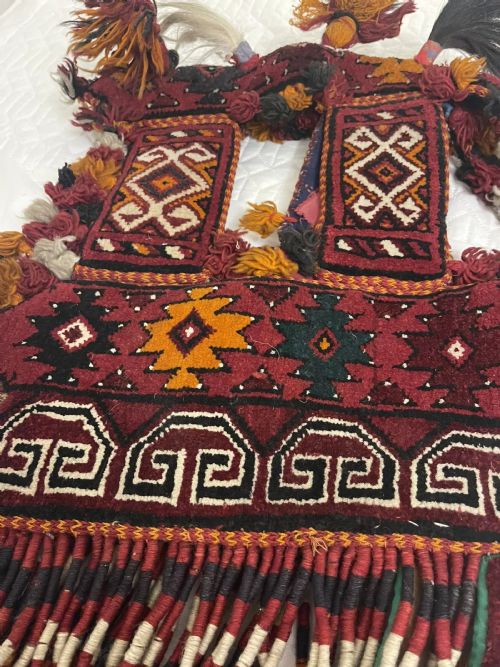
A wedding camel or horse headdress waits among the rugs, ready to adorn an animal that has long since trodden the dust.
Assessing quality and character
The upper tier of these textiles reveals exceptional clarity in tribal motifs, tighter knot density, and particularly rich, saturated dye work.
Variations in quality stem from the fineness of the wool preparation and the precision of the geometric layout across the field.
The Antique Afghanistan Rug Glossary
- Sofreh
- A flatwoven or piled spread used for dining or handling bread within nomadic households. These functional textiles often display striking geometric fields.
- Chuval
- A large tent bag produced by Turkmen groups for household storage. They are prized for their detailed primary guls and secondary ornaments.
- Main carpet
- A large-format floor covering designed for the principal living space of a tribal tent or dwelling. These require immense labour and complex border arrangements.
- Prayer-rug
- A devotional rug featuring a distinctive mihrab or niche design pointing toward Mecca. Collectors value their focused composition and devotional utility.
Antique Afghanistan Rug: Frequently Asked Questions
How do I live with one?
Place these rugs in low-traffic zones or areas where their wool piles and flatweaves can avoid heavy abrasion. A quality underlay will protect the foundation fibres and prevent slipping.
Keep them away from direct, harsh sunlight to preserve the depth of the natural dyes. Gentle vacuuming without a rotating brush maintains the wool without pulling individual knots.
How are periods told apart?
Dating relies on structural analysis, the chemistry of the dyes, and the evolution of tribal motifs. Earlier nineteenth-century examples often display looser, more organic drawing.
Turn-of-the-century and later pieces can show shifts in colour palettes and wool preparation. Comparing structural borders helps anchor a piece within its decade.
What defines tribal styles?
Tribal styles reflect the distinct heritage and migration patterns of groups such as the Timuri, Baluch, and Ersari Turkmen. Their designs rely on symbolic guls, geometric medallions, and repeated border patterns.
These motifs were passed down through generations rather than copied from urban pattern books. This gives each weaving a direct link to a specific regional identity.