



Antique Adjustable Stand
An antique adjustable stand offers practical utility and period character, bringing mechanical ingenuity and traditional craftsmanship into everyday interior spaces.
Antique Adjustable Stand
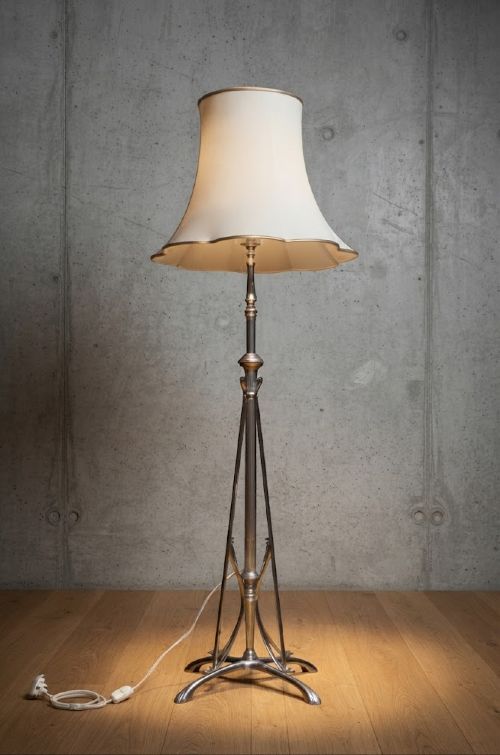
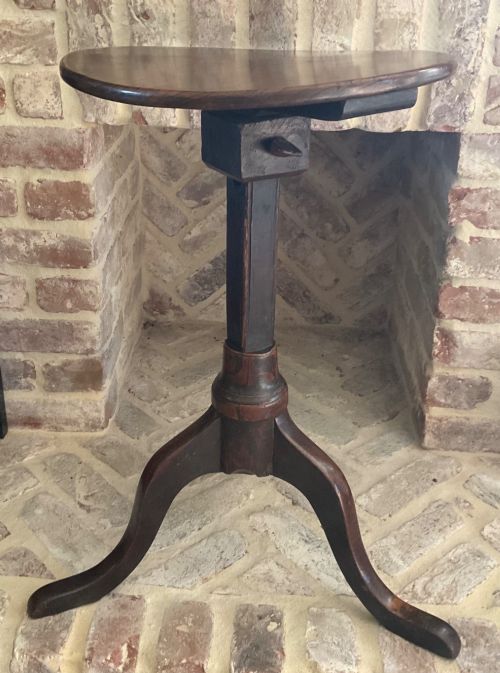
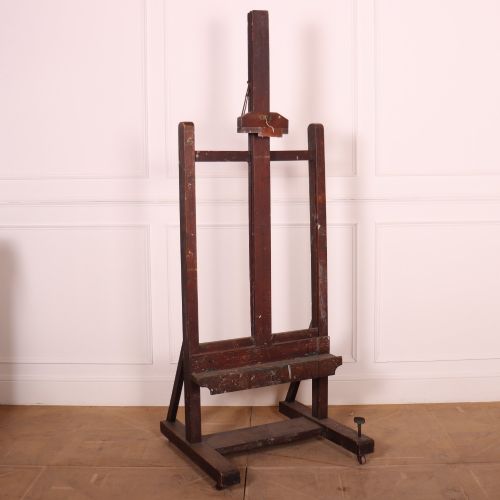
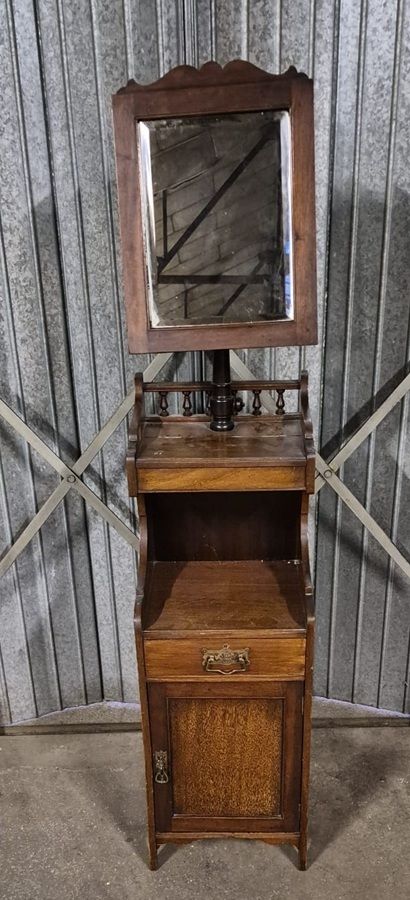
When you search for an antique adjustable stand, you encounter a remarkably diverse group of domestic furnishings designed to alter in height, angle, or configuration for specific tasks. The selection spans utilitarian items like heavy floor lamps and reading tables to specialised studio easels, music stands, and shaving mirrors.
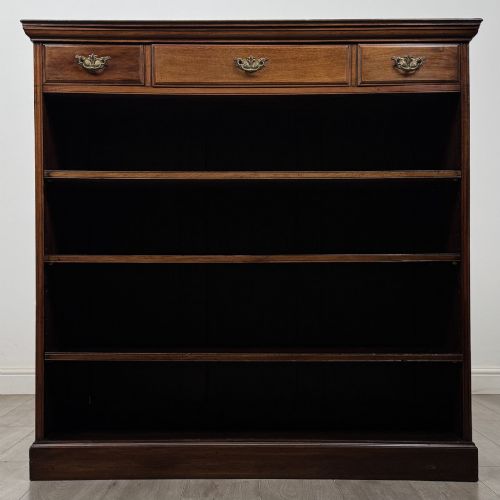
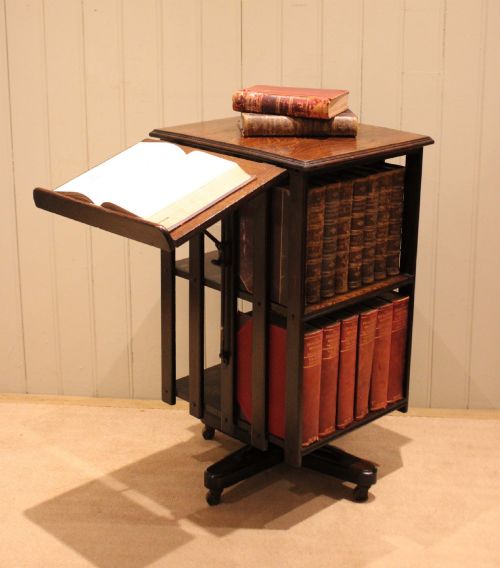
Victorian and Edwardian examples predominate in oak, mahogany, and brass, reflecting the nineteenth and early twentieth-century appetite for adaptable furniture. You are most likely to meet standard floor lamps, telescopic reading stands, and revolving bookcases with movable components among the current listings.
Materials and construction methods
Cabinetmakers and metalworkers relied primarily on solid hardwoods such as oak and mahogany alongside durable metals including brass, iron, and silver plate. These materials were chosen both for structural stability and for their ability to withstand the friction and tension inherent in moving parts.
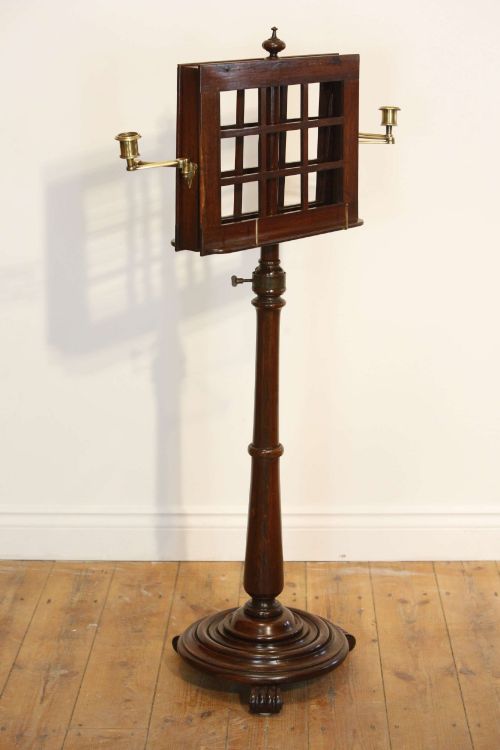
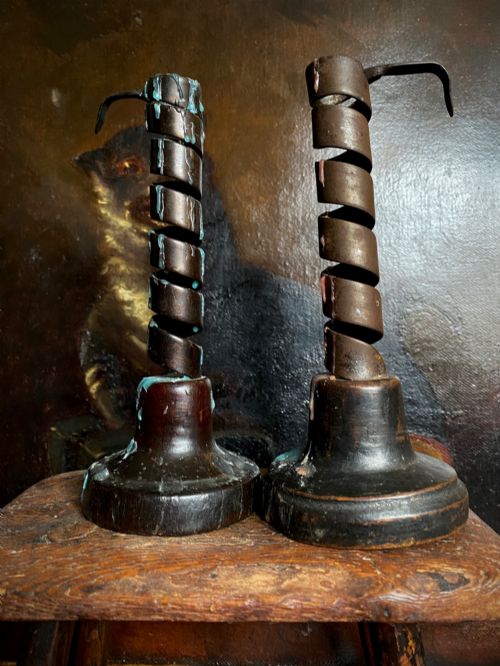
Makers utilised mechanical innovations like telescopic brass stems, ratcheted reading slopes, and screw mechanisms to achieve adjustability. Joinery ranged from fine dovetails and turned wood columns to heavy blacksmith-made ironwork and cast bronze fittings.
Antique Adjustable Stand Retail Price Guide 2026
Typical asking prices for adjustable stand among the pieces listed under this phrase on Sellingantiques today, from the lower quarter to the upper quarter. They describe what is for sale here now, not the wider market.
Listings feature practical domestic furnishings from the Georgian era through the 1960s, constructed in oak, mahogany, walnut, brass, and cast iron.
Distinctions in quality and execution
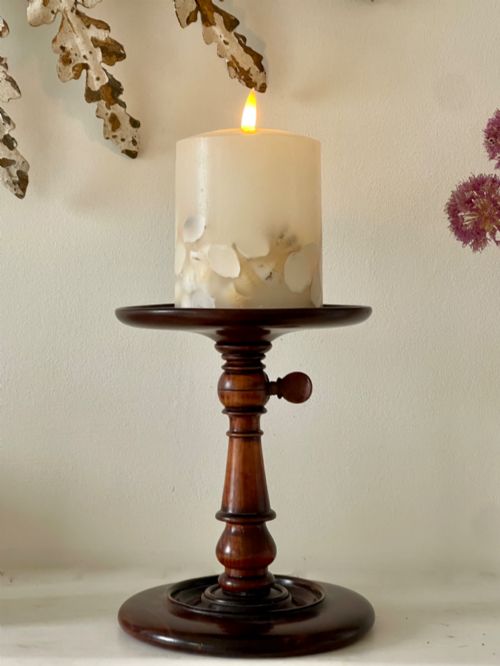
The sophistication of the mechanical adjustment mechanism dictates much of the standing value, separating simple pivoted joints from smoothly operating telescopic columns with original keys or thumb screws. Substantial weight in the base, particularly in floor lamps and easels, ensures safe balance when fully extended.
Surface finishing and material selection further define the grade of a piece, from finely figured mahogany veneers and hand-carved oak details to utilitarian cast iron frameworks. The survival of original elements, such as brass fittings, needlework screens, or glass shades, preserves the integrity of the design.
Dugdill Lamp·Bowman Brothers
The Antique Adjustable Stand Glossary
- Telescopic
- A mechanism of concentric tubes sliding one inside another to allow vertical height adjustment. This is commonly found on standard oil lamps and floor-standing reading lights.
- Pole Screen
- A vertical stand holding a movable decorative panel, usually of needlework or printed paper, designed to shield a person's face from the direct heat of a fireplace. Many include adjustable brackets to slide the screen up and down the pole.
- Duet Stand
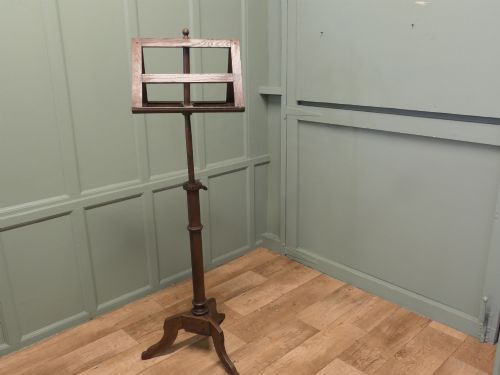
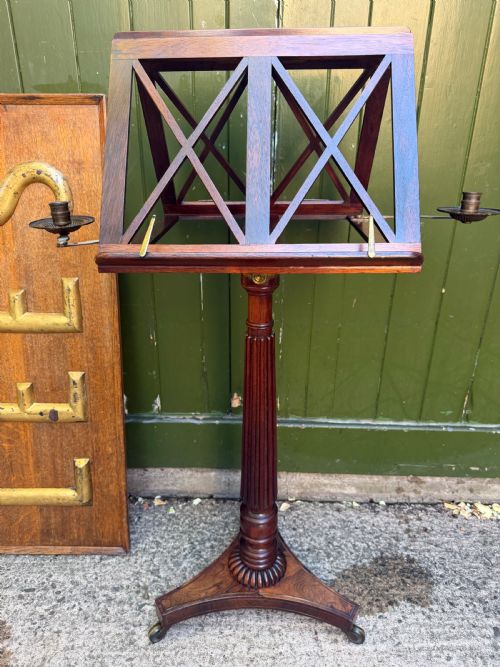
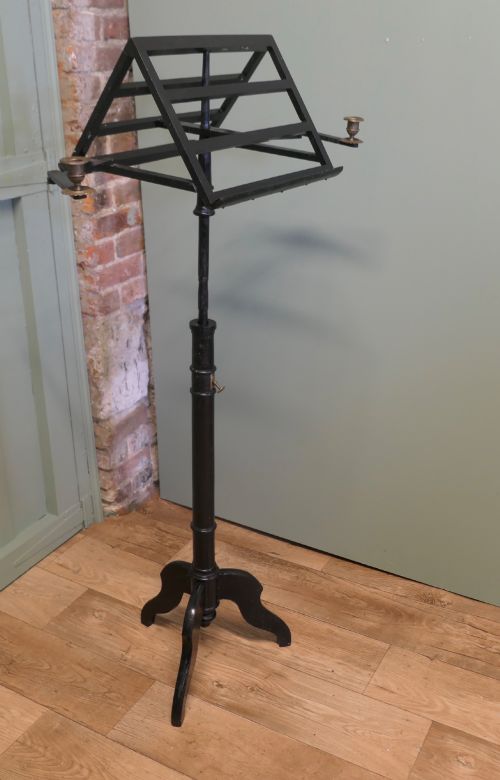
- A music stand wide enough to hold two open scores side by side. These often feature adjustable height shafts and pivoting desk angles.
- Book Slide
- A portable desk accessory with extending or sliding sections to hold a varying number of volumes upright between bookends. Edwardian versions frequently utilise inlaid mahogany or brass mounts.
- Cheval Mirror
- A full-length mirror hung in a frame on a freestanding base, allowing the glass to tilt back and forth on pivot screws. They appear in Victorian bedrooms and dressing rooms.
Antique Adjustable Stand: Frequently Asked Questions
How do I operate a telescopic brass standard lamp?
Most standard lamps utilise a friction collar or a thumb screw situated near the top of the lower shaft. Loosening this collar gently allows the inner tube to slide upward or downward to your preferred height.
Support the weight of the upper fitting with one hand while adjusting the screw to prevent the metal from dropping too fast and damaging the internal wiring or thread.
Were reading stands used only for books?
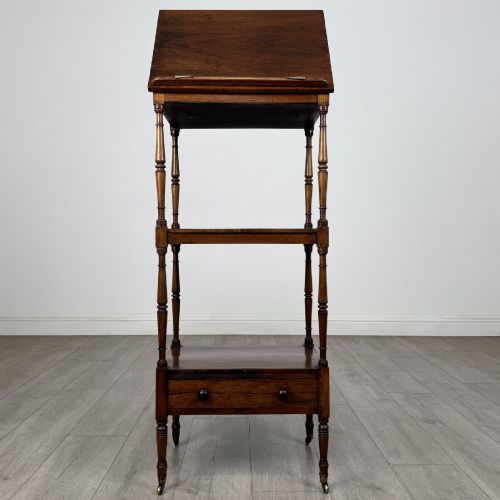
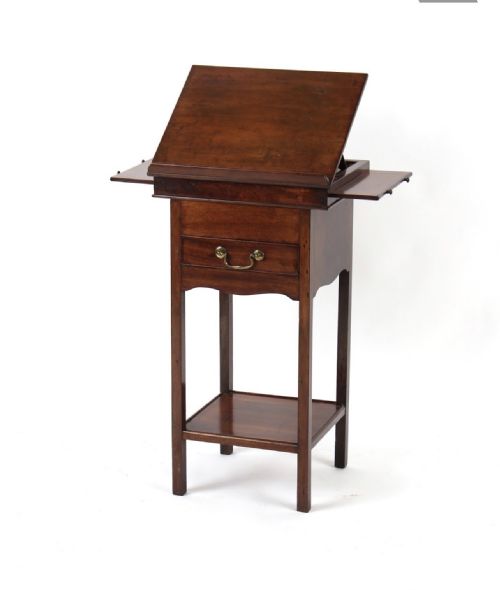
Reading stands and tables were constructed to support heavy folios, loose documents, sheet music, and newspapers. Their adjustable slopes allowed scholars and musicians to work comfortably from a seated or standing position.
Many examples feature folding ledges or brass page retainers to keep open volumes secure at sharp angles.
How do I date an oak or mahogany book slide?
Dating relies on timber selection, edge profiles, and the style of any brass or inlaid decoration. Edwardian and late Victorian pieces often feature simpler sliding mechanisms mounted on plush baize bases.
Earlier nineteenth-century versions display denser mahogany grains and hand-cut joinery without modern mechanical assists.
Can electric conversions be reversed on antique lamps?
Many Victorian and Edwardian oil lamps have been converted to electricity by running cords through the original central font. While the original oil reservoir is sometimes preserved, drilling or altering internal threads is often permanent.
Examining the wiring path and burner fittings reveals whether the conversion respects the historic fabric of the brass standard.