

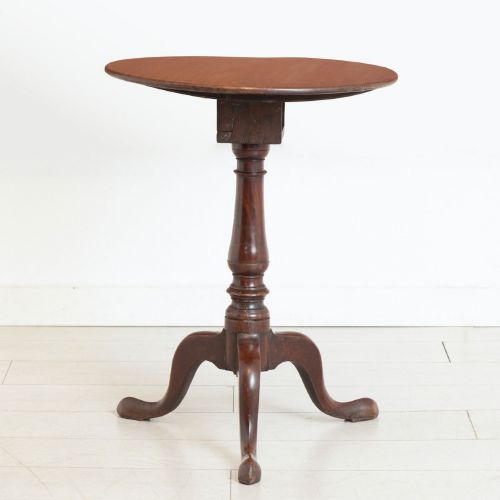


Antique Action Tables
Antique action tables gather clever mechanisms like concertina frames and tilt tops into solid mahogany and walnut furniture designed to shift shape for dining, cards or writing.
Antique Action Tables
These antique action tables encompass dining, card, tea, and occasional tables fitted with mechanical movements from the Georgian, Regency, and Victorian eras. Buyers seeking this phrase encounter pieces that pivot, fold, or extend to alter their function within a room.
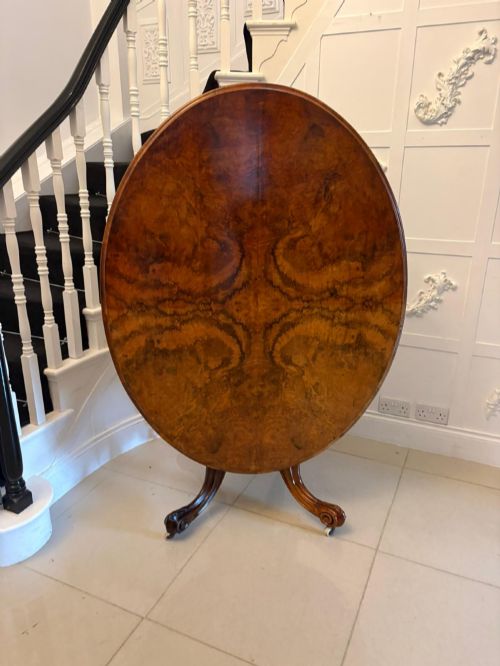
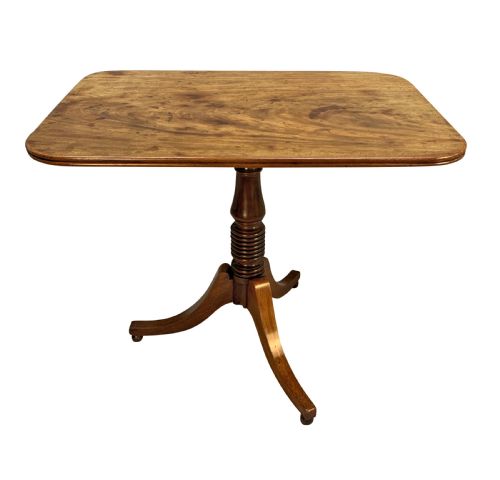
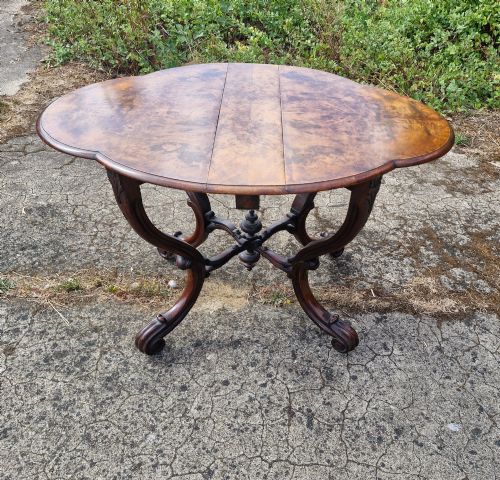
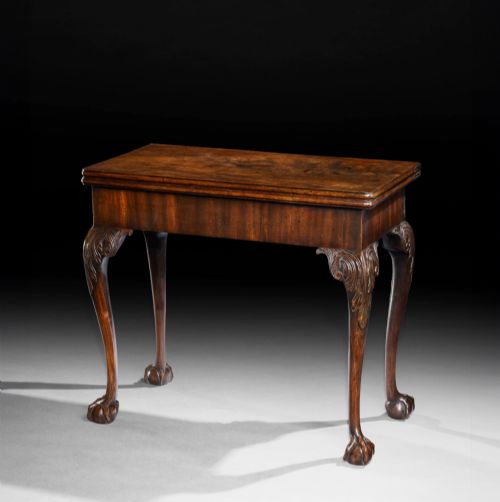
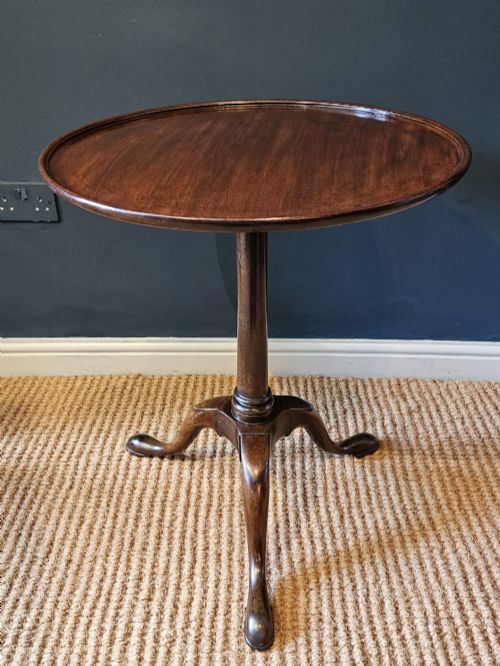
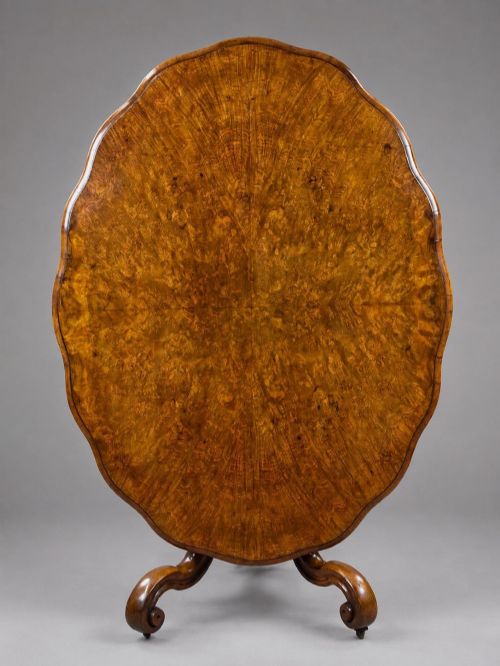
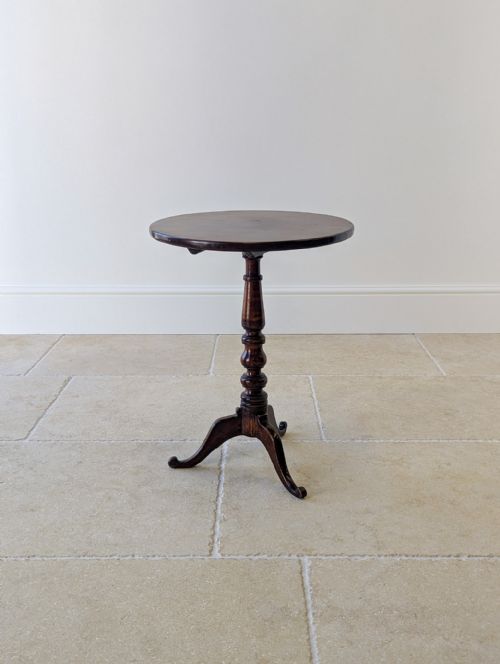
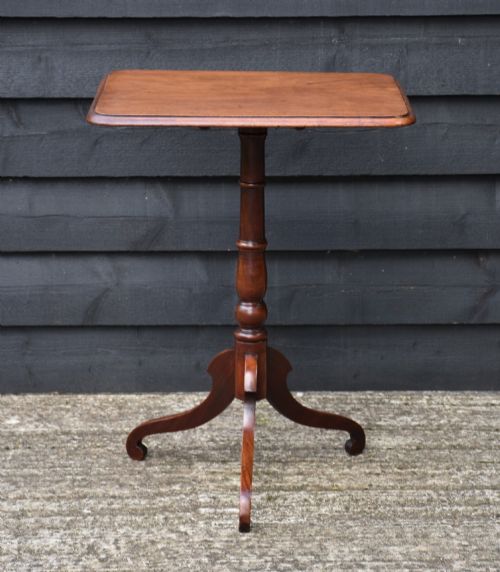
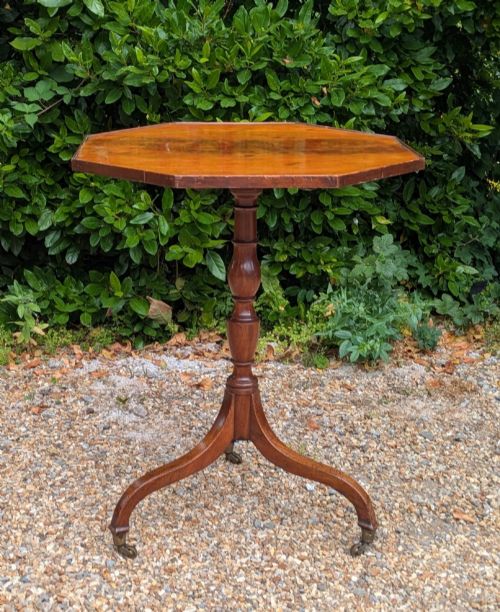
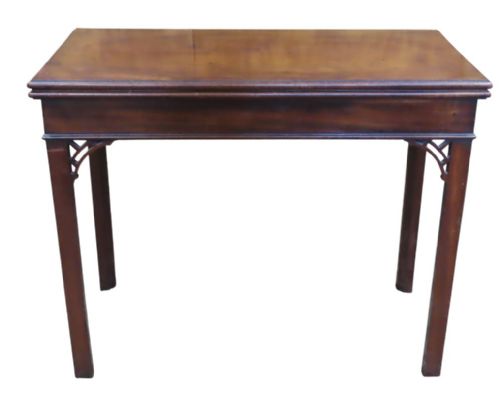
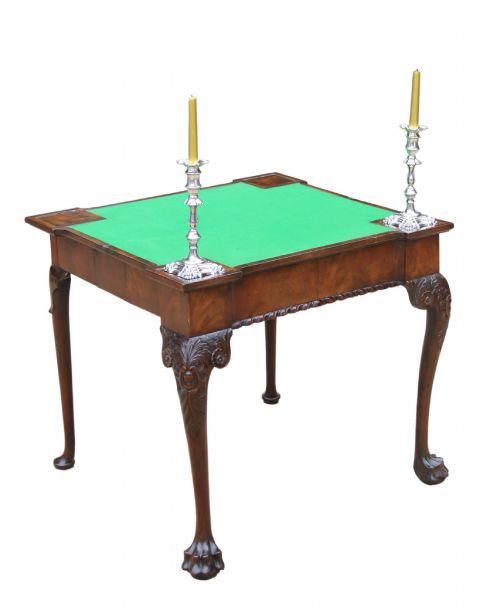
The versions most common on this page are tilt-top tripod tables in mahogany or burr walnut alongside concertina-action card tables from the eighteenth century. They range from compact wine tables to six-seater dining pieces designed for practical domestic versatility.
How they were made
Cabinet makers utilised dense timbers such as mahogany, walnut, and oak, frequently applying burr walnut veneer or satinwood highlights to visible surfaces. Brass fittings reinforced internal concertina frames, hinges, and castor wheels to support the movement of folding leaves and extending dining mechanisms.
Joinery methods combined traditional frame construction with specialised iron and timber pivots, such as birdcage actions and scissor frames. Tops were fashioned from single planks or matched veneers, secured to pedestals with tripod legs or folding framework.
Scissors actions hide mechanical ingenuity inside compact walnut frames, proving past cabinet makers loved a clever folding puzzle.
What varies in quality
The standard of an action table depends on the precision of its mechanism and the integrity of the timber used for its top and base. Superior examples display smooth movement in their concertina actions or tilt pivots without wobble, alongside finely figured mahogany or burr walnut.
Craftsmanship in the carving of tripod legs, pie crust edges, and birdcage mounts separates standard utility furniture from pieces attributed to notable workshops. Original brass hardware and unwarped timber tops further distinguish the finer pieces.
Giles Grendey·Gillows
The Antique Action Tables Glossary
- Concertina action
- A mechanical frame that expands accordion-style to support folding table leaves when opened. This allows card and games tables to double their surface area securely.
- Birdcage action
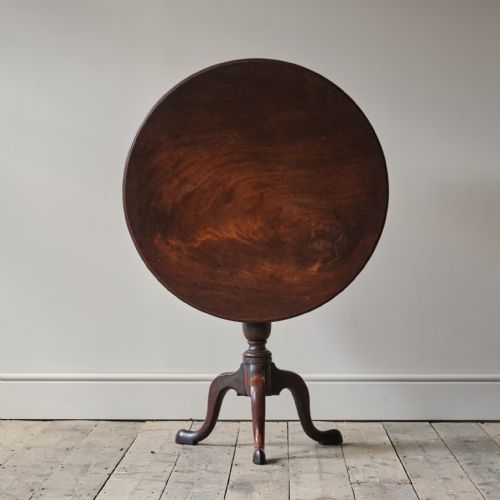
- A rotating wooden framework beneath a table top that allows the surface to both pivot and tilt upright. It sits atop the central pillar of tripod tables.
- Tilt top
- A tabletop hinged to its base so it can be flipped vertical when not in use. This allowed tables to be stored flat against walls in smaller rooms.
- Tripod table
- A small occasional table supported by a central pillar resting on three legs. They appeared frequently during the Georgian period in mahogany and oak.
- Imperial action
- An extending dining mechanism designed to expand smoothly while maintaining a stable central support. These systems allowed large tables to accommodate multiple diners.
Antique Action Tables: Frequently Asked Questions
What is an action table?
An action table is a piece of furniture containing mechanical parts that allow it to change shape, size, or orientation. Examples include tables with folding leaves, expanding frames, or pivoting tops.
These pieces were built for versatility in homes where rooms served multiple purposes throughout the day. They let owners switch quickly between dining, card games, and writing.
How do tilt top tables work?
Tilt top tables use a hinged mechanism, often combined with a birdcage pivot, that lets the horizontal surface swing into a vertical position. This meant the furniture could be pushed against a wall to save floor space.
When lowered, a brass catch or wooden wedge secured the top firmly in place for use as a dining or tea table.
How do I date an antique action table?
Dating relies on observing the combination of timber, hardware, and style. Eighteenth-century pieces often feature solid mahogany with birdcage actions or concertina frames, while Victorian examples show burr walnut veneers and heavy pedestal bases.
Construction marks, such as hand-cut dovetails and the type of secondary wood used inside frames, also help narrow down the period of manufacture.