
Antique Accent Dining Chairs
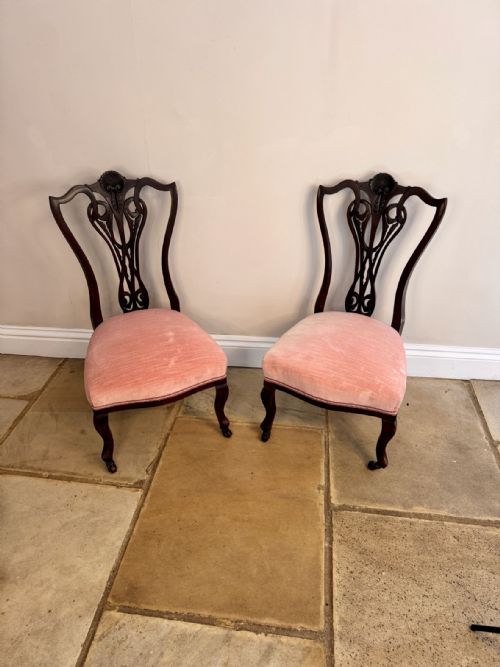
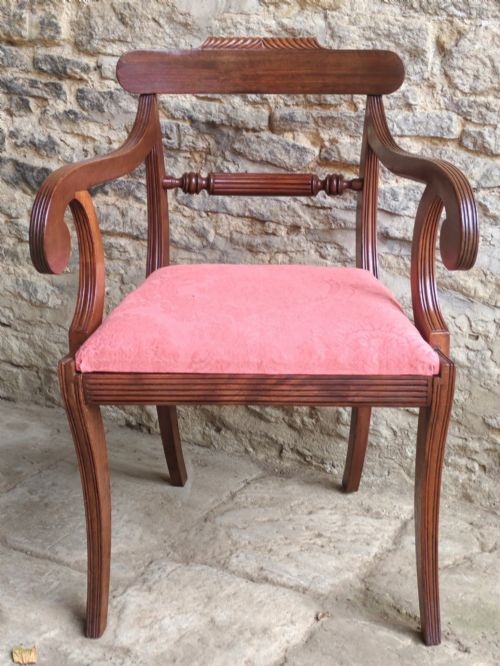
Antique accent dining chairs bring rich timber framing and period seating into a room, offering functional history through walnut, mahogany, and carved oak.
Antique Accent Dining Chairs
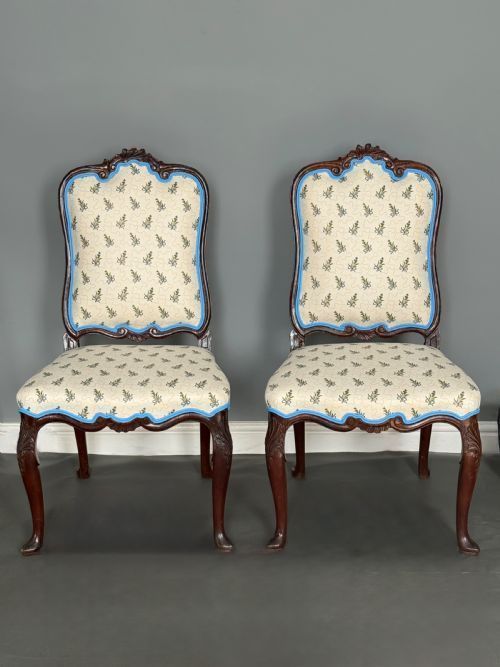
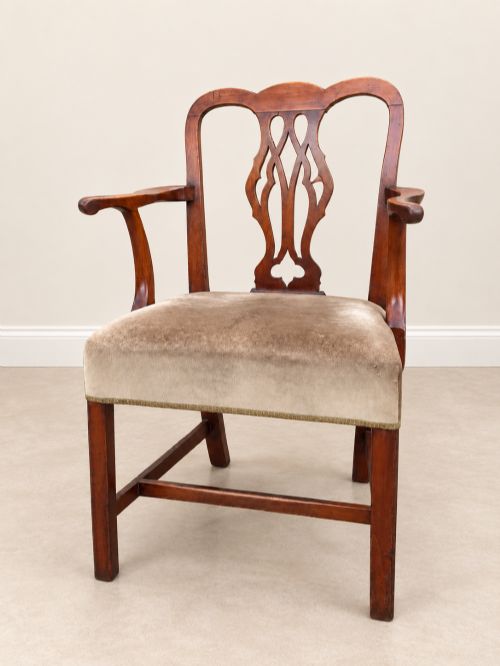
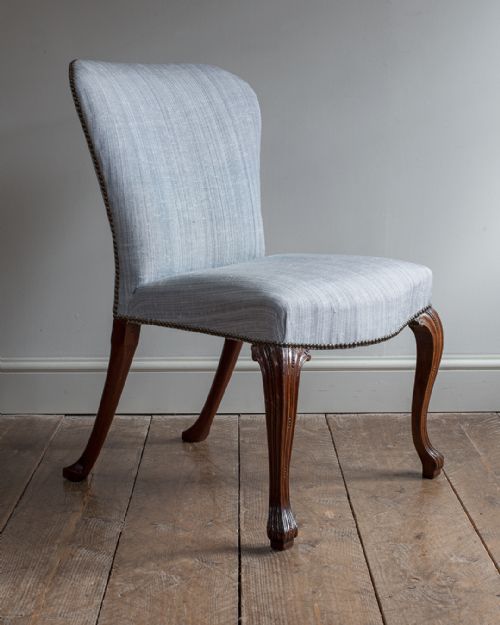
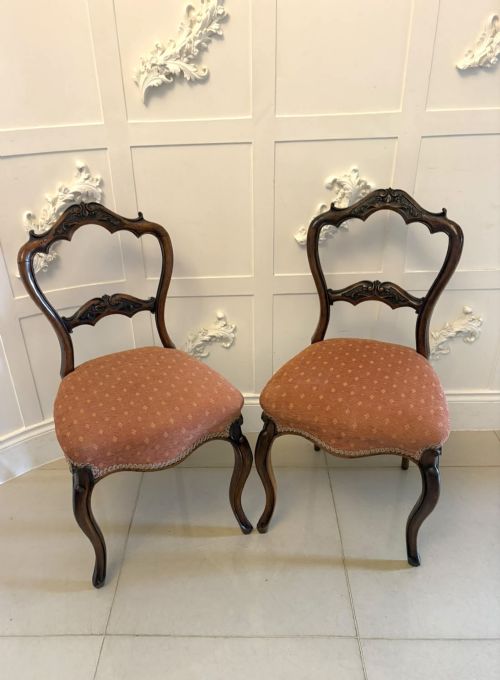
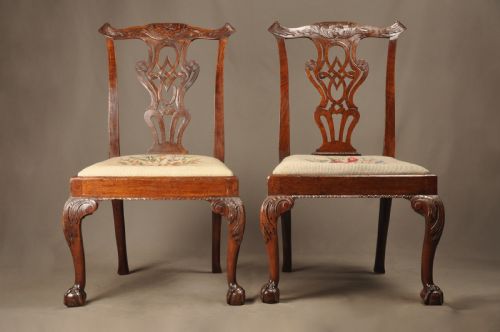
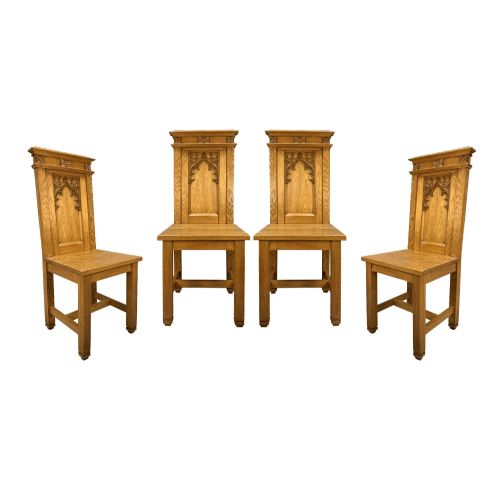
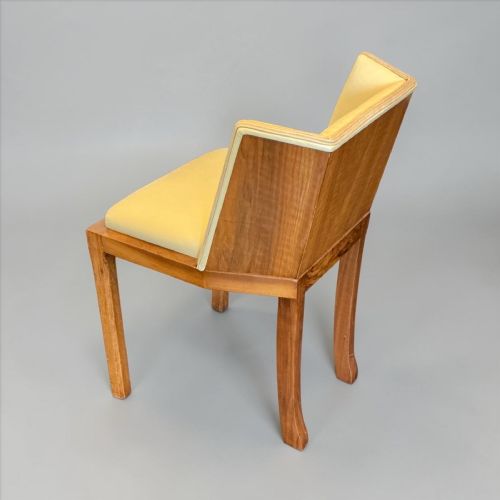
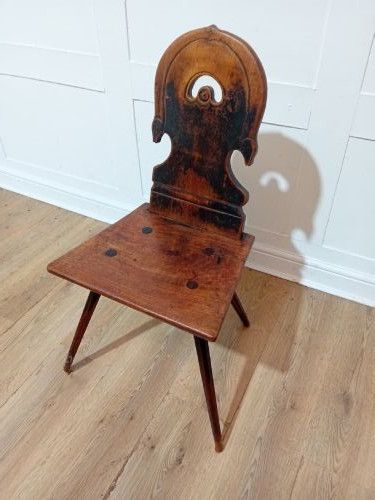
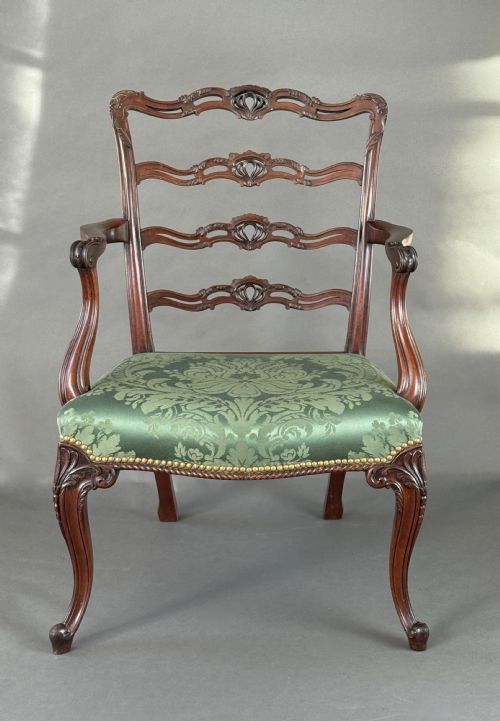
Antique accent dining chairs encompass a broad selection of historic seating, including side chairs, armchairs, and hall chairs spanning from the eighteenth century through the Victorian era. These pieces frequently manifest regional and stylistic identities, ranging from George III mahogany forms to walnut Queen Anne designs with cabriole legs.
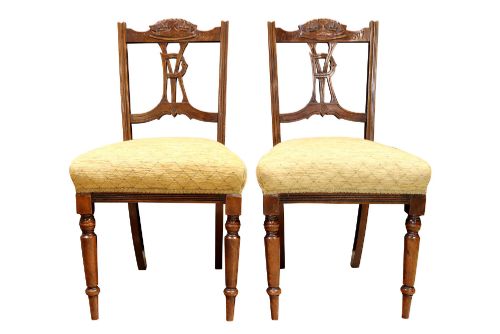
Buyers encountering this selection will most commonly find eighteenth-century walnut and mahogany side chairs alongside nineteenth-century Victorian walnut and carved oak variants. Many listings appear in pairs or sets, featuring upholstery in velvet, fabric, or tapestry.
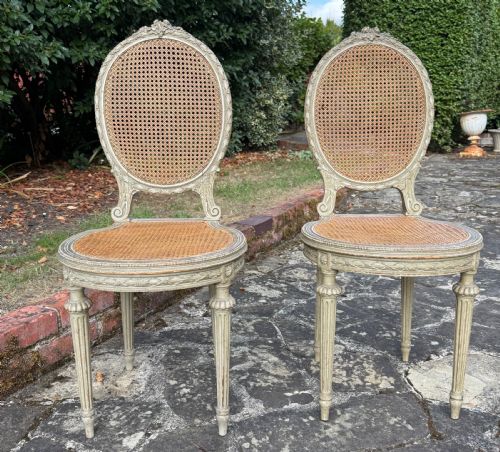
The assortment reaches across various European and British traditions, incorporating Dutch Baroque Cuban mahogany, Scottish birch, and French painted salon chairs. They serve both as functional dining seats and decorative accents within a domestic interior.
How they were made
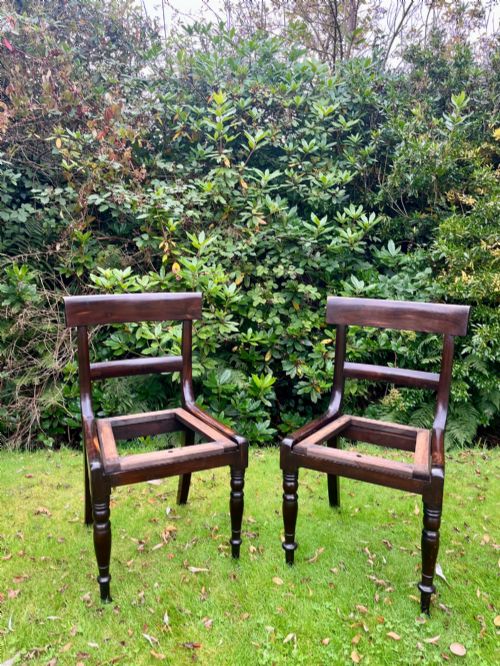
Cabinetmakers constructed these frames primarily from dense hardwoods like mahogany, walnut, oak, elm, and beech, often selecting Cuban mahogany or red walnut for grain depth. Joinery relied on traditional pegged and mortise-and-tenon methods to ensure structural longevity.
Surface decoration incorporated carved details, bobbin turning, japanning, lacquer, and ebonising with gilt accents, alongside mother-of-pearl inlay. Seats utilised drop-in pads or fixed upholstery over webbing and stuffing, employing textiles, velvet, fabric, and tapestry.
Listings feature walnut, mahogany, oak, beech, elm, and fruitwood spanning the eighteenth and nineteenth centuries.
What varies in quality
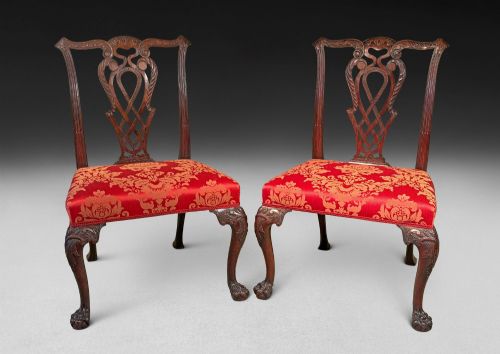
The caliber of an antique accent dining chair rests in the crispness of its hand-carved ornamentation and the selection of figured timber veneers. Superior examples display restrained, deep relief carving on knees and splats rather than soft or shallow detailing.
Structural integrity depends on the preservation of original framing timbers and tight joinery without excessive modern reinforcement. Original surface patination and finish depth separate exemplary survivals from pieces that have lost their historic character through harsh stripping.
William Morris·Rossetti·Charles Tozer
The Antique Accent Dining Chairs Glossary
- Cabriole leg
- A furniture leg that curves outward at the knee and tapers inward to an ankle, common on Queen Anne and Georgian seats.
- Carver armchair
- An armchair designed with open arms, traditionally used at the head of a dining table.
- Chinoiserie
- European decorative art emulating Chinese artistic styles, often applied through lacquer or painted motifs on wood.
- Hall chair
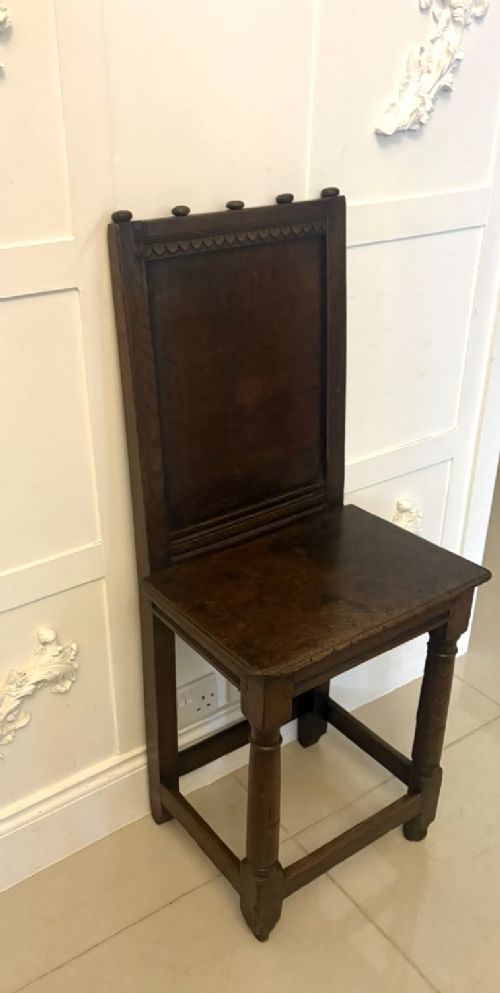
- A stiff wooden seat, frequently un-upholstered with a carved or painted solid back, positioned in entrance halls.
- Splat
- The vertical central strip of wood in the back of a chair, frequently shaped or pierced in Georgian designs.
Antique Accent Dining Chairs: Frequently Asked Questions
How do I identify a George III chair?
George III pieces date from the later eighteenth century and commonly feature solid mahogany or birch construction with carved splats and straight or cabriole legs.
Examine the joinery beneath the seat and the timber grain to confirm the period characteristics align with eighteenth-century production methods.
Can these chairs be used daily?
Solid hardwood frames in walnut, mahogany, and oak remain sturdy enough for regular seating when joints are secure.
Upholstered sections featuring fabric or velvet may require careful maintenance or conservation to preserve fragile historic textiles during everyday use.
What is a carver armchair?
A carver is an armchair styled to match a set of dining side chairs, traditionally placed at the table ends.
These pieces feature open wooden arms integrated into the upright stiles while maintaining the primary design language of the set.
How do I care for antique wood?
Protect antique wood surfaces by keeping chairs away from direct heat sources and sudden humidity changes that cause timber to split.
Apply microcrystalline wax sparingly to nourish the polished grain without building up a heavy, obscuring residue over the historic finish.