



Anglo Indian Teak Cabinet
An anglo indian teak cabinet brings dense colonial craftsmanship and deep timber grain directly into a modern room.
Anglo Indian Teak Cabinet
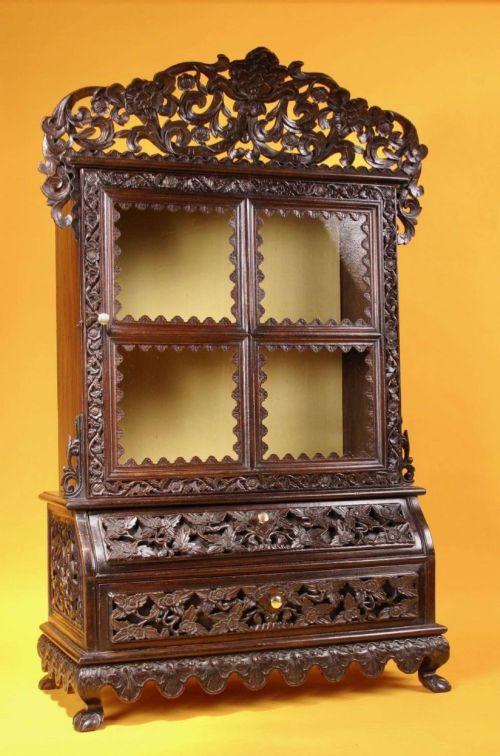
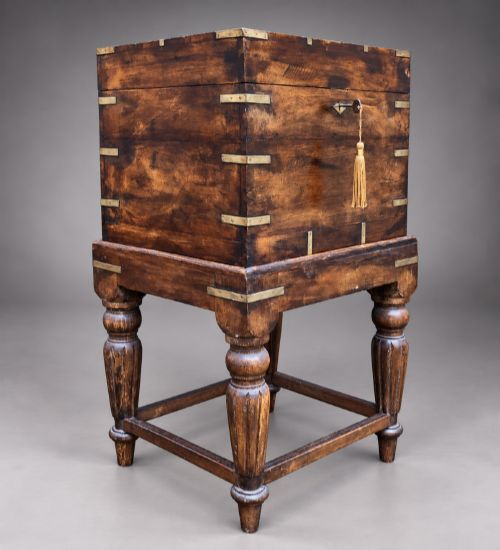
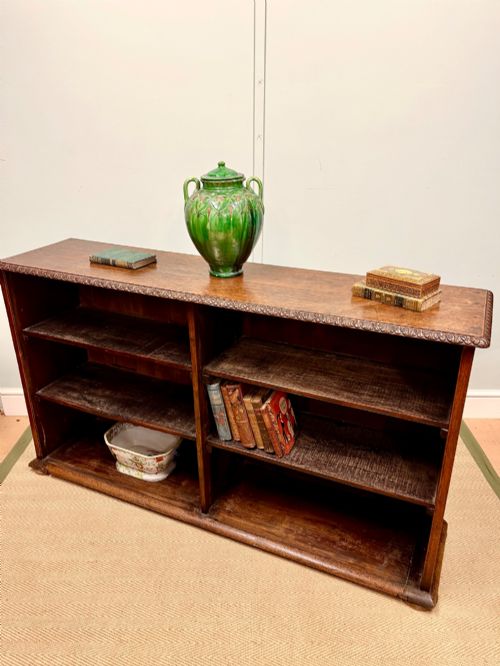
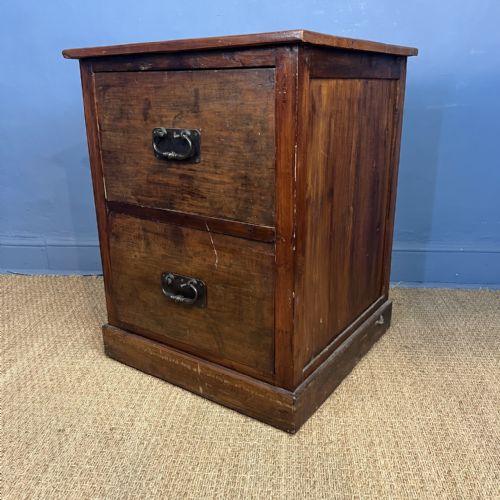
An anglo indian teak cabinet spans various forms from the Victorian era and the nineteenth century, including sideboards, corner cupboards, bookcases, filing cabinets, and cellarettes. These pieces reflect colonial design influences intersecting with traditional regional woodworking techniques.
How they were made
Makers utilised dense timbers such as teak and rosewood, chosen for their durability and rich natural oils. These heavy woods were carved by hand into elaborate surface patterns, scrolls, and figural motifs.
Construction frequently incorporated brass hardware, iron fittings, and occasionally glass or marble inserts. The joinery was executed to withstand tropical climates, utilising sturdy framing to support heavy hardwood panels.
If a nineteenth-century wine chest could speak, it would likely complain about how quickly the gin vanished during the monsoon.
What varies in quality
The standard of carving defines the distinction between standard production and exceptional work. Crisp, deeply undercut relief work demonstrates superior skill compared to shallow or uniform stamping.
The selection of timber grain and the integrity of the original hardware also separate pieces. Examples retaining patinated brass mounts and well-figured teak hold greater decorative presence than those with later replacements.
The Anglo Indian Teak Cabinet Glossary
- Cellarette
- A lockable container or cabinet designed for storing bottles of wine and spirits. These often sat on dedicated stands or legs.
- Davenport
- A compact writing desk featuring a sloping top and a set of drawers accessed from the side. The form originated in the nineteenth century.
- Dowry chest
- A traditional storage trunk associated with marriage customs, often heavily carved and fitted with brass straps. These pieces served both functional and ceremonial purposes.
- Regency
- A British stylistic period spanning the early nineteenth century, noted in these records around eighteen thirty. It influences the classical proportions seen in certain colonial furniture.
Anglo Indian Teak Cabinet: Frequently Asked Questions
Where were these cabinets made?
The records indicate origins within the nineteenth century, including specific locations such as the Bombay Presidency and Ceylon. Artisans combined European furniture forms with local carving traditions.
Production took place across various workshops serving colonial officials and export markets during the Victorian era and up to around nineteen ten.
How do I care for teak furniture?
Teak is a dense and oily hardwood that requires minimal maintenance to remain stable. Keep the timber away from direct heat sources and sudden humidity changes to prevent movement in the panels.
Apply natural wax sparingly if the surface appears dry, avoiding heavy synthetic polishes that can build up on carved areas.
What is a cellarette?
A cellarette is a specialised storage piece built to hold wine bottles securely. Nineteenth century examples often featured internal dividers and robust locks to protect valuable contents.
Many versions stood on independent frames or short legs, making them portable or accessible within formal dining rooms.
Are these pieces purely decorative?
While the extensive carving gives them a strong visual presence, these cabinets were built for practical storage. Bureau desks provided workspace, filing cabinets organised papers, and cupboards held household goods.
Living with one involves utilising these original compartments for modern storage while appreciating the hand-carved hardwood structure.