



Anglo Indian Chair
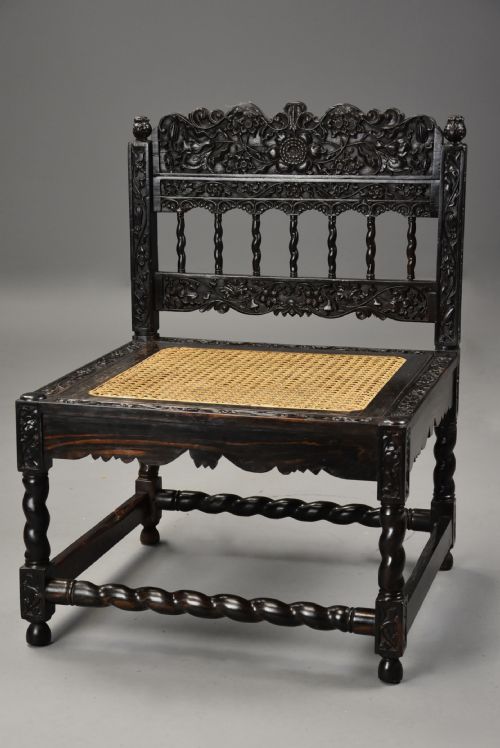
An anglo indian chair brings together British colonial forms and intricate local carving traditions from the nineteenth century.
What an anglo indian chair is
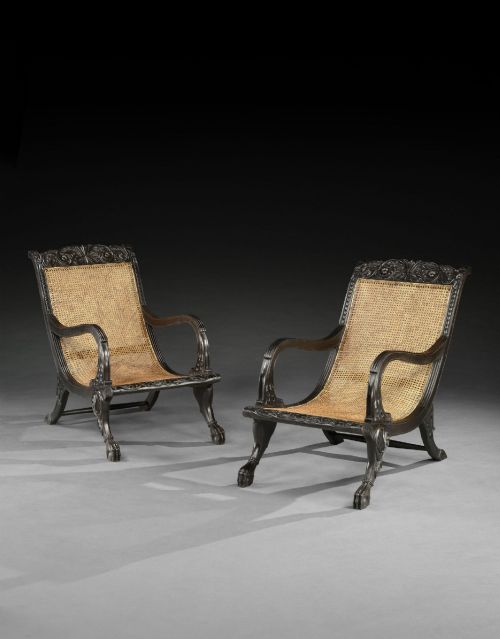
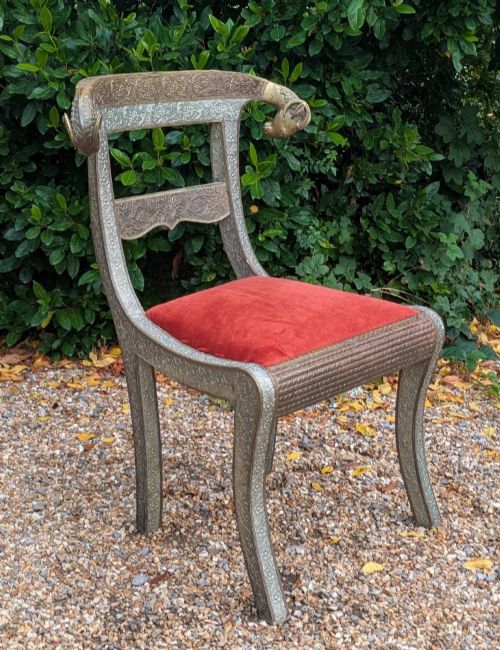
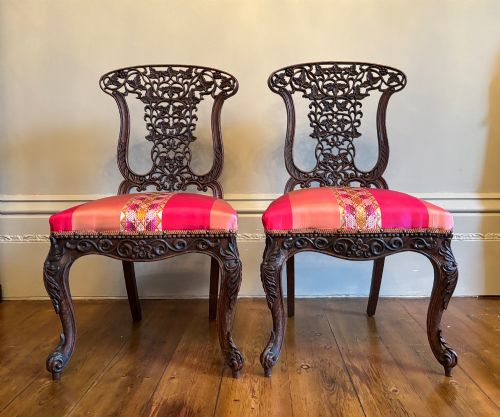
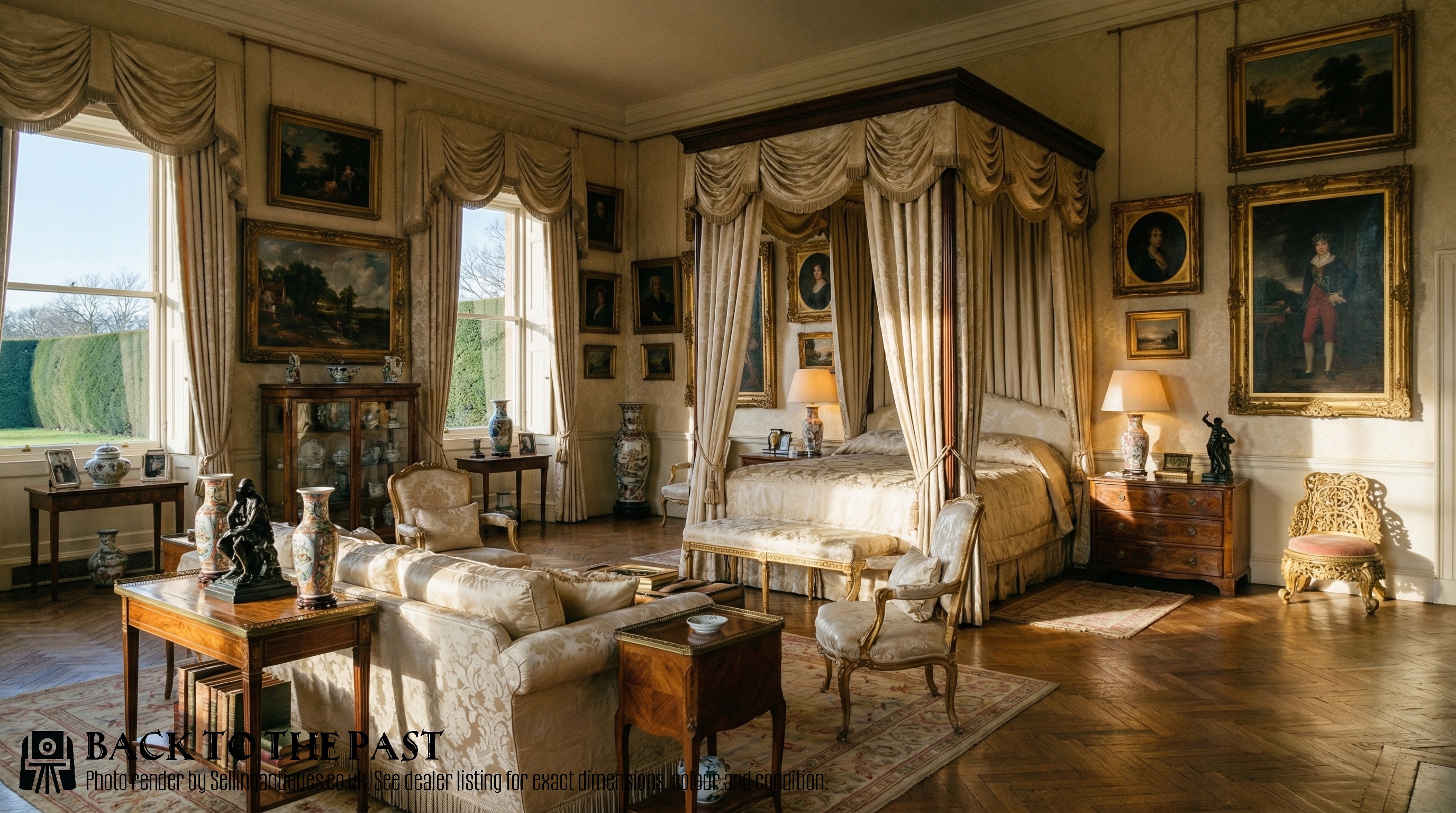
When you search for an anglo indian chair, you encounter a distinct category of seating furniture produced during the colonial period, most frequently from the nineteenth century. These pieces combine traditional European chair forms, such as side chairs, armchairs, and dining sets, with elaborate local craftsmanship from regions like the Coromandel Coast, Bombay, and Kashmir.
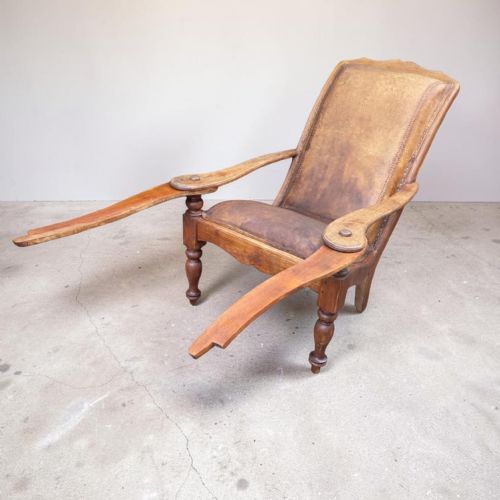
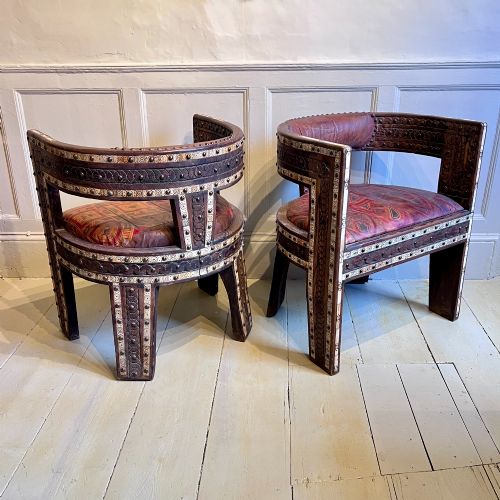
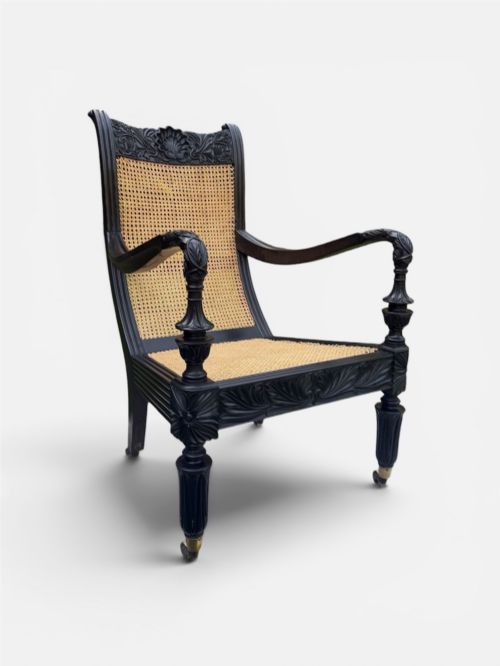
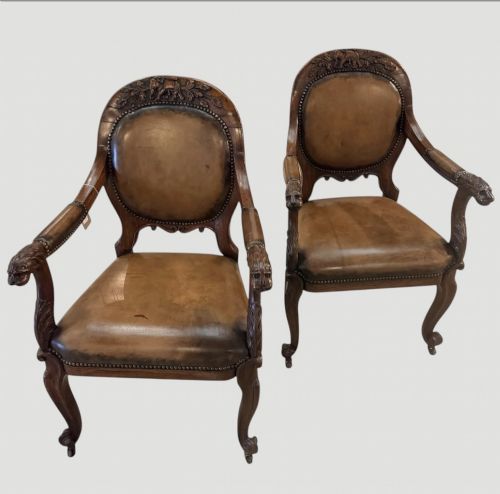
The most common examples on this page are nineteenth-century armchairs and side chairs constructed from dense tropical timbers. Forms range from low chairs and library armchairs to plantation chairs and wedding chairs, reflecting both domestic use in colonial households and the exotic tastes of the period.
Stylistic influences span Anglo-Indian, Indo-Portuguese, and Moghul traditions, resulting in silhouettes that feel both familiar in their structural proportions and entirely ornate in their surface treatment. Buyers typically seek these pieces to introduce rich texture and historic character into a room.
How they were made
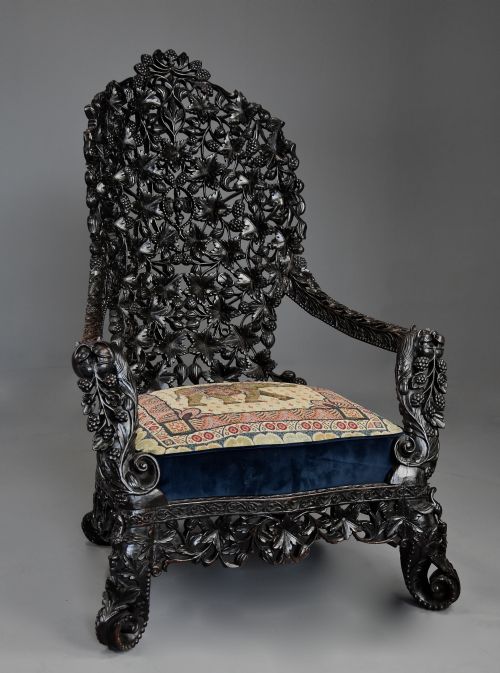
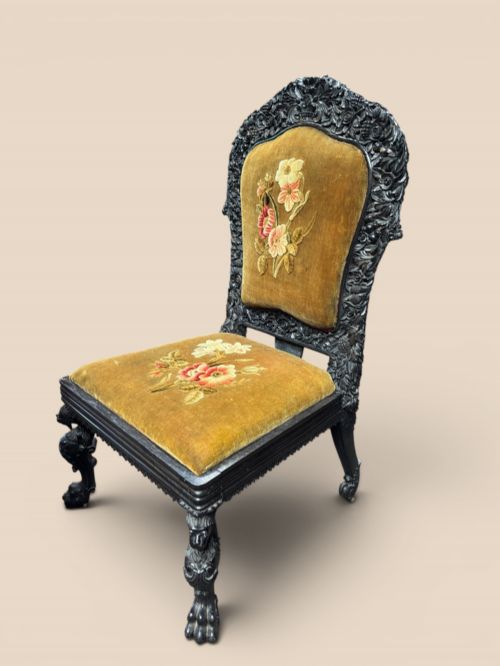
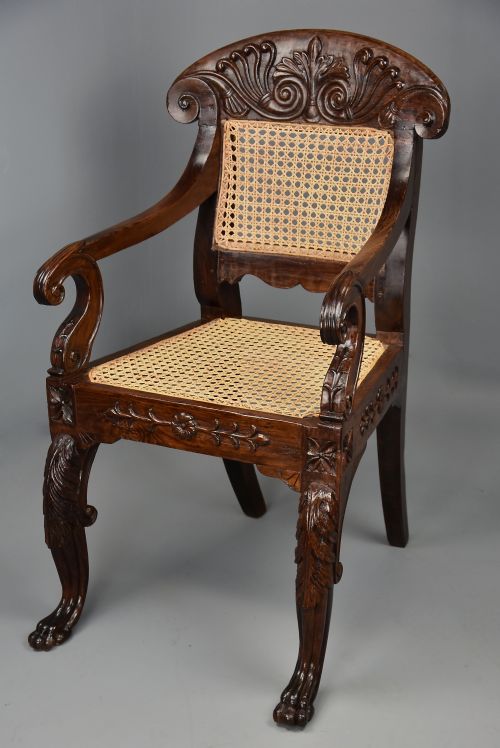
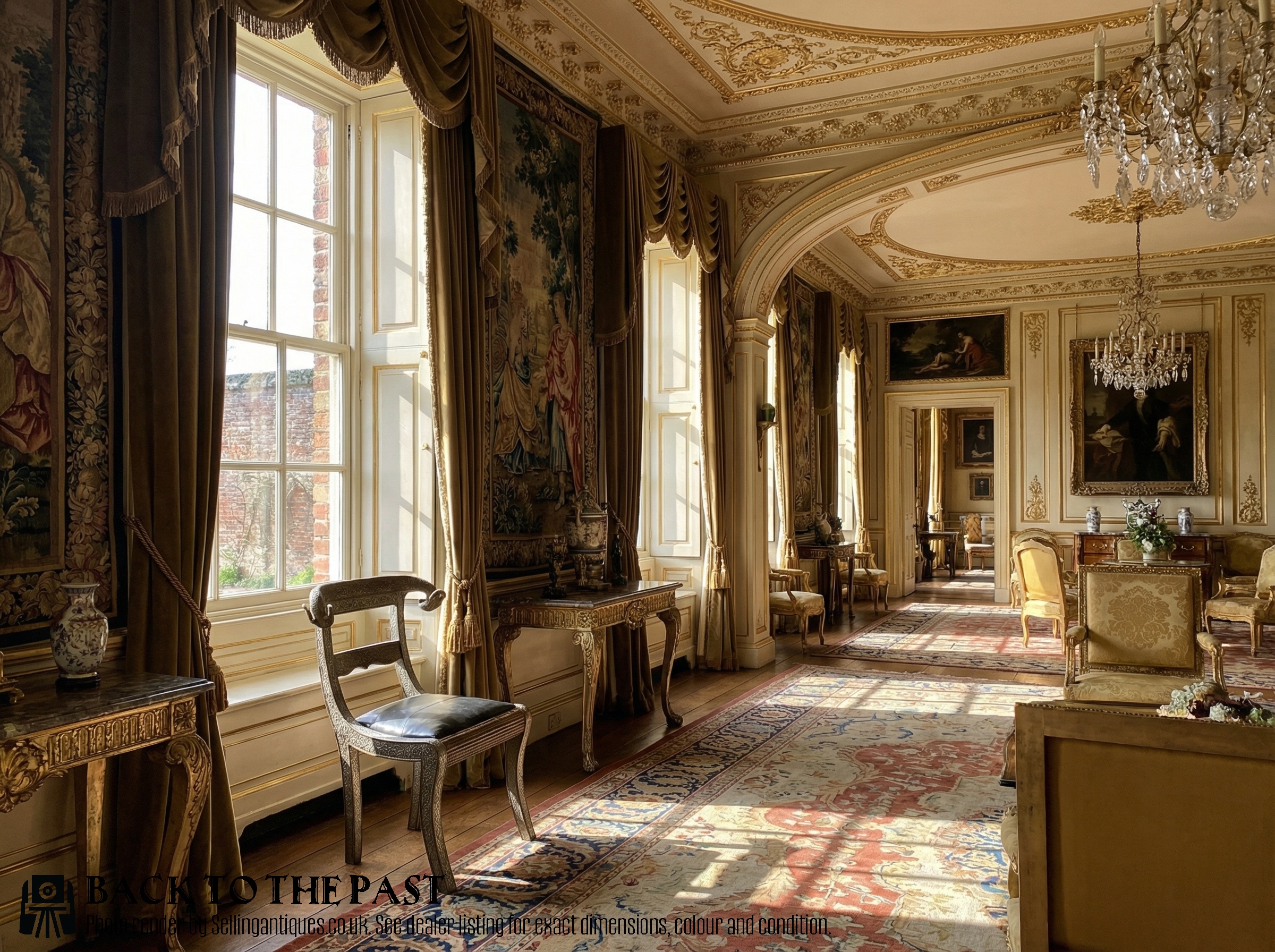
The construction of these chairs relies heavily on dense, exotic hardwoods such as ebony, teak, rosewood, walnut, and mahogany, often paired with structural elements of cane or upholstery in velvet and thread. Artisans utilised solid timber frames capable of supporting deeply recessed, intricate hand carving without compromising the structural integrity of the seat.
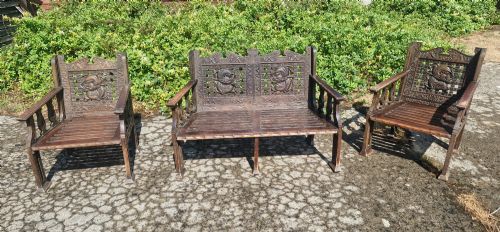
Decoration is achieved through profuse manual chiselling, resulting in deeply undercut floral motifs, animal figures such as rams' heads, and figurative scenes carved directly into the structural wood. Certain examples incorporate contrasting inlay materials, including bone and white metal, alongside brass and copper ornamentation to accentuate the complex woodwork.
Finishing techniques vary from polished dark ebony and ebonised surfaces to gilt wood and natural hardwood patination. Joinery methods typically combine traditional pegged construction with robust framing to accommodate the heavy timber weights and wide proportions typical of colonial seating.
Retail Price Guide 2026
Typical UK retail prices for anglo indian chair, calculated from the Sellingantiques database of over a million retail prices indexed since 2003. This retail price guide relies exclusively on Sellingantiques data; no external sources or auction records are used, so the figures do not describe the wider market.
Listings demonstrate that nineteenth-century examples dominate the material record, with occasional pieces stretching back to the seventeenth century and forward into the 1930s.
What varies in quality
The distinction between ordinary production and superior work rests entirely in the depth, crispness, and flow of the hand carving. Finer examples display high-relief ornamentation where every leaf, petal, and animal feature is sharply defined and undercut, whereas lesser pieces feature shallow, mechanical stamping or flat surface incision.
Material selection plays a primary role in overall quality, with solid ebony or finely figured rosewood and teak commanding greater presence than softer walnut or secondary hardwoods. The integration of decorative elements like bone inlay, brass details, and original cane work further separates standard seating from exceptional workshop output.
Structural proportion and stability govern the integrity of the piece. Top-tier chairs maintain balanced ergonomics and solid joinery despite the weight of dense tropical timbers, whereas lesser items can suffer from clumsy proportions or instability caused by over-zealous timber reduction.
The Anglo Indian Chair Glossary
- Coromandel Coast
- A southeastern region of India renowned historically for the production of dense solid ebony furniture featuring deep, sculptural carving. Pieces originating from this area are particularly valued for their dark timber and intricate detail.
- Bergere
- An enclosed armchair featuring upholstered sides and a cane or upholstered back panel. In an Anglo-Indian context, these frames are frequently rendered in exotic hardwoods with carved structural elements.
- Plantation Chair
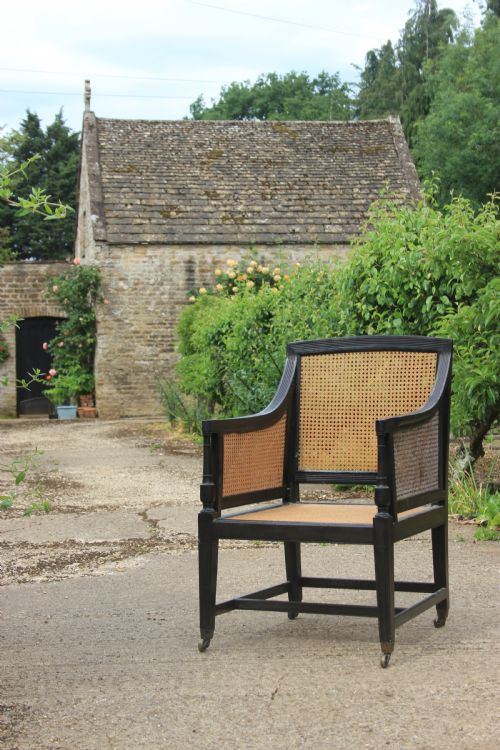
- An armchair characterised by extended, flat arms designed for resting the legs, often incorporating cane seats and backs for ventilation in tropical climates. These pieces frequently appear from the early twentieth century.
- Ebonised
- A finishing process applied to lighter timbers such as teak to simulate the appearance of solid ebony. This treatment creates a dark, uniform surface that highlights subsequent surface carving.
- Moghul
- A stylistic descriptor reflecting the artistic traditions of the Moghul Empire, notable in these listings for elaborate floral and architectural motifs integrated into chair frames.
Frequently Asked Questions
How do I identify an anglo indian chair?
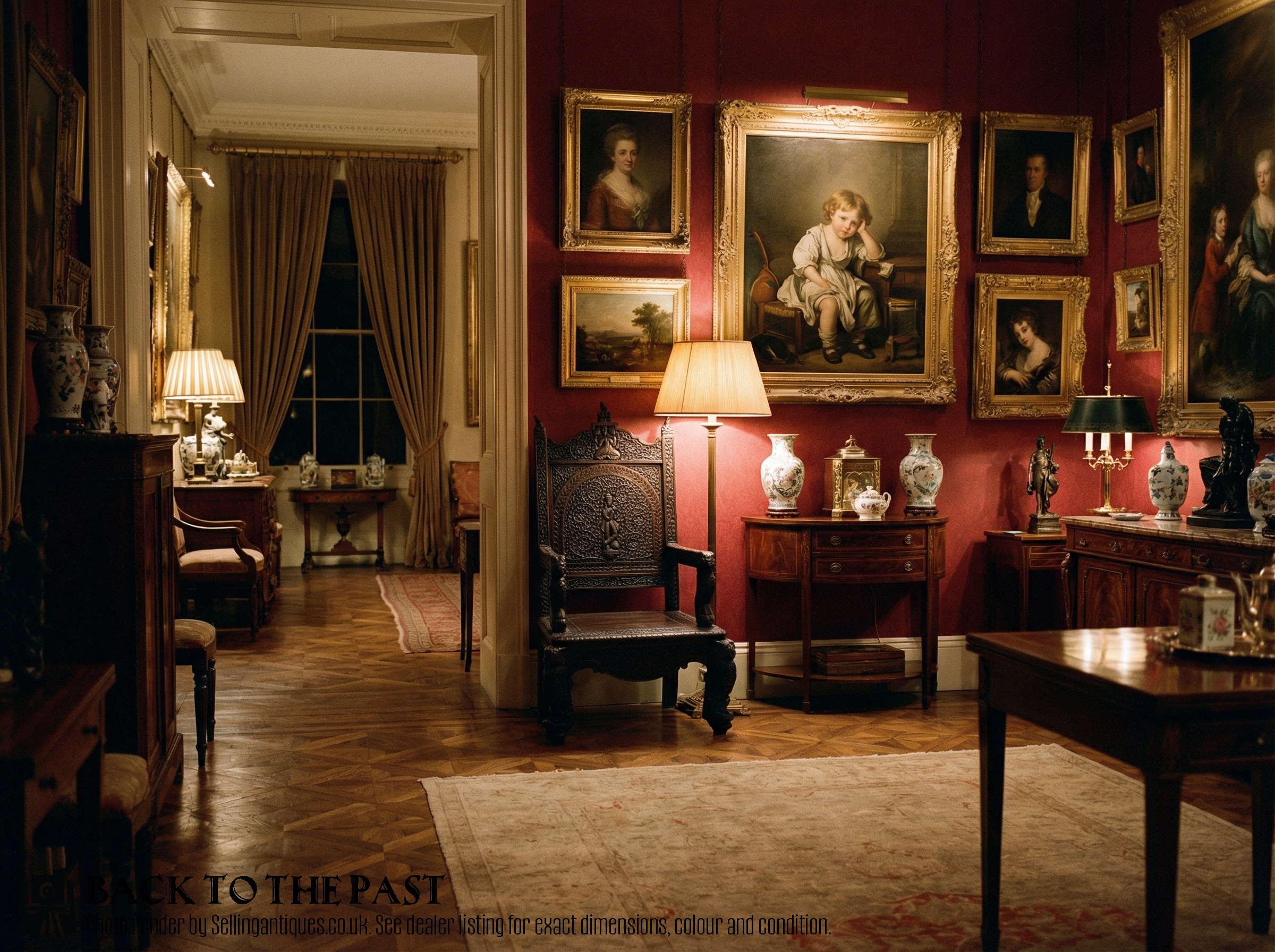
Look for a combination of standard British furniture forms, such as Regency or Victorian armchairs, executed in dense tropical timbers like teak, rosewood, or ebony. The key identifier is the profuse, deeply undercut hand carving reflecting regional Indian motifs rather than standard European ornamentation.
Examination of the underside and interior joinery often reveals the use of native hardwoods and traditional construction methods typical of nineteenth-century colonial workshops.
Were these chairs made in Britain or India?
These pieces were manufactured in workshops across the Indian subcontinent during the colonial era to cater to British residents and export markets. European furniture catalogues provided the structural blueprints, which local craftsmen then interpreted using indigenous materials and carving techniques.
As a result, the physical frame follows British domestic styles of the period, while the decorative surface belongs entirely to eastern artisan traditions.
How should I care for solid ebony furniture?
Maintain stable indoor humidity levels to prevent dense tropical woods from drying out and developing stress cracks. Dust regularly with a soft, dry cloth and avoid commercial polishes that can build up a sticky residue on carved surfaces.
Occasional application of microcrystalline wax helps protect the patina of the timber without sealing the pores or attracting ambient dust.
Are plantation chairs comfortable to sit in?
Plantation chairs are designed with wide proportions and extended flat arms intended for reclining rather than upright dining. The inclusion of cane panels provides natural spring and breathability, making them well-suited for relaxed seating.
Adding a loose seat cushion helps compensate for the lack of built-in upholstery while preserving the visibility of the woven cane base.