




Anatolian Flatweave Carpet
An anatolian flatweave carpet brings tactile warmth and geometry to a room, offering historic regional weave traditions for modern interiors.
Anatolian Flatweave Carpet
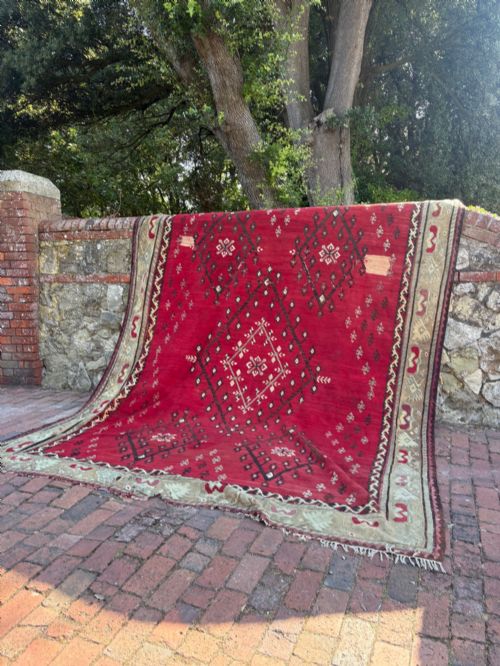
An anatolian flatweave carpet represents centuries of nomadic and village weaving traditions from various regions across Turkey. When exploring this selection, buyers frequently encounter kilim rugs, runners, and decorative cushions originating from distinct districts such as Konya, Malatya, and Ushak.
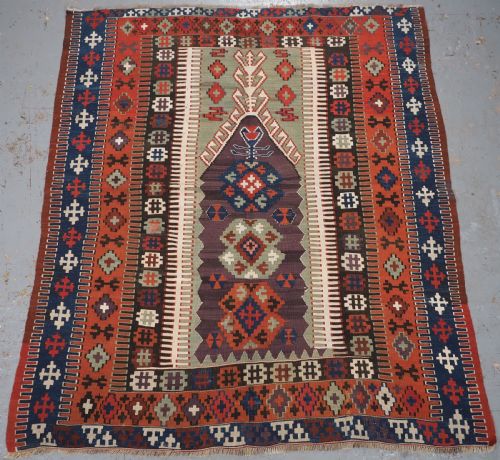
These textiles span several decades, featuring pieces produced around the late nineteenth century alongside vintage examples from the early twentieth century. The forms vary from large area rugs down to narrow runner rugs and specialised prayer kilims woven in single or multi-part constructions.
Materials and Construction Techniques
The makers relied primarily on wool and cotton as the fundamental materials for these flatweaves. Wool provided the durable, pliable foundation and pattern work, while cotton often appeared in the structural elements and foundation threads of specific regional types.
Weavers utilised traditional slit-weave and interlocking techniques to create sharp geometric patterns without a pile. Many substantial room-sized carpets and long runners were woven in two separate parts and skillfully joined down the centre.
Factors Distinguishing Quality
The distinction between ordinary and exceptional examples rests upon the clarity of the design and the preservation of the dye palette. Pieces retaining vibrant, well-balanced regional colours and strong structural integrity stand apart from heavily faded or compromised textiles.
The precision of the flatweave technique and the complexity of the tribal motifs also determine the standing of a piece. Regional authenticity and the survival of original borders contribute substantially to the character of each carpet.
The Anatolian Flatweave Carpet Glossary
- Kilim
- A flatwoven carpet or rug produced without a pile by tightly interlacing warp and weft threads. This technique creates a smooth, reversible textile with distinct geometric patterns.
- Prayer kilim
- A rug featuring a mihrab or niche design historically used for daily prayers. These pieces often display specific architectural motifs pointing toward Mecca.
- Warp
- The stationary vertical threads stretched onto the loom before weaving begins. The weft threads pass horizontally through these structural foundation lines.
- Weft
- The horizontal threads passed through the vertical warp to build up the pattern and colour blocks. In flatweaves, the weft completely conceals the warp.
- Slit-weave
- A fundamental flatweaving technique where the weft threads return at the edge of a colour boundary rather than looping around a shared warp. This creates a small vertical slit between adjacent colour areas.
Anatolian Flatweave Carpet: Frequently Asked Questions
How do I clean an anatolian flatweave carpet?
Gentle surface brushing and regular light vacuuming without a rotating beater bar help remove embedded dust.
Professional specialist cleaning is recommended for heavier maintenance to protect the wool fibres and natural dyes.
Can these rugs be placed in high traffic areas?
The flatwoven structure makes these textiles remarkably resilient for everyday use on residential floors.
Using a quality underlay helps prevent slipping and reduces friction against hard flooring.
What is the difference between a kilim and a carpet?
Traditional carpets typically feature a plush pile knotted onto a foundation, whereas kilims are entirely flatwoven without any raised pile.
This lack of pile gives flatweaves a lighter weight and a smooth, reversible finish.
How do I identify the regional origin of a rug?
Distinctive design motifs, specific colour combinations, and particular weaving structures point directly to traditional centres like Konya, Malatya, or Bergama.
Comparing border patterns and field arrangements often reveals the specific village or tribal group responsible for the weave.