





Anatolian Flat Weave Rug
An anatolian flat weave rug brings centuries of tribal heritage and geometric geometry directly onto your floor.
Anatolian Flat Weave Rug
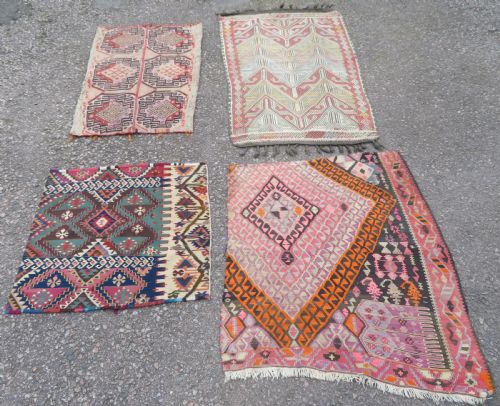
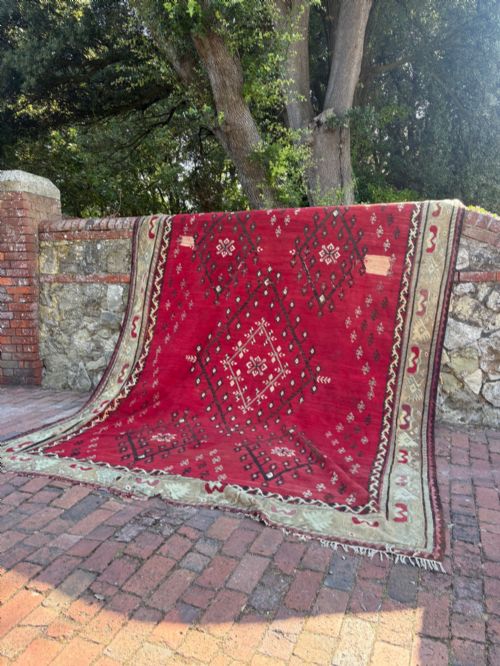
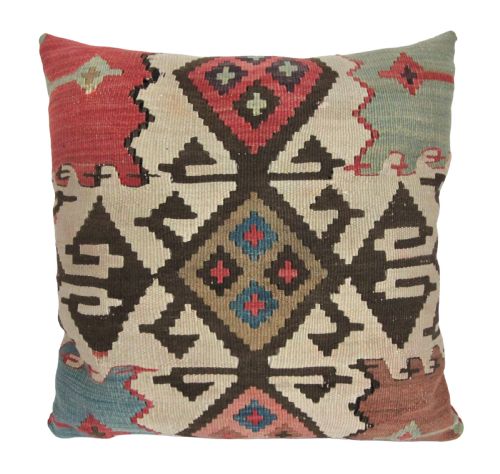
An anatolian flat weave rug represents a rich tradition of textile production from Turkey, encompassing forms such as large kilim rugs, long runner rugs, and smaller cushions.
Buyers seeking an anatolian flat weave rug will encounter pieces originating from the mid nineteenth century up through the early twentieth century, spanning periods like eighteen fifty, eighteen seventy, and nineteen thirty.
The objects listed display traditional and tribal styles, often linked to specific regions such as Malatya, Konya, Esme, Reyhanli, and Kayseri.
Materials and construction
Makers constructed these flat weaves using natural materials, predominantly utilising wool and cotton to form durable, pileless textiles.
Certain substantial pieces, such as the Reyhanli and Kayseri examples, required weavers to produce the textile in two parts before joining them together.
Anatolian Flat Weave Rug Retail Price Guide 2026
Typical asking prices for anatolian flat weave rug among the pieces listed under this phrase on Sellingantiques today, from the lower quarter to the upper quarter. They describe what is for sale here now, not the wider market.
Some larger kilims were cleverly woven in two separate halves simply because the loom ran out of room, creating built-in symmetry.
Assessing quality
Quality in these textiles rests upon the strength of the wool, the precision of the tribal geometric design, and the vibrancy of the colour palette.
Larger formats and pieces maintaining structural integrity through timeworn repairs demonstrate the enduring practicality of traditional weaving.
The Anatolian Flat Weave Rug Glossary
- Kilim rug
- A flat woven textile produced without a pile, traditionally used as a floor covering or wall hanging in Anatolia.
- Runner rug
- A long, narrow carpet format suited for hallways and corridors.
- Half kilim
- A descriptive term for rugs combining flat weaving techniques with other construction methods.
- Timeworn repairs
- Historical mends made to the textile by hand using traditional methods to ensure continued use.
Anatolian Flat Weave Rug: Frequently Asked Questions
How do I clean an anatolian flat weave rug?
These flat woven textiles require gentle care to preserve the natural wool fibres. Regular light vacuuming without a beater bar removes surface dirt.
Professional specialist cleaning is recommended for deep maintenance. Avoid harsh chemical detergents that can damage the traditional dyes.
Where were these flat weave rugs made?
Weavers produced these textiles across various regions of Anatolia. Specific districts such as Malatya, Konya, Esme, Reyhanli, and Kayseri developed distinct regional styles.
Local tribal traditions influenced the specific geometric patterns and colour combinations found in each piece.
Are these rugs suitable for high traffic areas?
The durable flat weave construction makes these textiles resilient for daily use. Wool and cotton materials provide natural strength against foot traffic.
Using an appropriate underlay helps prevent slipping and reduces friction on hard floors.
How do I date an antique kilim?
Dating relies on examining the specific types of natural dyes, the weave density, and stylistic markers. The materials and construction methods provide clues to the era of production.
Comparison with documented examples from the mid nineteenth to early twentieth centuries helps confirm the period.