


Analogue Wrist Watch
An analogue wrist watch offers a traditional face and hands for timekeeping, capturing mid-century design on the wrist.
Analogue Wrist Watch
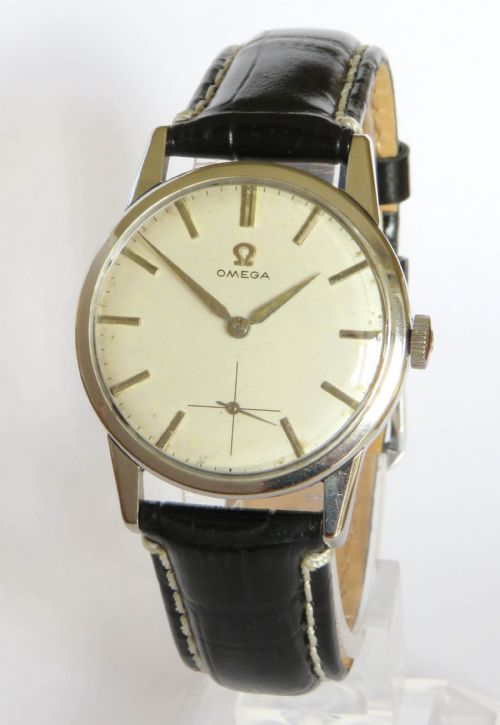
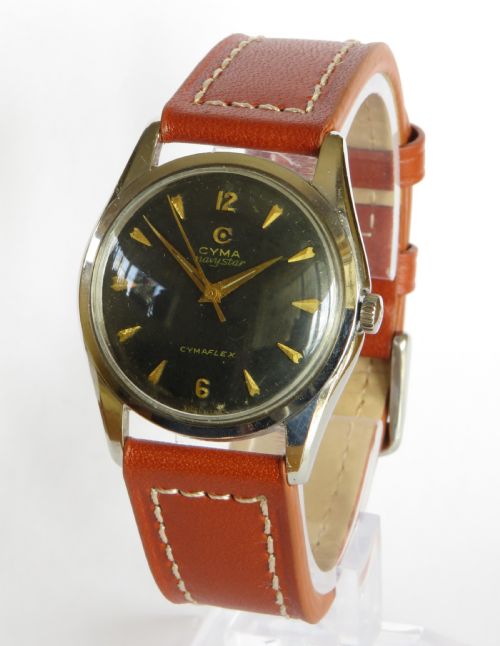
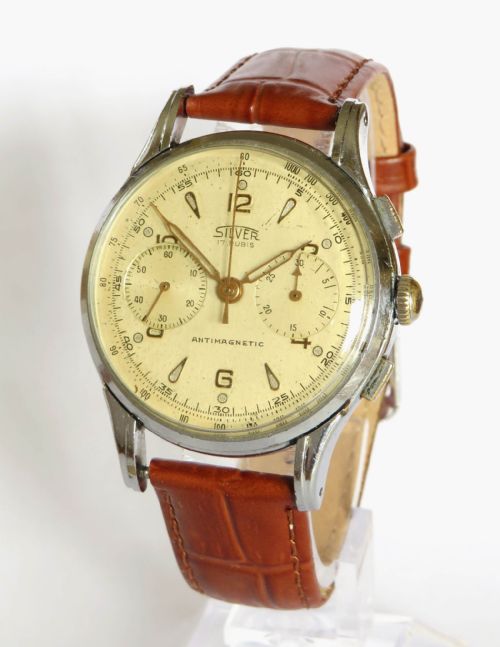
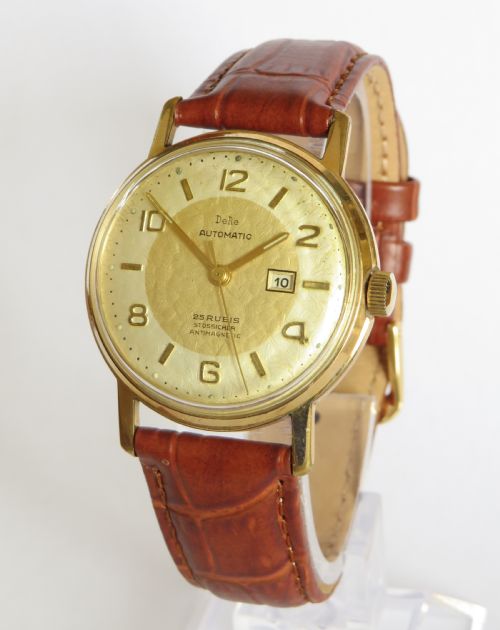
When someone searches for an analogue wrist watch, they encounter timepieces spanning the nineteenth century through the nineteen-sixties, with a strong presence of nineteen-fifties and nineteen-sixties pieces. The selection includes manual wind, automatic, and chronograph movements housed primarily in gents styles.
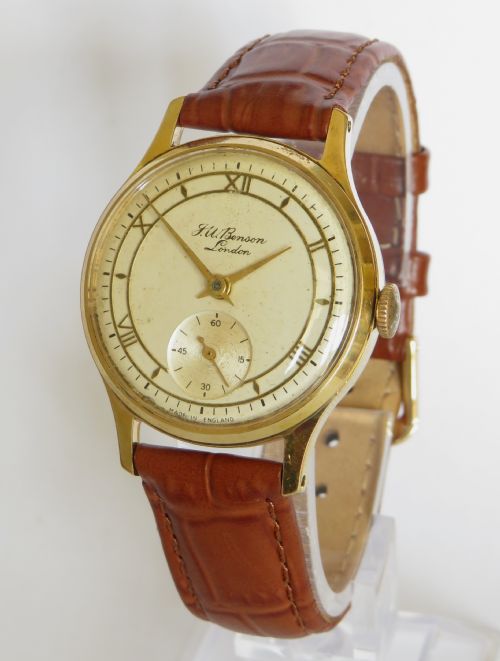
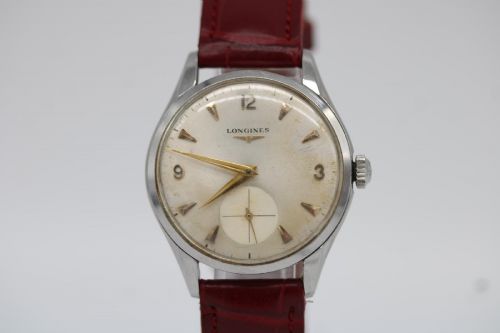
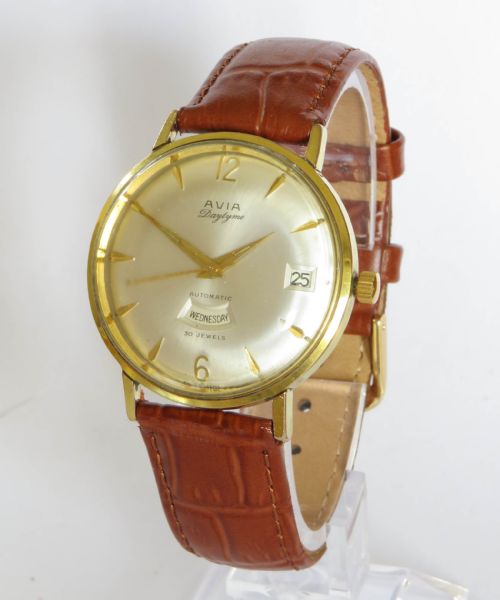
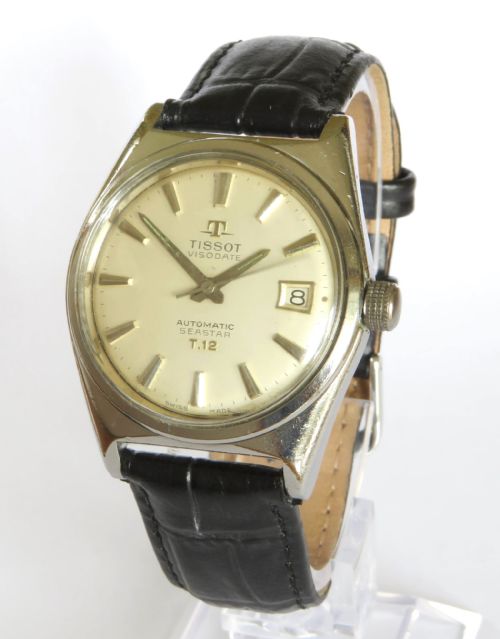
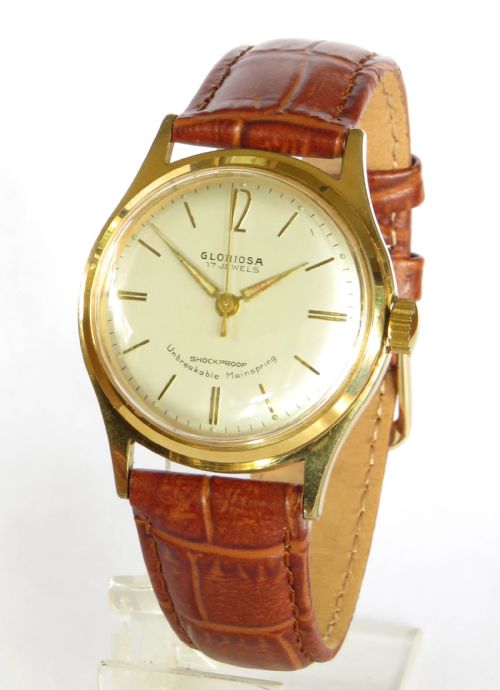
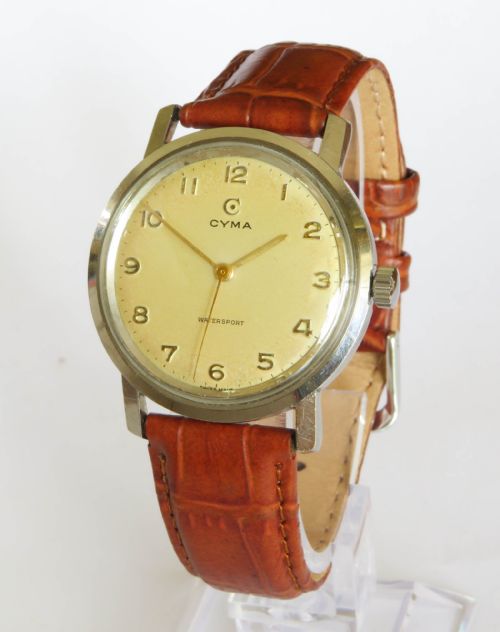
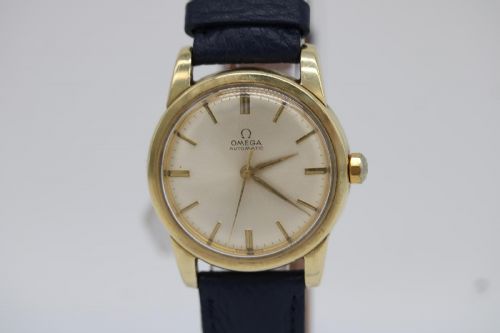
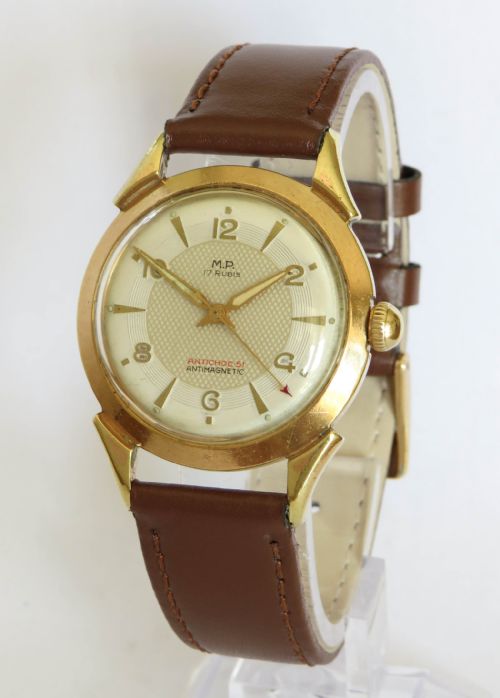
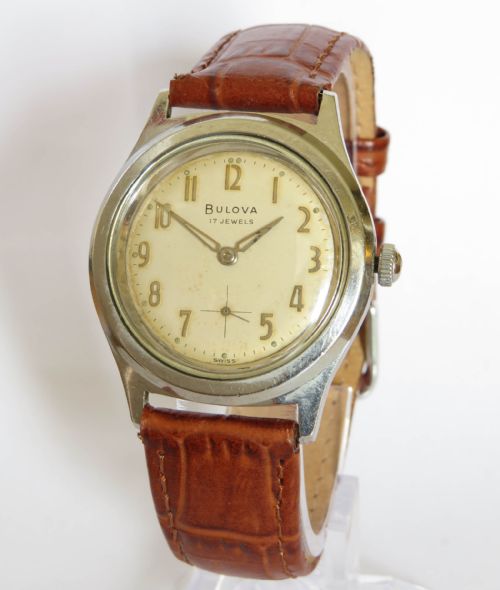
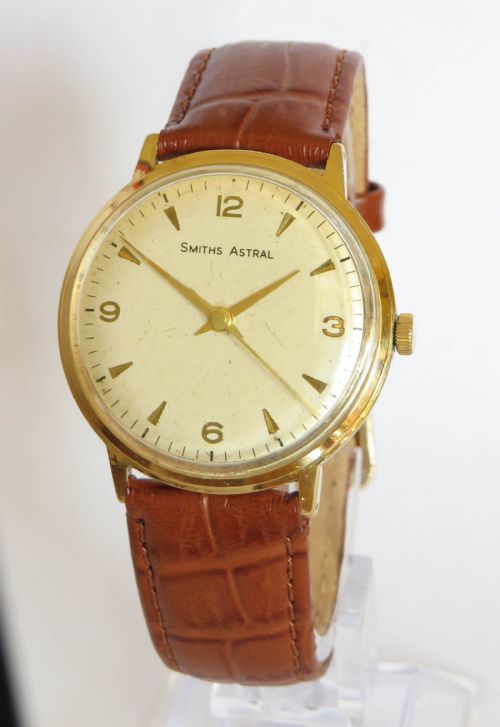
The objects take various forms on this page, including Art Deco pieces alongside Mid-Century Modern, Mid-Century, and Mid-Century British designs. Makers represented in the evidence include Cyma, Antoremi, DeRe, Smiths, J W Benson, Longines, Avia, Tissot, Gloriosa, Omega, Bulova, Ensign, Eterna, Prisma, Girard Perregaux, Lanco, Dogma Prima, Marvin, Felca, Technos, Consul, and Smiths Empire.
Materials and construction
Cases utilise metals such as stainless steel, gold plate, chrome, and general metal, paired with straps typically made of leather. Dials and movements are protected by glass, acrylic, and acrylic glass.
The mechanisms rely on manual wind and automatic movements, encompassing calibres such as the 12.68Z and functional elements like seventeen jewels or chronograph capabilities.
Some timepieces arrive tucked inside their original vintage boxes, preserving a tiny time capsule from the decade they were first sold.
Assessing quality in pieces
Quality variation emerges through the choice of casing materials, ranging from basic chrome and metal to gold plate and stainless steel. The movement complexity, such as automatic winding or chronograph functions, elevates the specification of the piece.
The origin and maker contribution also distinguish the examples, with established Swiss and British houses setting a different standard compared to standard production lines. Preservation of original components, boxes, or uncirculated stock status influences the character of the item.
Cyma·Antoremi·Smiths·J W Benson·Longines·Avia·Tissot·Omega·Bulova·Eterna·Prisma·Girard Perregaux·Lanco·Dogma Prima·Marvin·Felca·Technos·Consul
The Analogue Wrist Watch Glossary
- Automatic wrist watch
- A mechanical watch that winds itself using the natural motion of the wearer's wrist. This removes the need for manual daily winding.
- Manual wind
- A timepiece requiring the owner to turn the crown by hand to tension the mainspring. This traditional method powers the movement.
- Chronograph
- A watch featuring an independent sweep second hand that can be started, stopped, and returned to zero. This allows for precise stopwatch measurements.
- Gold plate
- A layer of gold applied to the surface of a base metal case. It provides the appearance of solid gold at a different material tier.
- Acrylic glass
- A transparent plastic material utilised for watch crystals instead of mineral glass. It offers flexibility and can be polished if scratched.
Analogue Wrist Watch: Frequently Asked Questions
What is an automatic wrist watch?
An automatic wrist watch contains an internal rotor that moves with the wearer's arm, winding the mainspring automatically.
This system keeps the watch running without requiring the daily hand-winding necessary for manual models.
How do manual wind watches work?
Manual wind watches require the owner to rotate the winding crown by hand until resistance is felt.
This action tensions the mainspring inside, storing energy to drive the movement's gears and hands.
What is a chronograph wrist watch?
A chronograph functions as both a standard timekeeper and a stopwatch.
Pushers on the side of the case control the start, stop, and reset functions of the dedicated timing hand.
What materials make up these watch cases?
Watch cases in this selection are constructed from stainless steel, gold plate, chrome, and base metals.
Crystal covers over the dials utilise glass, acrylic, or acrylic glass, while straps are formed from leather.
How do I identify a mid-century watch?
Mid-century watches typically display design traits from the nineteen-fifties and nineteen-sixties, reflecting modernist aesthetics.
They often feature clean dial layouts, minimalist markers, and specific case geometries associated with the period.