


Amethyst Glass Pendant
These amethyst glass pendant pieces bring rich violet colour and cut brilliance to jewellery collections, spanning periods from the Georgian era to the mid-twentieth century.
Amethyst Glass Pendant
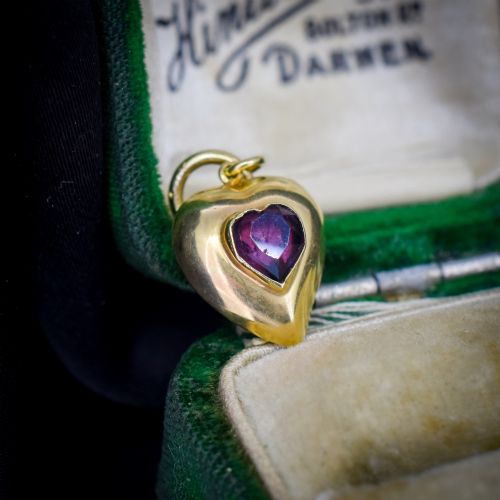
An amethyst glass pendant search brings up a distinct variety of small hanging ornaments, charm pendants, and cross pendants designed to be worn on chains or added to bracelets. The selection covers diverse historical eras, ranging from the Georgian period and the Victorian age through to 1940s Retro Modern designs.
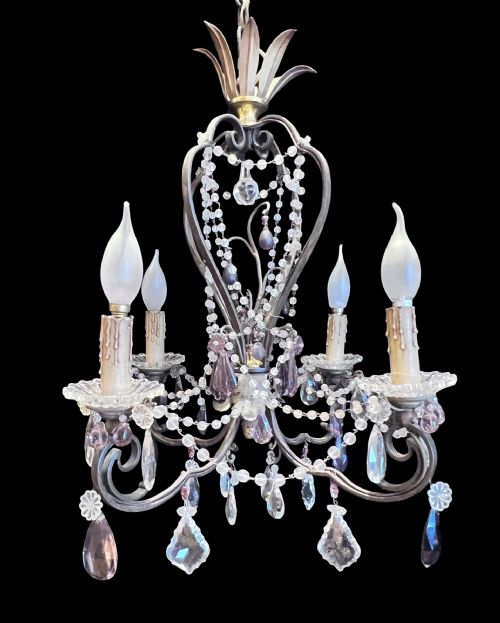
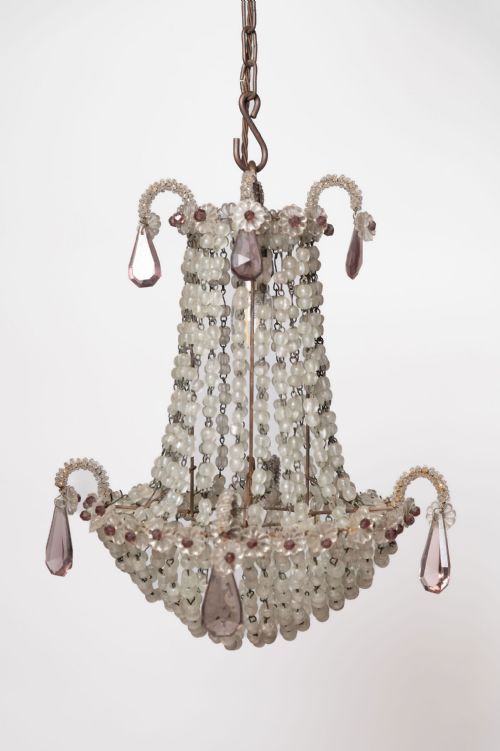
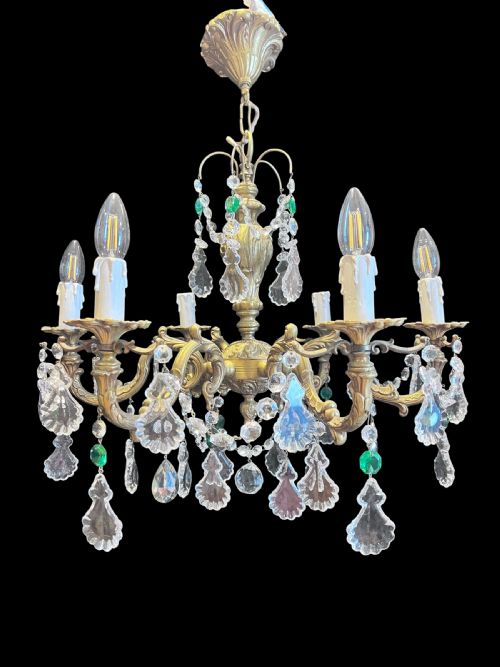
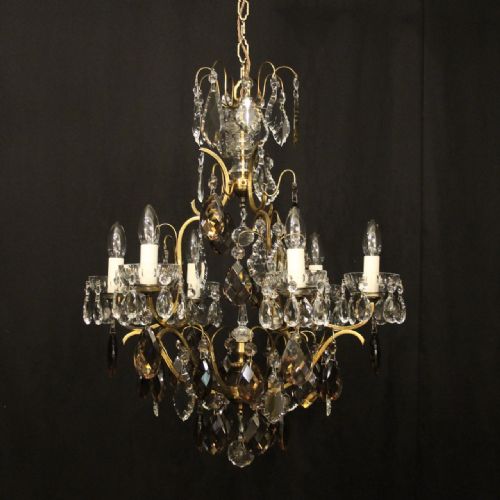
Buyers frequently encounter paste glass and crystal interpretations alongside precious metal mounts in gold and silver. Alongside personal jewellery, the evidence also includes larger hanging light fixtures such as chandeliers, reflecting the breadth of objects grouped under this descriptor.
Materials and construction
Makers shaped glass and crystal into violet hues, utilising paste glass and foiled stones to mimic deep quartz. Metalwork relies on brass, silver, and yellow gold, including eighteen-carat and fourteen-carat variations.
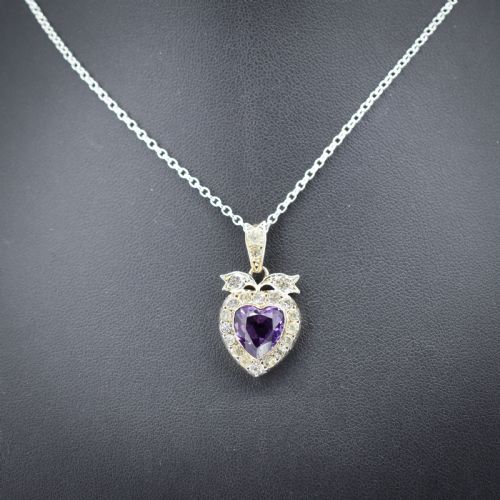
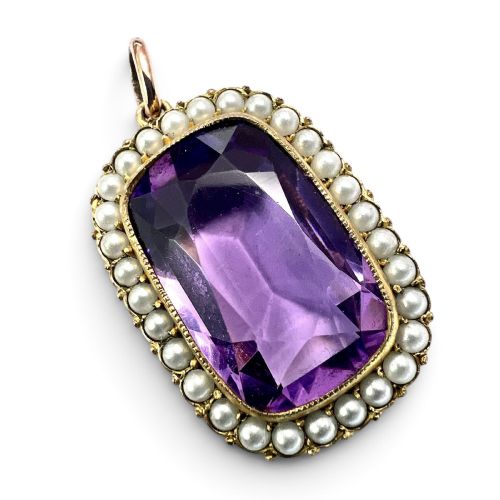
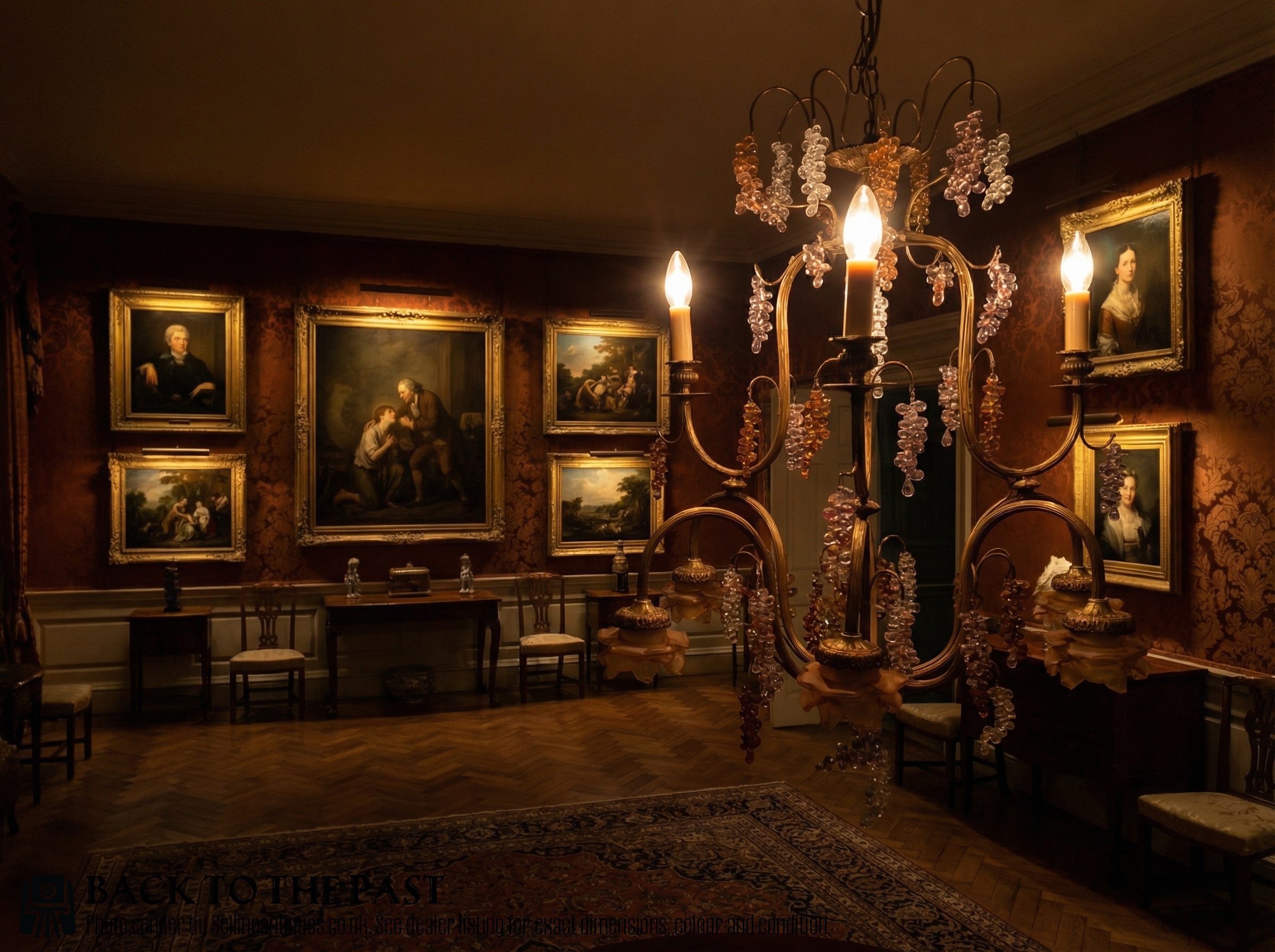
Craftsmen set old-cut paste stones into secure bezels or halo arrangements alongside pearls, while larger lighting fixtures integrate gilded brass frames with coloured crystals and glass grapes.
Amethyst Glass Pendant Retail Price Guide 2026
Typical asking prices for amethyst glass pendant among the pieces listed under this phrase on Sellingantiques today, from the lower quarter to the upper quarter. They describe what is for sale here now, not the wider market.
Glass bunches of grapes hang patiently inside the French chandeliers, waiting for a perpetual harvest of light.
Judging the work
Quality rests upon the depth of colour in the glass and the precision of the stone cutting, where old-cut paste exhibits sharper light play. The integrity of the metal setting, whether silver, brass, or gold, dictates the overall refinement of the piece.
Design complexity also defines the standard, distinguishing simple heart charms and cross pendants from elaborate halo clusters and multi-light fixtures adorned with decorative crystal elements.
The Amethyst Glass Pendant Glossary
- Paste glass
- A heavy, high-refractive glass used to imitate gemstones. Skilled artisans cut and polish it by hand to catch the light much like genuine quartz.
- Foil back
- A thin reflective sheet placed behind a gemstone or paste to enhance its brilliance and colour. This technique appears frequently in Georgian pieces.
- Old cut
- A hand-faceted stone shape predating modern machine precision. It produces softer, deeper light reflections than contemporary cuts.
- Halo pendant
- A central stone surrounded by a ring of smaller accent stones or pearls. This arrangement maximises visual impact and perceived brilliance.
Amethyst Glass Pendant: Frequently Asked Questions
How do I date an old paste pendant?
Dating relies on the metalwork styles, claw settings, and the specific cut of the glass paste. Georgian and Victorian pieces often feature closed-back settings or hand-cut foiled stones.
Later twentieth-century examples shift towards brighter gold alloys and distinct mid-century design markers like Retro Modern styling.
How should I care for antique glass pendants?
Antique glass and paste require gentle cleaning with a soft, dry cloth to protect the surface from scratches. Avoid submerging foiled pieces in water, as moisture ruins the reflective backing behind the stone.
Store each pendant separately in a lined box to prevent friction damage against other items.
What styles are common in these listings?
The inventory spans Victorian halo designs, Georgian cross pendants, and romantic heart charms. French and Italian lighting pieces also appear under this heading, utilising coloured crystal drops.
Each style reflects the prevailing decorative tastes of its specific period of origin.