



American Landscape Painting
American landscape painting captures vast vistas and intimate scenes across canvas and paper through the eyes of regional artists.
American Landscape Painting
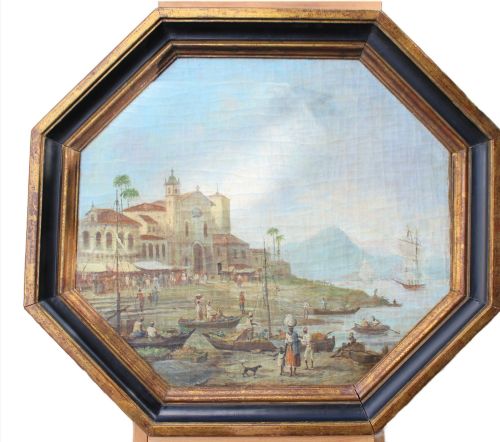
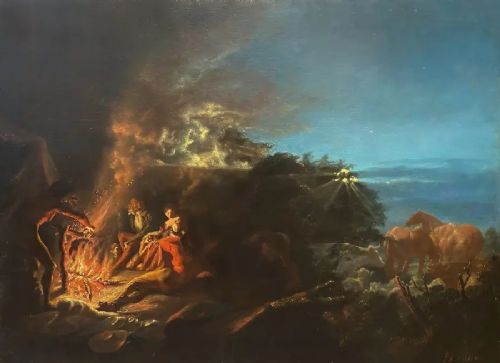
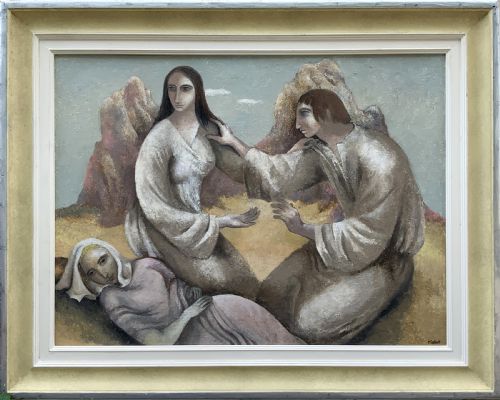
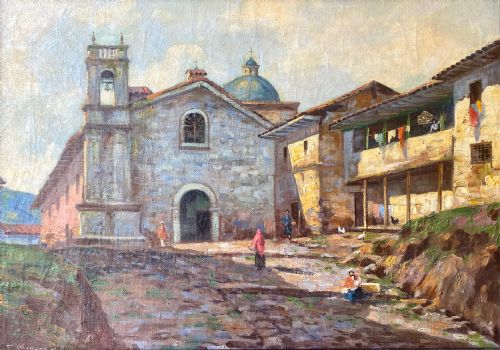
When you examine American landscape painting on this page, you encounter works spanning the nineteenth century through the mid-twentieth century. The selection includes framed oil paintings, watercolours, and ink works executed on canvas, paper, and wood panel. These pieces reflect diverse regional aesthetics from the Hudson River School and impressionism to mid-century modernist interpretations.
The subjects range from sweeping mountain vistas and river valleys to coastal watercolours and street scenes. Nineteenth-century examples often present sublime natural topography, whilst later works move towards impressionist brushwork and modernist expression. Many pieces arrive framed under glass or housed in traditional wooden frames.
Materials and technique
Artists working within American landscape painting utilised oil on canvas and oil on wood panel for durable, textured surfaces that hold pigment deeply. Watercolours on paper appear frequently, capturing swift atmospheric effects with translucent washes and ink detailing.
Framing materials typically involve traditional wood, often complemented by glass protection for paper works. Impasto techniques build raised surface texture in selected oil works, whilst watercolourists rely on the bare paper ground to illuminate light.
American Landscape Painting Retail Price Guide 2026
Typical asking prices for american landscape painting among the pieces listed under this phrase on Sellingantiques today, from the lower quarter to the upper quarter. They describe what is for sale here now, not the wider market.
Listings feature works created on canvas, paper, and wood using oil, watercolour, and ink.
Distinctions in quality
Quality in these works rests upon the surety of the hand and the handling of light and atmosphere. Stronger pieces display confident brushwork and a coherent compositional balance that grounds the viewer within the terrain.
Condition of the medium and the paper or canvas also defines the standing of a piece. Works retaining their original pigments without excessive restoration or fading command greater artistic presence.
Albert Bierstadt·Thomas Hicks·Edwin Lord Weeks·Alexandre Le Bihan·Nora Cundell·Frank Myers Boggs·Emile A Gruppe·John Parker Davis·George J Tribe·Elmer Wachtel
The American Landscape Painting Glossary
- Hudson River School
- An American art movement characterised by a romantic reverence for natural landscapes. These nineteenth-century works celebrate vast American wilderness and luminous skies.
- Impasto
- Paint applied thickly to a canvas or panel so that it stands out from the surface. This technique creates a tactile, three-dimensional quality in oil paintings.
- Watercolour
- A painting method in which the paints are made of pigments suspended in a water-based solution. Paper serves as the primary support for these translucent washes.
- Impressionism
- A style of painting focused on accurate depiction of light in its changing qualities. Artists often used small, thin yet visible brush strokes.
- Orientalist
- Artwork depicting scenes from the Middle East and North Africa, created by Western artists. These watercolours and oils often document distant travels and river landscapes.
American Landscape Painting: Frequently Asked Questions
What periods do these paintings cover?
The listings span from the early nineteenth century through the Edwardian era into the mid-twentieth century.
Nineteenth-century works focus on romantic realism and Hudson River School traditions, whilst later pieces explore impressionism and modernist styles.
How do I identify a watercolour from an oil painting?
Watercolours are executed on paper, often displayed under glass with visible washes and fine ink details.
Oil paintings utilise canvas or wood panels, presenting thicker pigment layers and textured surfaces that do not require glass protection.
Where were these landscape scenes painted?
The subjects encompass diverse geographies including New York state, California, Arizona, Massachusetts, and overseas locations captured by travelling artists.
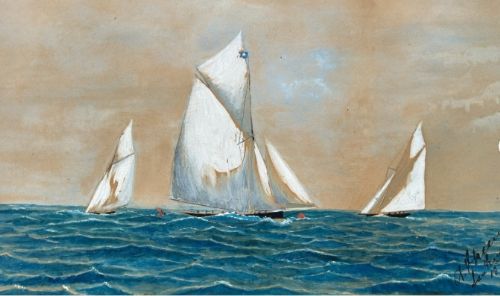
Local topography ranges from mountain peaks and river tributaries to coastal racing yachts and canyon views.
How should I display antique paintings at home?
Ensure works on paper behind glass are kept away from direct sunlight to prevent watercolour fading. Maintain stable room humidity to protect wooden panels and canvas integrity.
Allow sufficient wall space for framed canvases to breathe within your interior arrangement.