



American Chest
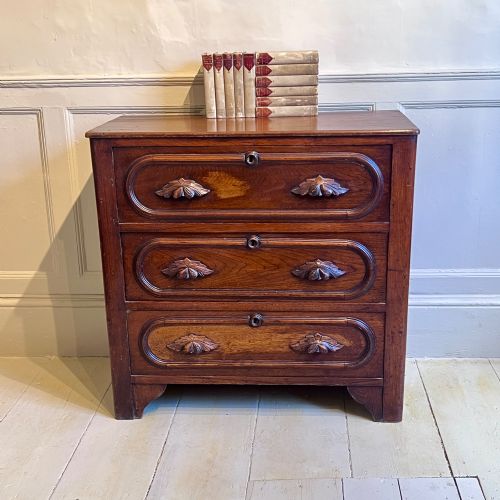
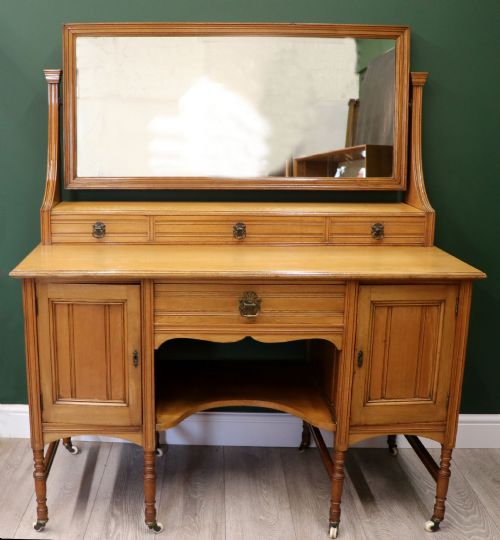
An american antique chest brings solid craftsmanship and rich timber into a room, offering practical storage with historic character.
American Chest
The selection includes nineteenth-century walnut and oak drawer units alongside colonial revival pieces, alongside specialised forms like lowboys, highboys, and military campaign trunks. Makers and workshops from various periods utilised native timbers to build substantial furniture intended for daily household utility or long-distance transit.
Materials and Construction
Cabinetmakers constructed these pieces primarily from solid mahogany, walnut, oak, and rosewood, often pairing dense hardwoods with secondary woods for drawer linings and internal framing. Brass hardware, locks, and corner brackets reinforced travel trunks and campaign chests against heavy use.
Joinery techniques varied by form, employing dovetail joints for drawer construction and secure mortise-and-tenon framing for carcases. Surface treatments included polished mahogany veneers, line inlay, and leather coverings on travel trunks.
American Chest Retail Price Guide 2026
Typical asking prices for american chest among the pieces listed under this phrase on Sellingantiques today, from the lower quarter to the upper quarter. They describe what is for sale here now, not the wider market.
Listings feature pieces spanning from the 1750s highboys to 1920s steamer trunks, constructed in mahogany, walnut, oak, and brass.
What Varies in Quality
Quality depends upon the selection of timber figures, such as highly grained mahogany or rich walnut veneer, and the crispness of applied details like line inlay and carved mouldings. Superior examples retain original brass handles, locks, and fitted interior compartments rather than replaced hardware.
Structural integrity and the condition of drawer runners dictate daily usability, separating standard utility furniture from finer domestic pieces and bespoke travel trunks.
Seaward·Shapland & Petter·AE Meek
The American Chest Glossary
- Bowfront
- A curved front facade curving outward at the centre. This shape appears frequently on finer nineteenth-century drawer chests.
- Campaign Trunk
- A portable chest or trunk built for military officers or travellers. These pieces often feature brass binding, recessed handles, and robust corner brackets.
- Highboy
- A tall chest of drawers raised on a low frame or stand. Eighteenth-century examples typically feature elaborate carved mahogany woodwork.
- Steamer Trunk
- A large travel chest designed to fit beneath a ship cabin berth. Edwardian and twentieth-century versions frequently include internal compartments and clothes hangers.
- Canterbury
- A low stand with partitions for holding music sheets or books. Nineteenth-century variants occasionally appear in American walnut and rosewood.
American Chest: Frequently Asked Questions
How do I date an American chest?
Dating relies on stylistic clues, construction methods, and timber choices across different periods. Eighteenth-century pieces show distinct joinery and carved details compared to Victorian or Edwardian examples.
Hardware styles, secondary woods, and patent dates on trunk locks also help narrow down the manufacturing decade.
Were steamer trunks used for travel?
Steamer trunks were specifically built for passenger ship travel during the late nineteenth and early twentieth centuries. Their low profile allowed them to slide underneath cabin bunks.
Fitted interior compartments and robust exterior materials protected clothing and belongings during long ocean voyages.
What is a campaign chest?
Campaign chests are modular storage pieces designed to dismantle or travel easily with military officers. They feature brass corners and flush recessed handles to prevent snagging during transport.
These practical travel trunks combined sturdy wood construction with durable metal hardware for field use.
How do I care for antique wood?
Maintaining antique timber requires keeping pieces away from direct heat sources and sudden humidity changes. Regular dusting with a soft cloth preserves the polished surface.
Applying occasional appropriate wax feeds the wood without building up heavy chemical residues over time.