


Amber Glass Hanging Light
An amber glass hanging light catches the daylight and warms a room long before the bulb is ever switched on.
Amber Glass Hanging Light
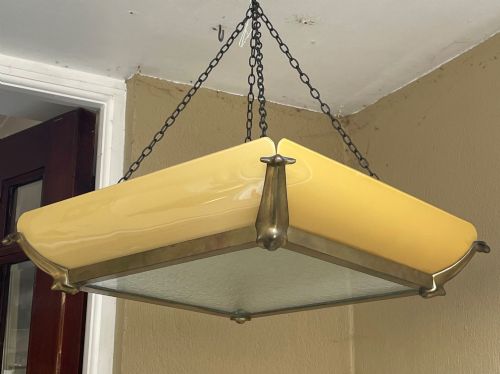
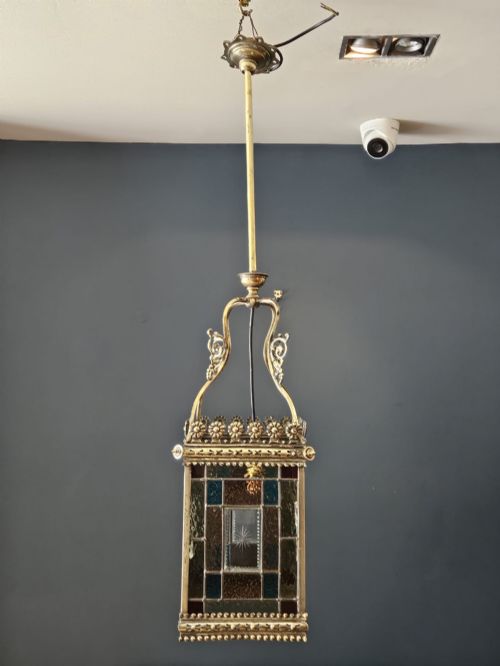
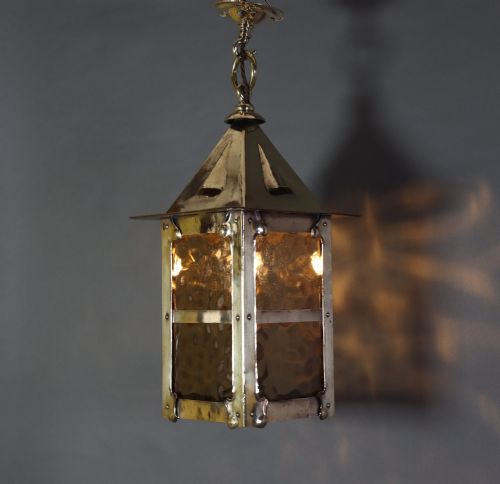
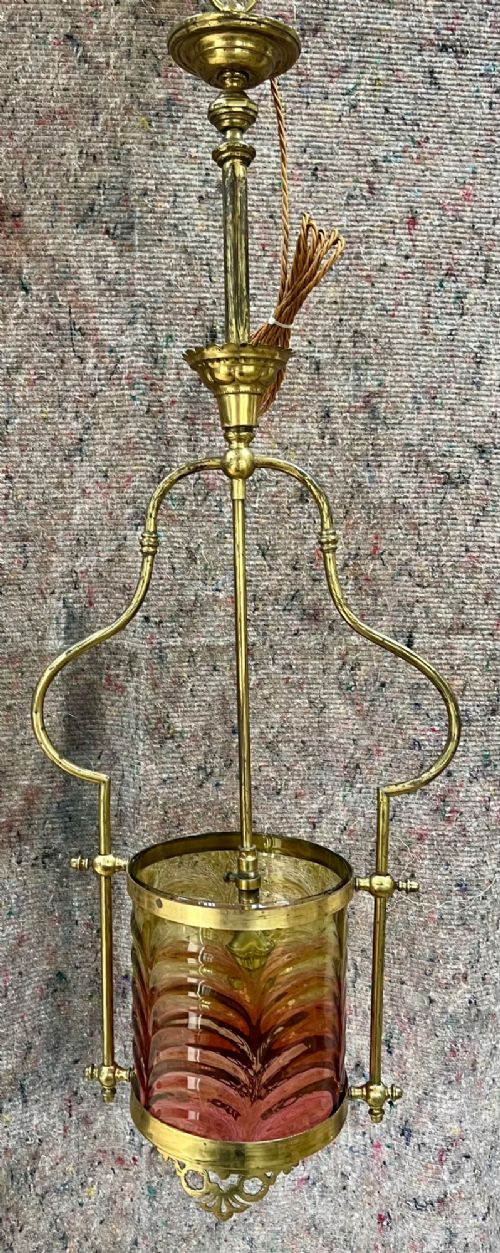
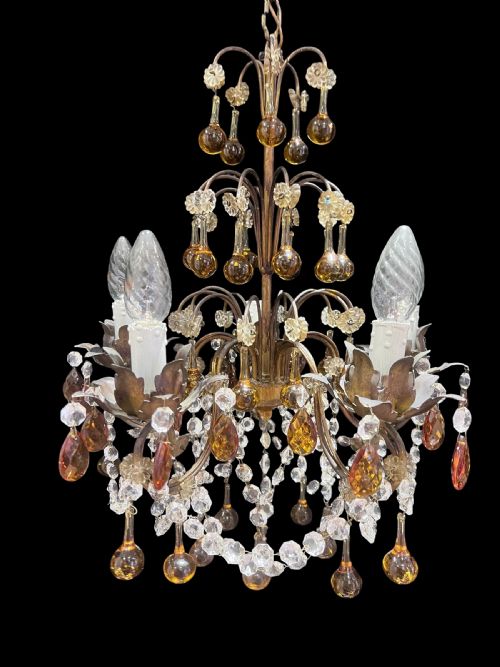
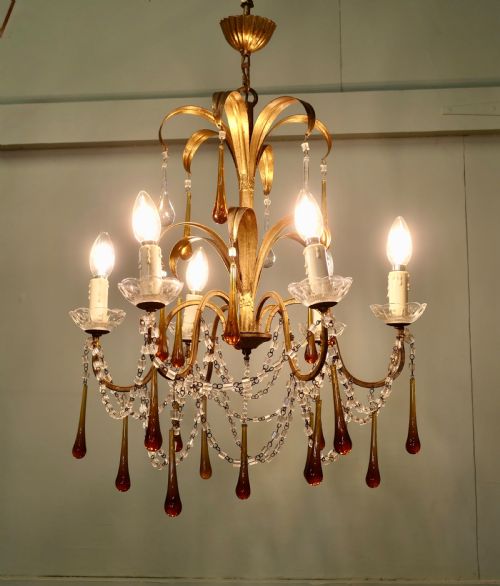
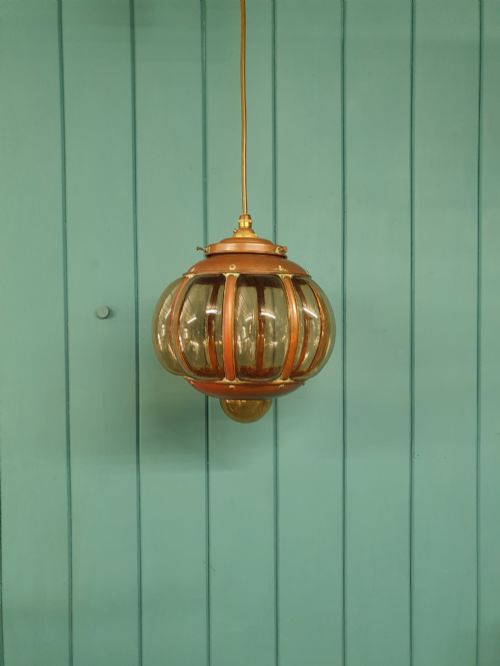
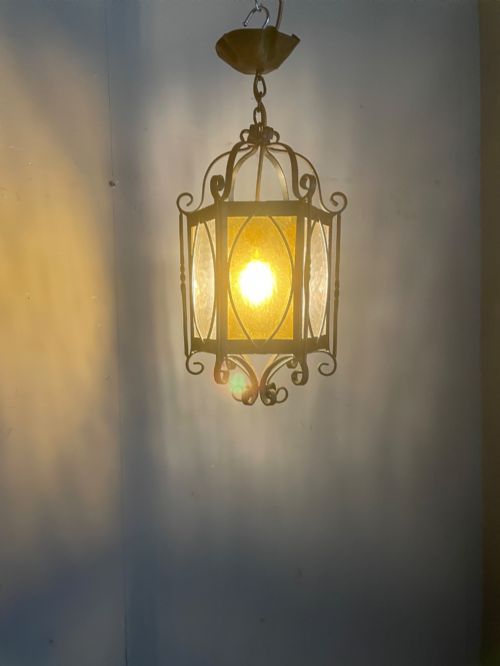
An amber glass hanging light brings a warm, honeyed glow to a hallway or reception room through tinted shades, faceted crystals or golden bullseyes. When you search for this phrase, you meet ceiling fixtures shaped as lanterns, pendants and multi-armed chandeliers designed to suspend overhead.
The examples gathered here span from the late nineteenth century through the Edwardian years and the Art Deco period, touching upon Victorian, Arts and Crafts and French Chateau styles. Brass, copper and gilt metal frames hold the glass work, creating a focal point that operates as both utility and ornament.
How they were made
Makers constructed these fixtures using robust metal frameworks of brass, copper, wrought iron and gilt metal to support heavier glass components. Glazed lanterns utilise lead came to hold individual panels together securely, whilst other pieces employ moulded or etched glass shades.
Crystalline elements such as amber teardrops and coloured fruits hang from wired mounts or metal pins, catching and refracting the illumination. Toleware provides painted metal structure where specified, combining durability with decorative form.
The selection includes French Chateau styles alongside Arts and Crafts designs and nautical pendant lights.
What varies in quality
The distinction between standard production and superior craftsmanship lies in the weight of the metal and the clarity of the glass. Heavier brass frames and deeply faceted crystal drops demonstrate a higher standard of manufacture than lighter, pressed alternatives.
Attention to detail in the metalwork, such as hand-soldered lead lines or finely chased gilt surfaces, separates robust antique lighting from simpler domestic hardware.
The Amber Glass Hanging Light Glossary
- Bullseye
- A thick disc of glass featuring a central raised knob, often found in leaded windows and panels.
- Toleware
- Enamelled or painted metalware used historically for decorative household objects and light fittings.
- Lead came
- Soft lead strips used to join individual pieces of glass in traditional lanterns and windows.
- Smoked glass
- Glass treated to possess a dark, translucent finish that softens the light passing through it.
- Pendant light
- A single light fixture suspended from the ceiling by a cord, chain or metal rod.
Amber Glass Hanging Light: Frequently Asked Questions
How do I hang a heavy brass lantern safely?
Suspension requires fixing directly into ceiling joists using a rated metal hook rather than relying on plaster alone. Professional wiring and weight-bearing chains ensure the fixture hangs securely.
Take care to match the hanging height to the room's proportions, ensuring adequate headroom below the lowest point of the glass.
Can I use modern LED bulbs in antique glass lights?
Modern low-heat LED bulbs fit standard lamp holders and reduce the risk of thermal stress on historical glass shades. Choosing a warm colour temperature preserves the intended amber glow.
Verify that the existing vintage wiring is safely insulated and earth-tested by a qualified electrician before installation.
How do I clean delicate amber glass and crystals?
Remove dust gently with a soft dry cloth before wiping glass panels with a mild soapy solution and lukewarm water. Avoid harsh chemical cleaners that might damage antique metal patinas or painted finishes.
Unclip detachable crystal drops where possible to clean them individually and restore their refractive sparkle.
How do I date an Edwardian hanging light?
Edwardian pieces often feature lighter brass construction and softer decorative motifs that bridge Victorian heaviness and Art Deco geometry. Examining the construction techniques and fastening screws offers clues to the manufacturing decade.
Compare the glass colouring and shade silhouettes against known period examples to confirm the era of origin.